Glass Art: Fusion and Assembly Techniques for Beginners
Exploring the Artistry of Glass Work
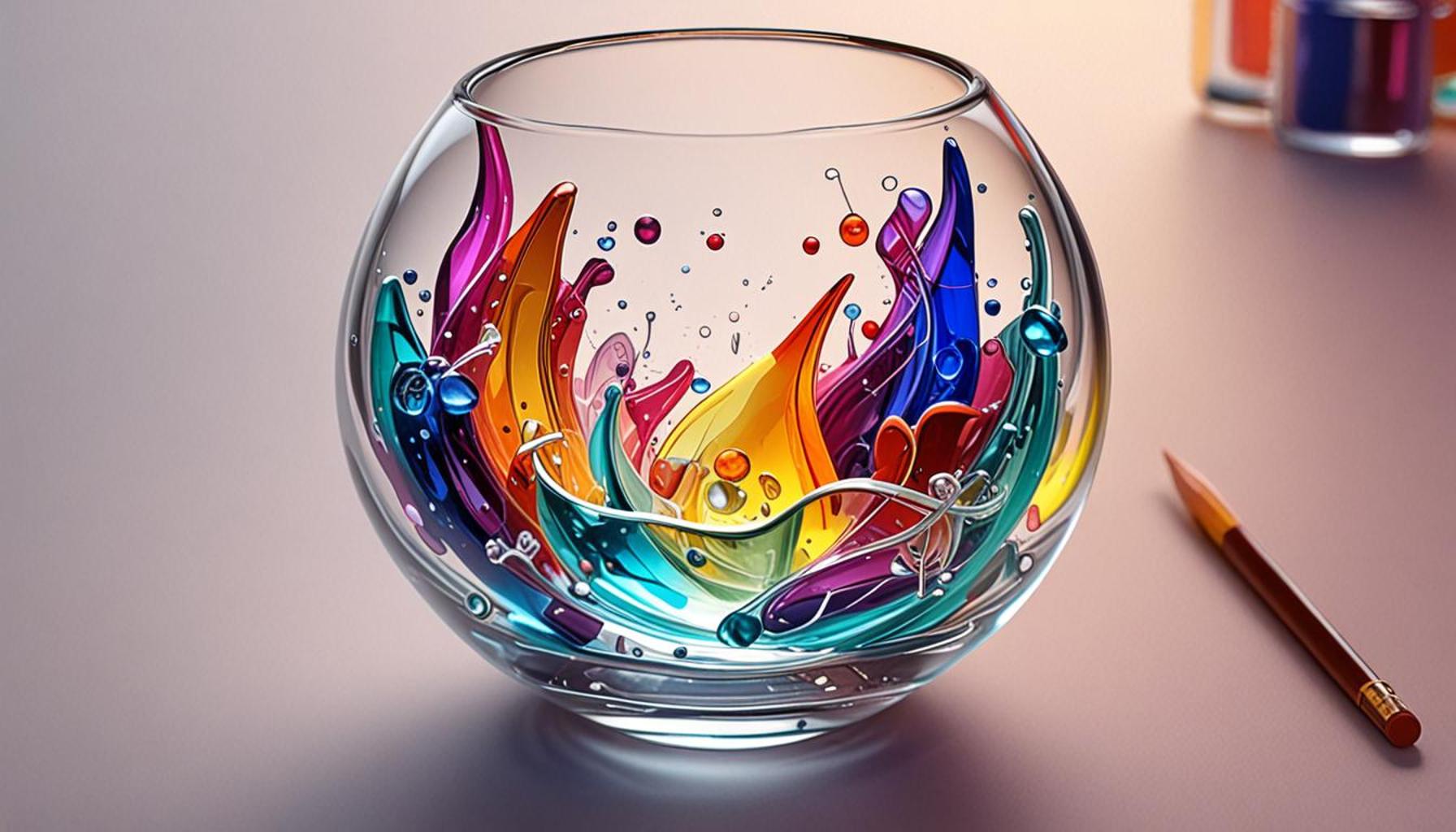
Engaging in glass art can prove to be a transformative journey, encompassing a wide range of techniques and styles that appeal to beginners and seasoned artists alike. The tactile nature of glass, combined with the mesmerizing ways it interacts with light, offers a unique medium that ignites creativity and inspires innovation. From the moment you start working with it, the possibilities become endless, whether you’re captivated by the vibrant colors available or the intricate designs you can create.
Techniques to Explore
- Fusion: This popular technique involves melting together pieces of glass at high temperatures, typically in a kiln. Artists can layer different colored glasses to create depth and intrigue in their designs. For example, a fusing project might include vibrant hues of blue and green to make a stunning ocean-inspired plate.
- Assembly: This method involves combining pre-existing glass pieces, such as beads or tiles, to create unique sculptures or functional items. An artist might craft a whimsical garden totem by utilizing found glass objects, resulting in a one-of-a-kind addition to any outdoor space.
- Cold Working: After the glass piece has been shaped, artists often utilize cold working techniques, such as grinding, sanding, or polishing, to refine surfaces and edges, bringing out a sparkle that’s often overlooked. For instance, a glass vase might be cold worked to a frosted finish, accentuating its shape while providing a smooth texture.
These fundamental techniques act as gateways to an expansive world of creativity. Whether you’re interested in making beautiful functional items such as coasters and bowls or purely decorative art pieces, the basic skills of glass art provide the tools necessary for artistic exploration and expression.
Why Start with Glass Art?
- It encourages patience and precision in artistic practices. The process often requires meticulous attention to detail, whether measuring materials for fusing or carefully assembling components, which can enhance overall artistic abilities.
- It offers a vast range of materials and tools for customization. Tools like glass cutters, torches, and grinders allow artists to create distinctive effects and personalize each project, adding a personal touch that makes each piece unique.
- Community and workshops are readily available to enhance your skills. Across the United States, local studios often offer classes and workshops where budding artists can learn techniques from experienced instructors and connect with fellow glass enthusiasts.
For those in the United States, the opportunities to delve into glass art are readily accessible. Across the country, local studios, art centers, and online platforms provide a wealth of resources, from beginner classes to advanced workshops. If you’re ready to embark on this exciting artistic journey, you’ll find immense satisfaction in transforming raw glass into something radiant and beautiful! Every piece not only tells a story but also builds on your personal development as an artist in this fascinating medium.
DISCOVER MORE: Click here to learn about the therapeutic power of art
Diving Deeper into Fusion Techniques
One of the most enticing aspects of glass art is the fusion technique, which serves as an entry point for many beginners. This method permits artists to experiment with heat and color while yielding exciting results. By layering different glass pieces and placing them in a kiln, artists create intriguing and visually appealing compositions. Understanding the nuances of temperature control is pivotal; while you want to achieve complete fusion, overheating can lead to devitrification, where the glass clouds and loses its clarity.

For beginners, a simple project such as a glass pendant or tile can be a gratifying introduction to fusion. Using small pieces of colored glass, carefully layering them creates vibrant designs. Once the pieces are assembled, they are placed in a kiln, which operates at temperatures between 1,400°F and 1,600°F, melting the glass and fusing it together. After a controlled cooling process, you will unveil an exquisite piece that reflects your creativity.
Key Elements of Glass Fusion
- Glass Selection: Not all glass is created equal. Opt for compatible glasses that melt at similar temperatures to avoid complications during the fusing process. Common types include bullseye and spectrum glass, ideal for beginners.
- Thickness Matters: Pay attention to the thickness of the glass pieces you’re using. Thicker pieces take longer to melt and fuse, which can impact the final look of your art.
- Design Considerations: Consider the layering arrangement in your design. Utilizing contrasting colors or transparent layers can create depth and shadow effects, enhancing visual appeal.
Once you become comfortable with basic fusion techniques, you can progress to more complex projects, such as creating functional items like bowls or platters. The versatility of fused glass means that your only limits are your imagination and willingness to experiment. As you hone your skills, playing with texture and opacity will enable you to create stunning pieces that are both beautiful and functional.
Understanding the Assembly Method
Another exciting avenue in glass art is the assembly technique. This method allows artists to bring together various glass elements—be it beads, tiles, or found objects—to craft unique pieces. For beginners, assembling a simple glass mosaic or sculpture can be a fulfilling introduction to the medium. This approach emphasizes creativity and repurposing, allowing you to create art from materials you may already have at home.
As with fusion, mastering assembly involves some foundational knowledge. For instance, understanding the use of adhesives and glass adhesives can be crucial in helping your pieces stay intact while preserving their beauty. If you’re aspiring to create a garden art piece, consider utilizing bottles or broken glass tiles. Arranging these components allows for artistic freedom, transforming discarded materials into stunning masterpieces.
Benefits of the Assembly Technique
- Accessibility: There’s a low barrier to entry with assembly. Beginners can start creating with minimal investment in materials.
- Creative Freedom: This method encourages exploration in design, giving you the chance to play with various elements to achieve your desired result.
- Ecological Aspect: Assembling materials also taps into sustainability, allowing artists to recycle and repurpose glass items.
Whether opting for fusion or assembly, the world of glass art offers a wealth of opportunities for self-expression and creativity. Embrace the challenge, and let your passion for this medium guide you as you begin to navigate through your artistic journey.
| Advantage | Description |
|---|---|
| Creative Expression | The fusion and assembly of glass provides endless opportunities for unique artistic expression, allowing beginners to create personalized pieces that reflect their style. |
| Skill Building | Engaging in glass art teaches crucial skills such as precision, patience, and technical proficiency, essential for all creative endeavors. |
As you delve into the world of glass art, particularly focusing on fusion and assembly techniques, you’ll discover that these advantages are just the tip of an exciting iceberg. The hands-on experience encourages a deep connection to the medium, which not only promotes creativity but also enhances one’s ability to visualize and execute intricate designs. Each piece becomes a challenge and an achievement, propelling you forward in your artistic journey.Moreover, attending workshops or collaborating with seasoned artisans can amplify your skills, opening doors to advanced techniques and trends in the glass art community. Through this exploration, you will become part of a vibrant network of creators, undoubtedly enriching your artistic perspective and inspiring innovative projects.
DISCOVER MORE: Click here to start your creative writing journey
Exploring the Role of Tools and Safety in Glass Art
As you embark on your journey into glass art, whether through fusion or assembly techniques, understanding the essential tools and maintaining safety is crucial. The right tools not only enhance the creative process but also make working with glass more enjoyable and efficient.
Essential Tools for Beginners
- Cutting Tools: A reliable glass cutter is your best friend. It allows for precision cuts that are fundamental in both fusion and assembly methods. Make sure to invest in a quality cutter; those with a carbide wheel often provide the best results.
- Grinding Tool: A glass grinder is invaluable when you need to smooth edges or shape pieces to fit together seamlessly. Many beginners find this tool enhances their work’s overall finish.
- Safety Goggles: Always prioritize safety. Protective eyewear shields your eyes from glass shards and harmful materials, especially when cutting or grinding.
- Kiln: For fusion projects, a kiln is essential. Understand the specific temperature requirements for various glass types to ensure perfect results.
- Adhesives: For assembly techniques, research different glass adhesives. Epoxy and silicone-based glues are popular choices as they provide strong bonding capabilities without compromising the aesthetic appeal of your project.
Safety Precautions to Observe
Working with glass can be rewarding, but it comes with its share of risks. Implementing safety practices is necessary to ensure a positive experience. Here are some critical safety tips:
- Workspace Setup: Create a dedicated area for your glass projects. This space should be clean, organized, and free from clutter to avoid accidents.
- Protective Gear: Aside from safety goggles, consider wearing gloves to protect your hands from cuts and a mask to shield against dust and fumes.
- Maintain Equipment: Ensure that all your tools, especially those involving cutting or grinding, are well-maintained. Dull tools can require more force, increasing the risk of accidents.
- Work with a Buddy: Whenever possible, engage with fellow glass art enthusiasts. Not only can they provide assistance, but having a companion can create a safer and more enjoyable environment.
Learning the basics of glass art techniques such as fusion and assembly requires more than creativity; it necessitates a foundation of knowledge about the tools and safety precautions that accompany the craft. Getting acquainted with the right gear and establishing a conscientious workspace can set you on the path to discovering your unique style and expanding your artistic repertoire.
Building a Community: Connecting with Other Glass Artists
As a beginner, immersing yourself in the glass art community can be invigorating. Connecting with others who share your passion allows you to exchange tips, discover new techniques, and gain inspiration. From local classes to online forums, the glass art community is vibrant and welcoming, providing a plethora of resources for you to explore.
Finding Classes and Workshops
- Local Art Centers: Many community colleges and art centers offer glass art classes. Look for beginner workshops that cover both fusion and assembly techniques to get hands-on experience.
- Online Tutorials: Websites like YouTube and platforms such as Skillshare or Udemy offer accessible courses to learn at your own pace. You can find everything from basics to advanced techniques tailored to your interests.
- Glass Art Shows: Attend local and national glass art exhibitions to not only observe the work of established artists but to also network with them. These events often feature vendors who offer tools and materials, allowing you to browse and make informed purchases.
The journey into the realm of glass art is multifaceted, rich with opportunities for learning, creating, and connecting. As you delve deeper into fusion and assembly techniques, fostering connections within the community can serve as an invaluable resource, enriching your artistic development and enhancing your overall experience with glass art.
DISCOVER MORE: Click here to unleash your creativity
Conclusion: Embracing Your Glass Art Journey
In conclusion, embarking on your journey into glass art through fusion and assembly techniques offers an exciting blend of creativity and technical skill, making it a rewarding endeavor for beginners. Understanding essential tools such as glass cutters, grinders, and kilns is crucial, as is prioritizing safety with proper protective gear and workspace setup. With these foundational elements in place, you can fully immerse yourself in the aesthetics and intricacies of glass art.
Moreover, building connections within the vibrant glass art community can inspire you and enhance your artistic growth. From local workshops to online classes and art shows, engaging with fellow enthusiasts provides invaluable opportunities to learn, share, and develop your unique style. As you cultivate your skills, remember that practice, experimentation, and a willingness to learn from both successes and setbacks will shape your artistic journey.
Ultimately, whether you are attracted to the mesmerizing colors of fused glass or the innovative layouts of assembled pieces, the world of glass art awaits your exploration. Embrace the creative process, soak in the knowledge shared by others, and allow your imagination to flourish. The possibilities are endless—take that leap and start crafting your glass masterpieces today!