Hand Sewing Techniques: Transforming Scraps into Works of Art
Reviving Creativity Through Hand Sewing
In a world increasingly dominated by fast fashion, hand sewing techniques offer a refreshing pathway to sustainability and creativity. This traditional skill has seen a resurgence as more people express their individuality and artistry through manual craftsmanship. Engaging directly with fabrics not only fosters creativity but also allows for a deeper connection with the materials one is working with.
Transforming fabric scraps into stunning pieces of art can be both an enjoyable hobby and a means of self-expression. Hand sewing can encompass a wide range of projects, appealing to a diverse audience. Here are some interesting facets of hand sewing that might catch your attention:
- Eco-friendly Practices: By using leftover fabric, you minimize waste and contribute to a more sustainable fashion ecosystem. With approximately 92 million tons of textile waste generated annually, every tiny effort counts. Repurposing old clothes, linens, or even curtains can significantly reduce your carbon footprint. For example, upcycling a worn-out denim jacket into a stylish bag not only gives it new life but also helps combat the detrimental effects of fast fashion.
- Personalized Creations: Hand sewing allows for unique modifications, ensuring that your creations reflect your personal style. Unlike mass-produced garments, your handmade creations can incorporate specific colors, patterns, and designs aligned with your aesthetic. Imagine crafting a quilt featuring pieces of fabric that hold sentimental value—like an old band t-shirt or a favorite dress. Each stitch becomes a story, making your creation truly one-of-a-kind.
- Skill Development: Mastering these techniques can improve your dexterity, patience, and problem-solving skills. As you learn new stitches and patterns, you also develop a unique set of skills that can be tailored to personal projects. For instance, techniques like appliqué or embroidery can transform simple textiles into detailed, intricate designs, honing your ability to focus and execute complex tasks. Participating in community sewing groups or online tutorials can further enhance your learning experience.
Whether you are crafting a quilt, making a trendy tote bag, or designing wearable art, hand sewing techniques open up a world of possibilities. Beyond the immediate joy of creating, hand sewing allows artisans to breathe new life into discarded materials, transforming them into cherished keepsakes. This art form not only rekindles creativity but also serves as a meditative practice, offering an escape from our fast-paced, technology-driven lives.
Stay tuned to uncover the various techniques that cater to all skill levels, from beginners to seasoned sewists, and discover how you can turn those fabric remnants into beautiful, functional art pieces. Whether you choose to create a simple patchwork pillow or undertake a more complex garment construction, hand sewing offers a rewarding journey that nurtures both personal growth and environmental consciousness.
DIVE DEEPER: Click here to discover more about artistic expression</
Exploring the World of Hand Sewing Techniques
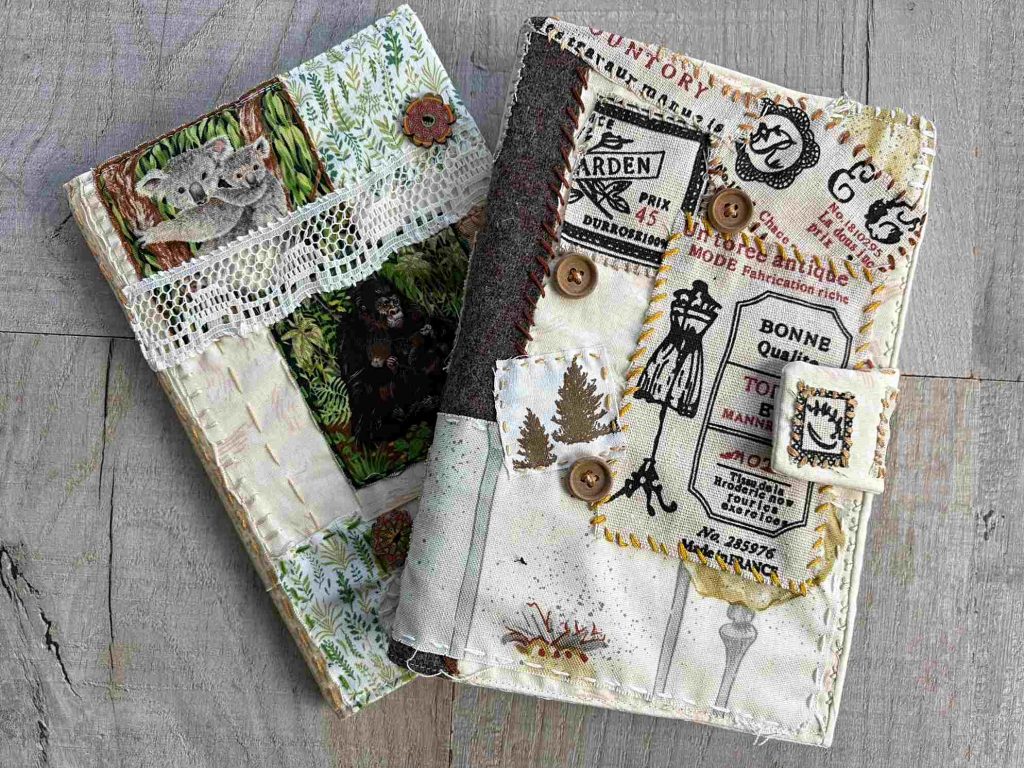
The beauty of hand sewing techniques lies in their versatility and ability to connect the maker to their materials. Whether you are a novice stitcher or an experienced artisan, the journey of transforming fabric scraps into stunning creations invites everyone to unleash their imagination. From intricate embroidery patterns to simple patchwork, the methods available cater to various skill levels and artistic preferences.
One of the most accessible hand sewing techniques is patchwork. This method allows you to combine different fabric pieces, regardless of size or shape, into a cohesive piece. It’s an excellent way to utilize scraps from past projects or even clothing no longer in use. The process typically involves the following steps:
- Gathering Materials: Begin by collecting fabric scraps that resonate with you. Consider color palettes, textures, and patterns that inspire your vision. Vintage fabrics can add a nostalgic touch, while modern prints can introduce fresh energy into your work.
- Planning Your Design: Before stitching, layout your pieces in various combinations until you find a design that feels right. You can create an abstract quilt, a decorative wall hanging, or even a functional tote bag. This stage is critical, as it helps you visualize the final product and ensures a harmonious blend of fabrics.
- Stitching it Together: Once your design is set, begin sewing the pieces together. Techniques such as a running stitch or whip stitch can be used for a clean finish. Don’t shy away from experimenting with different stitch lengths and styles; these variations can add character and depth to your creation.
Another exciting avenue to explore within hand sewing is embroidery. With just a needle and thread, you can embellish your fabric scraps, turning them into unique art pieces. Embroidery allows for creativity—add monograms, decorative stitches, or even intricate designs that can transform mundane textiles into personalized works of art. Consider these popular embroidery techniques:
- Satin Stitch: Ideal for filling in shapes, this technique creates a smooth and lustrous effect, making it perfect for floral motifs or letterings.
- Back Stitch: This sturdy stitch is excellent for outlining or creating detailed patterns. It’s often used in classic designs, ensuring longevity and strength.
- French Knots: Adding texture and dimension, French knots can serve as beautiful embellishments in designs, giving depth to your pieces.
Furthermore, the allure of hand sewing lies not only in the finished items but in the process itself. Each piece threaded together brings a sense of accomplishment and pride. Engaging in hand sewing can also be incredibly therapeutic, allowing you to focus your mind and escape from everyday stresses. The tactile experience of choosing fabrics, feeling the texture, and experimenting with different stitches fosters a deeper connection with your artistry.
As you delve deeper into the world of hand sewing, you’ll find that the possibilities are endless. By utilizing your scraps and honing your skills, you can create functional yet artistic pieces that may even spur conversations about sustainability and individual expression. With each project, you embark on a new adventure—one filled with creativity, learning, and an appreciation for the art of hand sewing.
| Category | Details |
|---|---|
| Sustainability | Emphasizes the importance of reusing materials, minimizes waste and promotes eco-friendly practices. |
| Creativity | Encourages artistic expression, allowing individuals to turn discarded scraps into unique masterpieces. |
Hand sewing techniques play a vital role in transforming seemingly useless fabric scraps into beautiful art pieces. As a growing movement within the crafting community, this approach touches on several core themes such as sustainability and creativity. By utilizing leftover materials, sewists not only reduce waste but also contribute to a more sustainable fashion industry.Moreover, the process of hand sewing allows for an unparalleled creative freedom. Each stitch can become a form of self-expression, with fabric pieces sewn together in innovative ways, leading to one-of-a-kind creations. Techniques such as quilt piecing, patchwork, and embellishment can all play a role in this transformation, offering an array of possibilities for those willing to explore their artistic inclinations.Additionally, this practice often fosters a sense of community among crafters, who share tips, techniques, and inspiration. By engaging with others passionate about hand sewing, individuals can refine their skills while also discovering new methods and styles. This collaborative spirit creates an enriching platform for both seasoned and novice sewists alike, making the art of sewing not just a craft but a vibrant way to connect with others. Ultimately, hand sewing is not just a pastime; it is a remarkable journey of creativity and innovation that invites everyone to recycle and reimagine their world.
DIVE DEEPER: Click here to unleash your emotions through words
Innovative Hand Sewing Techniques to Elevate Your Creations
Venturing beyond patchwork and embroidery allows crafters to explore even more hand sewing techniques that elevate fabric scraps into stunning creations. One such method is appliqué, where pieces of fabric are sewn onto a larger background, adding color and texture. This technique is especially popular for quilts and decorative pieces, allowing creators to play with layers and designs. To master appliqué, consider the following steps:
- Choosing Your Fabrics: Select contrasting fabrics that will stand out against the background. This will add visual interest and help your appliqué pieces pop.
- Preparing the Shape: Cut your appliqué shapes and optionally use interfacing to stabilize them, ensuring they maintain their form when sewn. You can use a sewing template or freehand to create shapes—be it simple circles or intricate designs.
- Sewing Techniques: Attach your fabric pieces using hand stitches like the blanket stitch for a decorative edge or a straight stitch for a subtle look. The choice of stitches offers an additional layer of artistry, enhancing the overall aesthetic.
An equally exciting technique is fabric manipulation, which involves altering fabric to create texture, shape, and visual intrigue. Techniques like smocking, which gathers fabric to create soft ruffles, or pleating, lending structured folds, are just a glimpse of the potential offered through manipulation. These methods can transform simple scraps into complex pieces brimming with movement and life. For those eager to experiment with fabric manipulation, keep these tips in mind:
- Choosing the Right Fabric: Lighter fabrics like cotton or silk are ideal for techniques such as smocking, while heavier fabrics can better hold shape for pleating.
- Preparing for Manipulation: Drawing guidelines on the fabric can assist in achieving even spacing and consistent results. Practice on scrap pieces before committing to your main fabric to perfect your technique.
- Careful Stitching: Use the appropriate stitch type to ensure durability and the intended look of your manipulation. Running stitches can provide a loose, relaxed effect, while tighter stitches yield more defined shapes.
Additionally, hand quilting serves as another extraordinary technique to merge creativity with function. By hand-stitching layers of fabric, you not only secure your quilt but also infuse it with intricate designs and patterns. When engaging in hand quilting, consider:
- Layering Your Quilt: Choose a backing fabric, batting for warmth, and a top layer made up of your fabric scraps. Pin or baste these layers together before starting the quilting process to keep everything aligned.
- Stitching Patterns: Decide on your quilting design early on—whether it’s a simple grid pattern or complex free-motion quilting, this will affect your quilting technique. Explore various stitch ideas such as echo quilting, where your stitches follow the outline of your design.
- Finishing Touches: Once your quilting is complete, consider adding decorative elements like binding or labels—these can further showcase your personality and intentions behind the piece.
By incorporating these hand sewing techniques into your repertoire, you can breathe new life into fabric scraps while exploring the depths of your artistic creativity. Each sewn piece becomes a testament to your individuality, contributing not just to your healing process, but also to the global movement towards sustainability in fashion and crafting.
DISCOVER MORE: Click here to get inspired
Conclusion: Embracing Creativity Through Hand Sewing
In the realm of crafting, the unique world of hand sewing techniques stands out as a powerful avenue for artists to transform seemingly mundane fabric scraps into stunning works of art. From appliqué that breathes new life into backgrounds with vibrant textures to intricate fabric manipulation that adds depth and intrigue, the possibilities are endless. By mastering techniques such as smocking, pleating, and hand quilting, not only do you enhance your artistic abilities, but you also participate in a broader movement towards sustainable crafting practices.
Moreover, each project serves as a canvas for self-expression, allowing you to tell a narrative through the colors and designs of your fabric choices. As sustainable fashion continues to gain momentum, hand sewing techniques remind us that creativity knows no bounds, and practicality can seamlessly blend with artistry. Your completed pieces are not merely items but reflections of your individuality and passion.
So whether you are a seasoned sewist or a novice eager to explore, dive into these hand sewing methods and embrace the journey of turning scraps into cherished mementos. Discover new patterns, experiment with textures, and let your imagination guide you. The beauty of hand sewing is that every stitch is an opportunity to connect with your materials and your artistic spirit—a delightful reminder that what may be discarded can indeed become a treasured masterpiece.