How Family Music Practice Can Strengthen Bonds and Improve Communication
The Joy of Family Music Practice
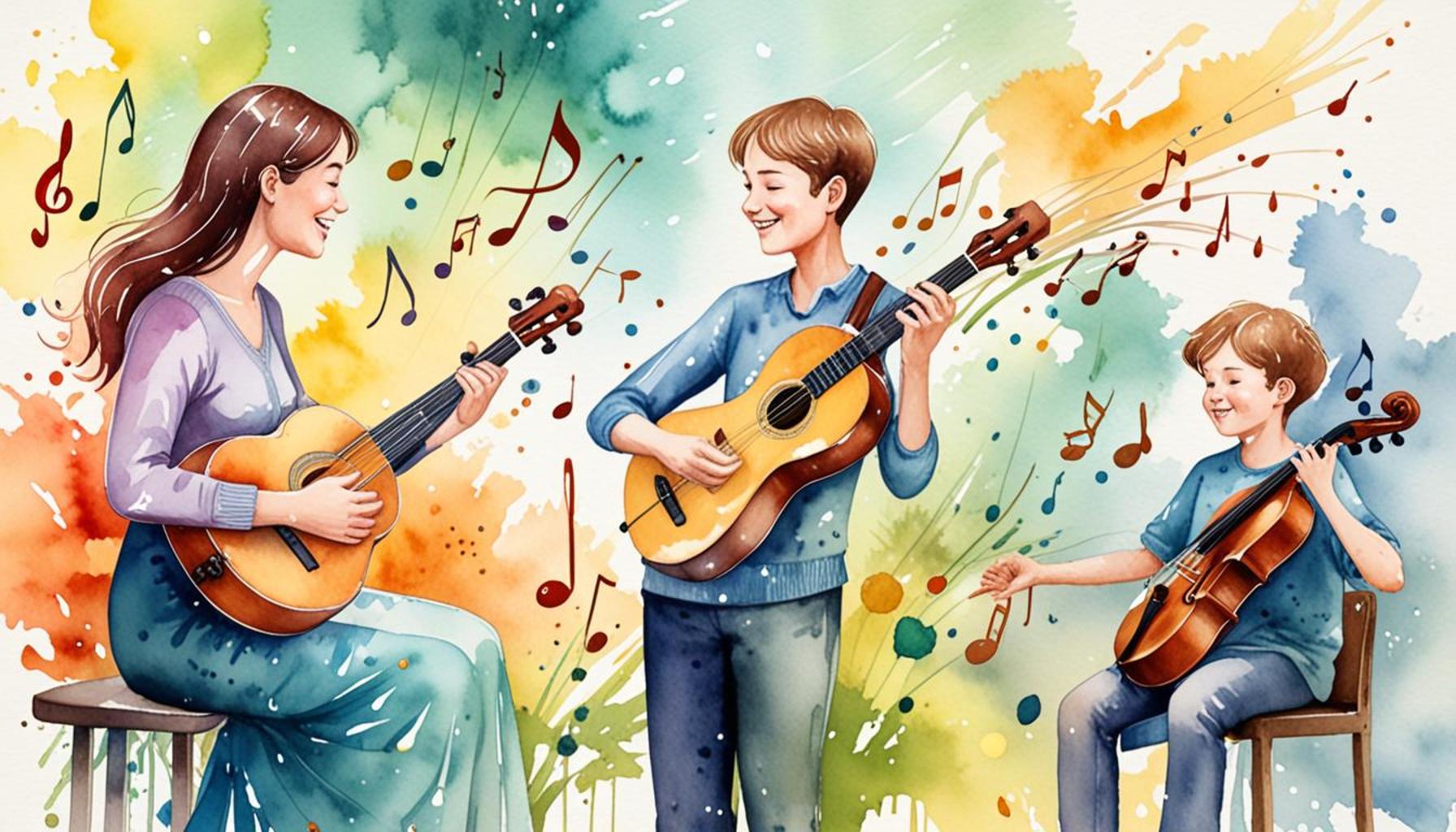
In today’s fast-paced world, families often struggle to connect amid distractions. With the increasing pull of technology, from smartphones to streaming services, creating meaningful family interactions can be a challenge. One intriguing solution that stands out is family music practice, which not only fosters unity but also enhances communication among its members. Engaging in music together allows family members to bond through shared experiences, creating cherished memories that often last a lifetime.
Consider the numerous benefits of incorporating music into family life:
- Boosts Emotional Connection: Participating in musical activities generates shared joy and excitement. For instance, when families come together for a sing-along, they not only relive favorite memories associated with the songs but also create new ones. Imagine a Saturday evening where everyone contributes their favorite songs; these joyous moments can turn into family traditions that are looked forward to year after year.
- Improves Communication Skills: Music naturally encourages individuals to express their feelings and emotions. In a family setting, this can translate to better verbal communication. When children and parents engage in rhythm games or improvisational jam sessions, they learn to listen actively and understand nuances in each other’s expressions, both musical and emotional.
- Fosters Teamwork: Collaborating on music can significantly enhance a family’s sense of unity. For instance, if a family decides to perform a song at a birthday party, they must work together to learn the lyrics, harmonize, and decide on roles, fostering collaboration. This teamwork not only strengthens bonds but also builds trust among family members.
Whether it’s playing instruments, singing beloved melodies, or even engaging in a lively dance-off, each of these activities has the potential to deepen familial connections. Research indicates that families who practice music together often experience improved relationships, enhanced patience, and enhanced conflict resolution skills—skills essential for navigating family dynamics.
Moreover, as families experiment with diverse musical styles, from country and jazz to pop and classical, they create a rich cultural environment that nurtures creativity. This diversity keeps the practice exciting, ensuring everyone can showcase their unique talents while also learning from one another’s musical strengths.
This article will delve into how making music together can truly transform family dynamics, enriching the fabric of your household. Join us on this journey to explore how melody and harmony can cultivate a harmonious home life filled with joy, laughter, and lasting connections.

DISCOVER MORE: Click here to dive deeper into artistic expression
Music as a Bridge for Communication
Engaging in family music practice is far more than just a fun activity; it acts as a powerful tool for enhancing communication within the family unit. When members of a household come together to create music, they enter a realm where verbal complexities diminish and a deeper form of understanding can develop. Studies indicate that families who make music together often exhibit enhanced communication skills that reflect positively in non-musical contexts as well. This phenomenon occurs because music inherently requires individuals to listen, respond, and collaborate, fostering essential communication dynamics.
One of the primary ways music helps improve communication is through the practice of active listening. In a musical setting, each member must pay attention to the contributions of others, whether it’s during a jam session, a rehearsal, or even a simple sing-along. This active engagement enables family members to become more attuned to one another’s feelings, helping to build empathy and understanding. A child singing a line of a song while a parent accompanies them on an instrument not only solidifies musical harmonies but also metaphorically reinforces the harmony between their emotions—their voices joining together in a shared experience.
Moreover, singing together or playing instruments encourages families to express their feelings openly. Different musical styles evoke various emotions, allowing family members to explore their feelings in a creative and safe environment. For instance, a fast-paced pop song might inspire excitement and joy, while a heartfelt ballad can open avenues for emotional vulnerability. Through these experiences, families can have discussions about the messages in the songs they enjoy, thus bridging gaps in communication that might otherwise remain unaddressed.
Creating a Non-Threatening Environment
A significant aspect of why family music practice can enhance communication lies in the non-threatening atmosphere it creates. Unlike typical family discussions that can sometimes lead to misunderstandings or arguments, making music provides a shared goal devoid of pressure. When families focus on rhythm and melody, they can express themselves without fear of judgment, allowing difficult topics to surface more naturally. This relaxed environment encourages open dialogue, setting a precedent for better communication habits outside music practice.
Here are some ways family music practice can create a richer communication environment:
- Encouraging Sharing: Family members often bring their favorite songs or musical influences to practice, inviting discussions about their personal tastes and stories behind their selections.
- Fostering Respect: By playing or singing together, family members learn to respect each other’s contributions, even if the musical styles differ, promoting acceptance of diverse opinions.
- Building Trust: Regular participation reinforces a sense of belonging and trust, enabling family members to share their thoughts and feelings more freely over time.
As families explore various musical genres and activities, they inevitably cultivate skills that extend far beyond the realm of music. Enhanced communication and emotional transparency create a more cohesive familial unit, laying the groundwork for stronger relationships that can withstand life’s inevitable challenges.
| Category | Benefits |
|---|---|
| Enhanced Emotional Connectivity | Participating in music practice creates shared moments that foster deep emotional ties. |
| Improved Communication Skills | Family music sessions encourage verbal and non-verbal cues, which boosts overall understanding. |
When families come together for music practice, they embark on a journey that is not merely about creating sound; it is about crafting a cohesive bond that nurtures interpersonal skills. For instance, working together on a simple song allows for both *listening* and *expressing* opinions about the music or the rhythm. This process can enhance each member’s comfort in sharing their ideas, leading to *open dialogues* that stretch beyond music. Moreover, the repetitive nature of practicing certain musical pieces encourages patience and resilience, qualities essential not only in music but also in *daily interactions*. Families often find themselves laughing through mistakes or cheering each other on during performances, thus building a stronger sense of teamwork and mutual respect, qualities vital in any household dynamic. Engaging in these collaborative sessions helps to lay the foundation for a healthy familial structure where *love and understanding* thrive.
DIVE DEEPER: Click here to discover the art of upcycling
Strengthening Emotional Connections Through Music
Beyond the realm of communication, family music practice significantly contributes to strengthening emotional connections. The act of making music together serves as a catalyst for emotional bonding, providing unique opportunities for families to share experiences, celebrate achievements, and navigate challenges collectively. When a family engages in musical activities, they are not merely playing notes; they are creating memories that can last a lifetime.
Participation in music practice often fosters a sense of accomplishment. For example, a family learning a new song together will experience a shared journey from initial struggles to eventual success, enhancing their emotional bond. According to research from the University of Oxford, collaborative musical experiences can lead to increased feelings of happiness and satisfaction, creating emotional highs that strengthen family ties. This shared sense of accomplishment can cascade into greater interactions in everyday life, influencing how family members support each other during both good and challenging times.
Creating Rituals and Traditions
Family music practice can also pave the way for establishing meaningful traditions and rituals, which contribute to a family’s identity and cohesion. These shared practices can be as simple as Saturday night karaoke or an annual family talent show. Such traditions not only enrich family life but also create common ground for discussions on topics like personal growth, aspirations, and even shared struggles. Rituals centered around music can become treasured memories that families look forward to, reinforcing a sense of unity.
- Bonding Through Music Genres: Exploring different musical genres can serve as a delightful way to bridge gaps in generational divides, introducing younger members to the classics while older generations discover the latest hits. These exchanges foster conversations about cultural relevance and personal preference, creating a deeper understanding between family members.
- Family Music Challenges: Initiating friendly competitions, like who can play an instrument the best or write an original song, can elevate the bonding experience. These challenges cultivate a sense of teamwork and collaboration while still allowing room for individual expression, essential components of effective communication.
- Emotional Release: Music can serve as an emotional outlet for families. During times of stress or sadness, playing calming music or singing together can help family members navigate their feelings in a supportive environment. This emotional release can strengthen family bonds as members witness and support one another through difficult times.
Incorporating music into family life doesn’t have to be strictly about performance. Family music practice can be a way to simply unwind, share laughter, and engage in playful expressions of creativity. When families prioritize making music together, they create a rich tapestry of interactions that significantly enhance not only communication but also emotional depth and understanding.
Music as a Learning Tool
Furthermore, music can serve as an effective learning tool, integrating lessons in rhythm, timing, and even literacy through lyrics. Families can leverage this educational aspect to help younger family members improve their academic skills while promoting family unity. For instance, parents can engage their children with educational songs that explore various subjects, from math to history, reinforcing learning in a relaxed atmosphere. This method of teaching allows families to communicate important concepts in an engaging manner, promoting a culture of learning and support within the home.
Ultimately, the act of making music together illustrates not only a shared love for art but also acts as a profound means of enhancing family connections. By immersing themselves in the world of music, family members can create a nurturing space that fosters communication, emotional bonding, and lifelong memories.
DISCOVER MORE: Click here to explore your personalized style
Conclusion
As explored throughout this article, engaging in family music practice is a dynamic and enriching activity that goes beyond traditional forms of entertainment. It serves as a powerful tool for strengthening bonds and enhancing communication among family members. Through shared experiences in making music, families not only create lasting memories but also cultivate emotional connections that foster trust and understanding.
The emotional highs of practicing music together encourage families to connect in ways that are both profound and memorable. By establishing rituals and traditions around music—whether through weekly jam sessions or annual talent shows—families develop a sense of identity and belonging that is essential for unity. This sense of community is reinforced through friendly competitions and collaborative efforts, allowing each member to express themselves while learning to communicate more effectively.
Furthermore, the educational aspects of music can serve as additional layers to family bonding. By leveraging music as a learning tool, parents can actively engage with their children’s academic development in a fun, relaxed environment. This not only makes learning enjoyable but also fortifies the familial support system.
In conclusion, prioritizing family music practice can transform interactions, making them richer and more meaningful. As families come together to explore the world of music, they create a unique atmosphere that promotes cooperation, understanding, and emotional strength. Embracing this form of expression can pave the way for stronger connections, improved communication, and a happier family life. It’s time for families to tune in to the remarkable benefits that music can bring to their relationships.