How Group Singing Practice Can Strengthen Community and Create Social Bonds
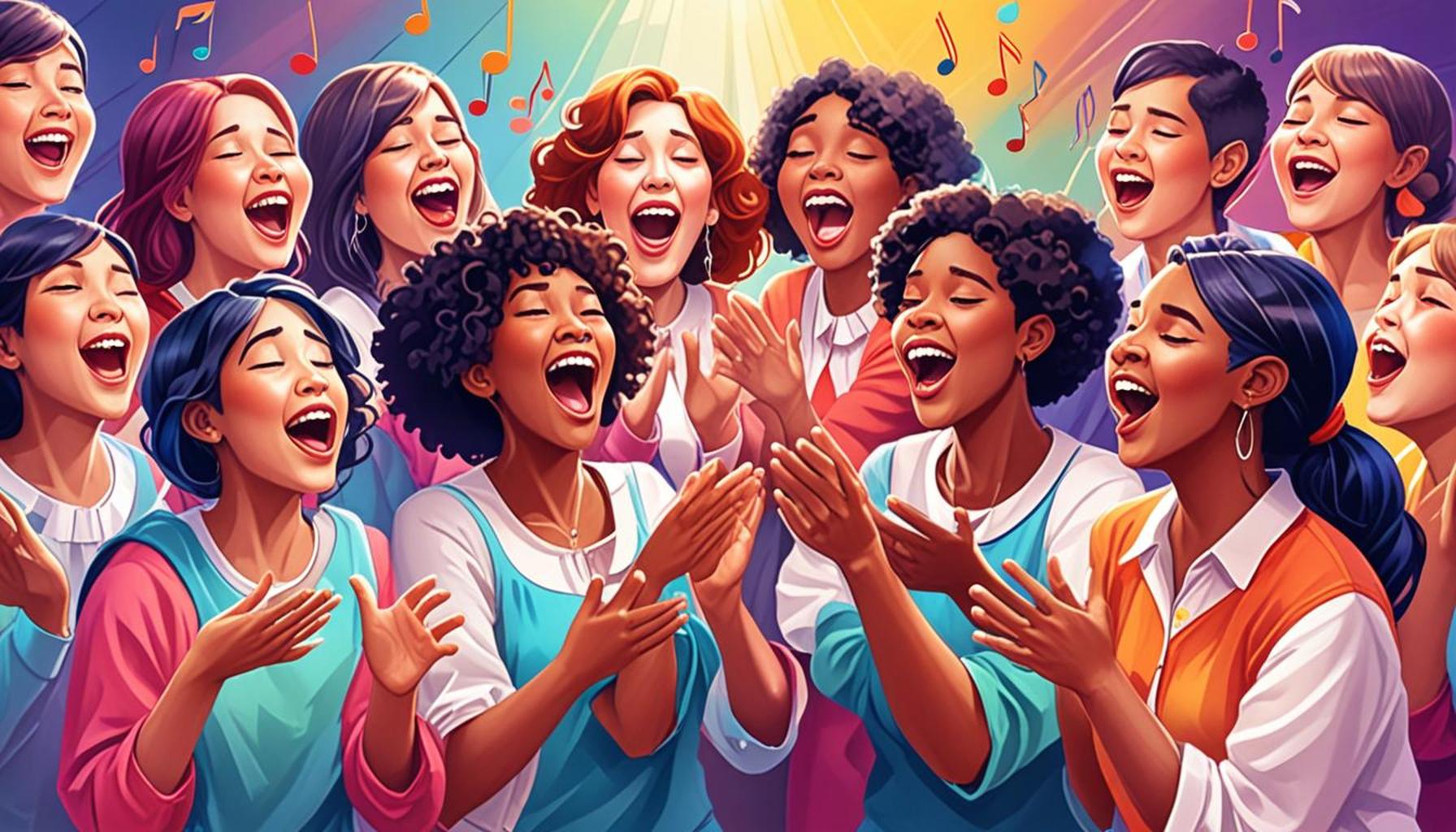
Exploring the Benefits of Group Singing
Group singing is more than just a collaborative performance; it is an enriching social experience that taps into shared human emotions. When individuals come together to sing, they are not simply blending their voices; they are intertwining their lives. This communal activity cultivates a profound sense of community spirit and strengthens social bonds among participants, leading to a variety of personal and collective benefits that extend well beyond the act of singing itself.
One of the most significant impacts of group singing is its ability to foster an emotional connection among participants. Imagine a group of people gathered around a campfire, their voices rising in harmony as they sing classic folk songs. This shared experience promotes a feeling of belonging that is essential to our emotional well-being. Research from Oxford University highlights that choirs and singing groups often serve as support networks. Members find solace and camaraderie, providing them with a secure space to express their vulnerabilities and celebrate their triumphs.
Enhancing Communication and Collaboration
In addition to emotional connections, group singing emphasizes the importance of collaboration. Participants must listen to one another, synchronize their efforts, and create a unified sound, which helps enhance interpersonal skills. The act of singing in harmony requires individuals to communicate effectively, fostering an atmosphere of teamwork. For example, community choirs often consist of diverse members ranging from seasoned vocalists to beginners; this mix encourages mentorship and strengthens relationships among singers, demonstrating that learning and growing together can be achieved regardless of individual skill levels.
Cultural Growth and Exchange
Furthermore, group singing provides a platform for cultural exchange. Various musical traditions can be explored through group performances, from gospel choirs celebrating Black heritage to multicultural ensembles that draw from global sounds. This engagement not only enriches the musical experience but also enhances understanding and respect among different communities. Events like the annual Smithsonian Folk Life Festival in Washington, D.C. bring together diverse musical cultures, showcasing how song and dance reflect the vibrancy of communities across the nation.
Biologically, group singing holds therapeutic benefits as well. Studies indicate that singing together releases endorphins, creating a natural high that uplifts spirits. Additionally, it promotes the release of oxytocin, often referred to as the “bonding hormone.” This physiological response helps solidify connections and build resilience during challenging times, making it particularly vital for communities experiencing social or economic hardships.

Whether in a structured choir setting, like those found in schools or local community centers, or during spontaneous gatherings in parks, the power of collective singing is pervasive. It is this shared ritual that helps individuals transcend differences, bridging gaps across generations, cultures, and backgrounds. As you delve deeper into the world of group singing, consider how these vocal gatherings can be a catalyst for transformation, inspiring you to explore and participate in the vibrant tapestry of community life.
DISCOVER MORE: Click here to learn how music can elevate your confidence
The Impact of Group Singing on Community Engagement
Group singing is a vibrant thread that weaves together the fabric of community engagement and collective identity. When individuals sing together, they are engaging in a powerful social ritual that transcends ordinary communication. This communal practice serves as a channel for creativity and encourages participants to express shared values and experiences. In many neighborhoods across the United States, local singing groups and choirs act as hubs for cultural and social interaction, uniting people from varied backgrounds through the universal language of music.
Beyond emotional resonance, group singing actively contributes to the development of social capital. This term refers to the networks, norms, and trust that facilitate coordination and cooperation for mutual benefit. Communities with vibrant singing practices often have higher levels of trust among members, leading to increased collaboration and communal activities. For instance, local singer-songwriter circles and community choirs can foster relationships that result in charity events, festivals, and even local activism initiatives. These gatherings can serve as incubators for creativity and collaboration that benefit the community at large.
Building Resilience through Shared Experiences
Furthermore, group singing can play a critical role in enhancing resilience among community members. In times of hardship or crisis, such as during natural disasters or economic downturns, people often turn to communal activities to cope with stress and uncertainty. Singing together creates a sense of belonging and shared purpose, which can be pivotal in helping communities recover and rebuild. Community singing initiatives, especially in schools and recovery centers, have shown promising results in nurturing psychological well-being and strengthening social ties. Here are some key outcomes that illustrate how group singing contributes to community resilience:
- Emotional Support: Participants provide comfort to one another, creating a safety net during challenging times.
- Collective Identity: Cohesiveness grows as members find strength in their shared commitment to each other and their music.
- Empowerment: Engaging in group singing helps individuals discover their voices, leading to increased confidence and assertiveness.
The beauty of group singing lies in its simplicity and accessibility—almost anyone can participate, regardless of skill level. Programs such as “Singing for Social Change” have shown how inclusive group singing can not only enhance individual well-being but also address important community issues, promoting dialogue related to social justice and unity.
As we explore the significance of group singing in fostering social bonds, it becomes increasingly clear that these vocal connections extend beyond mere harmony. They are pivotal to cultivating a sense of belonging and community resilience, highlighting the importance of collective creativity in addressing the challenges of modern life. Engaging in group singing, whether in organized settings or informal gatherings, can become a key component in the quest for stronger, more connected communities.
| Advantage | Details |
|---|---|
| Enhanced Communication | Group singing fosters interaction and encourages participants to express themselves, enhancing community dialogue. |
| Strengthened Trust | Working together in harmony builds a foundation of trust, essential for deepening social bonds within communities. |
The act of coming together to sing as a group can significantly enhance communication among participants. When individuals unite in song, they exchange ideas and emotions, creating a platform for interaction that may not otherwise occur. This enhanced communication goes beyond mere words. Through shared musical experiences, individuals articulate their feelings and ideas more spontaneously, allowing for more genuine conversations and connections to form.Equally important is the way group singing fosters trust. Trust is a critical component of any strong community, and participating in collective musical practices lays the groundwork for deepening those social bonds. As individuals learn to listen to one another while singing, they naturally develop a sense of empathy and understanding, enriching their relationships and the overall fabric of the community. This shared experience can act as a catalyst for collaboration, making it easier for individuals to work together and support one another in various communal activities. By regularly participating in group singing, communities not only create joyful moments but also reinforce the essential elements of communication and trust that are vital for their prosperity.
DISCOVER MORE: Click here to unlock the secrets
The Role of Music in Fostering Social Connections
Music, particularly group singing, is often regarded as one of the most powerful tools for building social connections within communities. When individuals engage in this shared musical experience, they not only harmonize their voices but also forge deeper connections with one another. The act of singing is innately social; it requires collaboration, synchronization, and an intrinsic understanding of one another’s rhythms—both musically and socially.
Research has indicated that singing together releases oxytocin, often referred to as the “bonding hormone.” This neurochemical plays a significant role in creating feelings of trust and intimacy among participants. A study conducted by the University of Oxford demonstrated that groups who sing together tend to exhibit improved group cohesion and empathy for one another. This is evident in local choirs, where members come from diverse backgrounds yet unite over a shared love for music. The interpersonal bonds formed through these shared experiences strengthen relationships, leading to wider community networks.
Creating Safe Spaces for Diversity and Inclusion
Group singing also serves as a crucial platform for promoting diversity and inclusion. By welcoming individuals from different backgrounds, ages, and cultures, singing groups foster an environment where everyone can express themselves without fear of judgment. Such inclusive environments can be found in various community settings, from churches and schools to senior centers and cultural organizations. For example, programs like “Singing in the Key of Life” facilitate intergenerational singing, combining the voices of young and old to not only bridge generational gaps but also create a rich tapestry of musical expression.
The results of these inclusive gatherings can be seen in numerous community enrichment projects, such as multicultural festivals that champion the diverse musical styles of different populations. Further, initiatives like “Sing for Change” leverage the power of singing collaborations to address social issues ranging from mental health awareness to immigrant rights. By singing together, communities not only share their cultural narratives but also forge alliances to promote social justice.
The Accessibility of Group Singing
One of the most enchanting features of group singing is its accessibility. Unlike many recreational activities, group singing requires little more than a passion for music and a willingness to participate. This opens doors for individuals who may feel isolated or disconnected. Various organizations across the United States, such as the “Community Choir Movement,” aim to create environments where individuals of all skill levels can come together to sing, allowing for a rich exchange of ideas and experiences.
As a result, many participants discover a renewed sense of purpose and belonging, as they become integral parts of a collective voice. Local initiatives, such as the “Singing Soldiers” program, highlight how veterans utilize group singing to bond over shared experiences, demonstrating the unique ability of music to break barriers and foster community ties in even the most challenging circumstances.
In light of these dynamics, it is evident that group singing not only serves as an enjoyable pastime but also acts as a catalyst for enhanced social bonds. By enabling authentic connections and fostering inclusivity through music, community members are empowered to create and sustain vibrant social networks that enrich their collective existence.
DISCOVER MORE: Click here to delve deeper
Conclusion: The Harmonious Impact of Group Singing
In conclusion, group singing emerges as a powerful medium for strengthening community ties and fostering deeper social bonds among individuals. Through shared musical experiences, participants transcend personal barriers, resulting in enriched relationships and a profound sense of belonging. As highlighted throughout this discussion, the act of singing together not only triggers the release of oxytocin, promoting feelings of trust and intimacy, but also encourages empathy and collaboration among diverse groups.
The accessibility of group singing further contributes to its appeal, inviting everyone—from children to seniors—into a welcoming communal space where expressions of creativity flourish. Programs designed to nurture inclusivity, such as intergenerational choirs and initiatives aimed at addressing social issues, exemplify the unique ability of music to unite people from diverse backgrounds. As communities leverage the power of song to foster social justice and enhance cultural understanding, they can create a rich tapestry of shared experiences that celebrate individuality while cultivating collective unity.
Ultimately, group singing serves not only as a delightful pastime but as a vital catalyst for community engagement. As individuals harmonize their voices, they also harmonize their lives, creating echoes of connection that resonate far beyond the choir room. The something special that happens when we sing together is an invitation for all to explore the power of music as a bridge—a pathway to understanding, acceptance, and communal strength.