How Memory Palaces Can Enhance Cognitive Skills Through Visualization Techniques
Understanding Memory Palaces for Enhanced Retention
Have you ever struggled to remember important information, like names, dates, or complex concepts? If so, you’re not alone. Many people face challenges with memory retention and information recall, leading to frustration in both personal and professional settings. However, there is hope in the form of innovative memory techniques.
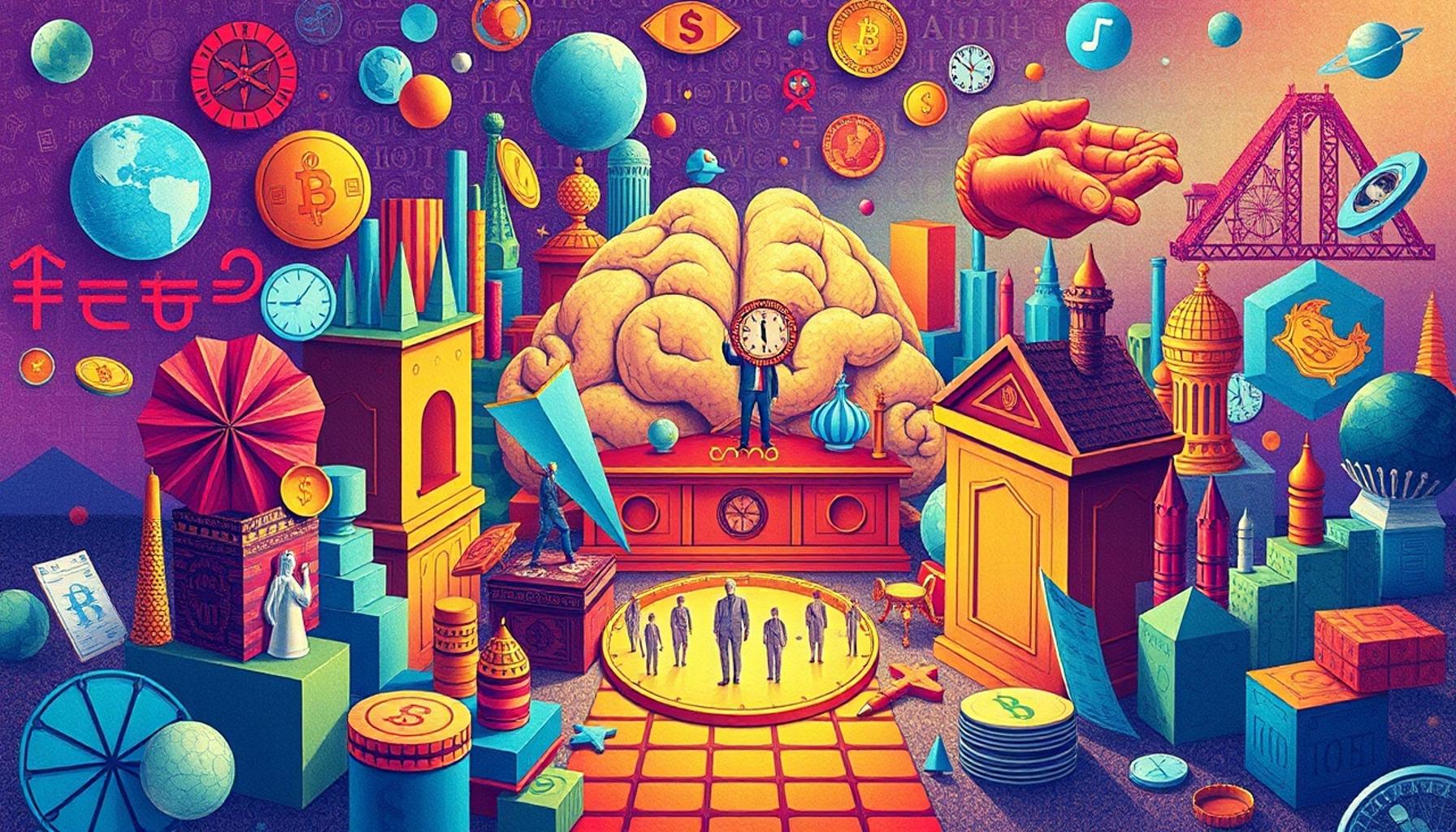
One effective method gaining popularity is the use of memory palaces. This mnemonic device is based on the ancient art of memory, leveraging the mind’s spatial memory to allow individuals to visualize and organize information more effectively. The concept originates from the Roman orator Simonides of Ceos, who discovered that by associating pieces of information with specific locations in a familiar setting, he could recall items with remarkable accuracy.
Key benefits of utilizing memory palaces include:
- Enhanced Memory Recall: By associating information with familiar locations, you create a mental network that aids in retrieval. For instance, if you’re trying to remember a grocery list, you might mentally place apples in your living room, bananas on the couch, and milk in the kitchen. This spatial association makes it easier to remember your items as you mentally walk through your home.
- Improved Cognitive Skills: Engaging visualization techniques can boost overall mental agility. Studies show that individuals who practice memory techniques like the memory palace exhibit increases in spatial awareness and cognitive dexterity, skills that are valuable in everyday problem-solving.
- Increased Engagement: Making learning an interactive and imaginative experience can lead to deeper understanding and retention. Using memory palaces transforms mundane memorization into an exciting journey through imaginative landscapes, keeping the mind intrigued and activated.
Memory palaces have been used for centuries by scholars, orators, and memory champions, showcasing their effectiveness in enhancing cognitive skills. For example, renowned memory expert Dominic O’Brien has utilized this technique to win multiple memory championships, illustrating the capacity of this method to bolster mental capabilities.
Prepare to discover how creating a mental landscape of memorable locations can bolster your memory and expand your cognitive capabilities. By dedicating time to structure your personal memory palace, you can make profound strides in your retention and learning abilities. Whether you’re a student looking to ace exams, a busy professional filled with meetings and deadlines, or simply a curious learner eager to enhance your knowledge, the potential of memory palaces is boundless. Consider exploring this fascinating tool to unlock a brighter, more efficient way to navigate the complexities of information in today’s fast-paced world.
DISCOVER MORE: Click here to uncover the power of mind games
Unlocking the Power of Visualization in Cognitive Development
The art of creating a memory palace is not merely a nostalgic technique; it’s an innovative cognitive strategy reshaping how we think about memory and learning. Rooted in the principles of visualization, memory palaces allow individuals to harness their innate ability to recall information through powerful imagery and fresh associations. This technique is particularly potent for those looking to sharpen their cognitive skills—whether students preparing for exams or professionals tasked with retaining vast amounts of information in a competitive environment.
The essence of a memory palace lies in its structure—a mental representation of a physical space, often drawn from a familiar place such as your home, school, or neighborhood. By populating this imaginary space with items or concepts you wish to remember, you convert abstract information into tangible visuals. As you mentally traverse your palace, the spatial and contextual cues prompt your memory, triggering associations that enhance recall. But how does this translate into improved cognitive skills?
- Strengthened Logical Connections: When you associate new information with known locations, you’re effectively weaving a network of interconnected thoughts. This strengthens neural pathways in the brain, boosting your ability to draw logical conclusions and reason through complex scenarios.
- Greater Spatial Awareness: Engaging with memory palaces enhances your spatial cognition. Research indicates that those who utilize these techniques often exhibit an improved understanding of spatial relationships, which is crucial in various fields such as architecture, engineering, and geography.
- Increased Creativity: Beyond mere recall, creating a memory palace sparks your imagination. The process of visualizing unique scenarios invites creativity into your learning, enhancing problem-solving skills and fostering innovative thinking.
Studies exploring the benefits of visualization techniques indicate that individuals who employ memory palaces not only experience heightened retention of facts but also display outstanding improvements in overall cognitive function. For example, a 2019 study published in the journal Memory showed that participants using visualization strategies significantly outperformed those relying on traditional memorization methods. The researchers noted that the participants’ ability to recall information under varying conditions demonstrated the versatility and effectiveness of the memory palace method.
As learners of all ages in the United States seek more efficient ways to navigate a rapidly changing world brimming with information, the significance of memory palaces becomes increasingly evident. This technique stands poised to revolutionize personal and academic growth by allowing individuals to transform their understanding and retention of knowledge. By integrating visualization techniques into daily learning practices, students and professionals alike can unlock their potential and enhance their cognitive abilities in ways previously thought unattainable.
| Advantage | Description |
|---|---|
| Enhanced Memory Retention | Utilizing a memory palace, individuals can significantly boost their ability to retain information by associating memories with specific physical locations. |
| Improved Recall Speed | The structured visualization techniques promote quicker recall due to the organized pathways in the mind, facilitating faster access to stored information. |
Memory palaces, a technique rooted in ancient methodologies, have emerged as powerful tools in modern cognitive enhancement. By establishing a vivid mental framework, practitioners can craft an environment where their brain can thrive in memory performance. This method not only aids in boosting memory retention but also enhances the speed at which this information is recalled, presenting a compelling reason to explore visualization techniques.Incorporating these techniques can transform how individuals manage their cognitive skills. From students aiming to optimize their study sessions to professionals desiring to sharpen their memory for presentations and speeches, the benefits are vast and varied. The power of visualization through memory palaces fuels the brain’s inherent capabilities and opens up new avenues for intellectual exploration.Memory palaces incorporate visual imagery to forge unique connections, allowing the brain to grasp complex concepts with remarkable efficiency. The visual aspect acts as a ‘hook’ for the information being learned, reinforcing the linkage between data and place in a way that traditional rote memorization simply cannot achieve. As the mind stitches together these bright tapestries of information, it engages actively, making the learning process both enjoyable and deeply effective.By diving into this captivating study of memory enhancement, readers can unlock their cognitive potential, providing them with an enriching and fulfilling learning experience. They will find engaging opportunities to develop their skills further, embracing new methods with curiosity and enthusiasm. Embrace the journey to mental clarity and heightened cognitive functions that memory palaces have to offer.
DIVE DEEPER: Click here to discover more
Enhancing Learning Through Personalized Memory Techniques
The beauty of the memory palace technique lies in its adaptability. Each individual has unique learning preferences, and memory palaces can be designed to cater to these specific styles, making the learning experience more personalized and efficient. For visual learners, constructing memory palaces filled with vibrant colors and dynamic imagery can facilitate a deeper connection to the material. Conversely, auditory learners might enhance their memory palaces with sounds or rhythms tied to the information they want to retain, creating an auditory landscape within their mental architecture.
Furthermore, the utility of memory palaces extends beyond mere academic retention. They can significantly benefit professionals in various sectors. For instance, a sales manager could visualize their memory palace filled with product details, competitor statistics, and client relationships. Each room of the palace might represent a particular product line, with vivid images representing key features and selling points. This technique empowers them to access crucial information quickly during client meetings, increasing their confidence and effectiveness.
- Multi-Disciplinary Applications: Memory palaces are not confined to one area of study. They are beneficial across diverse fields such as medicine, law, and languages. A medical student might use a memory palace to categorize anatomy lessons, while a law student could visualize courtroom strategies or case precedents in an organized mental structure.
- Stress Reduction: The use of memory palaces can also lead to reduced anxiety during high-stakes situations. By mentally rehearsing important information in familiar, safe spaces, individuals may feel calmer and more prepared when delivering presentations or exams. Creating these immersive environments affords an individual a sense of control over their learning process, which can greatly alleviate pressure.
- Technological Integration: In our ever-modernizing world, technology has begun to embrace the concept of memory palaces. There are applications designed to incorporate visual and auditory stimuli into the learning process, simulating a digital memory palace where users can interact with their materials in innovative ways. For example, users can upload images, sounds, or texts that represent data they wish to remember, creating a multi-sensory experience that enhances cognition.
Research continues to validate the effectiveness of memory palaces in enhancing cognitive skills. A study published by the National Center for Biotechnology Information found that participants engaged in memory techniques like memory palaces demonstrated not only improved recall but also augmented processing speed and comprehension abilities. These findings underline that the benefits of visualization techniques can be profound, affecting various cognitive domains.
For U.S. educators and learners alike, incorporating memory palaces into study regimens serves as a bridge between theory and practice, marrying creativity with systematic learning. By actively engaging in this technique, students cultivate a more profound mastery of their subjects while developing skills that extend far beyond the classroom. Notably, these methods can facilitate lifelong learning, equipping individuals with strategies to adapt and thrive in an evolving landscape filled with information overload.
DIVE DEEPER: Click here to discover more insights
Conclusion: Unleashing the Potential of Memory Palaces
As the exploration of memory palaces reveals, visualization techniques stand at the forefront of enhancing cognitive skills in today’s fast-paced, information-rich environment. This ancient method of mental organization offers a versatile framework that adapts to diverse learning styles, enabling individuals—from students to professionals—to unlock their full cognitive potential. Not only does the memory palace technique foster improved retention and recall of information, but it also promotes quick access to vital knowledge under pressure, ultimately boosting confidence and performance.
The cross-disciplinary applications of memory palaces demonstrate their utility across various sectors, be it in academics, healthcare, law, or business. By integrating personalized elements into a mental structure, users can create an effective and sustainable learning tool that evolves with them. Furthermore, recent advances in technology have provided avenues for enhancing memory palaces with digital tools, adding layers of interactivity that cater to modern learners.
Incorporating memory palaces into everyday learning strategies can transform how individuals engage with information. Research underscores the cognitive benefits experienced by those who practice such techniques, signaling the importance of adopting innovative approaches in educational systems. As educators and learners in the U.S. acknowledge the future of learning, the memory palace technique holds significant promise as a vital strategy for lifelong education. Cultivating this method could not only make the acquisition of knowledge more efficient but also instill a sense of mastery and autonomy over one’s personal learning journey.
Related posts:
Exploring the Role of Brain Teasers in Developing Critical Thinking Skills
Unlocking Creativity with Brain Teasers: The Role of Divergent Thinking
Exploring the Role of Video Games in Developing Spatial Awareness and Strategic Thinking
Memory Games and Their Influence on Cognitive Aging: A Lifelong Benefit
The Science of Pattern Recognition: How Logic Puzzles Sharpen Cognitive Skills
The Influence of Jigsaw Puzzles on Visual-Spatial Skills and Attention to Detail

Linda Carter is a writer and puzzle expert specializing in mind games, brain teasers, and cognitive challenges. With extensive experience helping individuals enhance their problem-solving skills and think critically, Linda shares her knowledge on our platform. Her goal is to empower readers with practical advice, engaging puzzles, and strategies to sharpen their minds and achieve success in the captivating world of mind games and puzzles.