How Music Can Stimulate Collaboration in Creative and Artistic Groups
The Transformative Role of Music in Creative Collaboration
Music is a powerful influence that transcends mere entertainment; it acts as a catalyst for connection and creativity in collaborative environments. By tapping into the unifying nature of music, teams can significantly enhance their ability to innovate and work together cohesively. This exploration of music’s impact on teamwork provides insight into how tapping into this auditory medium can elevate overall productivity and creativity within various artistic fields.
Dynamics That Enhance Teamwork
When individuals engage in a musical experience—whether listening to a shared playlist or creating music together—several dynamics emerge that foster collaboration:
- Emotional Connection: Music has a unique ability to evoke emotions, enabling team members to develop a deeper sense of rapport. For instance, a shared love for a particular genre or artist can serve as an icebreaker, helping members feel more comfortable expressing their ideas and creativity.
- Breaking Barriers: The collaborative nature of music allows hierarchies to dissolve within a team, fostering an environment where everyone feels equal and encouraged to contribute. In workplaces, such as tech startups or design firms, playing music during meetings can level the playing field, inviting even the quietest voices to share their thoughts.
- Increased Engagement: Research shows that background music can elevate focus and productivity, particularly during brainstorming sessions. For example, a study published in the Journal of Consumer Research highlights that teams exposed to upbeat music often report higher creativity levels than those who work in silence.
Research Backing Musical Influence
Various studies support the observation that musical environments foster collaboration. In creative spaces such as art studios or design teams, music plays a multifaceted role:
- Enhance Creativity: Music encourages out-of-the-box thinking, paving the way for innovative ideas. For instance, commercials or movies often incorporate specific soundtracks to elicit the desired emotional response, guiding creative directions.
- Strengthen Team Bonds: Shared musical experiences, such as singing together during a team-building retreat or creating a group playlist, can cultivate lasting connections. These shared moments become shared memories, enriching workplace culture.
- Stimulate Inspiration: Music has the power to trigger fresh perspectives on projects. For instance, designers may find that certain genres inspire unique design concepts, leading to breakthrough ideas that might not have emerged otherwise.
This exploration into the synergy between music and collaboration reveals profound implications for artistic groups, businesses, and beyond. Understanding how to harness this dynamic can revolutionize the creative process, whether in the context of a band, a theatre troupe, or a corporate design team. As teams experiment with integrating music into their workflow, the possibilities for innovation and enhanced collaboration are vast and worthy of investigation.
DISCOVER MORE: Click here to learn about artistic expressions and cultural identity
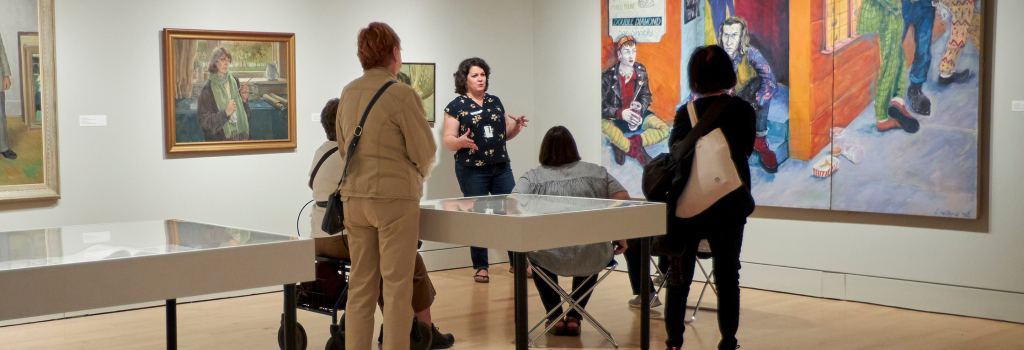
Intertwining Music with the Creative Process
In the realm of artistic collaboration, music serves not only as a backdrop but also as a dynamic instrument that can transform group interactions. Creative teams often find inspiration in unconventional sources, and music can incite a powerful shift in group dynamics, enabling them to unlock new ideas and possibilities. Several key aspects illustrate how music can stimulate this collaboration:
- Setting the Mood: The right playlist can significantly alter a team’s atmosphere. For instance, industries that thrive on innovation, such as film and video game development, often curate specific soundtracks tailored to evoke particular moods that align with their creative goals. By choosing music that matches the energy of a brainstorming session, teams can energize their pursuits and maintain high engagement levels.
- Promoting Openness: Engaging with music creates an informal environment where members feel at ease. Implementing a “music break” during lengthy meetings allows individuals to relax and recharge, fostering a sense of camaraderie. Groups such as theatre troupes have long recognized the benefit of warm-up exercises accompanied by music to ease tensions before creative collaboration, resulting in better cohesion.
- Encouraging Diverse Perspectives: In artistic settings, musical diversity is a blend of styles that mirrors creativity’s multifaceted nature. Teams with varied musical preferences can draw from a rich pool of influences and ideas. Research indicates that cross-disciplinary collaborations that invoke music from different cultures can lead to groundbreaking results, as seen in progressive art installations or multicultural community projects.
Moreover, music is not merely a supportive element; it can actively drive creativity. When a team listens to thematic scores while conceptualizing ideas, it can lead to remarkable breakthroughs. The visual arts, for example, frequently incorporate sound to enhance inspiration during the creative process, facilitating deeper emotional connections to their work. Artists such as Banksy have expertly utilized music in conjunction with their visual projects to create an engaging cultural dialogue.
The Neuroscience of Music and Collaboration
Neuroscience sheds light on how music alters our brain functions, which can further explain its ability to enhance collaboration. Research indicates that music can lead to the release of neurotransmitters like dopamine, which foster motivation and positive moods. This biological response enables team members to share their ideas more freely and enthusiastically. Engaging with music, whether through listening or creation, can enhance cognitive flexibility, allowing individuals to approach problems from fresh angles.
Intriguingly, the impact of music on collaboration goes beyond individual benefits. When teams harness the collective energy that music inspires, they create a reinforcing cycle of collaboration. The shared experience of engaging with music can strengthen interpersonal relationships, encouraging trust and mutual respect—essential ingredients for fruitful collaboration. In essence, music transforms the collaborative environment into one that celebrates creativity while nurturing active participation.
In exploring the intersections between music and teamwork, it becomes evident that the strategic use of music can revolutionize collaborative practices across artistic and creative industries. Its benefits extend far beyond simply enhancing mood; they can reshape the very fabric of team dynamics and inspire groundbreaking innovations.
| Category | Details |
|---|---|
| Creativity Boost | Music facilitates a creative environment, enhancing innovative thinking among group members. |
| Social Bonding | Shared musical experiences encourage stronger connections and collective identity within groups. |
| Emotional Expression | Music serves as a medium for releasing emotions, leading to a better understanding among collaborators. |
| Conflict Resolution | Musical activities can ease tensions and facilitate open communication during disagreements. |
Music, often referred to as a universal language, holds the power to unite individuals in creative and artistic settings. The collaborative process is heightened when melodies resonate through the air, creating an atmosphere conducive to exploration and innovation. Furthermore, when group members interact through music, they experience enhanced emotional expression which fosters understanding and empathy. In essence, the collaborative dynamics of creative groups are significantly enriched by the integration of music, inviting participants to engage more deeply and meaningfully with their art. Exploring the role that music plays in sparking imagination and resolving conflicts can provide invaluable insights into the dynamics of teamwork in creative endeavors.
DISCOVER MORE: Click here to delve deeper
Maximizing Collaborative Potential Through Music
Incorporating music into collaborative environments can yield exponential benefits beyond mood enhancement and stress relief. When teams harness the power of sound, they can unlock a plethora of advantages that fundamentally reshape creative processes. This leads us to further understand how music can be a catalyst for sustained collaboration and heightened output.
- Facilitating Non-Verbal Communication: Music has a unique ability to transcend language barriers, allowing for a universality that can connect diverse team members. In group activities such as dance or physical art projects, musical rhythms can guide movements and interactions without the need for extensive verbal instructions. This non-verbal communication streamlines teamwork and can lead to a more effortless exchange of ideas. For example, modern dance troupes often rely on rhythm and beats to synchronize performances, reinforcing teamwork and enhancing artistic expression.
- Stimulating Brainstorming Sessions: Research shows that certain types of music can foster creative thinking—particularly music with a steady beat or soothing melodies. In high-energy brainstorming sessions, playing upbeat tunes can stimulate participants’ creativity, leading to a higher quantity of ideas in a shorter time frame. This technique is often applied in design thinking workshops, where teams are encouraged to generate and share ideas without self-censorship, supported by carefully chosen soundscapes that promote openness and exploration.
- Building Rituals and Norms: Teams can develop rituals around music that enhance collaboration and solidarity. By establishing specific songs for brainstorming, critical feedback sessions, or celebrating milestones, art groups can create shared experiences that strengthen their collective identity. For instance, some successful start-ups have been known to incorporate theme songs during team huddles, energizing participants and establishing cultural touchstones that reinforce collaboration.
The psychological impacts of participating in musical activities cannot be understated; studies reveal that involvement in music-making reduces anxiety and increases feelings of community. In creative groups, members often exhibit *heightened emotional intelligence*, which is crucial for effective collaboration. Playing instruments, singing in choirs, or engaging in group drumming sessions can foster a sense of belonging and shared purpose among team members. This connectedness translates directly into better workflow and collective problem-solving when facing artistic challenges.
The Role of Technology in Integrating Music
Technology plays a vital role in maximizing the integration of music into creative group dynamics. Various apps and platforms allow teams to curate collaborative playlists or use smart speakers to set the musical atmosphere during conferences and workshops. For instance, the use of Spotify’s collaborative playlists enables team members to contribute their favorite tracks, creating an inclusive and personalized music experience that everyone can relate to. This interactivity encourages every member to find common ground and contribute to the creative synergy.
Moreover, advancements such as virtual reality (VR) environments enable artists to experience music in immersive ways, stimulating creative thought processes even further. In VR collaboration platforms, artists can inhabit a shared space where visual art and music coexist, allowing them to interact and innovate in real-time, blurring traditional boundaries between different artistic mediums.
As creative teams continue to explore the multifaceted relationship between music and collaboration, it is evident that the synergy created through sound has the potential to deepen interpersonal connections, enhance productivity, and foster an environment brimming with inspiration, pushing the boundaries of artistic creation to new heights.
DISCOVER MORE: Click here to learn about innovative reuse techniques
Conclusion: Embracing Music for Enhanced Collaboration
In conclusion, the role of music in stimulating collaboration within creative and artistic groups cannot be overstated. It serves as a dynamic tool that fosters non-verbal communication, promotes innovative brainstorming, and cultivates a sense of community among team members. The psychological benefits of musical engagement—such as reduced anxiety and increased emotional intelligence—play a crucial role in building cohesive teams that thrive on collaboration.
As organizations seek to elevate their creative outputs, integrating music into their workflows is not just beneficial but essential. From establishing rituals and cultural touchstones to utilizing technology for collaborative musical experiences, the possibilities are vast. Platforms like Spotify and immersive environments such as VR can dramatically transform traditional teamwork into something far more dynamic and engaging.
Furthermore, as the landscape of collaborative art continues to evolve, understanding the profound connection between sound and creativity offers new perspectives on artistic expression. By embracing music, teams unlock potential not only for enhanced productivity but also for deeper interpersonal connections that resonate well beyond the workspace. Ultimately, the harmony created through music may be the key to redefining how we collaborate in the arts, encouraging us to explore, innovate, and push the boundaries of creativity together.