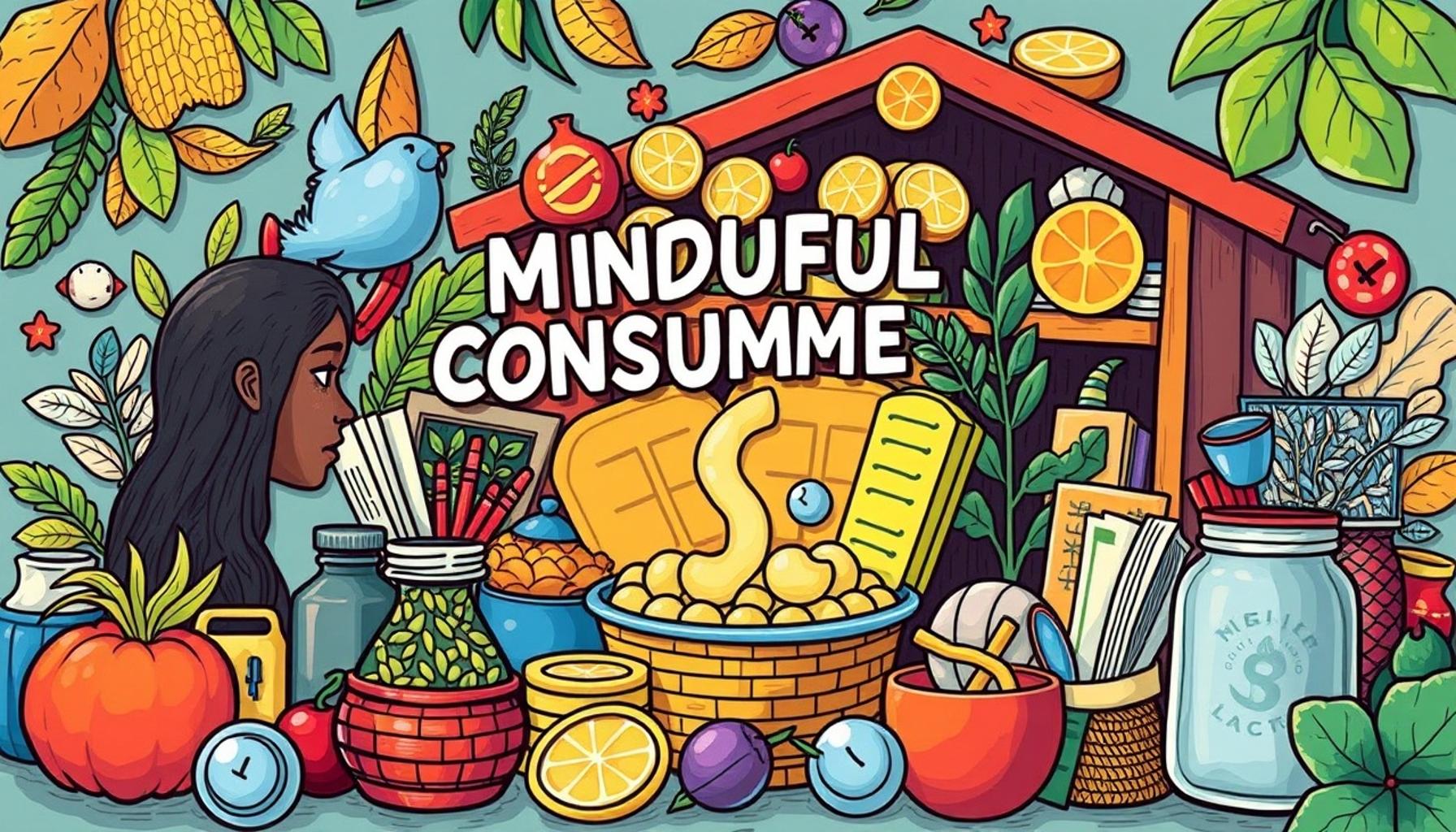
Mindful Consumption and the Art of Letting Go: Finding Freedom Through Minimalism

Understanding the Essence of Mindful Consumption
In our fast-paced society, where consumerism often dictates our choices, the practice of mindful consumption invites us to pause and reflect on the true essence of our belongings. Each item we own tells a unique story about our preferences, experiences, and, quite often, our aspirations. However, what if we could reshape these narratives into ones that reflect not just ownership, but a sense of freedom and intentionality? Embracing minimalism may serve as a powerful catalyst for fostering a fulfilling and liberated lifestyle.
Minimalism transcends the mere act of decluttering; it embodies a philosophy centered around intentionality in our choices. Here are some compelling aspects of mindful consumption that elucidate its importance:
- Clarity: Reducing clutter provides not only physical space but also mental clarity. Studies have shown that clutter can increase stress and anxiety, making it challenging to focus on tasks at hand. A streamlined environment creates peace of mind and allows for deeper contemplation.
- Focus: The fewer distractions we have, the easier it becomes to prioritize what genuinely matters. By honing in on core values and long-term goals, individuals can cut through the noise and channel their energy into what they find most fulfilling.
- Financial freedom: Practicing minimalism often involves a conscious decision to spend less on unnecessary items. This shift can yield significant savings over time, transforming the way we view money—from a tool for acquisition to a resource for investment in experiences and opportunities.
In recent years, many Americans have begun to recognize the emotional and psychological toll that an excess of possessions can take. The anxiety related to managing an accumulation of ‘stuff’ can become overwhelming, stifling personal growth and creativity. As we learn the art of letting go, we not only reclaim our physical space but also rediscover valuable time and energy that can be devoted to more meaningful pursuits.
For individuals prepared to embark on the minimalist journey, the rewards are substantial. Minimalism encourages a lifestyle shift where experiences, rather than material goods, take center stage. This leads to deeper interpersonal connections and a more vibrant existence, filled with enriching moments rather than fleeting satisfaction from possessions. Whether it’s spending quality time with loved ones, traveling, or pursuing hobbies, minimalism allows for a richer and more impactful life.
Join us as we delve deeper into the transformative power of mindful consumption and discover how adopting minimalism can pave the way to freedom and self-discovery. By reassessing our relationship with our possessions, we can unlock a more intentional, fulfilling lifestyle that resonates with our true desires and values.
DON’T MISS: Click here to discover how simplified living can transform your retirement
The Transformative Journey of Letting Go
As we dive into the realm of mindful consumption, it becomes increasingly evident that the act of letting go can pave the way for profound personal transformation. Letting go of unnecessary possessions does not simply equate to decluttering a physical space; it symbolizes a deeper psychological shift towards liberation. This process encourages individuals to confront their attachments and reassess their emotional investments, ultimately leading to a more peaceful and focused existence.
Embracing minimalism is a journey characterized by intentional decision-making. One of the fundamental aspects of this journey is understanding the triggers that drive us to acquire more. Our modern culture is steeped in the notion that more is synonymous with better, creating a cycle that is hard to break. To counteract this narrative, we can ask ourselves a series of reflective questions that guide us in our consumption choices:
- Do I truly need this item? Scrutinizing the actual necessity of a product before purchasing can help prevent impulsive decisions that clutter our lives.
- Does this item bring me joy? Inspired by Marie Kondo’s philosophy, considering whether an item sparks joy can be an effective way to evaluate its place in our lives.
- Will this purchase align with my values? When making choices aligned with personal values, we foster a more meaningful relationship with our belongings.
Research supports the notion that a minimalist approach to consumption can improve overall well-being. A study conducted by the American Psychological Association found that individuals who prioritize experiences, such as travel and social interactions over material possessions, report higher levels of happiness and satisfaction. This suggests that investing in memories rather than objects can lead to a more fulfilling existence.
The journey towards mindful consumption and minimalism can also be seen as an exercise in self-discipline and control. In a world filled with advertisements and constant buying impulses, understanding what we truly value helps anchor us in our identity and long-term goals. Moreover, it empowers us to resist the cultural pressures that glorify excess.
Ultimately, the art of letting go is not just about emptying our closets or reducing the number of items in our homes; it is about creating space for growth—both physically and spiritually. By liberating ourselves from the weight of excess belongings, we open the door to new possibilities, allowing us to fully engage with life and pursue our passions freely.
As we navigate this path towards mindful consumption, it is essential to recognize that change takes time. Individuals must approach the process with compassion and patience, allowing room for reflection and gradual adjustment. Join us as we explore more strategies and insights that illuminate the enriching effects of minimalism on our lives.
| Category | Key Features |
|---|---|
| Mindful Consumption | Promotes thoughtful purchasing decisions, reducing impulse buys. |
| Emotional Well-being | Encourages emotional clarity, leading to deeper satisfaction and less attachment. |
| Environmental Impact | Supports sustainable choices, contributing positively to the planet. |
| Simplified Living | Reduces clutter, creating a serene and organized environment. |
| Financial Freedom | Leads to saving money by prioritizing essential over excessive spending. |
The art of letting go in a world swamped with consumerism fosters resilience and self-awareness. People are now recognizing that mindful consumption goes beyond just buying less; it’s about purchasing thoughtfully and intentionally. This approach not only enriches personal life but also positively impacts the environment. As individuals delve deeper into minimalism, they often encounter emotional benefits such as enhanced clarity and less stress associated with excess belongings. By focusing on what truly matters rather than accumulating possessions, many report nearing a state of peace and fulfillment. Moreover, this shift towards minimalism can yield financial freedom. When emphasis is placed on essential needs rather than desires driven by societal pressures, one can save significant resources, potentially securing a more stable future. This growing awareness provides a pathway towards a fulfilling living experience—one that resonates with the essence of being deliberate and present in every aspect of life. Hence, the journey of discovering freedom through minimalism continues to thrive as more individuals seek not just a lifestyle change, but a transformative life experience.
DIVE DEEPER: Click here for more insights
Cultivating an Intentional Lifestyle
To further enrich the journey towards mindful consumption and minimalism, it’s vital to cultivate an intentional lifestyle. This means choosing how we engage with the world around us—reflecting on what we consume, how we live, and the impact of our choices on both ourselves and our environment. By adopting a mindset that prioritizes intention over impulse, we can foster a lifestyle that not only aligns with our values but also promotes sustainability, well-being, and community connection.
One powerful approach to intentional living is the concept of slow living, which encourages individuals to slow down and savor life’s moments rather than rushing through them. This mindset can manifest in various ways, including cooking meals from scratch, spending time outdoors, or engaging in hobbies that cultivate creativity. The emergence of the slow fashion movement, which emphasizes quality over quantity and encourages consumers to invest in sustainable clothing options, serves as a prime example of how slow living intersects with mindful consumption. By prioritizing fewer, higher-quality garments, individuals not only reduce waste but also foster a deeper appreciation for their belongings.
Additionally, the rise of community-oriented consumption highlights the importance of supporting local businesses and sustainable products. By purchasing from farmers’ markets, artisan shops, and thrift stores, consumers can make choices that benefit both their local economy and the environment. This practice not only nurtures a sense of community but also provides opportunities to engage with the stories behind the products we use. Understanding where an item comes from and the people involved in its creation adds layers of meaning, making our consumption choices more significant.
Moreover, the digital age presents unique challenges and opportunities in the realm of mindful consumption. With the convenience of online shopping comes an overwhelming abundance of choices. To combat the resulting decision fatigue and potential for excess, adopting digital decluttering practices can be beneficial. This could involve unsubscribing from promotional emails, limiting social media exposure, or employing apps that help track our purchases and consumption patterns. By reducing the distractions and temptations associated with digital consumption, we can reclaim our attention and make more deliberate choices.
A practical tool that many find invaluable in the pursuit of minimalism is the 30-Day Minimalism Game, popularized by The Minimalists, Joshua Fields Millburn and Ryan Nicodemus. The concept is straightforward: for each day of the month, participants eliminate items from their lives—starting with one item on the first day, two on the second, and so on. This friendly challenge not only helps declutter physical spaces but also fosters a sense of accomplishment and clarity about what truly matters. As individuals witness their spaces transform, they often find themselves reassessing other areas of their lives, deepening their commitment to mindfulness and minimalism.
The practice of mindful consumption extends beyond individual choices—it’s about recognizing and embracing a holistic approach to life. By encouraging conversations around sustainability, consumption ethics, and the effects of our choices on the planet, we can contribute to a collective shift towards greater awareness and responsibility. Through education, community engagement, and personal reflection, we can forge connections that bolster our personal journeys while simultaneously advocating for a more sustainable world.
DISCOVER MORE: Click here for tips on creating an efficient home office
Embracing Freedom Through Mindful Consumption
In conclusion, the journey of mindful consumption and minimalism is not merely a trend but a transformative path towards greater freedom and fulfillment. By embracing the art of letting go, individuals can disentangle themselves from the clutter that weighs them down—both physically and mentally. This shift invites a profound re-evaluation of what truly adds value to our lives, encouraging us to focus on experiences rather than mere possessions.
As we cultivate an intentional lifestyle, practices like slow living and community-oriented consumption enrich our connections to each other and to the environment. By choosing quality over quantity, not only do we support sustainable practices, but we also nurture a deeper appreciation for the items we do own. Furthermore, as we become more conscious of our consumption patterns, we can find innovative ways to navigate the challenges of the digital age, ensuring that our online habits align with our commitment to mindfulness.
Ultimately, this holistic approach empowers us to forge meaningful connections and advocate for a sustainable future. The practices of decluttering and intentional purchasing serve as catalysts for a wider cultural shift, encouraging communities across the United States to engage in thoughtful conversations surrounding sustainability and ethics. As we embark on this journey, we celebrate the beauty of simplicity and the freedom that comes with letting go, paving the way for a more mindful and liberated existence.
Related posts:
The Role of Mindful Consumption in Creating More Harmonious and Functional Spaces
Mindful Consumption in the Digital Era: How Technology Influences Our Purchasing Decisions
Deconstructing the Consumption Cycle: How Awareness Can Redefine Our Needs
Mindful Consumption in the Digital Era: Navigating Through Information Overload and Online Shopping
Minimalism and Conscious Consumption: Building a Functional and Sustainable Wardrobe
Organizing Mental Space: The Intersection between Minimalism, Mindful Consumption, and Mental Health

Beatriz Johnson is a seasoned minimalist and writer with a passion for simplifying the complexities of personal organization and decluttering. With over a decade of experience in the field, she specializes in topics like minimalist living, efficient organization strategies, and creating intentional spaces. Through her work, Beatriz empowers readers to make mindful decisions about their belongings, streamline their lives, and embrace a more organized and fulfilling lifestyle.