Personal Organization and Minimalism: Creating Spaces that Inspire Calm and Clarity
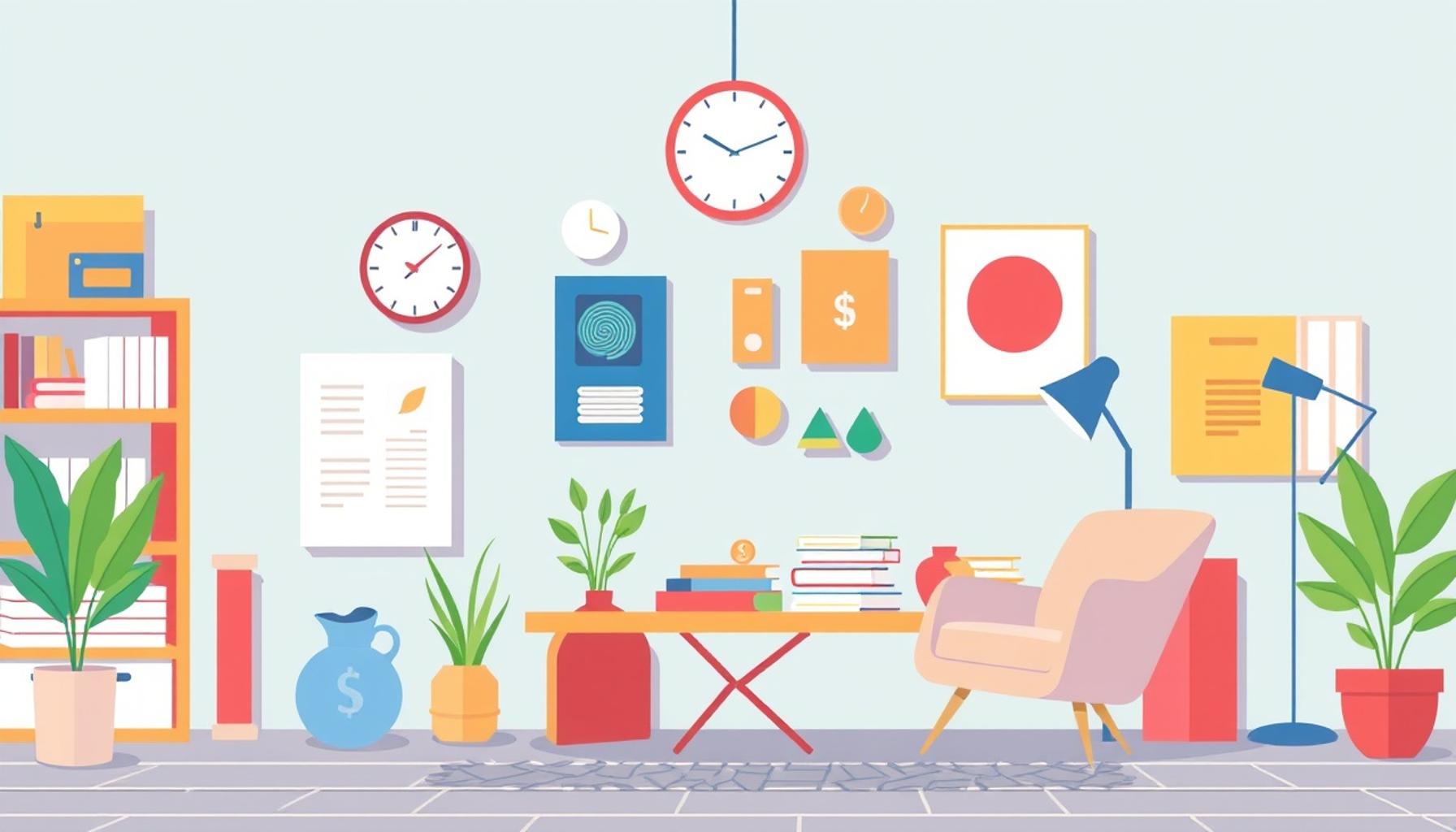
The Impact of Personal Organization and Minimalism on Everyday Life
In today’s fast-paced world, personal organization and minimalism have become essential practices for achieving a sense of calm and clarity. With the barrage of stimuli in our lives, an organized space can deeply affect our mental and emotional well-being. By intentionally curating your environment, you can open the door to reduced stress levels and enhanced productivity.
Understanding Minimalism
Minimalism is not just about living with less; it’s about creating a sanctuary that nurtures your well-being. Consider the following aspects of a minimalist approach:
- Decluttering: One of the primary tenets of minimalism involves removing unnecessary items. Start with one room or even a single drawer. Research suggests that a clutter-free space leads to higher levels of concentration and mental clarity. For example, a study from UCLA found that cluttered homes can lead to feelings of anxiety and overwhelm.
- Intentionality: Every item in your space should serve a purpose or bring you joy. This means evaluating your belongings and letting go of items that no longer align with your values or goals. Marie Kondo, a prominent figure in the minimalism movement, encourages individuals to keep only those items that “spark joy.”
- Functionality: Design spaces that are not just aesthetically pleasing but also facilitate ease of use and access. For instance, consider the layout of your home office: Is everything within reach? Are your essential tools organized for maximum efficiency?
The Psychological Benefits
Creating organized spaces can significantly impact mental well-being. When you curate your surroundings:
- You minimize distractions. A clean workspace can lead to better focus on tasks.
- You enhance focus. Studies have shown that individuals in clutter-free environments are more effective at problem-solving.
- You cultivate a peaceful atmosphere. This tranquility can translate into enhanced creativity and better decision-making.
Whether you’re adjusting your home office, redesigning your living space, or simplifying your daily routine, the principles of personal organization and minimalism can guide you. Embracing these concepts not only fosters tranquility but also promotes a clear mindset and a more fulfilling life.
Getting Started
Are you ready to explore how to implement these practices in your life? Start small: perhaps designate a single area in your home to declutter. Examine what items you truly need and what can be donated or discarded. There are numerous strategies available, from digital tools that help you organize files and tasks to artistic ways to arrange physical spaces using color and texture. The journey into minimalism and personal organization will not only reshape your environment but also empower you to lead a more intentional and fulfilling life.
Explore online resources, join local workshops, or read literature on minimalism to deepen your understanding. The principles of minimalism can create inspiring spaces that resonate with calm and clarity, ultimately transforming your life for the better.
DIVE DEEPER: Click here to enhance your home’s efficiency
Embracing the Principles of Personal Organization
To embark on a journey of personal organization and minimalism, it’s essential to first understand the principles that govern these practices. By adopting these principles, you can cultivate an environment that fosters clarity and tranquility. Below are key strategies to consider as you begin the process of transforming your space:
1. The ‘One In, One Out’ Rule
This rule is simple yet effective: for every new item you bring into your home, something old must go out. This practice helps maintain a balance and prevents clutter from taking over your spaces. It encourages intentional purchasing, prompting you to ask questions such as, “Do I really need this? Will it add value to my life?” By adhering to this principle, you foster a mindful approach to ownership and the significance of your belongings.
2. Creating Zones
Another effective strategy in personal organization is establishing designated zones within your home or workspace. Each area should have a specific function—be it for relaxation, work, or creativity. Consider the following:
- Home Office Zone: Dedicate an area specifically for work, equipped with necessary supplies and technology to promote productivity.
- Relaxation Zone: Create a calming space with comfortable seating, soft lighting, and decor that soothes your senses, offering an escape from daily stressors.
- Creative Zone: If you have hobbies or projects, set aside an area designed to inspire creativity, stocked with materials and tools that encourage your artistic endeavors.
3. Regular Maintenance
Organization doesn’t end once everything is neatly arranged. A sustainable system requires consistent upkeep. Incorporating brief, regular maintenance sessions into your routine can prevent clutter from creeping back in. Consider adopting these habits:
- Daily Tidying: Dedicate ten minutes each day to tidy up your space, putting things back in their designated zones.
- Weekly Decluttering: Set aside time each week to assess your items and determine what can be removed or reorganized.
- Monthly Reviews: Go through each zone monthly to evaluate its functionality and make any necessary adjustments to remain aligned with your lifestyle.
By embracing these principles of personal organization, you create a foundation upon which minimalism can thrive. This synergistic approach not only reinforces your commitment to simplicity but also enhances your ability to live deliberately. Remember, the journey to a calm and clear space starts with small, intentional steps—a process that cultivates both physical order and mental clarity.
Making Mindful Decisions
Organizing your space is not solely an act of tidying; it also involves making mindful decisions about what truly matters in your life. As you sift through belongings, reflect on their emotional significance and practical value. This examination can illuminate patterns in your purchasing behavior and highlight areas for personal improvement. The ultimate goal is to create an environment that serves as a source of inspiration rather than distraction.
By integrating these organizational techniques into your daily routine, you set the stage for a minimalist lifestyle that encourages focus, creativity, and lasting peace of mind.
Personal Organization: Finding Balance Through Minimalism
Personal organization serves as the backbone of minimalism, ensuring that every item in your space holds purpose and significance. This curated approach is not just about decluttering but also about fostering mental clarity. With fewer distractions, individuals can channel their energy toward what truly matters, enhancing their productivity and peace of mind.
Moreover, embracing minimalism cultivates a sense of calm. Spaces that are uncluttered tend to inspire tranquility, allowing for better focus on daily tasks. This effect can be amplified through intentional design choices, such as incorporating natural light and selecting calming color palettes. By designing with intention, you create an environment that does not just look serene but also feels fulfilling on an emotional and psychological level.
Benefits of a Minimalist Approach
| Category | Key Features |
|---|---|
| Space Efficiency | Maximized use of available space promotes functionality. |
| Mental Clarity | Reduced distractions help in maintaining focus and productivity. |
As you explore the principles of personal organization within the framework of minimalism, consider how these facets can be tailored to fit your lifestyle. Each individual’s interpretation of a calm, clear space may differ, and your journey towards achieving it can spark invaluable insights into your potential for ongoing growth and development.
DIVE DEEPER: Click here for innovative clutter solutions
Designing with Intention
After establishing the fundamental principles of personal organization, the next step is to design your spaces with intention. A well-thought-out layout not only enhances functionality but also contributes significantly to your mental well-being. Here are some strategies to optimize your environment:
1. Prioritizing Natural Light
Naturally lit spaces have a profound impact on our mood and productivity. When organizing your areas, consider how to maximize natural light. Position your work desk near a window or choose light-colored window treatments that allow daylight to flow through. This simple adjustment can create an uplifting ambiance in your home, promoting both clarity and calm. Studies have shown that exposure to natural light can improve focus, boost your energy levels, and even positively affect your sleep patterns.
2. Utilizing Multitasking Furniture
In a world where space can often be limited, investing in multitasking furniture can be a game-changer. Look for pieces that serve dual purposes; for instance, a coffee table that doubles as an extra storage unit or a sofa bed that accommodates guests. This approach not only helps declutter but also ensures that your living areas remain versatile and welcoming. Furthermore, consider modular designs that allow you to reconfigure your space as your needs evolve.
3. Choosing a Soothing Color Palette
The colors that surround us can significantly affect our emotions and cognitive clarity. When selecting paint or decor for your spaces, opt for a soothing color palette. Soft shades of blues, greens, and neutrals have been shown to induce feelings of tranquility and focus. Incorporate these colors into your walls, furnishings, or decorative accents to create an environment that encourages relaxation and inspiration. By contrast, bold colors can energize a space, making them ideal for the ‘Creative Zone’ discussed earlier.
4. Incorporating Greenery
Bringing the outdoors inside can enhance your environment in numerous ways. Adding indoor plants not only purifies the air but also fosters a connection to nature that can elevate your mood. Research suggests that indoor plants can reduce stress, increase productivity, and even help with concentration and creativity. Choose low-maintenance options like snake plants or pothos for a touch of greenery that doesn’t require constant upkeep. Additionally, consider creating a dedicated plant shelf or corner to further enhance the calming vibe of your space.
5. Establishing a Digital Detox Zone
In the hyper-connected world we live in, establishing a digital detox zone is crucial for maintaining mental clarity. Create a space in your home far from screens, where you can engage in activities that promote mindfulness, such as reading, journaling, or meditating. This area should be intentionally designed with limited electronic devices, fostering a serene atmosphere that allows for mental relaxation and reflection. Implementing this practice can help combat digital fatigue and improve focus in other areas of your life.
By implementing these strategies in your personal organization and minimalist endeavors, you not only make a conscious effort to prioritize your well-being but also create spaces that inspire calm and clarity. Each intentional decision regarding your environment can lead you closer to a lifestyle that cultivates simplicity, focus, and personal growth.
DIVE DEEPER: Click here to discover more
Embracing Minimalism for a Peaceful Life
In today’s fast-paced world, the principles of personal organization and minimalism are not just trendy; they are essential for fostering a harmonious living environment that encourages clarity and tranquility. By designing spaces with intention and paying attention to the nuances of our surroundings, we can transform our homes into sanctuaries of peace. The strategies outlined—prioritizing natural light, utilizing multitasking furniture, adopting a soothing color palette, incorporating greenery, and establishing digital detox zones—serve as powerful tools for reimagining our interiors.
Ultimately, embracing a minimalist lifestyle goes beyond merely decluttering physical spaces; it invites us to reflect on our priorities and emotional well-being. Each item we choose to keep should resonate with purpose and provide joy, allowing us to cultivate an atmosphere that not only reduces stress but also inspires creativity. As more studies highlight the psychological benefits of well-organized and serene spaces, the link between our environment and mental health becomes increasingly clear.
As you embark on this journey to create spaces that inspire calm and clarity, challenge yourself to continually assess and refine your environment. With every thoughtful decision, you are taking a step closer to a more balanced, intentional, and fulfilling life. Remember, the path to personal organization and minimalism is a journey—one where every mindful choice reflects the essence of who you are and the calmness you wish to embrace.
Related posts:
The Art of Detachment: How to Simplify Your Life Through Minimalism
Simplifying the Closet: How to Adopt a Minimalist and Functional Wardrobe
Minimalism and Sustainability: Living with Less in Harmony with the Environment
The Importance of Emotional Space: Creating a Living Environment that Promotes Well-Being and Mental...
Simplicity in Routine: How to Structure Your Days for Less Stress and More Productivity
The Role of Simplified Living in Productivity: How Less Can Increase Your Performance

Beatriz Johnson is a seasoned minimalist and writer with a passion for simplifying the complexities of personal organization and decluttering. With over a decade of experience in the field, she specializes in topics like minimalist living, efficient organization strategies, and creating intentional spaces. Through her work, Beatriz empowers readers to make mindful decisions about their belongings, streamline their lives, and embrace a more organized and fulfilling lifestyle.