Resin Craft Techniques: Creating Unique Pieces with Molds and Inclusions

Unleashing Creativity Through Resin Craft
The world of resin crafting invites individuals into a vibrant tapestry of artistic expression, where both seasoned artists and beginners can find a place to cultivate their creativity. With its unique combination of technique and imagination, resin craft techniques provide avenues to transform mere ideas into tangible art. By using molds and incorporating various inclusions, artists have the potential to design pieces that serve as both functional items and decorative treasures.
Why Choose Resin Crafting?
- Endless Possibilities: The versatility of resin allows artists to mix and match numerous inclusions, ranging from dried flowers and leaves to colorful glitter and metallic pigments. This opens a world brimming with creative options that can cater to any aesthetic.
- Durable and Versatile: Once cured, resin pieces exhibit impressive durability and resilience, making them ideal for jewelry, tabletop decor, coasters, and even light fixtures. In fact, many resin crafts can withstand daily wear and tear, ensuring that your creations last.
- Personalized Creations: Each resin piece is a unique reflection of its creator’s vision. By integrating personal elements like photographs, meaningful trinkets, or colors that resonate with personal style, you can craft a one-of-a-kind treasure that tells a story.
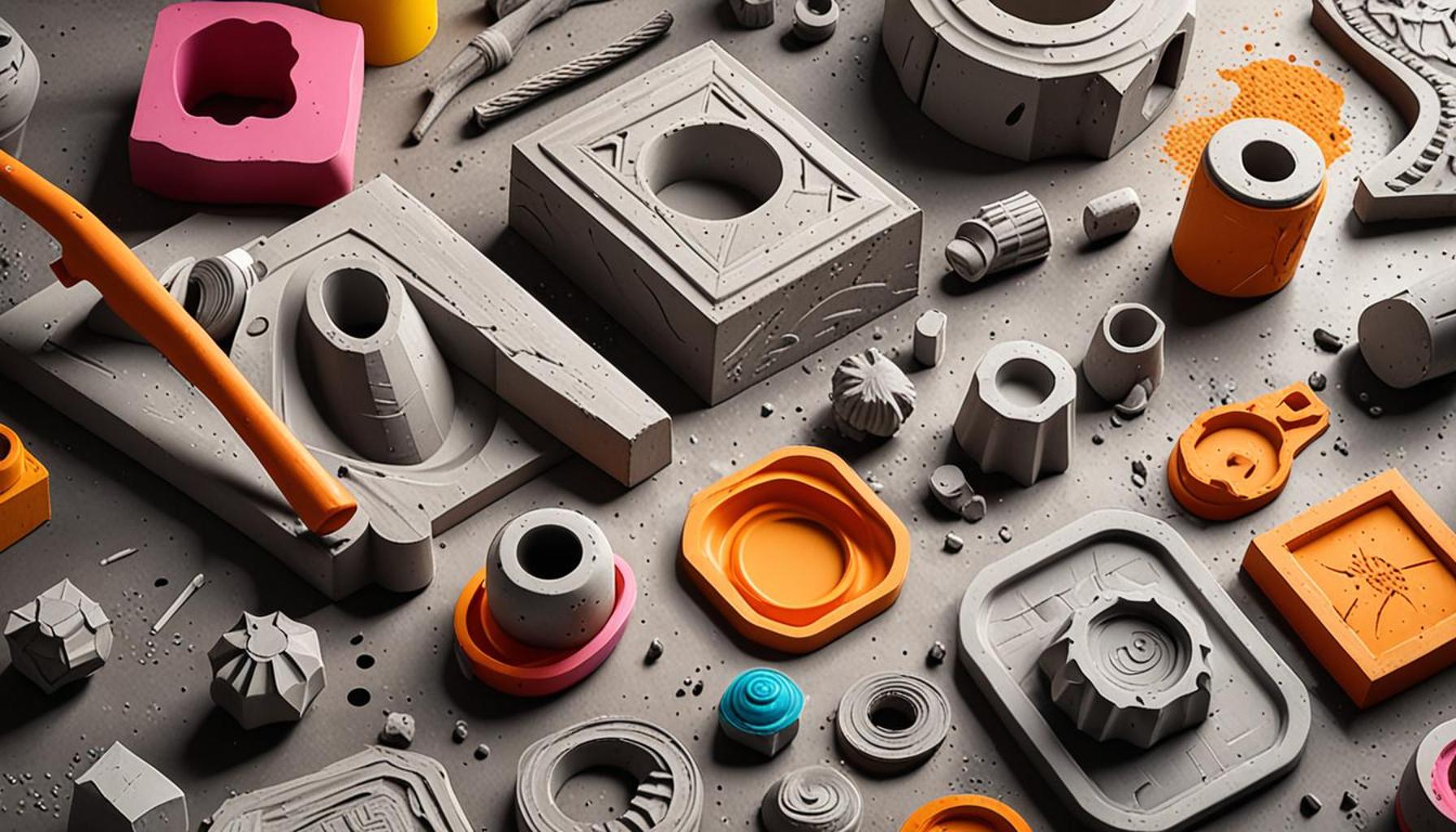
Diving into the craft of resin requires a willingness to explore various techniques and materials. Utilizing molds made from silicone or plastic simplifies the process, allowing creators to find the right shape for their artistic vision. Some popular mold types include geometric shapes for modern decor or organic forms for a more natural look. Moreover, experimenting with different additives, such as glow-in-the-dark pigments or iridescent powders, can greatly enhance the visual impact of your finished pieces, transforming even the simplest designs into stunning showpieces.
Getting Started
Embarking on your resin crafting journey can be a rewarding experience, but it’s essential to grasp the foundational elements:
- Choose the right resin type for your project: There are several options available, from epoxy resin, which is known for its clarity and UV resistance, to polyester resin, which cures faster but may have a more pronounced odor.
- Select suitable molds that complement your design: Molds come in endless shapes and sizes, so consider what form will best present your inclusions and desired final look.
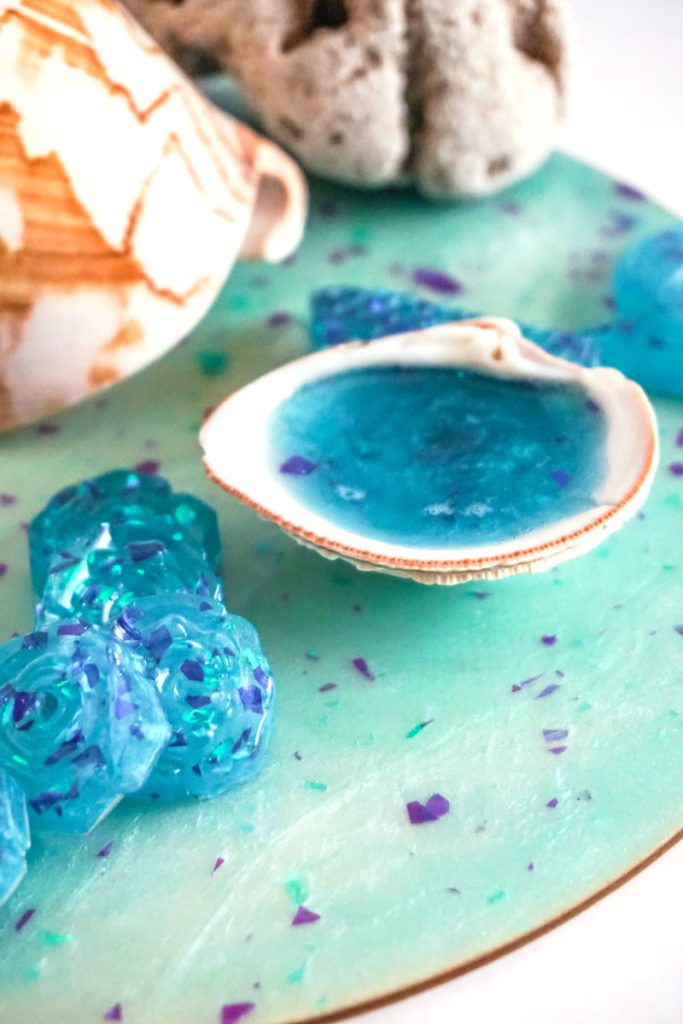
- Experiment with different inclusions to enhance the visual appeal: Think outside the box—what about embedding seashells for a coastal theme or vibrant colored stones for a stunning visual contrast?
Throughout this article, we will explore various techniques, safety tips, and creative inspirations to help you efficiently produce unique resin creations. This craft doesn’t just allow for artistic expression; it also fosters a sense of accomplishment and connection as you manipulate materials into beautiful, lasting works of art.
DISCOVER MORE: Click here to unleash your creativity
Exploring the Art of Molding and Inclusion
When it comes to resin craft techniques, mastering the art of molds and inclusions is fundamental to creating distinctive pieces that captivate the eye. Molds serve as the backbone of resin creation, dictating the shape and form of the final product. Additionally, the thoughtful selection of inclusions—elements embedded within the resin—allows artists to tell stories, evoke emotions, and add layers of visual intrigue to their work.
The Role of Molds in Resin Crafting
Molds can be classified into two primary categories: silicone molds and plastic molds. Each type has its unique benefits, making it critical for artists to choose based on their project requirements:
- Silicone Molds: These molds are prized for their flexibility, which allows for easy demolding without risking damage to the finished piece. They are often available in intricate designs, giving artists the ability to create detailed shapes while also being reusable for multiple projects.
- Plastic Molds: While typically more rigid than silicone molds, plastic molds can be more cost-effective and come in a diverse range of shapes. Artists need to take care during demolding to avoid breaking the resin, as the rigid nature can make the removal process more challenging.
Regardless of the type chosen, understanding the mold’s properties—such as temperature resistance and curvature—can greatly enhance the crafting experience. For instance, molds that can withstand higher heat are beneficial when working with resin that generates heat during curing. Acquiring a variety of molds empowers resin artists to explore various forms, ranging from simple geometric designs to complex, organic shapes.
Enhancing Aesthetic with Inclusions
Inclusions breathe life into resin pieces and can be anything from natural elements to synthetic materials. When considering inclusions, think beyond the ordinary. Here are some popular options that can elevate your resin projects:
- Dried Flowers and Leaves: Nature-inspired elements add texture and color, creating beautiful keepsakes that preserve memories of a specific moment in time, like a wedding bouquet.
- Metallic Pigments: For a touch of glamour, incorporate metallic pigments that shimmer and shine. Ideal for jewelry or decorative items, these can create a striking contrast against clear resin.
- Glitters and Sparkles: Adding glitter can transform a piece, giving it a fun and festive look. This option is perfect for holiday-themed crafts or vibrant, youthful designs.
- Essential Oils and Fragrances: For functional items such as coasters or diffusers, including a few drops of essential oils can infuse the air with delightful scents.
Using inclusions in creative ways can help tell a story within each resin piece, making your art not only a visual treat but also a personal memento that resonates with the viewer. Layering different materials and colors can lead to unexpected and stunning effects, inviting exploration and experimentation in every project.
As you engage with these techniques, remember that patience and practice are key. The beauty of resin crafting lies not only in the finished pieces but also in the joy of discovery during the creation process. Embrace the opportunity to learn and expand your skills—each project is a stepping stone toward building your unique resin art repertoire.
Exploring Diverse Techniques in Resin Crafting
Delving deeper into Resin Craft Techniques, artisans explore a range of methods to create unique and captivating pieces. One remarkable aspect is the inclusion of various materials within resin. Inclusions can transform a simple resin piece into a stunning artwork, allowing artists to personalize their projects significantly.
Techniques such as layering, embedding flowers, or incorporating colored powders can significantly enhance the visual appeal and texture of the final product. For instance, utilizing dried flowers within resin not only preserves their beauty but also adds a touch of nature to the piece. These nature-inspired designs often serve as conversation starters and cherished gifts, epitomizing the essence of creativity and individual expression.
Furthermore, creating custom molds opens up a world of possibilities. Artisans can design molds specific to their vision, allowing for intricate shapes and forms that are otherwise unattainable with standard methods. This customization not only promotes unique designs but also enables artists to cater to niche markets. The ability to offer tailored creations helps craft enthusiasts stand out in a crowded marketplace.
Additionally, the experience of working with resin fosters an innovative mindset. Experimentation with different mediums, colors, and forms leads to groundbreaking creations. Whether it’s a bold geometric pattern or a soft pastel finish, the outcome is often unpredictable yet enticing. This element of surprise is a vital part of the resin crafting journey.
Ultimately, those interested in this captivating craft should not hesitate to experiment and explore beyond their comfort zones. Resources such as detailed tutorials, online communities, and workshops are available, offering support and inspiration for budding and established artists alike.
| Advantages | Unique Characteristics |
|---|---|
| Flexibility in Design | Custom molds allow for personalized and intricate designs. |
| Creative Expression | Incorporating various inclusions enhances visual appeal and uniqueness. |
Understanding these techniques and embracing the spirit of innovation is essential for anyone looking to immerse themselves in the world of resin crafts.
DISCOVER MORE: Click here to learn about the therapeutic power of art
Innovative Techniques: Layering and Casting with Resin
Beyond the basic use of molds and inclusions, resin craft techniques can be significantly enhanced by exploring advanced methods such as layering and casting. These techniques not only add depth and dimension to your work but also open up a world of creative possibilities.
The Art of Layering
Layering involves pouring resin in stages, allowing each layer to cure partially before adding the next. This technique can create a stunning visual effect, as it enables the artist to incorporate different colors, inclusions, or textures in a controlled manner. Here are some tips for successful layering:
- Choose Compatibility: Ensure that the resin being used for each layer is compatible. For instance, if you’re using a colored resin on top of a clear layer, both should have similar curing times to prevent any adverse reactions.
- Mind the Cure Time: Each layer should be allowed to partially cure according to the manufacturer’s instructions. Generally, a soft gel-like state allows for the next layer to bond properly without mixing.
- Experiment with Colors: Use translucent pigments to achieve varied depths of color. This layering can mimic natural phenomena like ocean waves or forest depths, lending a narrative quality to your pieces.
Incorporating transparent or iridescent additives between layers can enhance the interplay of light and shadow, creating mesmerizing effects that captivate the viewer’s attention.
Advanced Casting Techniques
Casting offers another avenue for creativity, allowing artists to pour resin into intricate molds to create standalone pieces. The casting process can be broken down into a few essential steps:
- Preparation of the Mold: Ensure that the mold is clean and free from dust or debris. If using silicone molds, applying a release agent can help with easier demolding.
- Careful Mixing: Follow the resin’s mixing instructions meticulously—improper ratios can lead to bubbles or inadequate curing. A vacuum chamber or pressure pot can be used to minimize bubbles in your mixture.
- Embedding Additional Materials: Like with inclusions, during the casting process, you can embed various materials such as gemstones, crystals, or beads, enhancing the visual complexity and emotional narrative of the final piece.
One innovative trend in casting is the use of colored resins or variations to create gradients, which adds to the artistic flair. Pouring different colors in a marble effect style can yield striking results and make each piece truly unique.
Finishing Touches
Once your resin piece has fully cured, the finishing touches are where you can make your artwork stand out even further. Techniques such as sanding and polishing can enhance the clarity and shine of the resin, offering a smooth, glass-like surface. Additionally, applying top coats or sealants can provide an extra layer of protection while also intensifying the colors used in your work. Explore adding hardware to create functional pieces like coasters or wall art—this versatility sets resin art apart from many other mediums.
As you dive deeper into the world of resin crafting, the ability to experiment with these advanced techniques fosters creativity and personal expression. Every new project can serve as an opportunity to refine your skills and innovate your process.
DIVE DEEPER: Click here to uncover the magic of paper craft
Conclusion
In the vibrant realm of resin craft techniques, the potential to transform basic materials into breathtaking art pieces is boundless. By mastering various methods such as layering, casting, and embedding intriguing inclusions, artists can elevate their work from the ordinary to the extraordinary. The layering technique allows for a stunning interplay of colors and textures, while casting enables the creation of intricate and unique shapes that stand alone as artistic statements.
The attention to detail in the preparation and finishing processes further enhances the final product, resulting in polished, professional-grade pieces that not only capture the eye but also tell a story. As you experiment with these techniques, the ability to combine different materials and colors opens a world of creative expression that reflects personal style and innovation.
As you embark on your resin crafting journey, consider the myriad of possibilities that lie ahead. The excitement of discovering new techniques and refining existing skills can lead to an ever-evolving artistic practice. Readers and crafters alike are encouraged to dive deeper, explore tutorials, and engage with the community to share insights and inspirations. Whether creating functional items or stunning decor, every resin piece is an opportunity for artistic exploration and personal expression. Embrace the journey and let your creativity flow in all its vibrant forms.