Solving the Maze: How Strategy Board Games Improve Critical Thinking Skills
Unlocking the Secrets of Strategy Board Games
In today’s fast-paced world, the ability to think critically is more valuable than ever. Strategy board games offer a unique platform to develop these essential skills while having fun with friends and family. These games challenge players to navigate complex scenarios, encouraging them to analyze situations and make informed decisions. As technology increasingly dominates our lives, the tactile and face-to-face interactions provided by board games are more appealing than ever, enhancing both social bonds and cognitive skills.
- Enhances Problem-Solving Skills: Players must devise solutions to overcome challenges. For instance, in the game Ticket to Ride, participants must strategize routes across a map while competing with others for limited resources, teaching them how to think creatively to optimize their gameplay.
- Encourages Strategic Thinking: Each move requires foresight and planning. In games like Chess, players must anticipate their opponent’s moves while determining their own, honing their ability to think several steps ahead.
- Promotes Adaptability: Situations can change rapidly, demanding quick adjustments. In cooperative games such as Pandemic, players must work together to adapt to an evolving crisis, reflecting how real-life scenarios often necessitate flexibility and teamwork.
Research shows that engaging in strategic gameplay can lead to significant cognitive development. Studies conducted by various educational institutions indicate that individuals who regularly play these games exhibit enhanced critical thinking abilities, improved memory, and better social skills. Players are immersed in intricate puzzles that require innovative approaches to problem-solving. The analytical skills honed during gameplay can translate to real-world situations, impacting areas such as work performance and personal relationships.
- Tactical Games: Classic games like Chess and Checkers challenge logical reasoning and foresight, prompting players to consider complex tactical positions and potential outcomes of each move.
- Resource Management Games: Titles like Settlers of Catan encourage negotiation and strategic planning, as players must collect and trade resources effectively to build settlements and achieve victory.
- Cooperative Games: Games such as Pandemic foster teamwork, requiring players to collaborate under pressure to solve crises, which enhances communication and collective problem-solving skills.
As we delve deeper into the world of strategy board games, we will explore how these engaging experiences fortify our mental faculties. From children to adults, the benefits of playing these games extend beyond mere entertainment, paving the way for lifelong critical thinking skills. For families, incorporating game nights can lead to enriched interactions and growth for all ages. This revival of interest in board games can also serve as a gateway to developing critical literacy and social skills, making it a multifaceted tool for personal development.
DISCOVER MORE: Click here to dive deeper
The Cognitive Landscape of Strategic Gameplay
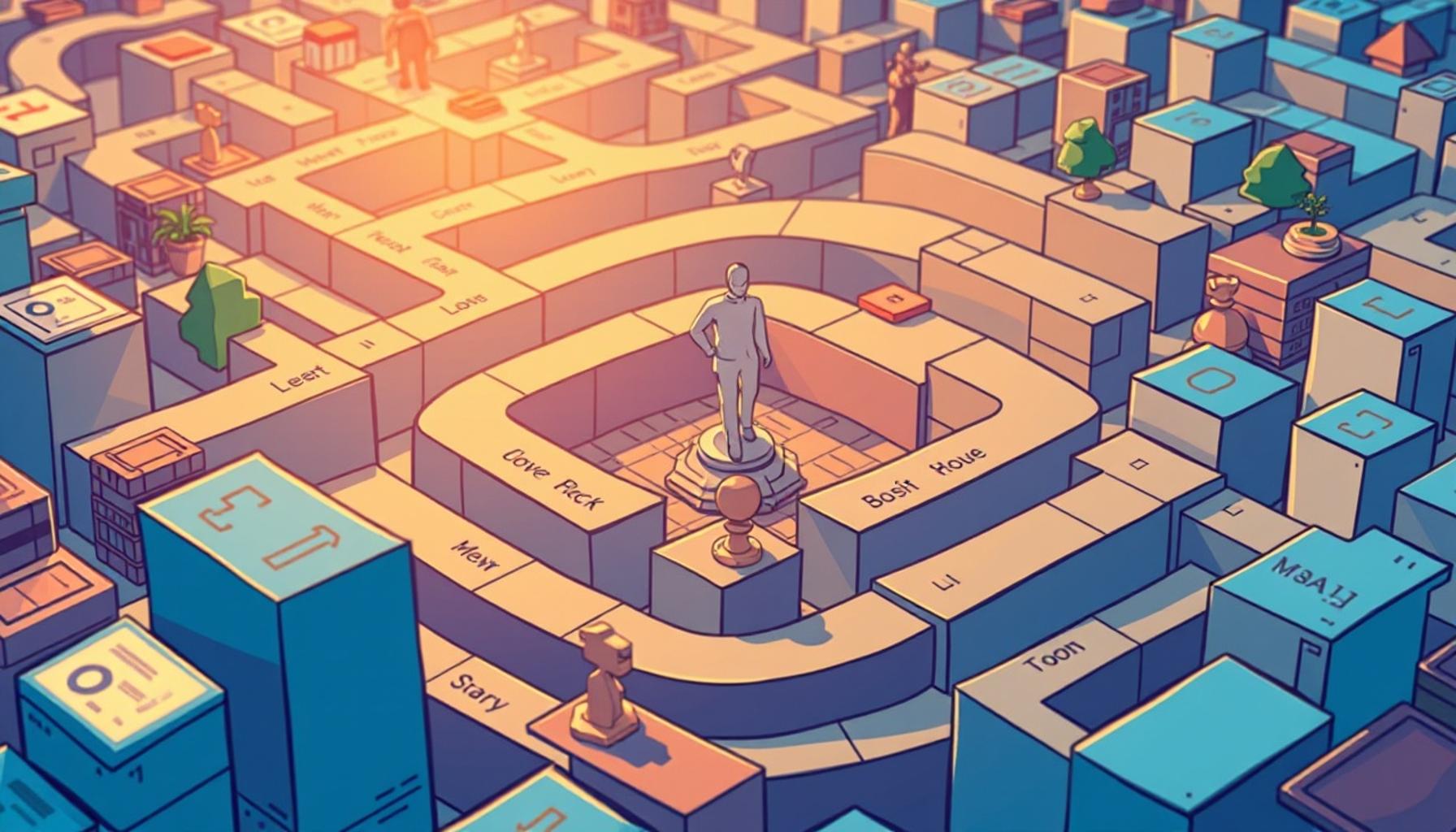
Strategy board games are more than just a source of entertainment; they are a breeding ground for critical thinking and cognitive development. Engaging in these games requires a players’ ability to navigate complex scenarios, fostering skills that are crucial both on and off the board. Players are not merely rolling dice or moving pieces; they are engaging in a mental labyrinth that demands attention, foresight, and adaptability. This interaction serves as a catalyst for developing sharper analytical skills, which are increasingly important in our modern world.

One of the most prominent benefits of strategy board games is their capacity to enhance problem-solving skills. These games often present players with challenges that involve resource allocation, strategic placement, and tactical maneuvering. For example, in Ticket to Ride, participants must assess not just the board and their own paths, but also predict and counter their opponents’ moves. By envisioning various outcomes based on their strategies, players learn to approach problems with a creative mindset—an attribute highly sought after in personal and professional environments.
- Logical Reasoning: Games like Chess and Checkers limit players’ moves and require them to consider multiple future scenarios. This prompts players to apply logical reasoning to anticipate the implications of each action, helping to develop a framework for critical analysis.
- Resource Management: In games such as Settlers of Catan, players engage in complex decision-making, balancing the need for strategic resource collection with the dynamics of negotiation. The ability to strategize under pressure mirrors real-life situations where resource management is essential.
- Collaborative Problem Solving: Cooperative games, like Pandemic, require players to work together to formulate strategies and tackle challenges. This not only enhances individual problem-solving skills but also strengthens teamwork and communication, essential components in any collaborative environment.
Moreover, research indicates that individuals who engage regularly in strategic gameplay display notable improvements in their critical thinking abilities and social interaction skills. A study from the University of Alberta showed that participants who played strategy games exhibited higher levels of executive function, a cognitive skill crucial for managing tasks, problem-solving, and decision-making. These mental exercises provide lasting value; the skills developed during gameplay carry over into real-world applications, enhancing both academic performance and career readiness.
The multifaceted nature of strategy games makes them an ideal tool for personal growth, applicable to people of all ages. For families, integrating board games into regular game nights can lead to enriched interactions and shared learning experiences. This modern revival of interest in board games provides an opportunity not only for entertainment but also for cultivating lifelong skills that are vital in today’s complex landscape. Whether in the boardroom or at home, the lessons learned from solving the intricate puzzles within these games are invaluable assets.
| Category | Description |
|---|---|
| Cognitive Skills Development | Strategy board games enhance problem-solving abilities and foster complex decision-making. |
| Social Interaction | Games invite players to engage, promoting teamwork and communication skills essential for critical thinking. |
Strategy board games are more than just entertainment; they are powerful tools for enhancing critical thinking skills. By engaging in these complex scenarios, players utilize various cognitive faculties to devise strategies, assess risks, and prioritize options, leading to significant improvements in their analytical capabilities. As they navigate through intricate game mechanics, they confront challenges that require innovative thought processes and adaptability.Moreover, the social aspect of playing strategy games is vital. As players interact with others, they learn to articulate their thoughts, negotiate, and collaborate, which are all key components of effective critical thinking. This collaborative environment not only promotes emotional intelligence but also deepens the understanding of multiple perspectives, making it a rich ground for cognitive development. Exploring the nuances of strategy board games reveals the layered strategies that engage the mind and enhance critical reasoning, pushing players to think beyond conventional limits. The ongoing dialogue and exchange of ideas during gameplay create a dynamic learning environment that nurtures both individual and group critical thinking skills.
DISCOVER MORE: Click here to delve deeper
The Social Dimensions of Strategic Challenges
In addition to cognitive benefits, strategy board games provide a rich platform for enhancing social skills that are integral to critical thinking. Unlike solitary puzzles or video games, board games foster interpersonal interaction, enabling players to negotiate, persuade, and collaborate in real-time. This social element transforms gameplay into a dynamic environment where diverse opinions and strategies clash, offering lessons that extend beyond the confines of the game board.
A key aspect of engaging in strategy board games is the ability to develop strong communication skills. In games like Coup and Werewolf, players must articulate their strategies and intentions clearly while also deciphering the motives of others. This kind of interaction necessitates not only clear speech but also active listening, as players must respond to verbal cues and non-verbal behaviors to gauge opponents’ strategies. A study from the University of California found that young adults who participated in collaborative board games showed increased empathy and understanding, facilitating better communication styles in their everyday interactions.
- Conflict Resolution: Board games often place players in competition, but they can also serve as training grounds for resolving conflicts. In titles like Diplomacy, where alliances shift and relationships change, players must negotiate their way through tense situations, ultimately enhancing their ability to manage disagreements effectively.
- Strategic Thinking in Teams: Cooperative games like Forbidden Island provide opportunities to strategize as a group, pushing players to share ideas and navigate collective goals. This collaborative approach encourages players to consider the input of their teammates, promoting an atmosphere of mutual respect and problem-solving.
- Emotional Intelligence: Understanding opponents’ emotional states becomes crucial in games like Secret Hitler, where reading intentions can lead to victory or defeat. Players develop their emotional intelligence as they learn to assess and respond to the social dynamics at play.
The multifactorial benefits provided by strategy board games extend beyond childhood and adolescence. In professional settings, companies are increasingly recognizing the value of these games as tools for team-building and communication training. Corporate workshops featuring strategic gameplay have been shown to enhance employee collaboration and critical thinking, thereby fostering a more innovative workplace culture. A report from the Association for Business Psychology noted that employees engaged in team strategy games exhibited improved morale and increased productivity, demonstrating a clear connection between play and professional performance.
Furthermore, the rise of online platforms offering digital versions of classic board games has allowed individuals to connect across geographic distances, providing an avenue for strategic gameplay that transcends traditional boundaries. Games can now involve new players from different backgrounds, contributing to a richer understanding of various perspectives. This accessibility is particularly important in our increasingly globalized world, where collaboration across cultures becomes essential.
As we delve deeper into the potential of strategy board games, it becomes evident that these games are not just engaging pastimes; they are valuable tools for enhancing critical thinking. By encouraging players to navigate complex social landscapes and engage in multifaceted problem-solving, board games serve as both bridges to deeper skills and gateways to understanding essential life lessons.
DIVE DEEPER: Click here to uncover the evolution of classic puzzle techniques
Conclusion: Beyond the Game Board
In conclusion, the exploration of how strategy board games enhance critical thinking skills reveals a compelling narrative that intertwines cognitive development with social interaction. These games do not merely entertain; they serve as platforms for honing essential skills such as problem-solving, communication, and collaborative thinking. The interplay between competition and cooperation in titles like Diplomacy and Forbidden Island illustrates how players are pushed to think strategically while considering the perspectives and emotional states of others.
Furthermore, the lessons learned through strategic gameplay resonate in everyday life, affecting personal relationships and workplace dynamics. As companies integrate these games into their training programs, they underscore the significant advantage that enhanced critical thinking and stronger interpersonal skills bring—elements critical for innovation and productivity in today’s fast-paced world. Research has shown that organizations that embrace such collaborative practices not only boost morale but also cultivate a more engaged, adaptable workforce.
Moreover, as digital platforms for these games continue to grow, they open doors to global connections, allowing diverse participants to engage in shared strategic challenges. This expansion fosters a greater understanding of different viewpoints, essential for operating in a multicultural environment.
Ultimately, strategy board games are invaluable tools for navigating the complexities of life. They empower players to think critically, resolve conflicts, and communicate effectively, equipping them with the skills necessary for success both on and off the game board. By embracing the richness these games offer, individuals and teams can enhance their critical thinking abilities and foster lifelong learning.
Related posts:
Mind Games: Enhancing Strategic Thinking Through Chess and Board Games
The Role of Strategic Thinking in Solving Complex Puzzles
Mind Mapping and Puzzles: Visual Strategies for Enhanced Problem Solving
The Role of Strategic Thinking in Solving Complex Puzzles
The Influence of Strategic Thinking in Competitive Board Games and Their Impact on Cognitive Develop...
The Impact of Video Games on Strategic Thinking: Lessons from Competitive Play

Linda Carter is a writer and puzzle expert specializing in mind games, brain teasers, and cognitive challenges. With extensive experience helping individuals enhance their problem-solving skills and think critically, Linda shares her knowledge on our platform. Her goal is to empower readers with practical advice, engaging puzzles, and strategies to sharpen their minds and achieve success in the captivating world of mind games and puzzles.