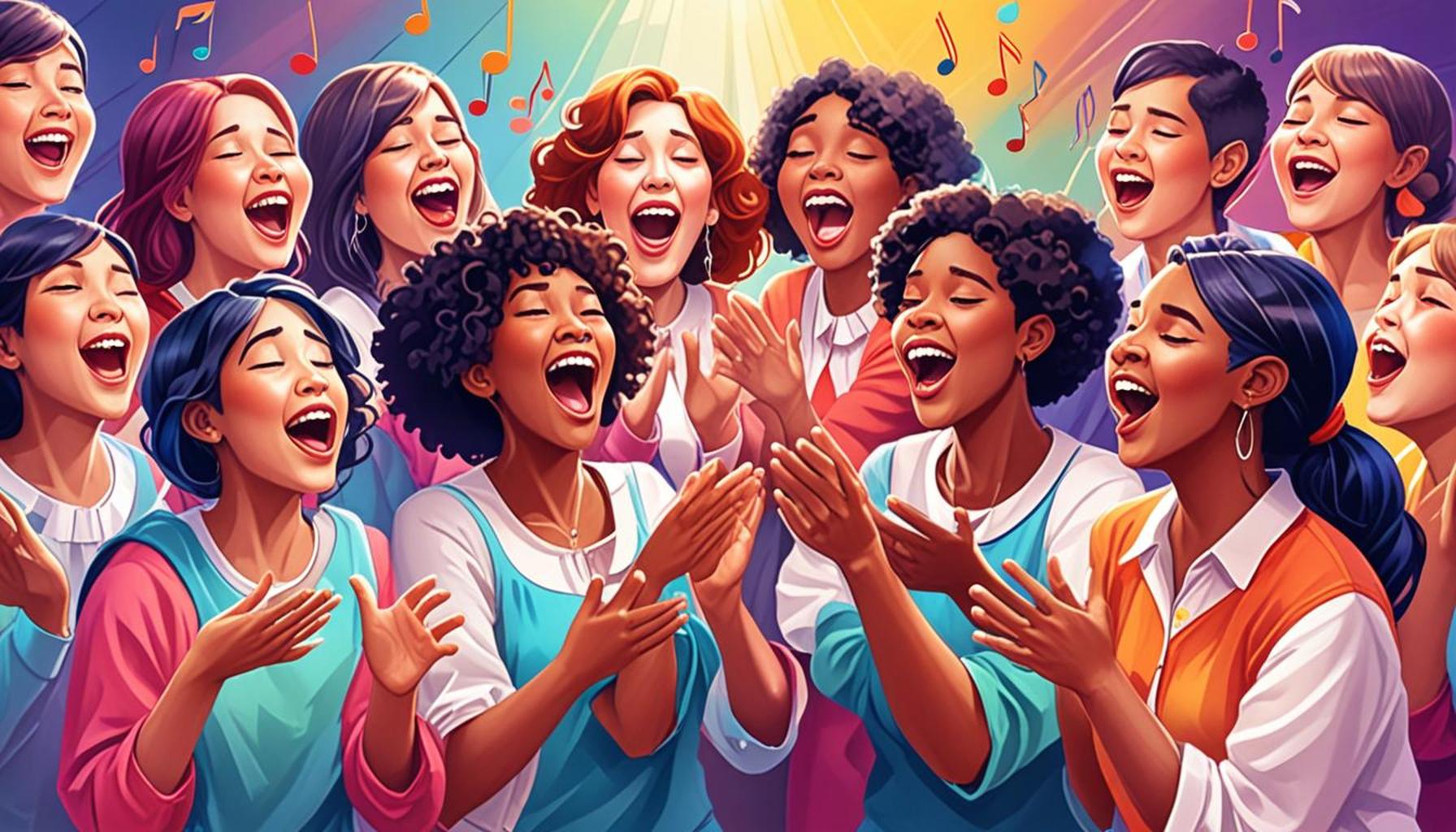
The Connection between Musical Skills and Memory Improvement in the Elderly
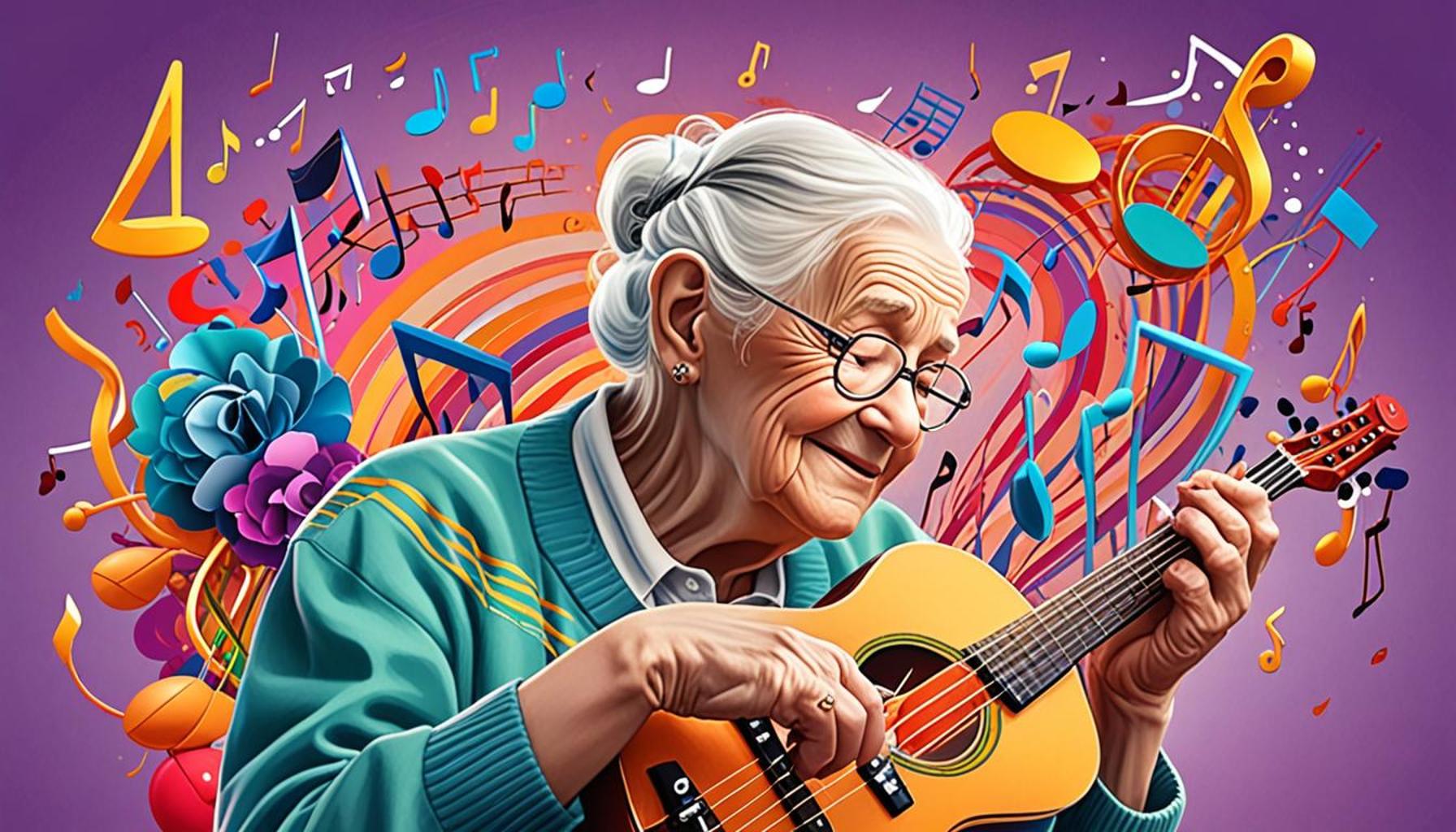
Exploring the Role of Music in Cognitive Health
The relationship between musical skills and memory improvement in the elderly is garnering considerable attention. Recent studies suggest that engaging with music can enhance cognitive abilities and delay memory decline. This burgeoning field of research highlights how music can ignite cognitive processes that diminish with age, addressing a pressing issue in our aging society.
- Musical Training: Learning to play an instrument or participating in group singing can significantly stimulate brain regions associated with memory. For example, studies indicate that individuals who have received musical training often have better working memory and enhanced executive function. Learning complex musical pieces requires practice and concentration, activities that can build cognitive reserve and potentially stave off age-related decline.
- Music Therapy: Tailored music-based interventions are being utilized in various healthcare settings, such as nursing homes and rehabilitation centers, to support elderly individuals suffering from conditions like Alzheimer’s disease and other forms of dementia. Music therapists design sessions that may include listening, singing, or even composing music, which can evoke personal memories and foster emotional connections, helping to improve the overall well-being of participants.
- Memory Recall: Engaging with music has the remarkable ability to trigger vivid memories and emotions. Many individuals with dementia or Alzheimer’s can recall events from their lives when they hear familiar songs, connecting them with moments long forgotten. Neurologist Oliver Sacks famously documented such phenomena in his book “Musicophilia,” showing how music can act as a time machine of sorts, allowing people to access parts of their past.
Research has shown that older adults who participate in musical activities report improved memory function, highlighting the profound impact that music can have on cognitive health. In a study conducted by the University of Utah, researchers found that seniors who engaged in regular music programs demonstrated improved verbal memory and enhanced attention spans compared to peers who did not participate, underscoring the potential cognitive benefits of musical engagement.
Understanding this connection not only enhances our knowledge of aging but may also lead to innovative strategies for improving the quality of life for seniors. Community programs that incorporate music into their activities, such as local choirs for older adults or instrumental classes, are becoming increasingly popular as more evidence emerges supporting the cognitive benefits of these engagements. Furthermore, technology has advanced to facilitate access to music therapy apps designed for seniors, making it even easier to reap the rewards of musical interaction.
By investigating the multifaceted relationship between music and memory, we can uncover valuable insights into brain health and cognitive resilience. As this field evolves, it invites a deeper inquiry into how integrating music into daily life can illuminate pathways to preserving mental acuity and enhancing the quality of life for the elderly population. Ultimately, harnessing the restorative power of music could represent a promising frontier in cognitive health interventions.
DISCOVER MORE: Click here to get inspired
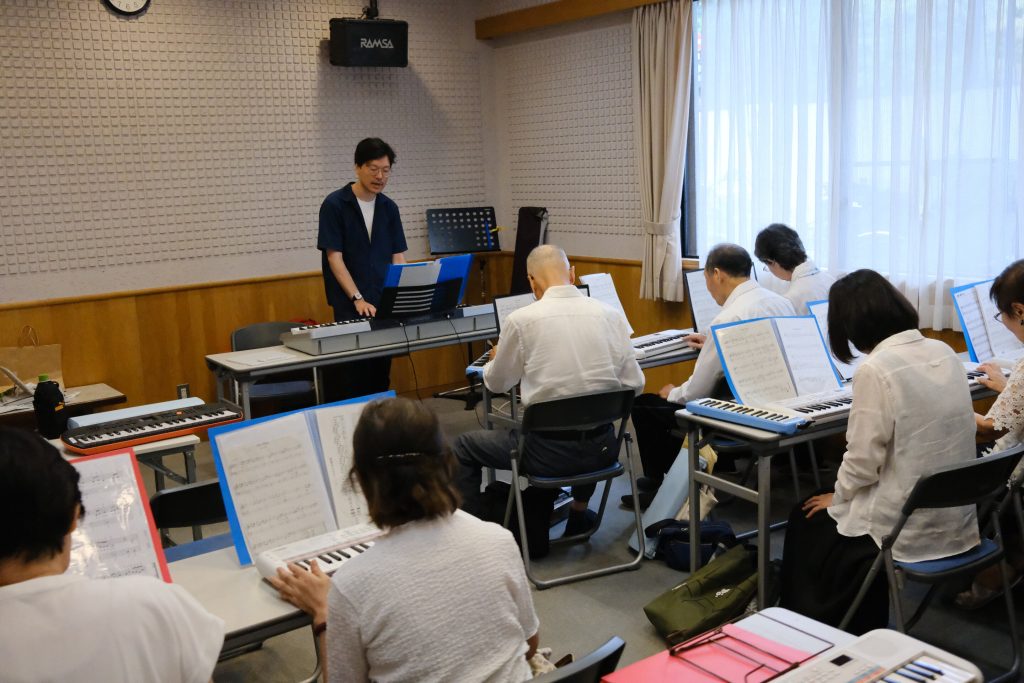
The Cognitive Benefits of Musical Engagement
The exploration of musical skills as a means of enhancing memory in the elderly marks a significant nexus between art and health. Engaging in musical activities encompasses not only the joy of creation but also a serious cognitive workout for the brain. Research underscores that activities like learning to play an instrument or participating in choir significantly activate brain areas tied to memory and information processing, offering a multi-layered approach to cognitive health.
Recent findings suggest that musical engagement can improve several facets of cognitive function, particularly in elderly individuals. The impact of rhythmic and melodic training goes beyond enjoyment; it can serve as a rigorous mental exercise, fostering neural plasticity, which is the brain’s ability to adapt and reorganize itself. Elderly individuals who participate in music-related activities often show enhancements in the following areas:
- Improved Attention Span: Regular musical involvement helps improve focus and concentration. Cognitive tasks become easier as seniors engage their attention more effectively through the auditory complexity of music.
- Enhanced Memory Recall: Music acts as a mnemonic device, supporting better recall of personal memories, particularly for those with memory impairments. Familiar songs can evoke long-buried memories and emotions, acting as a bridge to the past.
- Increased Cognitive Reserve: Musical training contributes to building a cognitive reserve that may delay the onset of dementia symptoms. Those who engage actively in musical endeavors often demonstrate a greater resilience against age-related cognitive decline.
- Social Interaction: Group music activities like singing in a choir encourage socialization, providing emotional support and reducing the feelings of isolation that many older adults face. This social aspect significantly contributes to overall cognitive and emotional well-being.
Interestingly, research from institutions such as the University of California, Los Angeles (UCLA), has found that seniors who participate in musical training exhibit significant improvements in verbal memory and general cognitive functioning compared to their non-musical peers. These cognitive enhancements are particularly pertinent in combatting the detrimental effects of aging on memory. Indeed, the brain’s intricate neural networks are invigorated by music, embodying an intersection of science and art that has the potential to transform the lives of elderly individuals.
As the health community considers sustainable interventions for elderly residents, integrating music into daily activities emerges as a promising strategy. Initiatives such as local community orchestras, music workshops for seniors, and accessibility to music therapy demonstrate growing recognition of music’s role in not only enhancing memory but also easing loneliness and despair associated with aging. Additionally, technological advancements, including smartphone applications designed specifically for music therapy, are revolutionizing how this population interacts with music, ensuring its benefits are just a click away.
In this evolving landscape of cognitive health, continued exploration of music’s impact presents numerous opportunities for advancing the quality of life for the thousands of elderly individuals striving to maintain their mental acuity. This research underscores the notion that investing time in musical activities isn’t just an enjoyable pastime, but rather a critical component of a healthy aging strategy.
| Category | Details |
|---|---|
| Cognitive Stimulation | Engaging in music enhances brain activity, promoting neural connections. |
| Emotional Well-being | Music has therapeutic effects, reducing anxiety and increasing motivation for mental exercises. |
| Memory Retention | Musical training is linked to improved recall and retention of information in elderly individuals. |
| Social Interaction | Participating in music groups enhances social connections, which are vital for mental health. |
The exploration of the connection between musical skills and memory enhancement in the elderly continues to unfold. Research supports that cognitive stimulation through music can greatly influence neural plasticity, helping elderly individuals maintain their cognitive functions. Engaging with music actively, such as playing an instrument or singing in groups, significantly boosts mental agility.Moreover, the emotional benefits of music cannot be overlooked. It often serves as a source of joy, evoking positive emotions that combat feelings of isolation. This emotional uplift, in turn, furthers motivation, encouraging seniors to engage in memory-enhancing activities. In essence, the multifaceted nature of music aids in creating a conducive environment for memory improvement, leading to a richer, more fulfilling life in advanced age.
DISCOVER MORE: Click here to learn how creative writing can enhance mental well-being
Musical Skills: A Gateway to Enhanced Neuroplasticity
As we delve deeper into the connection between musical skills and memory improvement in the elderly, it becomes increasingly evident that the act of making music goes hand in hand with notable neuroplastic changes. Neuroplasticity refers to the brain’s ability to reorganize itself by forming new neural connections throughout life. For older adults, engaging in music not only rekindles joy but also acts as a form of cognitive training, enhancing their mental faculties. Scientific studies have demonstrated that musicians often exhibit more extensive neural networks, particularly in areas responsible for auditory processing, motor functions, and memory.
For instance, research led by neurologists at the University of Oregon indicates that older adults with musical backgrounds possess a more robust memory capacity when tasked with recalling information presented audibly. This ability underscores the capacity of music to engage diverse cognitive functions, effectively intertwining learning with enjoyable experiences. The auditory and sensory stimulation that stems from musical practice fosters a unique environment for memory consolidation and retrieval, making now the ideal time to leverage musical pursuits for seniors.
Moreover, studies are beginning to highlight the significance of music therapy as a means of not just engaging the mind, but also eliciting emotional responses that can lead to substantial cognitive benefits. A notable example can be found in individuals with Alzheimer’s disease, who often find remarkable success in reconnecting with their past through familiar tunes. The power of music often transcends language and cognition; it can evoke memories that have long been forgotten, acting as a therapeutic bridge to a time when memories were more accessible.
One compelling study published in the journal Neurology revealed that elderly participants who underwent music therapy demonstrated a 25% improvement in specific areas of memory function compared to those who received conventional cognitive training. This clear advantage suggests that incorporating music into rehabilitation and daily routines serves as a more engaging alternative to traditional memory exercises. As a result, musical exposure offers unique neurological stimulation that supports cognitive resilience.
In addition, shared music experiences foster a sense of community among older adults, which is vital for combatting loneliness and fostering mental well-being. Community choirs, drumming circles, and interactive music sessions not only benefit individual memory capabilities but also create social bonds. Research reinforces that participation in group music activities shows a direct correlation with reduced feelings of anxiety and depression, conditions that can further hinder cognitive clarity.
Additionally, recent breakthroughs in technology are facilitating greater access to music engagement among seniors. Wearable devices, virtual reality (VR) programs, and tailored applications provide innovative platforms for elderly individuals to explore musical skills from the comfort of their homes. Such technologies allow seniors to take part in musical exercises and therapeutic practices that were once limited to in-person sessions. The possibilities extend beyond traditional frameworks, demonstrating how technology can enhance the auditory and cognitive experiences of the elderly.
Incorporating music into daily life not only benefits memory function but has also shown positive outcomes for the overall emotional health of seniors. Whether it is through listening to a favorite album, participating in a community band, or even taking private lessons, the avenues for musical engagement are abundant. As we uncover more about the profound relationship between musical skills and cognitive improvement, it becomes clearer that such endeavors are not only enjoyable but essential for the enrichment of life in older age. The intersection of music and memory offers a promising horizon for fostering cognitive longevity and vitality in the golden years.
DIVE DEEPER: Click here to uncover the artistry of tapestry techniques
Conclusion
In summation, the connection between musical skills and memory improvement in the elderly is richly supported by compelling research and real-world applications that highlight its transformative potential. By cultivating musical abilities, older adults not only rejuvenate their cognitive function but also enhance neuroplasticity, ultimately leading to improved memory retention and recall. As observed, engaging in music therapy or simply participating in musical activities can yield remarkable cognitive benefits, providing seniors with a powerful tool to combat memory decline.
Moreover, music serves as a catalyst for emotional well-being, fostering social connections that are essential in addressing the challenges of loneliness and depression prevalent among the elderly. Community-driven musical initiatives, from choirs to interactive sessions, foster an environment where cognitive resilience thrives. With the advent of innovative technologies, access to music has never been easier, empowering seniors to explore musical avenues from home and integrate them into their daily routines.
As we consider the multifaceted advantages of music on memory and emotional health, it is clear that fostering musical engagement among older adults should be a priority. Whether through formal lessons, casual jam sessions, or personal music exploration, the possibilities are abundant and ripe for discovery. By championing musicality in later life, society can cultivate a pathway to enhanced cognitive longevity, making every note count towards a richer, more vibrant existence in the golden years.