The Effect of Music on Reducing Stress and Anxiety in Adults

The Therapeutic Benefits of Music in Modern Life
In an age where the hustle and bustle of daily life can often feel overwhelming, many individuals are turning to music as a reliable tool for managing stress and anxiety. Scientific research supports the idea that music profoundly impacts mental health, providing both a temporary escape from daily pressures and a pathway to emotional healing. Not only does music entertain, but it also soothes the mind and nurtures the soul.
Various studies provide compelling evidence for the benefits of music in stress management. For instance, listening to calming music has been shown to lower cortisol levels, the primary stress hormone that the body releases in response to stressful situations. A study conducted by the New York Academy of Sciences found that participants who listened to soothing musical compositions experienced a significant reduction in cortisol levels, resulting in a more relaxed state, both mentally and physically.
The ability of music to enhance mood is another remarkable advantage. Upbeat songs can elicit feelings of joy and nostalgia, helping individuals break free from negative thought patterns. Personal stories often highlight this aspect—many people have particular songs that remind them of joyful moments, allowing them to quickly elevate their mood when they need reassurance. For example, someone might play their wedding song during a tough day at work, instantly lifting their spirits through cherished memories.
Furthermore, music can encourage mindfulness, promoting a state of present-moment awareness. Engaging with music—whether through active listening, playing an instrument, or even singing—can serve as a form of meditation, providing a respite from the chaotic thoughts that often accompany anxiety. Research has shown that activities like drumming or playing an instrument can shift focus away from stressors, fostering a calming effect.
Certain music genres are particularly effective in invoking tranquility. For instance, classical music has long been associated with relaxation techniques, as the gentle harmonies help create a serene environment. Jazz offers a unique blend of improvisation and rhythm that can also serve as a comforting backdrop. Alternatively, natural sounds such as rain or ocean waves, often incorporated in sleep playlists, can provide an equally calming atmosphere. With the rise of music streaming platforms like Spotify and Apple Music, it’s easier than ever to curate personal playlists tailored to individual tastes, enhancing the emotional release that music can invoke.
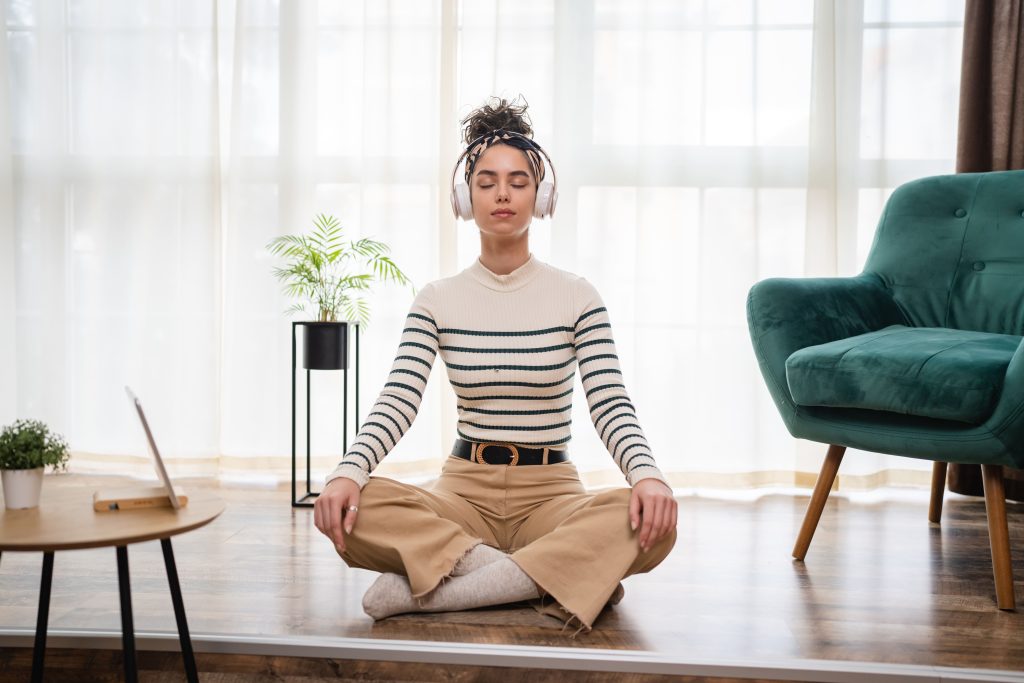
As awareness about mental health continues to grow, the exploration of the effects of music on reducing stress and anxiety has become a vital topic of interest. Music therapy has emerged as a recognized discipline, providing structured approaches for those grappling with mental health challenges. This holistic practice not only addresses symptoms of stress but also paves the way for emotional expression and healing. Incorporating music into daily routines—whether practicing active listening during a commute, unwinding with calming melodies before bed, or engaging in musical activities—can effectively contribute to overall well-being.
The journey into understanding music’s therapeutic benefits is ongoing, yet it holds the promise of offering significant relief to those navigating today’s fast-paced environment. As you delve deeper into this fascinating intersection of art and psychology, you may uncover new strategies to enhance your mental health, paving the way for a harmonious life.
DISCOVER MORE: Click here to unearth creative DIY ideas
The Power of Sound: How Music Influences Stress and Anxiety
As the day-to-day demands of life increase, the search for effective methods to combat stress and anxiety is more critical than ever. One of the most accessible and versatile tools in this quest is music. The profound connection between music and mental health has sparked extensive research, highlighting how melodies can alter mood, improve emotional well-being, and ultimately assist in managing stress levels.
A significant aspect of music’s impact on mental health comes from its ability to engage both the brain and body. When an individual listens to music, various parts of the brain are activated, including those related to emotion and memory. This activation can trigger the release of neurotransmitters, such as dopamine, which contribute to feelings of pleasure and reward. Notably, a study published in the journal Psychological Science revealed that listening to music a person enjoys can increase overall happiness, offering a potential buffer against anxiety.
The role of music in creating a relaxation response cannot be understated. According to research from the University of Maryland, listening to music can lower heart rates, reduce blood pressure, and diminish levels of the stress hormone cortisol. These physiological changes facilitate a state of relaxation, allowing individuals to cope more effectively with life’s pressures. Experts advocate for what they call “music medicine,” a practice where listening to specifically curated playlists can significantly enhance mental health outcomes.
- Background Music: Soft instrumental music can be played during tasks to create a calming environment.
- Mindful Listening: Actively engaging with music encourages present-moment awareness and reduces ruminative thinking.
- Music in Therapy: Music therapists use song selection as a therapeutic tool to help clients express emotions and process stressors.
Individuals often find comfort in creating personalized playlists to aid in times of stress or anxiety. Whether it’s classical pieces that lull the mind, upbeat pop music that injects energy, or soothing sounds of nature, curating a soundtrack for different moments can be a powerful coping mechanism. The rise of digital streaming services has made it simple to explore and collect these sounds tailored to personal needs. Many users report feeling a sense of control and empowerment when they use music to shape their emotional landscape.
Additionally, the social aspect of music—including communal listening experiences like concerts or singing in groups—can foster a sense of belonging and connectedness, essential in combating feelings of loneliness and anxiety. Research suggests that these shared experiences uplift mood, making music not just a personal solace but also a medium for enhancing social bonds. With such multifaceted approaches, understanding how music influences emotional health opens doors to innovative mental wellness strategies.
As we delve deeper into the myriad ways music can diminish stress and anxiety, it becomes clear that this universal language holds the potential for remarkable healing. Integrating music into everyday routines may not only make moments manageable but also promote a more joyful, well-balanced life.
| Category | Description |
|---|---|
| Musical Therapy | Utilizes music interventions to alleviate mental distress. |
| Emotional Regulation | Music can enhance emotional regulation, helping adults manage their feelings more effectively. |
| Relaxation Response | Listening to calming music can induce relaxation, lowering heart rates and decreasing stress levels. |
| Cognitive Function | Engaging with music can enhance cognitive functions by improving focus and mental clarity. |
| Community and Connection | Group music activities foster social bonds, reducing feelings of isolation that often accompany anxiety. |
This captivating topic of “The Effect of Music on Reducing Stress and Anxiety in Adults” can unveil a plethora of discoveries for the audience. As we delve deeper, the significance of music therapy emerges as a professional practice, not merely an art form. The integration of therapeutic music can transform emotional landscapes, helping individuals regain control over their mental states through structured musical engagement. Studies highlight that the emotional regulation music provides is profound, as it permits individuals to dive into their feelings and process them constructively. Moreover, the relaxation response triggered by harmonious melodies can serve as a powerful antidote to daily stressors. It’s fascinating to note how a simple tune could restore calmness, demonstrating music’s potential as a natural remedy.Engaging in music not only promotes intrinsic joy but also enhances cognitive abilities, as evidenced in numerous scientific explorations. The synergy of learning and relaxation forms a holistic approach to mental wellness, underscoring music’s multifaceted benefits. Additionally, the communal aspect of music-making—be it through singing, drumming, or even dancing—promotes social connections that can diminish feelings of anxiety and loneliness. This aspect is crucial as it creates a supportive environment conducive to emotional healing and growth, inviting adults to explore the transformative influence of music in their lives.
DISCOVER MORE: Click here to dive deeper
The Therapeutic Effects of Music: A Deeper Look into Its Anxiety-Reducing Properties
In the realm of mental health, the role of music therapy has gained recognition as a structured approach to addressing stress and anxiety in adults. Music therapy, conducted by certified professionals, employs music interventions to accomplish individualized goals related to emotional, social, cognitive, and physical needs. Various studies reveal that music therapy can effectively reduce symptoms of anxiety and improve overall psychological well-being. For instance, a meta-analysis published in Health Psychology Review indicates that music therapy leads to significant reductions in anxiety levels among participants across diverse settings, including hospitals and mental health clinics.
One of the core techniques utilized in music therapy is active music-making. Participants may engage in singing, playing instruments, or composing their own pieces as a form of self-expression. This active involvement not only shifts focus away from the stressors at hand but fosters a sense of achievement and purpose, ultimately leading to decreased feelings of anxiety. Furthermore, creating music with others can reinforce emotional bonds and generate feelings of support and community, reducing the sense of isolation often associated with anxiety disorders.
Another method, known as guided imagery with music (GIM), combines specific music selections with visualization techniques. Clients are encouraged to listen to selected music while visualizing peaceful imagery that promotes relaxation. This pairing is particularly beneficial as it helps clients confront and navigate their emotions more effectively, making a profound impact on reducing anxiety levels. GIM sessions have demonstrated successes in treating conditions ranging from generalized anxiety disorder to post-traumatic stress disorder (PTSD).
The Science Behind Music as a Stress Reliever
Scientific research continues to unveil the mechanisms through which music alleviates stress and anxiety. One fascinating area of study involves the concept of entrainment, wherein the human body synchronizes with rhythmic patterns found in music. A study published in the journal Neurology highlights how participants exposed to rhythmic music exhibited improved emotional processing and reduced stress markers, such as elevated cortisol levels. The beat in music thus can create a physiological response, prompting a reduction in emotional tension.
Moreover, music’s ability to facilitate mindfulness is another avenue that warrants attention. Many mindfulness practices encourage individuals to focus on the present moment, alleviating worries about the future or regrets from the past. Listening to music can serve as a form of meditation, providing a soundtrack for mindfulness practices that help individuals recenter themselves. Engaging in mindful listening—where one pays close attention to the sounds, structures, and emotional content of music—has been shown to foster relaxation and improve overall mental clarity.
In a culture where stressors continuously evolve, from fast-paced work environments to overloaded schedules, the significance of understanding the power of music in reducing anxiety is undeniable. Whether through professional music therapy, personalized playlists, or communal musical experiences, the utilization of music presents a wealth of potential in enhancing mental health outcomes for adults. As we continue to explore innovative approaches to well-being, music remains a constantly evolving and integral part of the journey toward managing stress and anxiety more effectively.
DISCOVER MORE: Click here to deepen your understanding
Conclusion: Embracing Music as a Remedy for Stress and Anxiety
As we peel back the layers of the intricate relationship between music and mental health, it becomes increasingly clear that music serves as a powerful tool in reducing stress and anxiety in adults. The compelling evidence from various studies highlights how structured methods such as music therapy and practices incorporating elements like active music-making and guided imagery harness the therapeutic potential of music to create lasting benefits on emotional well-being. The science behind how music engages the brain and body—facilitating entrainment and promoting mindfulness—opens the door to further exploration of its applications in alleviating mental health challenges.
Moreover, in today’s fast-paced world, characterized by constant demands and high stress levels, integrating music into daily routines can provide a valuable sanctuary for emotional respite. Whether through crafting personalized playlists or utilizing group music activities, adults can tap into music’s soothing melodies and rhythmic patterns to cultivate a sense of calm amidst chaos. As we continue to navigate the complexities of modern life, embracing music not only enriches our experiences but also fosters community, connection, and healing.
As the dialogue around mental health evolves, it is critical for both individuals and practitioners to consider the profound impacts of music. With continued research and innovative applications, the exploration of music’s role in stress relief and anxiety management holds immense promise, encouraging us to strike a harmonious balance between body, mind, and spirit.