The Evolution of Digital Art: Exploring New Frontiers in Artistic Expression
The Evolution of Art in the Digital Age
Art has always been a reflection of culture and technology, and in recent decades, this relationship has intensified, particularly with the rise of digital innovation. Artists are now equipped with tools that not only enhance their creative processes but also redefine the very concept of art itself. As we embrace the digital realm, we witness a profound shift in artistic expression, moving beyond traditional canvases and sculptures into a vibrant, interactive universe.
Digital Painting is one of the standout genres within this new movement. Artists can manipulate colors and textures with precision using software such as Adobe Photoshop or Procreate. This medium allows for the creation of intricate details that may be hard to achieve in traditional painting, while also providing the flexibility to easily undo mistakes or try out different techniques. An excellent example of digital painters is the American artist Greg Rutkowski, whose fantasy landscapes have garnered millions of views online, showcasing how digital art can captivate broad audiences.
The field of 3D Modeling has also made dramatic advances. Using programs like Blender or Maya, artists create everything from hyper-realistic characters for video games to stunning visual effects in blockbuster films. This genre not only enhances the entertainment industry but also paves the way for virtual reality experiences that immerse users in entirely new worlds. An example of a successful application of 3D modeling is the 2021 video game “Ratchet & Clank: Rift Apart,” which dazzled players with stunning visual details and intricate worlds, enhanced by 3D modeling skills.
Another fascinating form of digital art is GIF Art, which consists of short, looping animations that engage viewers through humor or visual intrigue. This format serves not only as a unique art form but also as a method of communication in the digital age, where ideas often consume only a few seconds of attention. Artists like Nick Knight have transformed this simple medium into a sophisticated art form, creating conversations and layered meanings within a few moments of movement.
In recent years, Generative Art has emerged as a frontier of creativity, utilizing algorithms and code to produce artwork that can be astonishingly complex and unique. These pieces are often created through programming languages like Processing or openFrameworks, where the artist sets parameters, and the computer takes over the creative process. This instance of collaboration—and, in some cases, the role reversal of artist and machine—poses intriguing questions about creativity and authorship.
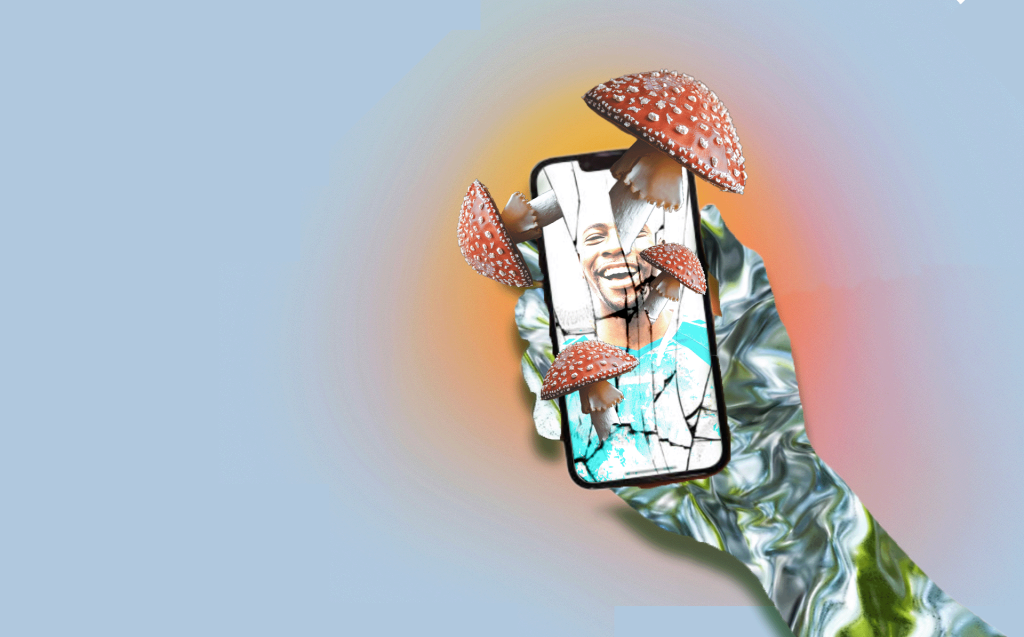
The rise of digital art is not merely a trend; it reflects a cultural shift in how we perceive art. Online platforms like Instagram, DeviantArt, and virtual galleries allow artists to bypass traditional gatekeepers, sharing their work with global audiences instantly. This democratization of art fosters a rich dialogue between creators and viewers, challenging the conventional definitions of artists and their audiences.
As we continue to explore digital art, it’s essential to consider what defines art in this new age. Does the medium matter, or is it the idea and intention behind the creation that resonates with viewers? These questions invite us to reflect on the evolving nature of artistic expression and challenge preconceived notions about what constitutes art, stimulating a broader conversation about creativity in our technologically driven society.
DIVE DEEPER: Click here to discover more about crafting for well-being
New Mediums and Methods: A Transformative Shift
The ascendance of digital art has opened up a plethora of mediums and methods that challenge the limits of traditional artistic practices. As technology evolves, artists tap into new tools that not only enhance their capabilities but also expand what we understand as art. This creative revolution has fundamentally changed the dynamics of how art is produced, shared, and experienced—shifting the center of gravity from galleries and studios to online platforms and digital canvases.
One of the most exciting developments in the digital art landscape is the rise of Virtual Reality (VR) Art. Artists like Oculus Medium and Tilt Brush enthusiasts have harnessed the immersive power of VR to create 3D masterpieces in a virtual space. This method allows artists to literally step inside their creations, manipulating dimensions and perspectives as never before. Marrying art and technology in this way has given birth to experiences that challenge viewers’ interactions, making them part of the artwork. Recent installations, such as the “Carnegie Mellon University’s VR Art Gallery, ” mesh physical and digital worlds—where viewers don VR headsets and traverse a gallery teeming with surreal landscapes and abstract sculptures.
Another notable application is in the realm of Augmented Reality (AR). Artists use AR to enhance real-world environments with digital overlays that can be experienced through smartphones and tablets. This technology has captured public imagination in projects like “ARTivive,” an app that brings static art pieces to life, allowing viewers to see animations or additional layers of information with a simple scan. This innovative approach not only creates new possibilities for storytelling but also positions art as an experience rather than a mere object, engaging audiences in novel and meaningful ways.
The combination of digital photography with post-processing techniques has also transformed how images are conceptualized and presented. Through platforms like Instagram, photographers now curate entire narratives rather than isolated shots. The ease of editing with tools like Lightroom and Snapseed allows for an endless array of visual storytelling possibilities, enabling artists to evoke emotions through color correction, special effects, and compositional alterations. High-profile digital photographers like Murad Osmann, famed for his #FollowMeTo series, have successfully leveraged social media to gain widespread recognition, blending traditional photography with contemporary digital manipulation.
Moreover, social media platforms have become a breeding ground for collaborative art projects, where artists connect and co-create across the globe in real-time. Artists can now engage with each other through apps like Google Arts & Culture, leading to cross-cultural exchanges that were previously unattainable. Each of these new realms of digital expression not only showcases individual creativity but also promotes a sense of community among artists and art lovers alike.
- Virtual Reality (VR) Art: Immersive 3D experiences that blend real and virtual worlds.
- Augmented Reality (AR): Enhancing real-world art with digital information accessible via devices.
- Digital Photography: Curating narratives with post-processing tools and social media platforms.
- Collaborative Projects: Global artistic collaborations facilitated through technology.
The digital art realm is expansive and continually evolving. As we delve deeper into this artistic frontier, it becomes apparent that the lines between technology and creativity are increasingly blurred, creating a fascinating landscape where innovation knows no bounds. Each new form invites us to reconsider our understanding of art, pushing boundaries and igniting discussions on creativity’s future in our modern world.
| Category | Description |
|---|---|
| Augmented Reality (AR) | AR transforms the way we interact with art by overlaying digital creations onto the physical world, enhancing viewer experience. |
| Virtual Reality (VR) | VR immerses users in a digital gallery environment, offering a unique, interactive exploration of artistic works. |
| Blockchain Technology | Blockchain guarantees authenticity and provenance in digital art, allowing artists to monetize their work securely. |
| Generative Art | Generative art employs algorithms to create unique pieces, merging technology and creativity in extraordinary ways. |
The integration of augmented reality (AR) and virtual reality (VR) into the art world marks a significant progression in how we perceive and interact with artistic expression. With AR, artists can superimpose their work into our physical reality, leading to a new level of audience engagement. This is particularly striking in public installations where digital art can coexist with environmental elements.On the other hand, VR presents a complete virtual environment where viewers can ‘walk’ through immersive experiences of artistic exploration. This technology is not just a novelty; it serves as a platform for artists to reimagine traditional forms of storytelling and viewer interaction.Moreover, the rise of blockchain technology is revolutionizing the ownership and sale of digital arts, ensuring that each piece’s authenticity can be backed by tangible proof. This secures artists’ rights and facilitates better revenue streams. Additionally, the emergence of generative art, where algorithms generate unique artworks, challenges the traditional perception of the artist’s role and sparks conversations on creativity and authorship in the digital age. Through these innovations, the landscape of digital art continues to expand, inviting both artists and audiences to explore unprecedented frontiers in artistic expression.
DIVE DEEPER: Click here to uncover the power of creative writing
Artificial Intelligence: Redefining Creativity
The integration of Artificial Intelligence (AI) into the digital art landscape has introduced a transformative element, fundamentally altering notions of creativity and authorship. Artists are embracing AI-driven tools like DeepArt and DALL-E, which can generate images based on textual descriptions, leading to the emergence of a new genre known as Generative Art. This form of art leverages algorithms and machine learning to create pieces that are often unexpected and provocative. Renowned AI art initiatives, such as those by artist Refik Anadol, showcase how data can be visualized in mesmerizing ways, pushing boundaries beyond human capability alone.
Generative art challenges the notion of the artist as the sole creator. Instead, it fosters collaboration between human input and technology, raising questions about authenticity and the role of the artist in a digital age. In fact, the debate surrounding AI-generated art has intensively surfaced, especially after AI-generated works sold at auction for significant sums, with one piece fetching a staggering $432,500 at Christie’s in 2021. Such moments spark crucial dialogues about the future of artistic expression and the implications of AI in the broader art world.
Blockchain Technology: Empowering Artists through NFTs
The rise of Non-Fungible Tokens (NFTs) represents one of the most revolutionary changes in the digital art domain. Built on blockchain technology, NFTs have created a new model for artists to monetize their work while ensuring provenance and ownership. Artists like Beeple have gained immense prominence and financial success by transforming digital illustrations into NFTs, highlighting a shift in how artworks are valued in contemporary culture. In March 2021, Beeple’s NFT artwork “Everydays: The First 5000 Days” made headlines when it sold for a staggering $69 million, solidifying the role of digital art and NFTs in the mainstream art market.
NFTs empower artists to regain control over their intellectual property by allowing them to program royalties directly into the smart contracts associated with their work. This generates ongoing revenue streams each time the NFT is resold, a feature absent in traditional art sales. The democratization of art access that NFTs promise is notably impactful, providing emerging and mid-career artists an avenue to reach global audiences without relying solely on established galleries.
Artistic Communities in the Digital Sphere
Digital mediums have fostered the creation of vibrant online communities that unite artists and enthusiasts across geographical boundaries. Platforms like DeviantArt and Behance are not merely showcase sites; they serve as interactive hubs where feedback can be exchanged in real-time, sparking collaborations and cross-pollination of ideas. In addition, emerging sites such as ArtStation cater specifically to digital creators in fields like gaming, animation, and film, allowing for specialized networking within niche markets.
This has led to an era in which artistic expression transcends the boundaries of individualism, instead embracing a collective ethos where artists can support one another, share techniques, and even create collective projects. Exercises, such as challenges and themed art projects, enable artists to explore new styles or techniques while gaining visibility within these communities. As a result, the landscape of digital art becomes more inclusive and supportive, encouraging diverse voices and innovative expressions to flourish.
- Artificial Intelligence (AI): Transforming creativity and authorship through Generative Art.
- Blockchain & NFTs: Redefining ownership and monetization in the digital art space.
- Online Communities: Fostering collaboration and feedback across global artistic networks.
As digital art evolves, these technological developments and social dynamics weave together to shape a robust future for artistic expression, demanding continual exploration and adaptation in response to advancing tools and shifting cultural landscapes.
DISCOVER MORE: Click here for amazing paper craft techniques
Conclusion: Embracing the Future of Digital Art
The evolution of digital art is a testament to the relentless pursuit of innovation in artistic expression. As we stand at the intersection of technology and creativity, it becomes evident that tools like Artificial Intelligence, Blockchain, and vibrant online communities are not merely enhancing the artistic process; they are redefining it. AI’s capacity to generate unexpected and thought-provoking works has initiated a growing discourse on authorship and creativity’s very essence, prompting both artists and audiences to rethink their relationship with art.
Moreover, the introduction of Non-Fungible Tokens (NFTs) has revolutionized the art market, providing new pathways for artists to claim ownership and garner financial rewards. This ongoing transition underscores a shift in how art is consumed and valued, signifying a democratization that empowers creators from varied backgrounds, particularly those who were previously underserved by traditional platforms.
As digital mediums continue to foster connectivity through artistic communities, the collaborative spirit flourishes, bridging gaps between diverse practices and enriching the landscape of digital art. The interplay between individual talent and collective support underscores an essential narrative of our time—one where voices are amplified, and creativity knows no boundaries.
In summary, as we explore these new frontiers in artistic expression, we are invited to reflect on the fascinating potential of digital art. The future holds limitless possibilities that challenge the conventions of creativity, ensuring that as artists embrace innovative tools and methodologies, they continue to inspire and captivate audiences worldwide.