The Impact of Board Games on Group Problem Solving

The Influence of Board Games on Collaborative Thinking
Board games are no longer confined to family game nights or rainy afternoons; they have become dynamic tools for fostering collaborative problem-solving. In today’s interconnected world, where teamwork can be pivotal—be it in corporate boardrooms, classrooms, or community organizations—these games offer both a fun escape and a valuable exercise in strategic thinking and cooperation.
The benefits that stem from engaging in board games extend far beyond just having a good time. One of the most significant advantages is enhanced communication. Players must not only express their ideas but also persuade their teammates and negotiate with opponents, sharpening their verbal and non-verbal communication skills. For instance, in a game like Catan, players must trade resources to build settlements and roads effectively. This trade relies heavily on conveying intentions and negotiating deals, teaching players how to articulate their thoughts clearly and effectively.
Another critical benefit is the development of critical thinking skills. Many board games present players with intricate scenarios that require thorough analysis and foresight. In games like Pandemic, players must strategize collaboratively to prevent outbreaks of diseases across the world. This cooperative gameplay compels players to evaluate the situation continuously, predict potential outcomes, and adjust their plans accordingly. Such experiences encourage deep cognitive processes that can be translated to real-world problem-solving.
Moreover, board games provide a platform for conflict resolution. As players navigate the often competitive nature of games, they inevitably face disagreements and challenges from opponents and teammates alike. These moments foster opportunities to practice managing differences calmly and constructively. For example, in games like Ticket to Ride, players may disagree on route choices that can impact everyone’s strategy. Learning to negotiate and compromise during such conflicts cultivates essential interpersonal skills invaluable in both personal and professional realms.
The intersection between enjoyment and learning through board games reveals their power as educational tools. Organizations and educators are increasingly leveraging these games to build a culture that prioritizes cooperation and innovative thinking. Programs embracing this approach have reported increased engagement and collaboration among participants, underlining the diverse applications of board games in developing strategic initiatives across multiple sectors.
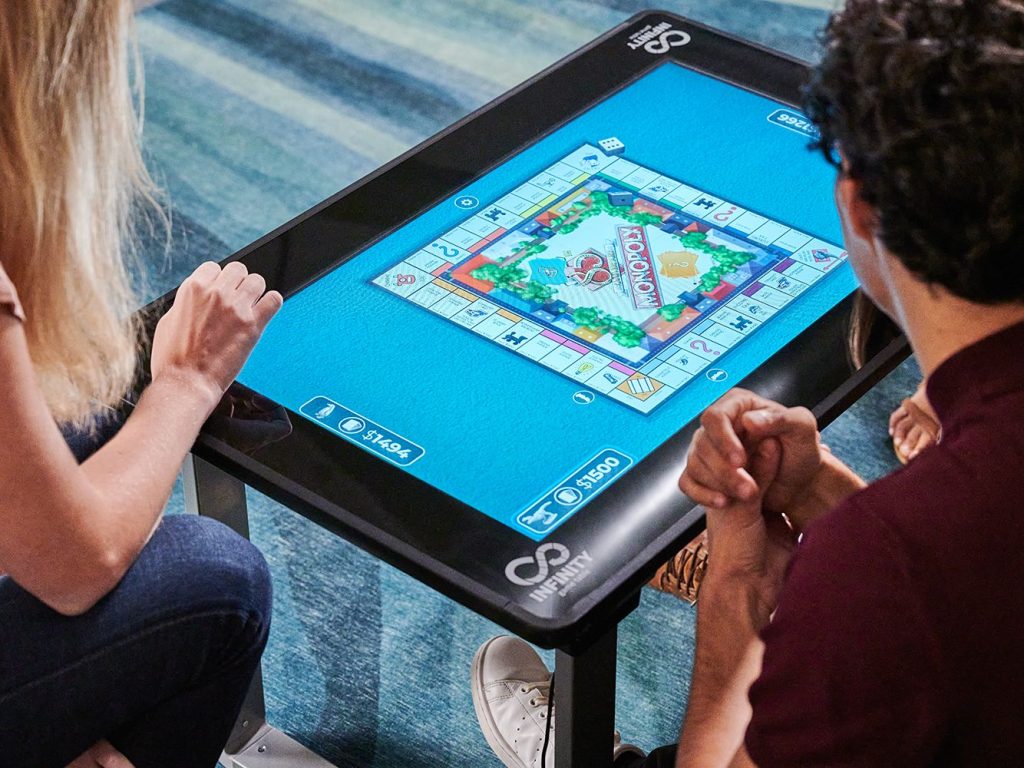
In summary, board games are not merely a form of entertainment; they are vibrant arenas for developing communication skills, critical thinking, and conflict resolution abilities. In an era where teamwork can make or break success, the strategic use of these games presents an exciting opportunity for growth in collaborative capabilities. As more people explore the potential of board games, the blend of fun and learning continues to reveal itself as a crucial aspect of personal and professional development.
DISCOVER MORE: Click here to learn how memory games can boost your brain
The Dynamic Role of Board Games in Team Collaboration
As organizations continue to prioritize teamwork and collective strategy, the impact of board games on group problem-solving grows increasingly relevant. These games stimulate various cognitive skills and enhance interpersonal relationships, making them an essential resource for teams looking to navigate complex challenges together. By engaging in board games, players experience the mechanics of problem-solving in real time, allowing them to practice and refine crucial skills that translate to their working environments.
One of the profound ways board games contribute to successful group problem-solving is through role assignment and distribution of tasks. In many games, players assume different roles that come with specific responsibilities and capabilities. For example, in a cooperative game like Hanabi, players work as a team to create a beautiful fireworks display, yet they can only see each other’s cards, not their own. This aspect requires players to delegate responsibilities based on strengths and to communicate vital information efficiently to succeed. Such simulations encourage players to understand each member’s strengths and weaknesses, mimicking real-world scenarios where effective task assignment can dictate project success.
Moreover, board games often present time pressure and resource management scenarios that reflect real-life decision-making processes. Games like 7 Wonders compel players to make strategic choices within a limited timeframe, forcing them to think critically and prioritize actions while considering potential consequences. This time constraint pushes teams to collaborate quickly, evaluate choices, and adapt strategies in an environment that mirrors high-stakes business settings. Such experiences can lead to quicker decision-making in collaborative tasks outside of the game.
Key Skills Developed Through Board Games
The following skills are frequently developed during board game sessions and significantly enhance group problem-solving capabilities:
- Strategic Planning: Anticipating opponents’ moves requires teams to strategize, fostering foresight that is directly applicable in professional contexts.
- Adaptability: Games often evolve based on players’ decisions, teaching teams to pivot their strategies flexibly as new challenges arise.
- Creative Thinking: Board games encourage imaginative solutions. When confronted with unique game dynamics, collaborative brainstorming leads to innovative problem-solving techniques.
- Emotional Intelligence: Players must read their teammates’ emotions and reactions, enhancing understanding and empathy, which are critical for successful teamwork.
The overall experience of engaging in board games fosters trust and cohesion within teams. As players collaborate to achieve common goals, they build relationships that contribute to a positive team culture. This camaraderie is instrumental in improving communication and collaboration when approaching group projects or solving complex problems in the workplace.
As more organizations recognize the multifaceted benefits of board games, the potential for these games as instruments of collaborative learning and problem-solving continues to expand. From corporate training initiatives to educational programs, integrating board games into team development strategies may just be the key to honing the collaborative skills essential for success in today’s fast-paced environments.
| Category | Advantages |
|---|---|
| Social Interaction | Board games encourage communication and foster teamwork among participants. |
| Critical Thinking | Players use strategic thinking to solve challenges, enhancing cognitive skills in a fun environment. |
The social aspect of board games cannot be overlooked. They serve as a conduit for interaction between individuals, breaking down barriers and building connections. As participants strategize and negotiate their paths to victory, they naturally enhance their teamwork skills. This dynamic not only allows for the growth of relationships but also creates a platform for effective communication, as players must articulate their thoughts and collaborate with others.Furthermore, engaging in board games compels players to think critically, fostering skills that are essential in today’s problem-solving scenarios. The structured challenges posed by these games deepen strategic thinking, as players analyze situations and make informed choices. This aspect of board games cultivates cognitive skills that extend beyond the game board, influencing how individuals tackle real-world dilemmas. Through exploring these elements, you can see how board games transcend mere entertainment, functioning as powerful tools for enhancing group problem-solving abilities.
DIVE DEEPER: Click here to enhance your skills
Facilitating Communication and Conflict Resolution through Board Games
Another critical aspect of board games that enhances group problem-solving is the improvement of communication skills. In the high-pressure environment of a game, players must convey their thoughts, plans, and strategies clearly and effectively. For instance, in a game like Risk, players not only need to articulate their tactics for world domination but also negotiate alliances and deal with betrayals, requiring clear and persuasive communication. This mirrors workplace scenarios where expressing ideas and negotiating terms can make or break projects. The ability to communicate succinctly under pressure fosters a skill set that translates seamlessly into corporate discussions and teamwork.
Furthermore, board games create a controlled environment for conflict resolution. Disagreements are common during gameplay, whether it’s over misinterpreted rules or diverging strategies. Engaging in these disputes allows players to practice resolving conflicts constructively. For example, in games such as The Resistance, players must identify and address hidden agendas within the group. The process of negotiating outcomes and finding common ground helps teams learn the art of compromise and cultivate negotiation skills that are valuable in professional settings. Through these experiences, players can develop a roadmap for handling conflicts in their work lives, often leading to more harmonious and productive team dynamics.
The Influence of Board Game Variety on Problem-Solving Skills
The wide array of board game genres also plays a significant role in enhancing different facets of teamwork and problem-solving. Strategy games like Catan focus on resource management and strategic placement, teaching players about opportunity cost and long-term planning. In contrast, party games such as Codenames foster quick thinking and creativity as players communicate concepts through clues and associations. This diversity of play styles allows teams to engage in multiple contexts, thereby broadening their skill set. Engaging with various types of board games nurtures a well-rounded approach to problem-solving that is adaptable and versatile, essential traits in the ever-changing corporate landscape.
Data backs the efficacy of board games as a developmental tool, with a study from the American Psychological Association suggesting that interactive play enhances cognitive functioning in adults, leading to improved problem-solving abilities and increased team morale. Moreover, many companies have begun to recognize the powerful role of board games in enhancing employee engagement and collaboration, integrating game-based learning into training sessions and team-building retreats.
- Enhances Listening Skills: Players must be attuned to their teammates’ comments and cues, improving overall listening skills that are vital for effective teamwork.
- Builds Shared Vocabulary: Playing together creates shared experiences and a common language, reinforcing team cohesion and enhancing communication.
- Cultivates Competitive Spirit: Healthy competition in board games can drive teams toward high performance, encouraging them to push their limits while collaborating.
As teams delve into board games, they uncover layers of collaboration that often go unexamined in everyday tasks. The dynamics experienced during gameplay can inspire new methodologies for tackling challenges, ultimately leading to greater success in group problem-solving scenarios.
DISCOVER MORE: Click here to delve deeper
Conclusion: Harnessing the Power of Board Games for Effective Team Dynamics
In conclusion, the impact of board games on group problem-solving is profound and multifaceted. As explored, these engaging pastimes facilitate communication skills, enhance conflict resolution, and adaptively challenge participants through diverse gameplay experiences. The simulation of real-world scenarios during gameplay not only aids teams in honing their strategic thinking and collaboration skills but also helps cultivate a conducive environment for creativity, motivation, and innovative problem-solving.
The variety of board games, from strategy-heavy options like Catan to quick-witted party games like Codenames, allows teams to experience a rich spectrum of problem-solving contexts. Each game nurtures vital skills that translate seamlessly into professional settings, where effective teamwork and negotiation are crucial for success. As evidenced by research from the American Psychological Association, this playful engagement has tangible benefits for cognitive functioning, ultimately fostering improved team morale and performance.
Moreover, as organizations increasingly recognize the value of game-based learning in professional development, embracing board games as a training tool could revolutionize team dynamics. To further explore this fascinating intersection of play and productivity, teams should consider incorporating board games into their work culture—creating not just an opportunity for fun, but a pathway to enhanced problem-solving capabilities and stronger collaborative ties. The call to action is clear: harness the power of board games to elevate your team’s performance and adaptability in today’s ever-evolving workplace.
Related posts:
Problem-Solving Strategies in Escape Games: Learning to Collaborate Under Pressure
The Psychology Behind Problem Solving in Mind Games
The Role of Strategy in Solving Complex Mind Games
The Influence of Time Pressure on Problem Solving in Competitive Puzzles
The Psychology Behind Logic Games: How to Solve Problems Creatively
The Effect of Collaborative Mind Games on Group Problem Solving

Linda Carter is a writer and puzzle expert specializing in mind games, brain teasers, and cognitive challenges. With extensive experience helping individuals enhance their problem-solving skills and think critically, Linda shares her knowledge on our platform. Her goal is to empower readers with practical advice, engaging puzzles, and strategies to sharpen their minds and achieve success in the captivating world of mind games and puzzles.