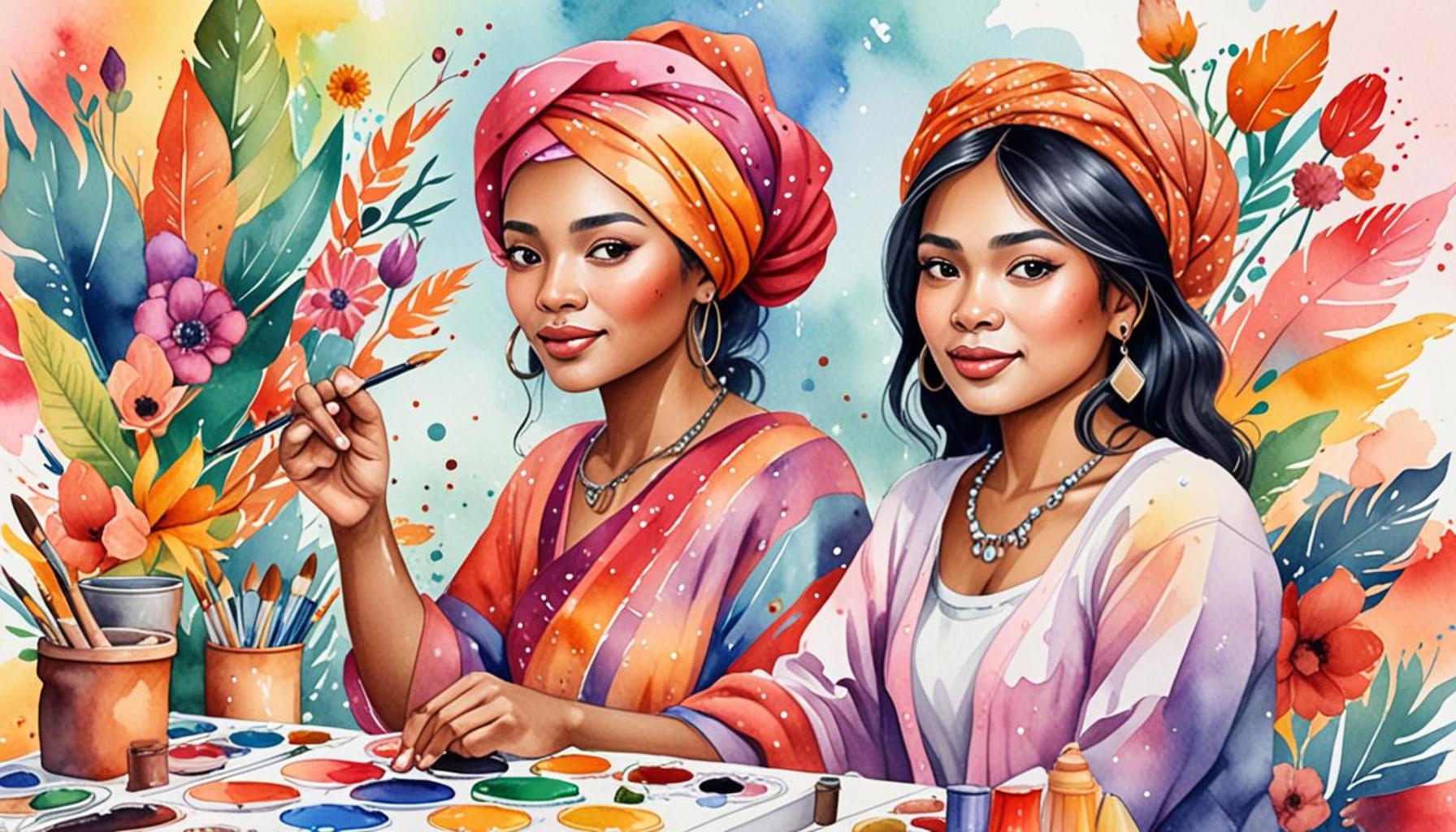
The Impact of Collaborative Art: How Collective Projects Stimulate Community and Creativity
Understanding Collaborative Art’s Impact on Communities
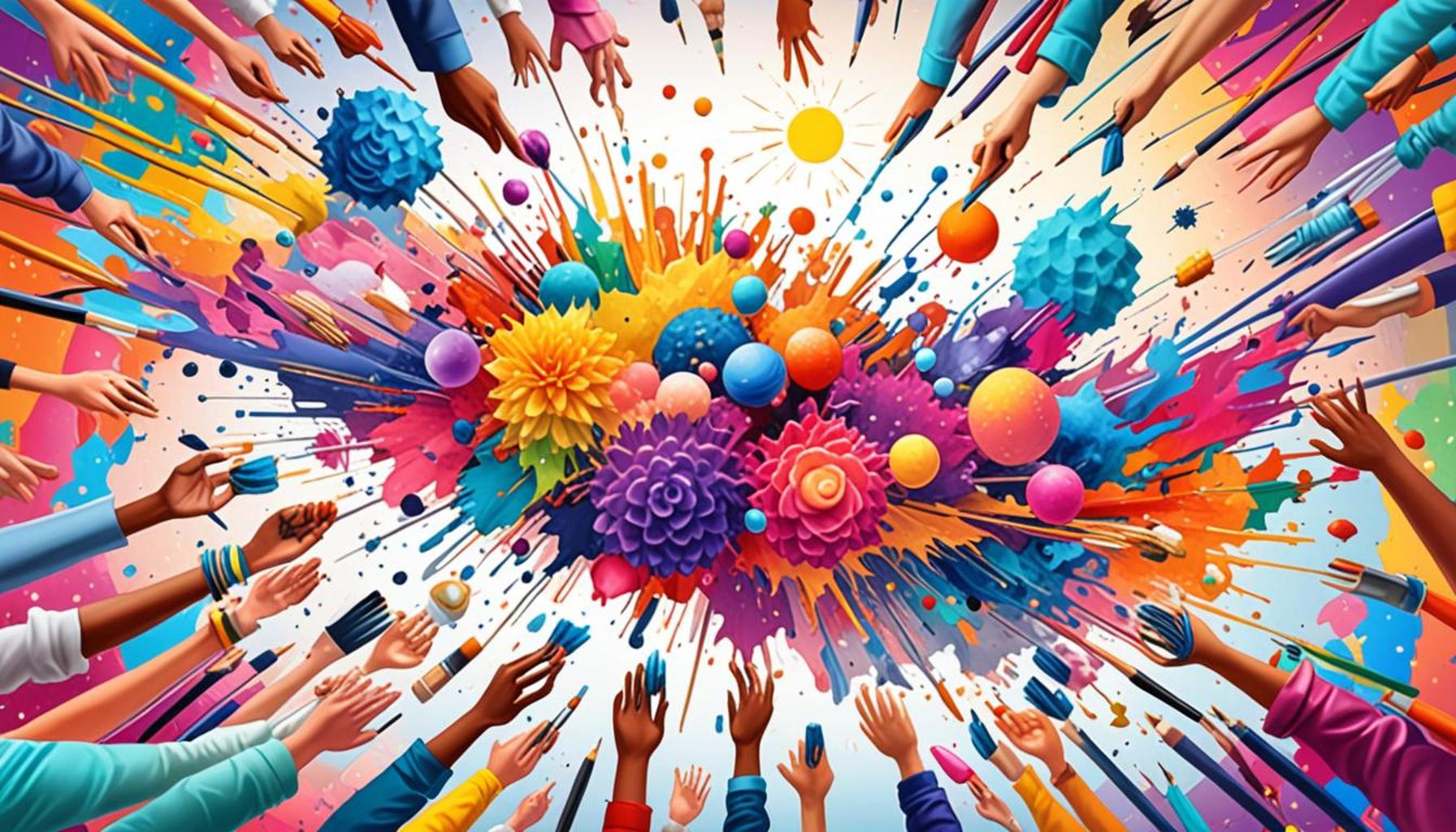
In the contemporary landscape of artistic expression, the phenomenon of collaborative art stands out not merely as a creative endeavor but as a transformative element in community development. By bringing individuals together to engage in *collective projects*, these initiatives allow for shared stories and joint creativity, contributing significantly to social cohesion and community resilience.
One of the most crucial attributes of collaborative art is its inclusivity. This approach often invites individuals from diverse backgrounds—age, ethnicity, socio-economic status—to take part. For instance, community-driven mural projects in cities like Philadelphia and Richmond have not only beautified the surroundings but also encouraged residents to express their unique narratives, thereby fostering empowerment and representation. This inclusivity ensures that different voices are amplified, creating a richer tapestry of experiences and insights within the artwork.
Additionally, collaborative art plays a vital role in skill development. Participants of varying skill levels often learn from one another in these environments, facilitating a unique exchange of techniques and ideas. Workshops focused on art forms such as mural painting or sculpture allow artists to mentor those who are less experienced, leading to personal growth. A notable success story can be seen in the “Art for the People” initiative in Austin, Texas, where artists lead community workshops that engage local residents in artistic practices, thus helping them discover and refine their own artistic talents.
The creation of art in a group setting inherently fosters social connections, breaking down barriers and building relationships among participants. This sense of community often extends beyond the project, creating lasting bonds that encourage ongoing collaboration. For example, the “Human Library” initiative, popular in various U.S. cities, invites individuals to “check out” human books—people from diverse backgrounds sharing their life stories. Through this initiative, participants engage in deep dialogues that enhance empathy and understanding within the community.
Beyond personal interactions, collaborative art projects have proven to be instrumental in reviving neighborhoods, invigorating local economies, and instigating social change. Urban community murals not only transform grim landscapes into vibrant showcases of collective identity but also attract tourism, thus providing economic benefits to the area. The ongoing mural fest in Los Angeles exemplifies this, drawing attention to artists’ works while simultaneously engaging local businesses and residents. As the art world continues to evolve, the significance of collaborative efforts becomes even clearer—suggesting that the process of collective creation is just as vital as the artworks produced. These projects transcend mere decoration, serving as catalysts for community engagement and positive change.
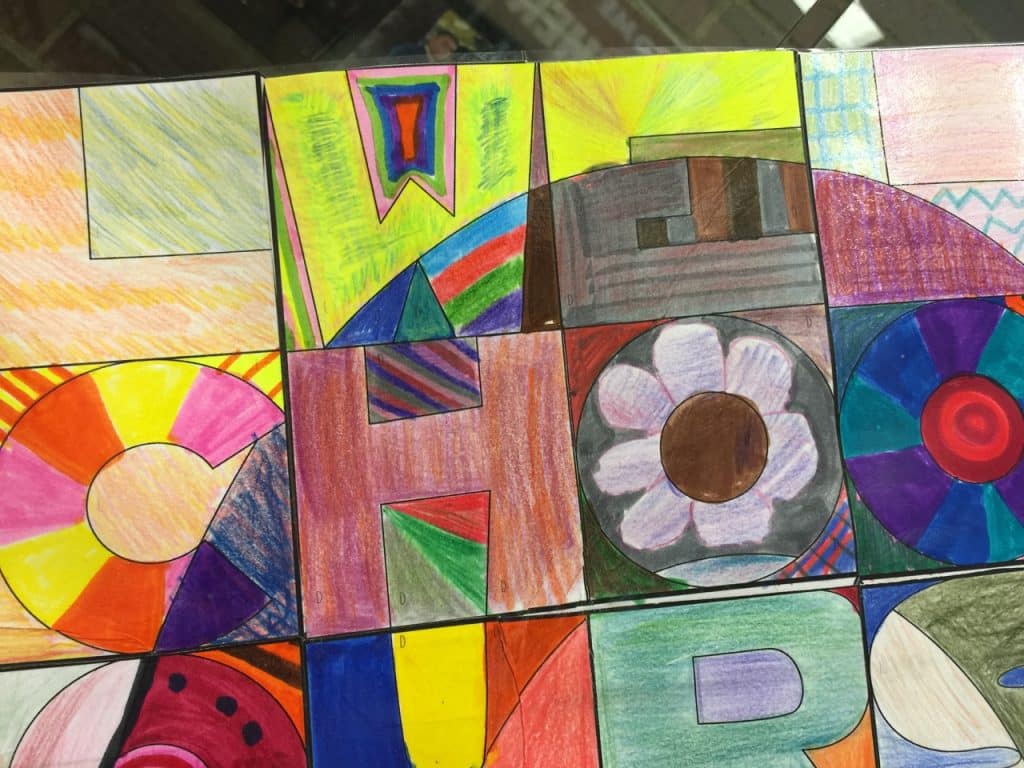
DISCOVER MORE: Click here to learn how music can enhance your confidence
Collaborative Art as a Catalyst for Community Engagement
Collaborative art is more than a novel concept; it encompasses a diverse spectrum of practices that actively engage communities and encourage participation across various demographics. The heart of this artistic movement beats in local neighborhoods where collective projects not only spark creativity but also uniquely unite participants, helping to forge meaningful connections and enhancing community identity.
At the core of collaborative art lies the principle of community engagement through shared experiences. Artists and community members join forces in a multitude of ways, breaking down traditional barriers associated with artistic expression. Often, these projects emerge as grassroots initiatives that empower individuals to collaborate on shared visions; one prominent example is the “Paint the Town” project in New Orleans. This initiative brought together local artists and residents in creating murals that celebrate the city’s rich history and cultural vibrancy, showcasing stories that might otherwise remain untold.
Another notable benefit of collaborative art is its transformative ability to enhance community pride. Through the act of working together toward a common goal—whether it be beautifying a park, creating a public installation, or organizing a community theater production—participants often develop a sense of ownership over the artistic outcome. The act of creating art collaboratively fosters a collective ethos that permeates the community long after the project concludes. Before the creation of the “Big Draw” festival in various U.S. cities, community members were often unaware of each other’s talents. However, through this shared experience, relationships flourished as they painted, sketched, and crafted side by side.
To truly understand the impact of collaborative art on creativity and community, it’s essential to consider the multitude of projects that exemplify this phenomenon. These initiatives can include:
- Community Murals: Large-scale artworks created with the input and assistance of local residents, bringing festivity and vibrancy to urban spaces.
- Collaborative Performances: Theater productions that involve actors from the community, narrating local stories that reflect their lived experiences.
- Creative Workshops: Skill-sharing sessions that encourage participants to learn from one another, ultimately boosting self-esteem and fostering artistic growth.
- Art Fairs: Events that showcase the talent of local artists while inviting audience participation in creative activities, providing an avenue for artistic expression.
The long-term effects of collaborative art are profound, often leading to communities that are more resilient and connected. By participating in collective projects, individuals not only experience personal growth but also contribute to a shared narrative that enriches their community. Such initiatives further demonstrate the power of creativity as a unifying force, showing that when people come together in pursuit of a common artistic goal, the outcome can extend far beyond the canvas or stage and into the very fabric of community life.
| Category | Description |
|---|---|
| Community Engagement | Collaborative art projects foster interaction among diverse groups, strengthening social bonds. |
| Creativity Boost | Working together encourages innovation, combining individual ideas into unique, new perspectives. |
One of the profound impacts of collaborative art is its ability to enhance community engagement. When individuals come together to create art, they break down social barriers and foster an environment where interaction thrives. This collaboration often leads to the establishment of strong relationships among participants, whether they are long-standing residents or newcomers. Engaging with their community through creative endeavors not only enhances their sense of belonging but also cultivates a shared identity.Furthermore, collaboration significantly boosts creativity. The dynamic interplay of different perspectives allows for the cross-pollination of ideas, resulting in innovative concepts that would not emerge in isolation. Collective projects can encompass various forms of expression, such as mural painting, sculpture, or performance art, each bringing a unique element to the creative process. Each participant contributes their skills and ideas, generating a rich tapestry of artistic output that embodies the collective vision. Such engagement ignites passion and inspires others to explore their artistic potential, ultimately enriching the cultural fabric of the community. Through these collective endeavors, the impact of art transcends aesthetic appeal and enters the realm of social transformation, significantly influencing community dynamics and fostering a spirit of collaboration. The intersection of creativity and community showcases the power of shared artistic experiences to bring about positive change, highlighting the necessity of such projects in today’s societal landscape.
DIVE DEEPER: Click here to discover your creative voice
The Ripple Effect of Collaborative Art on Creativity and Social Cohesion
As communities engage in collaborative art projects, the benefits often extend far beyond the immediate artistic results. These initiatives play a pivotal role in not only stimulating creativity but also fostering lasting social connections that contribute to a more cohesive and vibrant community. Through the act of collaboration, individuals begin to recognize their own creative potential, which can lead to an increase in overall participation in the arts.
One compelling aspect of collaborative art is its ability to bridge divides. In a multicultural society like the United States, collective art projects allow participants from different backgrounds to come together, learn about one another, and share their diverse perspectives. A prime example is the “Rivers of Steel” project in Pittsburgh, which centers on the rich industrial history of the area. By engaging artists and community members from various ethnicities, the initiative not only celebrated local heritage but also created dialogue around cultural exchange. Participants collaborated to create sculptures and installations that embody their collective narratives, promoting understanding and harmony through artistic expression.
The interactive nature of collaborative art also plays a significant role in enhancing social skills among participants. In a workshop setting, for instance, individuals learn to communicate effectively, compromise, and work as a team—skills that are valuable both within the context of artistic endeavor and in broader community interactions. The “Art for All” initiative in San Diego exemplifies this, where community members, including at-risk youth, participate in joint mural projects that promote empowerment and collaboration. The relationships built during these sessions can lead to ongoing partnerships and support networks, ultimately contributing to a stronger community fabric.
Moreover, the impact of these collaborative efforts can be seen through economic revitalization. Public art projects often attract tourism and foot traffic to neighborhoods, boosting local businesses and encouraging economic growth. A notable case is the “Art Walk” initiative in the historic district of Los Angeles; by involving local artists and residents in temporary art installations along the streets, the event has resulted in increased visitor numbers and has fostered a sense of identity. Such economic benefits provide even more incentive for communities to invest in collaborative art ventures.
The educational component of collaborative art is another vital aspect that should not be overlooked. Programs that integrate art into the community can enhance educational outcomes by providing young people with a platform to express their ideas and creativity. For instance, schools in various districts have initiated projects where students work alongside local artists to create murals reflecting their community values. This has not only invigorated the students’ passion for art but has also inspired them to take pride in their local environment, thus fortifying the bond between education and community development.
In essence, collaborative art serves as both a canvas and a blueprint that reveals new possibilities for social interaction and creative expression. By bringing together diverse groups of people, these projects catalyze not just artistic metamorphosis but also community transformation. As communities invest in such initiatives, they begin to build a foundation where creativity and connection flourish, weaving a richer tapestry of communal life that celebrates both individuality and unity.
DIVE DEEPER: Click here to unlock your creative potential
Conclusion: Embracing the Collaborative Spirit for a Vibrant Community
In conclusion, the profound impacts of collaborative art initiatives reveal themselves through enhanced creativity, enriched social dynamics, and a revitalized sense of community. As we’ve explored, these projects serve not only as a means of artistic expression but also as tools for fostering connections among individuals from diverse backgrounds. The ability of collective art to bridge cultural divides and promote empathy underscores its vital role in building a more inclusive society.
Moreover, the benefits extend into the economic realm, where public art projects can spark interest and activity in underserved neighborhoods, effectively breathing new life into local economies. As illustrated by various examples such as the “Art Walk” in Los Angeles, investing in collaborative art not only beautifies public spaces but also drives community engagement and supports local businesses.
The educational aspect of these initiatives cannot be overlooked, as collaborative art provides youth with avenues for self-expression and personal development. By integrating art into educational settings, communities nurture a new generation of creative thinkers and active participants, solidifying the bond between culture and education.
Overall, embracing collaborative art is a pathway toward fostering a richer, more vibrant community where creativity and connection harmoniously coexist. As we look to the future, it is essential that communities recognize the potential of these collective projects and actively participate in shaping a shared narrative that celebrates both individuality and unity. Ultimately, the impact of collaborative art transcends the canvas, paving the way for a more cohesive and inspired society.