The Influence of Strategic Thinking in Competitive Board Games and Their Impact on Cognitive Development
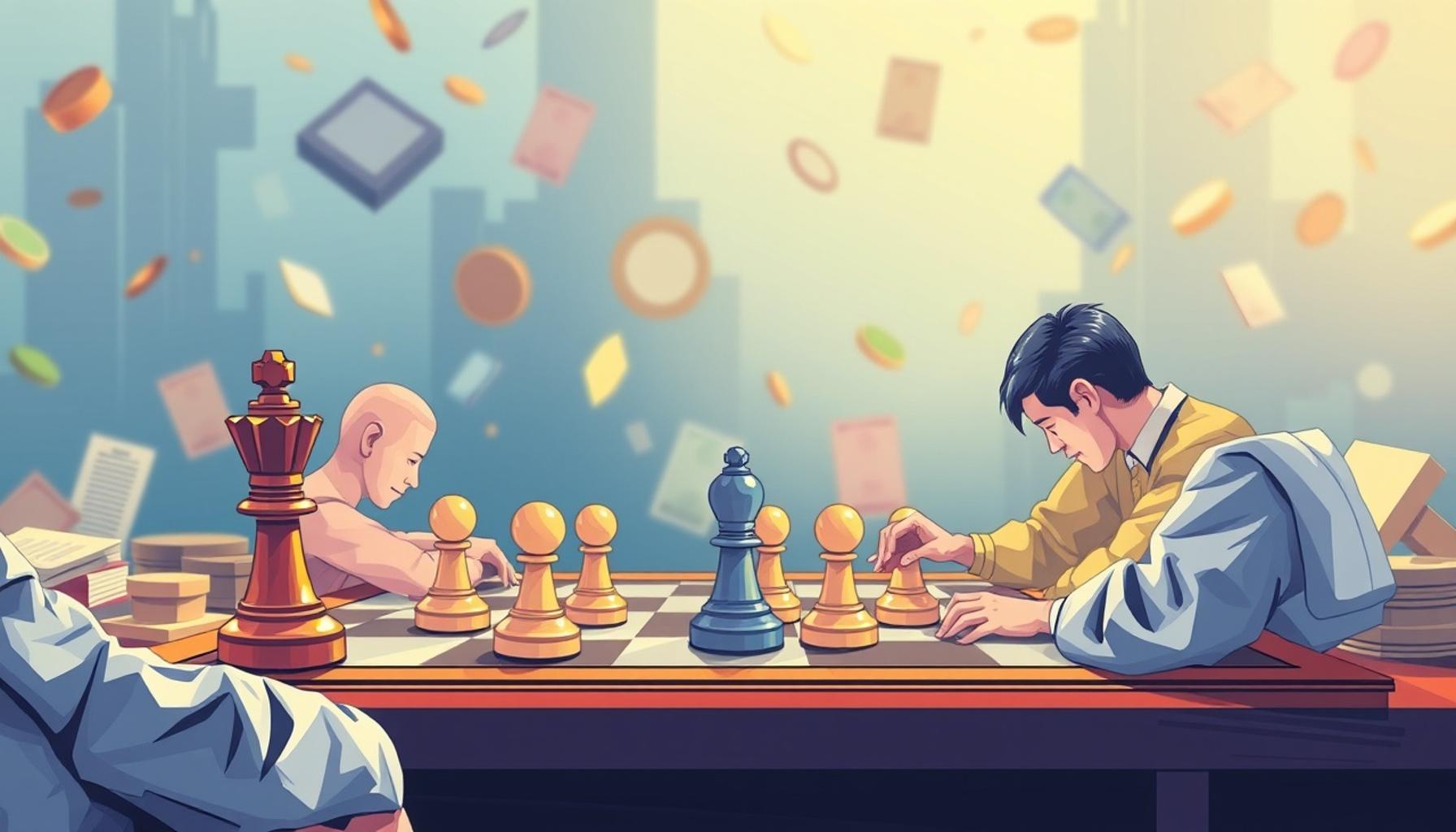
Unpacking the Benefits of Board Games on Cognitive Development
In an age dominated by digital entertainment, competitive board games shine as an invaluable resource for fostering cognitive growth. These games intricately blend strategic thinking with social interaction, creating a stimulating environment for mental sharpening. Board games like chess, Settlers of Catan, and Ticket to Ride transform from casual pastimes into powerful instruments for intellectual enhancement.
Players must immerse themselves in demanding mental processes. For instance, when playing chess, participants not only think several moves ahead but also anticipate their opponent’s strategies. This process cultivates critical thinking, as players analyze various outcomes based on their decisions and adjust their tactics accordingly. Problem-solving is equally vital; every player encounters unique challenges that require creative responses—whether it’s resource management in Settlers of Catan or strategic route planning in Ticket to Ride. These requirements compel players to devise effective tactics to prevail against rivals.
Moreover, engaging in these games enhances logical reasoning. Players must evaluate the consequences of their actions meticulously, weighing both immediate and long-term implications. For example, in Ticket to Ride, deciding to build a route can open the door for opponents while simultaneously securing a victory condition, promoting thoughtful consideration of every move.
The benefits of board gaming extend far beyond the table. Research indicates that consistent gameplay can lead to marked improvements in various cognitive skills. One area of enhancement is memory retention; players often need to recall complex rules, opponent strategies, and game outcomes. This mental exercise fosters an improved capacity for memory across different contexts. Furthermore, maintaining focus during intense gameplay boosts concentration, allowing individuals to develop their ability to sustain attention over extended periods.
Board games also play a pivotal role in cultivating social skills. Engaging with others during gameplay requires collaboration, negotiation, and effective communication. Players learn to read social cues, navigate group dynamics, and exhibit patience while striving for their goals. These interactions can enhance interpersonal effectiveness, a crucial skill in today’s increasingly interconnected world.
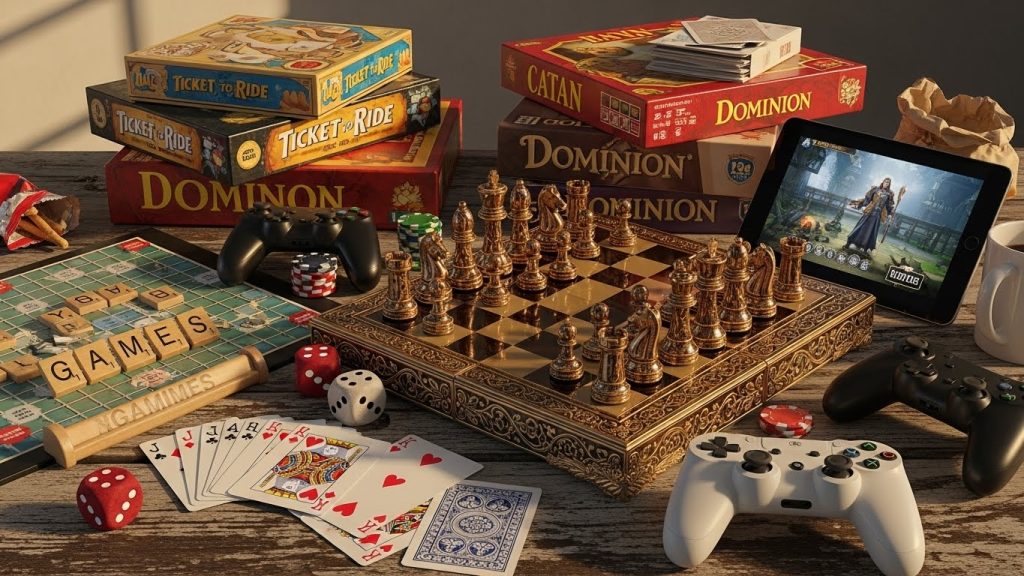
As we delve deeper into the connection between strategic thinking within board games and cognitive enhancement, it’s essential to explore emerging research findings and expert opinions. Whether it’s through competitive tournaments or casual family game nights, players are not just competing; they are equipping themselves with mental tools that resonate beyond the gaming experience. This exploration reveals the profound impact board games can have, turning them into essential elements in the quest for a sharper, more agile mind.
DISCOVER MORE: Click here to learn about the psychology behind problem-solving
The Role of Strategic Thinking in Enhancing Cognitive Abilities
Strategic thinking in competitive board games serves as a powerful catalyst for cognitive development, engaging players in a multitude of mental processes essential for success. These games not only entertain but also demand a level of creativity, planning, and foresight that sharpens the mind. When players sit down to engage in a match of chess or embark on an adventure in Carcassonne, they enter a realm where their decision-making skills are put to the test.
At the core of many board games lies the need for long-term planning, which enables players to think several moves ahead. In Settlers of Catan, for example, players must not only secure resources but also anticipate rival moves that could influence their strategy. Each turn is an opportunity to weigh potential risks and rewards, adapting approaches based on the evolving landscape of the game. This continuous assessment encourages players to develop a mindset geared towards tactical foresight and comprehensive analysis.
Furthermore, the concept of adaptability becomes crucial. Throughout gameplay, factors such as unexpected strategies from opponents or changes in available resources may require players to pivot quickly. This flexibility teaches valuable lessons applicable beyond the game, as individuals learn to manage uncertainty in real-life scenarios, such as in professional settings or personal challenges.
In addition to strategic planning and adaptability, competitive board games significantly contribute to enhancing analytical skills. Players must analyze the strengths and weaknesses of their position in every turn. For instance, understanding when to trade resources in Settlers of Catan or choosing the optimal route in Ticket to Ride requires players to dissect their circumstances critically. This analytical approach not only empowers players during the game but also fosters analytical thinking in real-world problem-solving contexts.
Notably, board games offer a rich environment for developing collaboration and negotiation skills. Many games involve direct competition but also present opportunities for alliances that can be pivotal for victory. Players must navigate these social dynamics, balancing cooperative strategies with their ambitions. This intricate dance of interaction helps cultivate essential communication skills, enhancing emotional intelligence and the ability to work effectively with others.
- Cognitive Skills: Improved critical thinking and problem-solving abilities.
- Social Skills: Enhanced communication and interpersonal effectiveness.
- Emotional Intelligence: Greater ability to read social cues and navigate relationships.
The intricate relationship between strategic thinking in competitive board games and cognitive development prompts a deeper investigation into how these experiences shape our intellect. As research continues to uncover the profound impacts of board gaming, it becomes evident that these games are not merely hobbies; they are fundamental tools for mental growth that resonate through all facets of life.
In exploring the intricacies of how strategic thinking in competitive board games enhances cognitive development, it is essential to address various elements that contribute to this process. One of the foremost aspects is problem-solving skills. Engaging in these games requires players to think critically and devise solutions to complex scenarios. For instance, games like chess and Settlers of Catan challenge participants to anticipate opponents’ moves and make calculated decisions, thereby honing their ability to evaluate situations rapidly.Additionally, memory enhancement plays a vital role in this realm. Players often need to recall previous game strategies, rules, and opponents’ behaviors, which can significantly boost memory retention. The more one practices, the more adept one becomes at remembering essential elements, fostering a deeper cognitive framework.Moreover, competitive board games inherently cultivate social interaction skills. Players communicate, negotiate, and sometimes deceive, creating a multi-dimensional learning environment. This interaction not only refines verbal communication but also nurtures emotional intelligence as players learn to read cues and respond to others’ reactions effectively.Furthermore, strategic board games often simulate real-life scenarios, enabling players to gain insights into decision-making under pressure. The urgency of outmaneuvering an opponent cultivates resilience, teaching the importance of weighing options carefully and adapting strategies in a fast-paced context.These cognitive benefits highlight the essential role of strategic thinking in the context of board games. They underscore the fact that beyond mere entertainment, engaging in such activities can lead to profound enhancements in cognitive skills that remain beneficial throughout life. As research continues to unveil the layers of this connection, enthusiasts and educators alike are encouraged to dive deeper into the world of strategic games, expanding their knowledge and skills in ways that extend far beyond the game board.
DISCOVER MORE: Click here to uncover the cognitive benefits of escape room challenges
The Social and Emotional Benefits of Competitive Board Gaming
Beyond the realms of cognition, competitive board games play an equally significant role in fostering social and emotional development. These games create environments that challenge players not only mentally but also interpersonally. As competitors interact, they navigate victories, defeats, and the emotional rollercoaster that accompanies each match, fostering resilience and emotional regulation.
The act of playing board games inherently involves high-stakes interactions where players must manage their emotions and reactions. When faced with a surprising turn of events—such as an unexpected move from an opponent or a crucial resource shortage—players learn to keep their composure and adapt their strategies. This aspect of gameplay mirrors real-life situations where emotional resilience is a necessity, like handling setbacks in professional environments or personal endeavors. Players who frequently engage in these games may find themselves better equipped to face life’s challenges with a calmer demeanor.
Additionally, competitive board games often necessitate effective communication, as players must articulate their strategies and negotiate with others. Games like Diplomacy require players to form alliances and convince others to support their strategies, honing their ability to communicate clearly and persuasively. This not only boosts verbal communication skills but also enhances one’s capacity for non-verbal communication, as players learn to read body language and interpret social cues effectively.
The complex nature of social interaction within board games also imbues players with a sense of community and belonging. Gatherings centered around board gaming create a shared space where individuals can connect over common interests and passions. Such connections can alleviate feelings of social isolation and strengthen bonds among friends and family members. The diverse array of players—spanning different ages, backgrounds, and experiences—further enriches the gameplay, offering opportunities for mutual learning and cultural exchange.
Research has shown that engaging in board games can have profound implications for building empathy. By stepping into the shoes of various characters or players within the game, individuals cultivate a deeper understanding of diverse perspectives and experiences. This sharing of narratives, goals, and strategies fosters empathy, as players develop the skill to consider others’ feelings and viewpoints when making decisions within the game and beyond.
Moreover, the engaging and often unpredictable nature of competitive board games can improve players’ stress management skills. By participating in a structured environment where rules govern interactions and outcomes, players learn that setbacks are a natural part of life. This realization can translate into improved coping mechanisms in everyday situations, allowing players to approach challenges with a level-headed perspective.
- Emotional Regulation: Enhanced ability to manage emotions during challenging situations.
- Community Building: Strengthening relationships through shared experiences and teamwork.
- Empathy Development: Fostering the ability to understand and share the feelings of others.
The complex interplay of social, emotional, and cognitive components in competitive board games reveals their profound impact on overall development. As players explore and navigate these multifaceted interactions, they acquire essential skills that echo through various aspects of life, from personal relationships to professional growth.
DIVE DEEPER: Click here to discover gamification strategies for enhancing children’s memory
Conclusion: The Lasting Impact of Strategic Thinking in Board Games
In an era where digital distractions are ubiquitous, competitive board games stand out as a unique platform for fostering not only cognitive development but also vital life skills. The intricate layers of strategy involved in these games enhance critical thinking, problem-solving abilities, and adaptability—skills that are highly sought after in today’s dynamic world. As players engage in thought-provoking challenges, they cultivate a mindset that values foresight and strategic planning, valuable assets that can translate effectively into academic and professional realms.
Moreover, the social and emotional landscape of board gaming further enriches the cognitive benefits. The interpersonal dynamics and emotional nuances encountered during gameplay promote resilience and emotional intelligence. These experiences teach players to navigate complex social situations, enhance their communication skills, and foster empathy, laying the foundation for stronger relationships beyond the gaming table.
As we continue to explore the profound implications of strategic thinking developed through board games, it becomes increasingly clear that these activities are much more than mere entertainment. They are powerful educational tools that equip players with essential cognitive, social, and emotional skills. Therefore, whether in family gatherings, among friends, or within community settings, prioritizing constructive board game sessions can serve as a catalyst for cognitive progression and holistic development. In a world that constantly seeks effective pathways for learning, the influence of board games warrants further investigation and a renewed appreciation.
Related posts:
Escape Rooms as a Tool for Enhancing Strategic Thinking and Problem Solving Skills
The Role of Strategic Thinking in Solving Complex Puzzles
Collaborative Strategy: How Team-Based Puzzles Foster Group Strategic Thinking
The Power of Sudoku: Developing Strategic Thinking Through Number Puzzles
The Role of Strategic Thinking in Solving Complex Puzzles
The Psychological Benefits of Engaging in Strategic Mind Games and Puzzles

Linda Carter is a writer and puzzle expert specializing in mind games, brain teasers, and cognitive challenges. With extensive experience helping individuals enhance their problem-solving skills and think critically, Linda shares her knowledge on our platform. Her goal is to empower readers with practical advice, engaging puzzles, and strategies to sharpen their minds and achieve success in the captivating world of mind games and puzzles.