The Psychology of Space: How Minimalism Affects Your Mental Clarity and Focus

The Power of Minimalism in Our Environment
In an age characterized by rapid technological advances and a barrage of information, the quest for mental clarity becomes increasingly challenging. Our environments, whether physical or virtual, significantly impact our thoughts and focus. The rise of minimalism—a philosophy that emphasizes simplicity and the elimination of unnecessary distractions—offers a refreshing solution to reclaim our mental space.
Clearer Spaces Enhance Well-Being
One of the fundamental principles of minimalism is the creation of clearer spaces. A decluttered living or working environment helps to alleviate mental fatigue. For example, consider a typical American household filled with unused gadgets, clothes, and knickknacks: each item can serve as a visual reminder of tasks left undone or decisions unmade. By removing surplus items, individuals often report feeling freer and more relaxed, as the strain of constant visual stimuli is diminished. Organizing spaces can foster a sense of control and order, essential components for mental well-being.
Enhanced Focus and Productivity
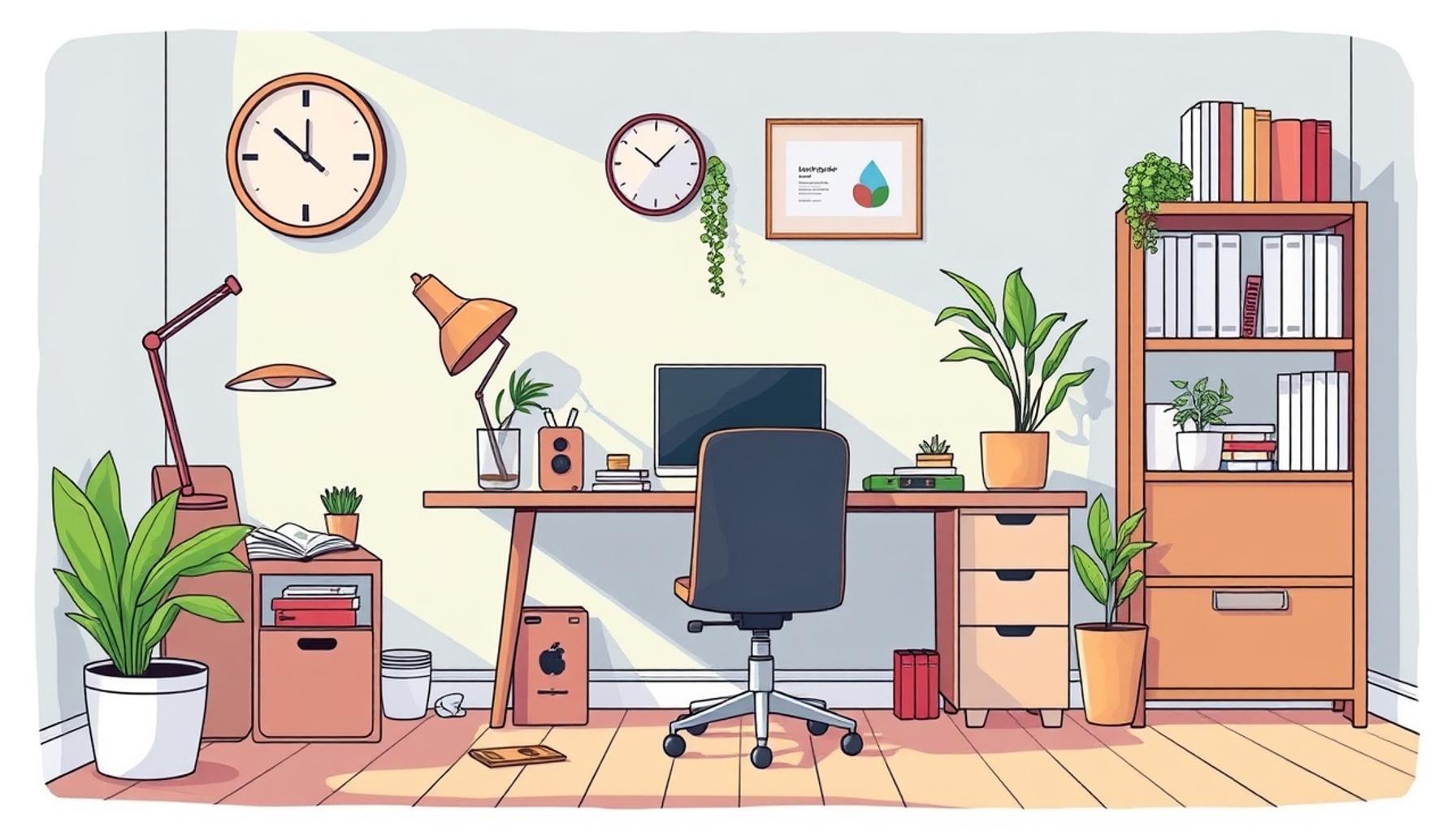
Minimalism also promotes enhanced focus. When distractions are minimized, attention can be better directed toward essential tasks. For instance, a study conducted by the American Psychological Association found that workers in minimalist office environments exhibit higher levels of concentration and productivity. Imagine a workspace with thoughtfully chosen décor—perhaps a single plant and a well-designed desk—allowing individuals to channel their energy into creative or analytical tasks without feeling overwhelmed by visual clutter. This intentionality helps not only in work but also in personal pursuits, allowing greater engagement in activities that matter.
Intentional Living Through Design
Moreover, intentional design becomes paramount in a minimalist lifestyle. By selectively curating our spaces, we promote intentional living, fostering creativity and mindfulness. For example, mindfulness practices, such as meditation or reading, are easier to engage in within a serene space free of clutter. This strategic environmental setup can lead to deeper experiences and a stronger connection to the present moment.
Psychological Benefits of Minimalism
Adopting minimalist practices can yield significant psychological benefits. Reports from individuals who embrace minimalism reveal trends toward less stress and anxiety, resulting in heightened productivity and improved overall well-being. Data from various surveys suggest that participants in minimalist challenges experience a notable decrease in stress levels, often viewing life through a clearer lens once distractions are removed. Furthermore, minimalism encourages individuals to evaluate their relationships and commitments, leading to stronger social bonds and fulfilling lifestyles.
Transforming Perceptions of Space
The implications of understanding the psychology of space are profound. By creating environments that nurture clarity and focus, we can transform how we engage with our surroundings. As more people consider adopting minimalism, it becomes clear that this approach can lead to lasting changes in perception and interaction with the world around us. Embracing minimalism may not only simplify our lives but also deepen our appreciation for the choices we make, the items we own, and the environments we inhabit.
The exploration of minimalism offers a compelling invitation to reimagine our spaces and, in turn, reshape our minds. By prioritizing what truly matters and eliminating the superfluous, we open doors to greater productivity, creativity, and peace of mind.
DISCOVER MORE: Click here to learn about Feng Shui in minimalist spaces
The Impact of Clutter on Cognitive Function
Clutter does not simply occupy physical space; it can also crowd our minds. Research indicates that our brains are designed to process numerous incoming stimuli constantly. When our environments are filled with excess items—whether it be furniture, paper, or memorabilia—our cognitive load increases. This phenomenon can lead to a state known as cognitive overload, where too many stimuli can result in diminished focus and increased anxiety.
The Neuroscience Behind Minimalism
To truly appreciate how minimalism can enhance mental clarity, it is essential to understand its scientific basis. Neuroscientific studies reveal that our brains respond to visual stimuli in a way that directly influences our emotional states. In environments laden with clutter, the brain does not only work harder to filter through distractions but can also experience heightened levels of cortisol, the stress hormone. Thus, the act of reducing clutter can have profound implications for our mental health, fostering an ambiance conducive to clarity and focus.
Creating a Sanctuary of Calm
The idea of a minimalist space as a sanctuary aligns with the aim of promoting mental well-being. Such spaces are marked by features like:
- Open Layouts: Prioritizing openness can minimize feelings of confinement and encourage free thought.
- Neutral Colors: Soft, muted colors tend to provoke feelings of calmness and focus, contrasting starkly with overwrought, chaotic designs.
- Natural Light: Optimizing for natural light not only energizes but also contributes to a more vibrant atmosphere, further enhancing cognitive sharpness.
Fostering this type of environment allows one to disengage from external chaos and instead focus on the internal landscape of thoughts and creativity. For example, many tech companies have embraced open office designs with tranquil settings and minimal decor, reflecting the belief that less truly can lead to more—more focus, more collaboration, and more productivity.
Minimalism and Mindfulness
Minimalism is closely related to the practice of mindfulness—the continual awareness of what surrounds us. Engaging with our spaces intentionally leads to a deeper appreciation of our immediate environment, allowing individuals to savor their experiences rather than feel overwhelmed by them. This realization can be particularly beneficial in the hustle and bustle of American cities, where the fast pace of life can lead to sensory overload. By curating our spaces and adopting a minimalist mindset, individuals can cultivate an environment that supports mindfulness and enhances overall life satisfaction.
The crossroads of psychology and space is ripe for further exploration. As the movement toward minimalism gains momentum, it serves a vital role in promoting not only alleviating physical clutter but also nurturing mental clarity and enhanced focus. The potential for transformation within our environments is profound, encouraging us to rethink what it means to truly live in a space that supports our mental and emotional well-being.
| Advantages of Minimalism | Impact on Mental Clarity |
|---|---|
| Reduced Distractions | A minimalist environment decreases visual noise, enabling greater focus on tasks, thus promoting enhanced productivity. |
| Increased Calmness | With fewer items to organize, a minimalist space fosters a sense of peace, leading to improved mental clarity and emotional stability. |
Minimalism embodies a philosophy that transcends mere aesthetics—it’s a transformative approach that can reshape your environment and enhance your cognitive experience. The concept operates on the principle that by simplifying one’s surroundings, the mind can declutter as well. A minimalist setting is not just cleaner; it provides a stage for creativity and concentration to flourish.Moreover, research suggests that a harmonious space contributes to mental well-being. The art of minimalism encourages you to prioritize what you truly value, and in doing so, you can clear away the emotional baggage associated with material possessions. In environments rich with unnecessary stimuli, the brain often struggles to prioritize, making it difficult to find focus. By adopting minimalism, individuals often report an increase in their ability to think critically and with greater clarity.Additionally, the psychological influence of a clean, organized space cannot be understated. It has the potential to invigorate not just productivity, but also a sense of purpose. As you delve deeper into the psychology of space, you may discover that a minimalist lifestyle is more than just a trend; it’s a pathway to enrich and uplift your mental landscape. Discovering the intricacies of this approach can lead to profound insights about how our environments shape our thoughts, feelings, and overall mental health.
DISCOVER MORE: Click here to enhance your productivity
The Role of Environment in Mental Performance
The connection between environment and mental performance has long been a subject of inquiry in psychology. Studies demonstrate that the physical spaces we inhabit significantly shape our cognitive performance, emotions, and productivity levels. A cluttered environment can lead to distractions that inhibit our ability to concentrate, whereas a minimalist space can promote higher levels of productivity and creativity. A pivotal research project conducted by the Princeton University Neuroscience Institute found that individuals working in less cluttered environments were better able to focus, ultimately leading to superior task completion rates.
Designing Spaces for Maximum Focus
Incorporating the principles of minimalism into our physical spaces can yield substantial benefits for our mental states. Here are some elements to consider when designing a minimalist environment:
- Functional Furniture: Choose only essential pieces of furniture that serve a clear purpose. This reduces visual clutter and creates a sense of order.
- Decluttering Process: Regularly assess and remove items that do not provide value or necessity. This process encourages a sense of ease and promotes clarity.
- Incorporating Nature: Biophilic design—integrating nature into our living spaces through plants or natural materials—can not only enhance aesthetic appeal but also improve air quality and reduce stress levels.
These components collectively foster an environment where focus can thrive. By intentionally designing our spaces, we pave the way for improved concentration and higher cognitive performance.
The Psychological Benefits of Embracing Minimalism
Beyond the immediate advantages to productivity, embracing minimalism offers long-term psychological benefits that can elevate mental clarity. Research has shown that people who engage in a minimalist lifestyle often report lower levels of stress and anxiety. The simplistic approach encourages a mindset shift—sharpening one’s focus not only on physical surroundings but also on emotional and mental health. This shift often aligns with enhanced feelings of control and inner peace.
Moreover, in a society constantly bombarded by consumerism, adopting a minimalist mindset cultivates an appreciation for quality over quantity. Engaging in this philosophy allows for a deeper connection to possessions, leading to thoughtful ownership. In this context, each item holds significance, serving as a constant reminder of intentional living rather than overwhelming presence.
Minimalism in a Fast-Paced World
In the hustle and bustle typical of American urban environments, where sensory overload is commonplace, minimalism can provide a much-needed reprieve. The implementation of a minimalist approach can transform an individual’s interaction with their surroundings. For instance, cities like San Francisco and New York have seen a rise in the popularity of tiny homes and compact living spaces, tapping into the minimalist trend as more people seek functional and calming environments.
As the pace of life accelerates, the desire for tranquility and focus has led to an increasing embrace of spaces that support these psychological needs. A well-organized, minimalistic space can act as a buffer to the chaotic world outside, allowing individuals to restore not only their mental clarity but also their sense of purpose and fulfillment.
DISCOVER MORE: Click here to learn how to create a wellness-focused minimalist home
Concluding Thoughts on Minimalism and Mental Clarity
As we navigate the complexities of modern life in the United States, embracing a minimalist approach to our environments offers a profound opportunity to enhance our mental clarity and focus. The pivotal relationship between our physical spaces and cognitive performance underscores the necessity of curating our surroundings intentionally. By reducing clutter and prioritizing functionality, we can significantly improve our productivity and foster a state of calm amidst the chaos of daily demands.
Moreover, the psychological benefits of minimalism extend beyond surface-level organization. Engaging with a minimalist lifestyle cultivates resilience against anxiety and stress, empowering individuals to reclaim their mental wellness. In doing so, we transition from a consumer-driven mindset to one that values presence and intention, thereby enriching our emotional and psychological experience of the world.
In a fast-paced environment, where distractions are omnipresent, the principles of minimalism serve as a toolkit for achieving balance and clarity. Cities like San Francisco and New York demonstrate this shift towards simpler, functional living spaces which not only enhance personal well-being but also contribute to a larger cultural movement advocating for mindful consumption. As we strive for enlightenment in our personal and professional lives, focusing on our environments is key to unlocking a fulfilling existence.
Ultimately, understanding the psychology of space highlights the transformative potential that minimalism holds in our lives. As more individuals begin to recognize these benefits, a collective wave towards intentional living may indeed emerge, paving the path for a more focused, enriched way of life.
Related posts:
Eco-Friendly Minimalism: Creating Efficient Spaces with Sustainable Practices
Maximizing Small Spaces: Creative Solutions for Minimalist Living
Embracing the Minimalist Kitchen: Strategies for Efficient Space Utilization and Organization
Digital Minimalism: Organizing Your Virtual Space for Maximum Efficiency
Incorporating Multi-Functional Furniture: A Guide to Efficient Space Design
Efficient Space for Mindful Living: Integrating Nature and Minimalism in Your Home

Beatriz Johnson is a seasoned minimalist and writer with a passion for simplifying the complexities of personal organization and decluttering. With over a decade of experience in the field, she specializes in topics like minimalist living, efficient organization strategies, and creating intentional spaces. Through her work, Beatriz empowers readers to make mindful decisions about their belongings, streamline their lives, and embrace a more organized and fulfilling lifestyle.