The Role of Art in the Interpretation of Human Experience: Reflections on Emotions and Memories
Art as a Reflective Medium of Emotional and Cultural Experience
Art has long served as a transformative medium through which individuals can convey and experience the complexities of human emotions and the intricate layers of memories. Whether it is a poignant painting that calls forth feelings of nostalgia or a haunting melody that captures the essence of heartache, art acts as a vital link between personal sentiments and collective experiences. This powerful connection compels us to navigate our inner worlds while fostering deeper relationships with others.
Examining the influence of art on our perceptions of emotion and memory reveals several critical aspects:
- Expression: Artistic endeavors provide a voice for feelings that are often challenging to articulate. For instance, an individual grappling with loss may find solace in writing poetry or creating visual art that encapsulates their sorrow, enabling them to process these overwhelming emotions. The renowned artist Vincent van Gogh famously expressed his turbulent emotions through his masterpieces, allowing viewers to feel the intensity of his experience.
- Cultural Narrative: Different art forms serve as vessels for the stories woven into the fabric of various communities, illustrating their shared histories and collective identities. Consider the vibrant murals found in neighborhoods across the United States, often depicting cultural icons, struggles, or historical events that resonate with local populations. These murals not only enhance the community’s aesthetic appeal but also reinforce a shared sense of identity and continuity.
- Therapeutic Impact: Engaging with art, be it through creation or appreciation, can play a pivotal role in processing trauma and navigating mental health challenges. Art therapy has gained traction in recent years as a legitimate tool for healing; research has shown that creative outlets can significantly reduce anxiety and stress levels. In therapeutic settings, patients often find that expressing themselves artistically enables them to confront unresolved issues in a supportive environment.
Each brushstroke, musical note, or carefully crafted word has the potential to evoke memories, reshaping our emotional landscapes. Just like a photograph freezes a moment, art immortalizes emotions, allowing us to return to those sentiments whenever we encounter specific pieces. This invigorating journey through the world of art not only aids in understanding our emotions but also builds connections with others who share similar experiences. By exploring the profound role of art in interpreting human experience, we unveil ways in which it molds our perceptions and fosters unity across generations and cultures, ultimately inviting us to engage more fully with the world around us.
DISCOVER MORE: Click here to dive deeper into literary genres
The Catalyst for Understanding Emotions
Art uniquely transcends the boundaries of language, offering a catalytic platform for understanding the nuances of human emotions. It captures the essence of our experiences, transforming intangible feelings into tangible expressions that resonate with our shared humanity. Throughout history, various artistic movements have emerged as responses to societal changes, revealing how different cultures interpret and articulate emotional landscapes. For instance, the Romantic movement of the late 18th and early 19th centuries emphasized individual emotion and the sublime, mirroring the growing recognition of personal experiences as valid avenues of artistic expression. Through art, we can access the emotional narratives that shape our identities and communities.
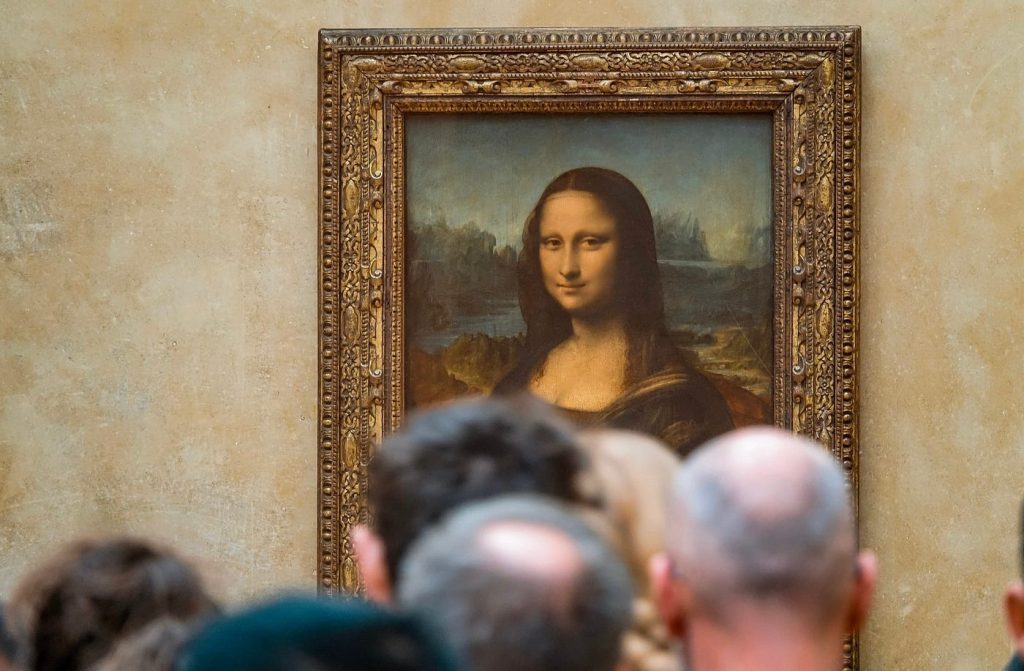
One powerful example of art’s capacity to interpret emotions can be found in the realm of literature. Novels such as Toni Morrison’s “Beloved” delve intricate depths of memory and trauma, allowing readers to wade through the complexities of past experiences faced by characters who bear the weight of historical injustices. Readers are drawn into their world, feeling the profound impact of those memories that echoes beyond the pages, inviting reflection on their own emotional journeys. Similarly, poetry serves as a potent form of expression; a few compositions have managed to identify heartache, joy, or vulnerability that many struggle to articulate. The act of reading a particularly moving poem can evoke a cathartic release, often illuminating memories from our own lives.
The visual arts also provide a captivating lens through which to explore emotions, with renowned artists using color, form, and symbolism to explore psychological states. Abstract expressionists, for instance, like Jackson Pollock or Mark Rothko, harnessed the emotive power of their brushstrokes and hues to express feelings ranging from despair to ecstasy. Works such as Pollock’s “No. 5, 1948” invite viewers to immerse themselves in a whirlwind of energies, where chaos and emotion intertwine, reflecting the internal struggles that come to define the human experience. As individuals confront these pieces, they often uncover their emotions stirred by both personal and collective memories.
Moreover, art can also serve as a historical record, capturing moments of both elation and despair that define certain eras. Iconic works, like Grant Wood’s “American Gothic,” can elicit discussions on cultural identity and notions of the American Dream, serving as a reminder of the complexities that shape our national psyche. Art allows us to navigate these complex themes while connecting individuals across varying backgrounds, all of whom may interpret these evocative pieces through their distinct lens of personal experiences and emotions.
Thus, art emerges as a vital vehicle for interpreting not only individual memories and emotions but also the broader emotional tapestry of society. Through visual arts, literature, and performance, we find pathways to reflect on and understand not just ourselves but also those around us. As we engage with these artistic expressions, we inevitably deepen our appreciation for the dynamic interplay of emotions, memories, and the narratives that define our collective humanity.
Art has always served as a powerful medium through which individuals can explore and express their emotions. By engaging with various forms of art—be it paintings, music, literature, or performance—people confront the complexity of their feelings in a safe and compelling space. This process of engagement allows for deep introspection and the unfolding of personal narratives. Notably, art provides a unique form of communication that transcends the limitations of language. It touches on the nuances of human experience, capturing profound emotions that often remain unexpressed in everyday conversation. Furthermore, the interpretation of art is subjective, varying from person to person. This diversity of perspective fosters a richer understanding of the human experience. Each individual’s background and memories infuse meaning into a piece, creating a tapestry of interpretations that reflect a wide array of emotional experiences. For instance, a landscape painting may evoke nostalgia for one viewer while triggering feelings of hope for another. Such varying interpretations highlight how art can be a mirror reflecting the viewer’s internal landscape.Moreover, the therapeutic benefits of art are increasingly recognized in the field of psychology. Art therapy, which integrates artistic expression with psychological healing, has proven effective in helping individuals process traumatic experiences and manage mental health issues. This practice underscores how engaging with art can facilitate emotional release and memory processing. Individuals often find solace in creating or interacting with art, serving as a channel to navigate complex emotions and cultivate a deeper understanding of their memories.In addition, art has the power to resonate with collective experiences. During times of social upheaval or global crises, artistic expressions can encapsulate shared struggles and reactions. Through murals, songs, or poetry, artists accumulate and communicate the zeitgeist of their communities, fostering solidarity and empathy. Such artworks become vital documents of cultural history, allowing future generations to connect with the emotions and memories of those who came before them.As we delve deeper into the role of art in capturing the essence of our emotions and memories, we uncover a vast landscape of interpretations and reflections. Each piece invites us to engage, empathize, and understand not only ourselves but also the intricate human tapestry that binds us together.
DISCOVER MORE: Click here to unlock creative upcycling ideas
The Power of Performance in Evoking Emotions
In addition to visual arts and literature, performance art offers a unique medium for exploring and expressing human emotions. This dynamic form of art connects artist and audience in an ephemeral experience that often evokes visceral reactions. The immediacy of performance can amplify the intensity of emotions conveyed, as audiences become active participants in the narrative being presented. The rawness of live performances—whether in theater, dance, or music—engages viewers on a deeply personal level, prompting them to explore their feelings and memories through the lens of the performers.
Theater, for example, can serve as a powerful vessel for exploring emotional depth and narrative complexity. Plays such as Arthur Miller’s “Death of a Salesman” resonate with audiences by illuminating the struggles of the American Dream, as Willy Loman grapples with his own failures and aspirations. Actors’ performances breathe life into the characters, allowing audiences to reflect on their own experiences and emotions related to familial relationships and societal expectations. Performance also often reflects larger social issues, inviting dialogues about race, identity, and sexuality while making the personal political.
Moreover, dancing tells stories through movement, transcending language barriers. Interpretative and narrative dance forms create visual poetry, manifesting emotions and memories that words might fail to express. For instance, Alvin Ailey’s “Revelations” explores themes of African American identity and cultural heritage through a blend of spirituals and vibrant choreography. By experiencing the dancers’ physical expression of joy, sorrow, and resilience, audiences can connect with the emotional undercurrents of history and personal identity, often revisiting their own experiences in the process.
Another often-overlooked aspect of performance art is music, which plays a pivotal role in shaping emotional landscapes. The power of music elicits a profound connection to memories—be it a love song that recalls a past relationship or an anthem that evokes feelings of patriotism. Genres like folk music often tell stories infused with cultural history, reflecting the memories and emotions of generations. Artists such as Bob Dylan harnessed the potency of music to address social issues, enabling listeners to engage with the themes and emotions that resonate on an individual and collective level.
Interactive performances represent a breaking of the fourth wall, allowing audiences to become an intrinsic part of the experience. The rise of immersive theater and performance installations exemplifies this trend. Companies like Punchdrunk blur the lines between audience and performer, fostering a space where viewers engage directly with the narrative unfolding around them. Such innovative forms compel participants to explore their own emotional responses, encouraging an introspective journey that extends beyond the performance itself.
The realm of art consistently showcases its multifaceted capacity to illuminate and interpret human experience. As we engage with various forms of performance art, we find new avenues of understanding our emotions and memories. Each art form, whether it be theater, dance, or music, empowers individuals to grapple with their feelings, ultimately forming connections that transcend time and space. Through these artistic experiences, we take part in a collective reflection on the shared human condition, examining both personal and societal narratives shaped by emotions and memories.
DIVE DEEPER: Click here to discover personalized decor ideas
Concluding Thoughts: The Interwoven Tapestry of Art and Experience
In conclusion, the role of art in interpreting human experience through the lens of emotions and memories is both profound and multifaceted. From visual arts that capture fleeting moments to the gripping narratives of performance, each artistic medium offers a distinctive pathway for individuals to explore the complexities of their own inner worlds. Art not only serves as a mirror reflecting our collective narratives but also as a bridge connecting us with others, fostering a shared understanding of our joys, sorrows, and aspirations.
Through rich expressions found in theater, dance, and music, audiences engage in poignant dialogues with themselves and their surroundings. Whether it’s the heart-wrenching performance of a tragic play or the stirring rhythms of a soulful melody, these art forms resonate deeply within us, prompting reflections on our personal experiences and societal contexts. Additionally, as we witness the evolving landscape of performance art—where the boundaries of audience and performer dissolve—we are invited to actively participate in the interpretation of our emotions, further enriching our engagement.
As we continue to examine art’s pivotal role in shaping human experience, we must remain open to exploring new forms and perspectives that emerge. Art’s ability to evoke empathy, provoke thought, and inspire change underscores its significance in society. By embracing and reflecting on these artistic experiences, we are empowered to delight in our individuality while also acknowledging the shared human condition, ultimately creating a tapestry woven with the threads of emotional truth and memory that connects us all.