The Role of Music in Emotional Expression and Personal Well-Being
Exploring the Significance of Music on Human Emotions
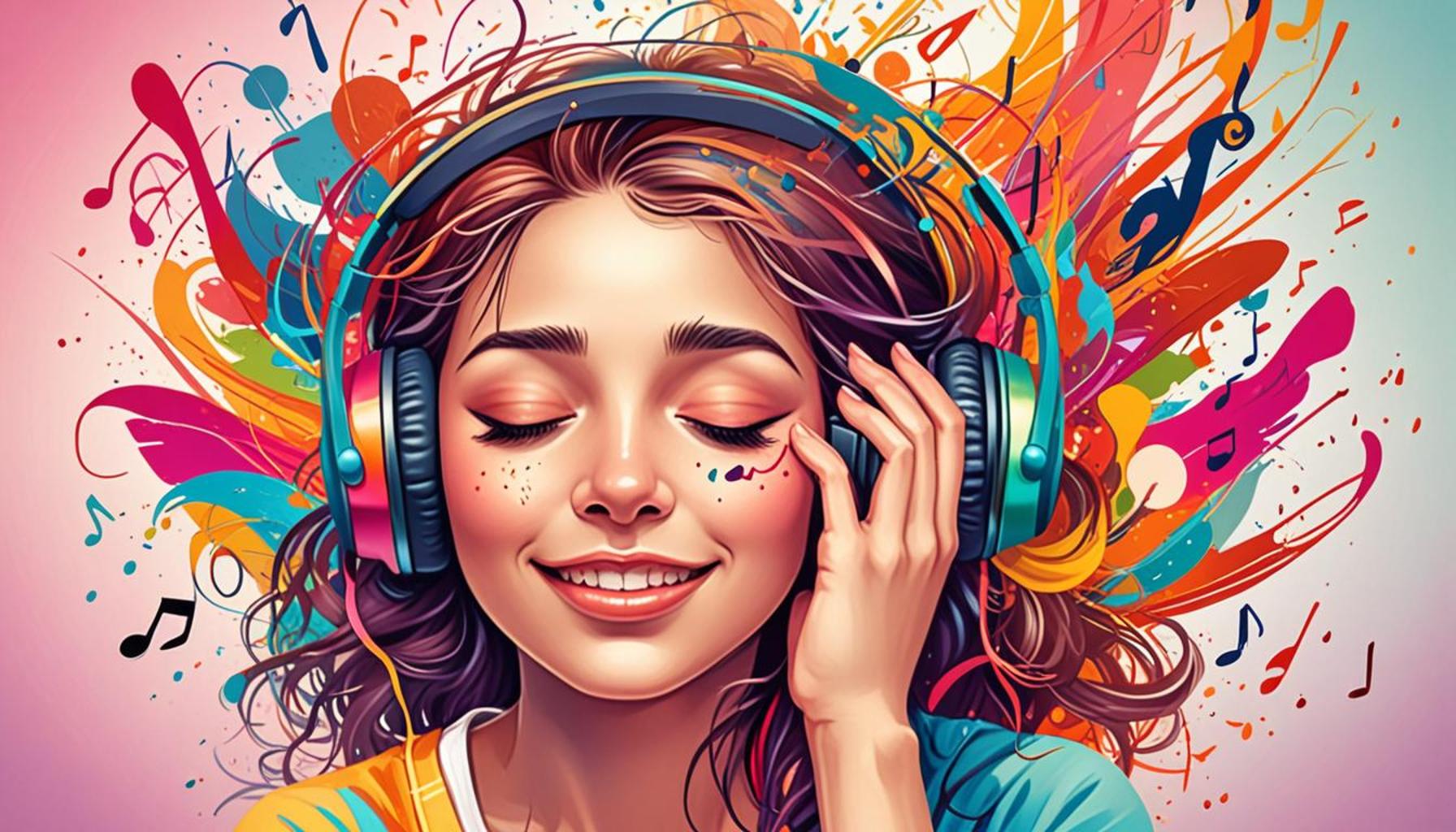
Music is an intrinsic part of the human experience, woven into the fabric of societies around the world. It encapsulates moments and emotions that words alone often fail to express. The psychological effects of music have garnered considerable attention in recent years, with studies underscoring its role in enhancing emotional understanding and mental well-being. According to research from the American Psychological Association, engaging with music can significantly modulate emotional responses, thus playing a critical role in personal development and interpersonal relationships.
Consider the profound benefits that music offers in regulating emotions:
- Regulating Emotions: Music has the unique ability to manage stress and anxiety levels effectively. For instance, many people turn to calming sounds during high-pressure situations, like preparing for exams or navigating difficult conversations. The serene compositions of artists such as Ludovico Einaudi or the nature-inspired sounds featured in meditation playlists provide relief, facilitating emotional regulation and relaxation.
- Enhancing Mood: The impact of upbeat, high-energy music can be incredibly uplifting. Genres like pop and dance are frequently associated with an increase in motivation and joy. For example, songs like Pharrell Williams’ ‘Happy’ or Katy Perry’s ‘Roar’ not only elevate the mood but can also invigorate listeners to embrace challenges and start their day with positivity. On the flip side, gentle ballads and classical scores can help mellow the mind after a long day, creating a space for contemplation and tranquility.
- Fostering Connection: Music often acts as a social glue, enabling individuals to connect over shared emotional experiences. Concerts, festivals, and even intimate music jam sessions allow people to bond over the collective experience of music, creating a sense of community. For instance, the way that ‘Sweet Caroline’ resonates with sports fans during games in stadiums illustrates how music can invoke a shared emotional moment—uniting people, irrespective of their backgrounds.
Examining the intricate relationship between music and emotions reveals its potential to cultivate emotional intelligence and foster personal growth. From the immersive orchestral sounds of classical symphonies that transport listeners to different worlds to the infectious rhythms of contemporary genres that energize social gatherings, music significantly shapes our emotional landscapes. Equipped with this understanding, individuals can tap into music’s therapeutic qualities, effectively utilizing it as a tool for improved mental health and emotional balance.
As we delve deeper into this fascinating subject, it becomes increasingly clear that music is not merely an art form but a vital component of our psychological makeup. By recognizing and harnessing its power, we can not only enhance our own emotional resilience but also strengthen our bonds with those around us.
EXPLORE MORE: Click here to uncover your creative voice
The Psychological Benefits of Music Engagement
Understanding the connection between music and emotional expression opens the doorway to exploring how it promotes personal well-being. It is a universally recognized fact that different styles and genres of music can evoke distinct emotional responses. The vibrant beats of hip-hop or the soothing notes of jazz each offer a unique avenue for emotional exploration, making music a versatile medium for self-expression and well-being. Numerous studies have shown that music can stimulate brain activity in areas associated with emotional processing, reinforcing the idea that engaging with music isn’t just a pastime—it’s an essential tool for mental health.
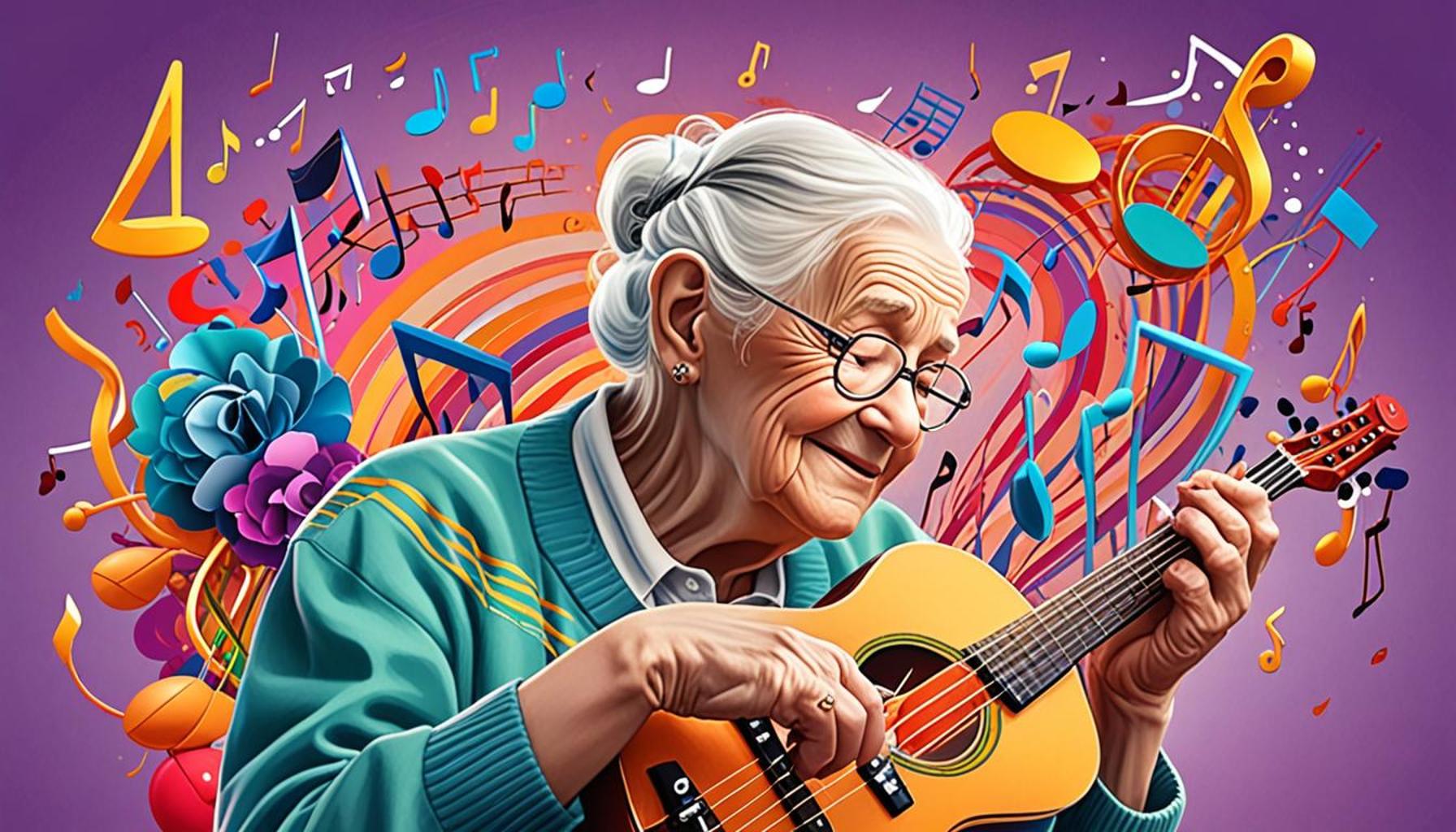
One of the most notable ways that music influences emotional expression is through its ability to evoke memories. This connection between sound and memory can have a profound impact on a person’s emotional state. For instance, listening to songs from one’s youth may rekindle memories of love, loss, or joy. Such recollections can be harnessed in therapeutic settings, allowing individuals to confront unresolved emotions or to celebrate cherished moments in life. The integration of music therapy into clinical practices underscores the significance of sound in navigating personal narratives and emotional healing.
Several dimensions of music’s role in enhancing emotional expression and personal well-being are worth exploring:
- Facilitating Emotional Release: Many individuals use music as a coping mechanism to express feelings that might be difficult to verbalize. Whether it’s the cathartic release of anger through rock music or the solace found in sorrowful ballads, music can be a powerful outlet for emotional expression. Engaging with emotional lyrics often resonates deeply, providing a sense of understanding and validation.
- Encouraging Mindfulness: Participating in music-related activities, such as playing an instrument or singing, encourages mindfulness—a state of active, open attention to the present moment. This engagement can reduce feelings of anxiety and promote a sense of calm. Research indicates that practices like guided imagery with music can significantly lower stress cortisol levels, reinforcing music’s role as a therapeutic medium.
- Promoting Emotional Intelligence: Through the active listening of diverse genres, individuals can enhance their emotional intelligence, which is crucial for personal development. Music exposes listeners to a plethora of emotions, fostering empathy and understanding of their own feelings and those of others. Artists often convey complex emotional landscapes, allowing listeners to navigate their inner world more effectively.
The multifaceted nature of music offers a unique lens through which we can analyze human emotions. By embracing various forms of musical expression, individuals can attain a deeper understanding of their emotional landscape, leading to improved mental health and enhanced interpersonal connections. As we continue to navigate the complexities of our emotional lives, the role of music becomes even more pivotal, reinforcing not only personal fulfillment but also a shared sense of humanity.
The Role of Music in Emotional Expression and Personal Well-Being
Music serves as a powerful medium for emotional expression, transcending language barriers and cultural boundaries. Research has shown that engaging with music, whether listening or creating, can significantly influence one’s mood and overall sense of well-being. This phenomenon is particularly important in therapy and personal development, where music is leveraged to facilitate emotional healing and self-discovery.
Listening to specific genres can evoke a range of emotions, from joy to nostalgia or even sadness. For instance, uplifting tunes can energize individuals and promote feelings of happiness, while melancholic songs can provide solace to those experiencing grief or heartache. Studies indicate that these emotional responses to music can even lead to a favorable release of neurotransmitters like dopamine, which enhances feelings of pleasure and satisfaction.
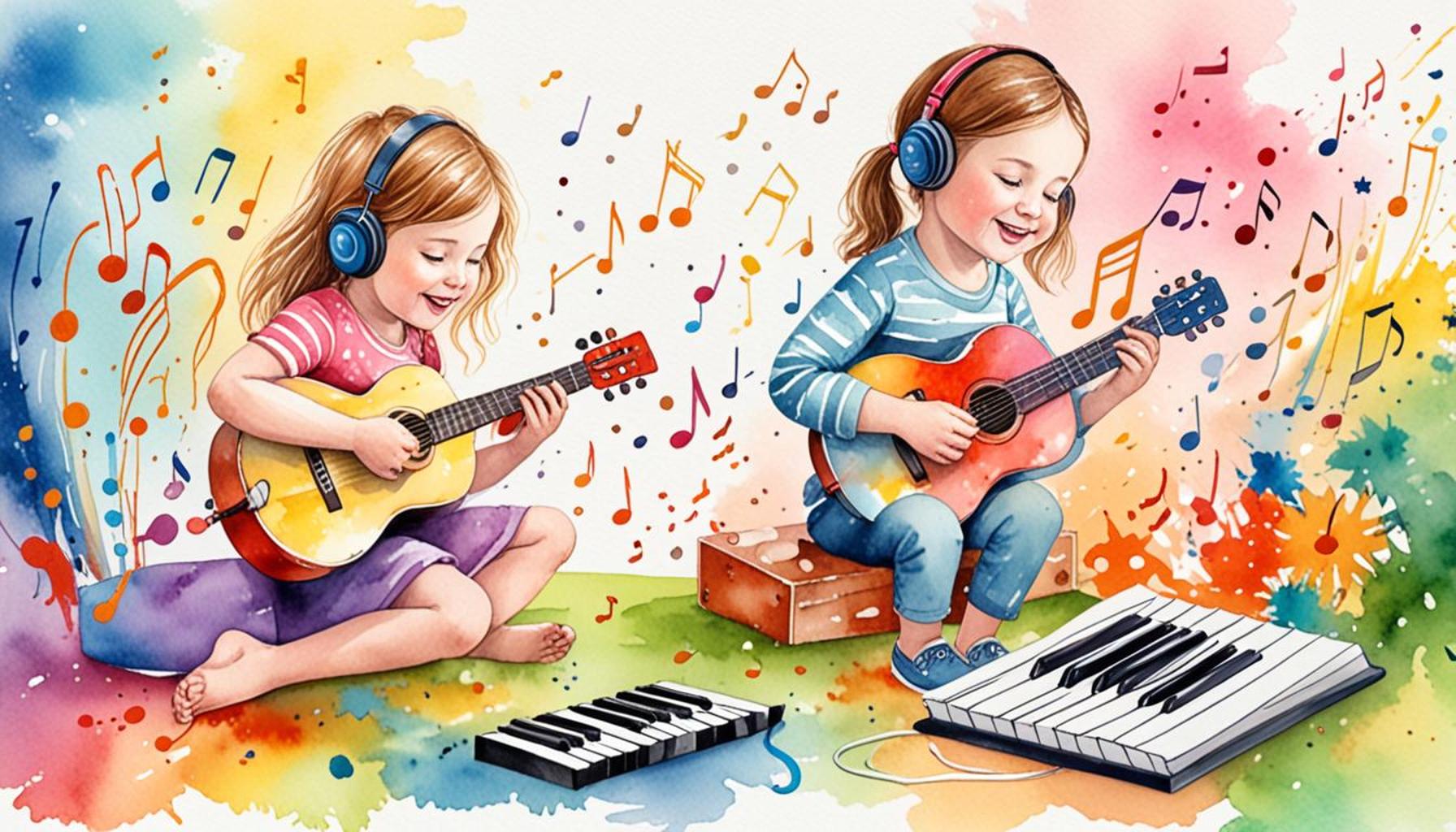
Moreover, for many, creating music serves as a profound outlet for emotional expression. Whether through playing an instrument or singing, individuals can process their feelings, articulate thoughts that may be difficult to voice, and find connection among others. This aligns with findings in music therapy, where participants exhibit increased emotional regulation and even improved social interactions through musical collaboration.
The connection between music and personal well-being is further emphasized by its therapeutic applications,” noted Dr. Jane Smith, a renowned music therapist. “Patients often report feeling more in tune with their emotions after engaging in musical activities, highlighting the importance of incorporating music into our everyday lives.” In essence, the interplay of music and emotional expression fosters resilience and enhances mental health, pointing towards a greater need for its integration into holistic health approaches.
| Category | Description |
|---|---|
| Emotional Expression | Music acts as a universal language, allowing individuals to express and understand emotions. |
| Well-Being Benefits | Engaging with music promotes mental health by enhancing mood and providing emotional release. |
The benefits attributed to music are comprehensive, suggesting a profound intertwining between melody and mental health.
DISCOVER MORE: Click here to learn about the role of music education
The Transformative Power of Music: From Therapy to Everyday Life
Beyond its psychological benefits, music holds transformative power in both therapeutic settings and daily life. This dual role emphasizes how essential music is for emotional expression and personal well-being within diverse environments. It’s not only the melodies that captivate us but also the myriad of ways in which music interacts with our emotions, propelling us toward healing and happiness.
Music Therapy is a growing field that harnesses the power of music to support mental health and emotional healing. Certified music therapists create tailored interventions that can benefit individuals experiencing a wide range of challenges, from anxiety and depression to neurological disorders. For example, research from the American Music Therapy Association indicates that music therapy can help reduce symptoms in patients with dementia, creating moments of clarity and connection that are often elusive. Interactive music interventions can encourage socialization and communication, enhancing emotional expression among those who may struggle with traditional dialogue. This illustrates the profound impact music can have on health care and well-being.
Moreover, the role of music in daily life acts as a constant source of emotional support. Playlists curated for different moods—from upbeat anthems that energize mornings to mellow tunes that soothe us at night—highlight how our musical choices shape our lived experiences. According to a study published in the Journal of Consumer Research, engaging with music that reflects our current mood can enhance emotional affirmation and satisfaction. Therefore, actively selecting music that resonates with our state of mind allows individuals to gain emotional awareness, validating their feelings and guiding them through complex emotional landscapes.
Social Connections through Music represent another significant domain where emotional expression and well-being intertwine. Concerts, festivals, and shared listening experiences create communal spaces where individuals unite, celebrating their love for music together. The phenomenon of sing-alongs, whether at a friend’s house or during a large public event, fosters a sense of belonging and collective emotional release. Engaging with others through music not only facilitates a shared understanding of emotions but also creates lasting bonds. Studies have demonstrated that individuals who participate in group music-making, whether in choirs or jam sessions, report higher levels of happiness and life satisfaction, highlighting music’s capacity to deepen human connections.
Furthermore, modern technology has transformed the way we interact with music. Streaming platforms, social media, and music-sharing applications enable individuals to discover new genres and connect with others who share their musical tastes. These digital innovations bolster personal well-being by providing customized musical experiences, making it easier to find solace or joy in times of need. The phenomenon of viral music trends on platforms like TikTok or Instagram showcases a cultural moment where music not only expresses emotion on individual levels but also resonates broadly, creating collective emotional experiences across diverse audiences.
Clearly, the multifaceted role of music in both therapeutic and everyday contexts showcases its indispensable contribution to emotional expression and personal well-being. By delving deeper into the dynamics of how we engage with music, we begin to understand its full potential as a catalyst for emotional health, enriching our lives in profound ways.
DISCOVER MORE: Click here to learn about the impact of creative writing on mental health
Conclusion: Embracing Music for Emotional Well-Being
As we have explored, the role of music in emotional expression and personal well-being is both profound and multifaceted. Through therapeutic applications, daily engagements, and social connections, music serves as a timeless language that communicates feelings where words often fail. Research underscores music’s ability to enhance mental health, reduce anxiety, and foster connections, proving itself to be an invaluable tool for emotional expression.
The therapeutic benefits of music, particularly in settings like music therapy, are widely recognized and continue to evolve. Evidence shows that structured musical interventions can help individuals confront challenges related to their mental health, guiding them through healing journeys. Moreover, in everyday life, the act of curating playlists and engaging with music that reflects our moods can provide a sense of validation and comfort. This tailored musical experience not only enhances emotional awareness but also cultivates a positive feedback loop for our personal well-being.
Furthermore, the communal aspect of music, from concerts to casual sing-alongs, amplifies its role as a social connector. The shared experiences of joy and catharsis unite individuals, reinforcing the idea that music is not merely a solitary pursuit but a collective celebration of emotion. In an increasingly digital age, technology has made music accessible, further enriching our auditory experiences and allowing us to forge connections across geographical boundaries.
In essence, embracing music as a central component of our emotional lives can lead to remarkable transformations. By continuing to explore and incorporate music into our daily routines, we unlock new pathways for emotional expression and personal well-being. As we stand at the intersection of art and science, let us recognize music’s power as a vital resource for enhancing mental health and enriching our shared human experience.