The Role of Music in Stimulating Creativity in Professionals from Various Fields

Unlocking Creative Potential Through Music
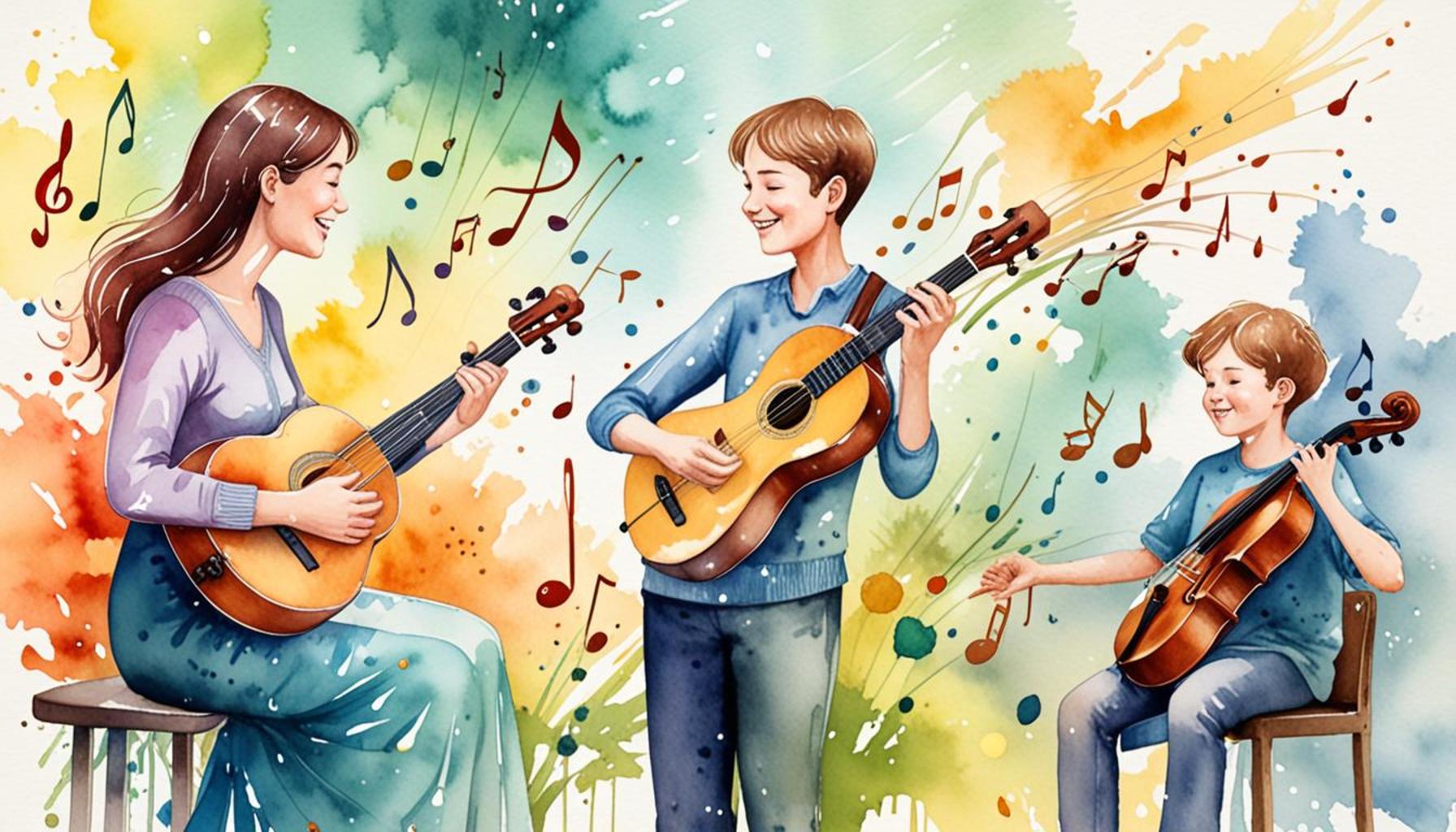
Music is more than just a form of entertainment; it serves as a powerful catalyst for creativity across diverse professional fields. Research suggests that the right tunes can elevate mental states, enhance focus, and even spark innovative ideas. This investigation delves into how music influences creativity and the resulting implications for professionals in various domains.
Consider how different industries leverage music to boost productivity and imagination:
- Advertising: Creative teams often use playlists to inspire brainstorming sessions. For instance, many leading advertising agencies curate specific playlists designed to stimulate creative thinking, balancing genres from ambient electronic to classic rock, which helps break down mental barriers and foster innovation.
- Technology: Developers frequently listen to beats that enhance concentration during coding. Platforms like Spotify and Apple Music have created curated playlists specifically aimed at boosting productivity for coders, featuring deep house or instrumental ambient tracks that encourage a flow state.
- Healthcare: Professionals in hospitals and clinics utilize calming melodies, recognizing their impact on improving patient care environments. Studies have revealed that playing soothing music in waiting areas can significantly reduce anxiety levels among patients, enhancing their overall experience in healthcare settings.
Numerous studies have unveiled fascinating insights into music’s impact on the creative process. For instance, research from the University of California demonstrated that tunes with upbeat tempos can heighten motivation levels, which can be particularly beneficial in fast-paced environments like sales or marketing. On the other hand, instrumental music is shown to improve focus without lyrics becoming a distraction, making it invaluable during tasks that require deep concentration, such as writing or analysis.
Moreover, the choice of genre can play a significant role in how individuals connect with their work. Some workers might favor classical music for its structured nature, which can foster analytical thinking, while others may prefer more energetic genres like hip-hop to cultivate a dynamic environment conducive to brainstorming. This personalization of music choices highlights the importance of understanding individual preferences within workplace cultures.
As we explore the intricate relationship between music and creativity, it becomes evident that the right sounds can open new avenues for inspiration. The implications of this phenomenon stretch far beyond personal enjoyment; they offer a deeper understanding of enhancing workplace engagement and productivity. Creating an environment where music plays a pivotal role could be key to unlocking potential in innovative sectors, leading professionals to unprecedented levels of creativity and collaboration.
DIVE DEEPER: Click here to explore the vibrant world of artistic
The Influence of Music on Creativity in Diverse Professions
The synergy between music and creativity is captivating, especially as professionals across various fields seek effective methods to inspire innovative thinking. Research indicates that listening to music can significantly enhance cognitive functions, leading to an increased ability to generate new ideas. One notable study conducted by the University of Arkansas found that participants who listened to music while engaging in creative tasks produced a larger volume of original ideas compared to those who worked in silence. This insight underscores the potential of music as a strategic tool in the arsenal of modern professionals.
In the realm of entertainment, for example, composers and screenwriters often employ music to ignite their imagination. Many renowned filmmakers have playlists filled with tracks that resonate with specific scenes or emotional arcs within their narratives. Directors like Quentin Tarantino are known for their meticulous curation of soundtracks that not only enhance storytelling but also stimulate creative brainstorming during production meetings.
Similarly, graphic designers and visual artists find that music serves as a backdrop that fuels their creative process. A study published in the journal Psychology of Music emphasized the types of sounds that enhance creativity in visual arts, revealing that artists often thrive in environments where musical elements intertwine with their work. Ambient sounds or lo-fi beats can create a serene workspace, enabling designers to visualize their concepts more clearly while remaining focused on the task at hand.
Here are some key insights into how different sectors incorporate music for creativity:
- Education: Educators are increasingly recognizing the role of music in the classroom. By integrating rhythmic exercises or playlists that match subjects being taught, teachers can foster a more engaging and innovative learning environment. Educational institutions that implement these audio strategies have reported better student participation and improved problem-solving skills.
- Marketing and Branding: The marketing field leverages music not only to connect with audiences but to inspire creative campaigns. Teams often listen to client-specific playlists during brainstorming sessions, which can create a mood that aligns with the brand’s ethos and stimulate out-of-the-box thinking.
- Architecture: Architects frequently utilize soundscapes when conceptualizing designs. The exploration of how environments sound can lead to innovative architectural solutions. Studies have shown that upbeat tempos can encourage collaboration and innovative thinking during design processes.
As we observe these practices, it becomes clear that the application of music across various professions is not merely incidental; it is rooted in psychology and the mechanics of creativity. By understanding the impact of different musical elements on brain function, professionals can tailor their auditory environment to maximize creative output. As music continues to evolve, so too can its role as a vital component in the creativity landscape, pushing boundaries and inspiring those who seek to innovate in their respective fields.
| Category | Advantages |
|---|---|
| Enhanced Focus | Listening to music can provide a conducive environment for professionals, reducing distractions and helping to maintain a heightened state of concentration. |
| Increased Innovation | Incorporating music into work routines can lead to fresh ideas and unconventional solutions, vital for industries that thrive on innovation. |
| Stress Relief | Music is a powerful tool for reducing stress, which can enhance productivity and creativity levels among professionals facing high-pressure jobs. |
| Mood Enhancement | Certain genres of music can elevate mood, augmenting enthusiasm and motivation while working on creative projects, thereby boosting performance outcomes. |
The influence of music on creativity extends across various professional realms—from artists and designers to scientists and business executives. Music stimulates the brain in ways that foster new connections and perspectives. For instance, studies have shown that music can activate brain regions responsible for imagination and analytical thought, making it easier to approach challenges with a creative mindset. Moreover, professionals often report that specific genres of music resonate differently with their creativity levels. For instance, classical music is frequently lauded for its ability to soothe and inspire, while upbeat pop can energize and reignite enthusiasm. Understanding these effects allows individuals to tailor their auditory environments to best suit their creative objectives.Integrating music into professional settings, whether by designing a playlist for brainstorming sessions or allowing personal music choices during solitary work times, could lead to enhanced creativity and productivity. The role of music in professional environments is an evolving conversation that invites further exploration and adaptation to individual needs and preferences.
DISCOVER MORE: Click here to delve into the art of paper crafting
Harnessing the Power of Music in Creative Workspaces
In addition to its psychological benefits, the integration of music into various professions also brings about tangible effects in terms of productivity and collaboration. For industries that rely heavily on teamwork, such as software development, the soundtrack of the workplace can profoundly influence the dynamics among team members. Organizations are beginning to adopt flexible auditory environments where developers can choose their music preferences, leading to higher job satisfaction and improved collaboration. A 2022 study from the University of Miami found that teams exposed to curated playlists were able to accomplish tasks 20% faster than those who worked in sound-isolated settings.
Moreover, the healthcare industry is increasingly recognizing the benefits of music therapy in fostering creativity among professionals. By incorporating music into their daily routines, healthcare providers— from nurses to physicians— report experiencing decreased stress levels, which in turn enhances their ability to think more creatively when solving patient-related problems. Hospitals that use music as part of their patient care protocols have noted improved communication among staff, fostering an environment where innovative medical solutions can flourish.
The culinary arts also illustrate music’s role in enhancing creativity. Chefs often curate playlists that resonate with their culinary style, using rhythm and melody to inspire creative dishes. Renowned chefs, such as David Chang, have emphasized how certain genres, like jazz or classical music, can unlock a new level of creativity during the cooking process. Research published in the International Journal of Gastronomy revealed that the use of music while cooking can enhance taste perception, leading to more daring flavor combinations both in taste and presentation.
Newcomers to the corporate world, particularly in creative industries such as advertising and design, are integrating music into their personal work routines more than ever. The concept of “music breaks,” where employees take short breaks to listen to their chosen tracks, is gaining traction. This practice not only recharges creativity, but also fosters a workplace culture that values mental health and well-being. According to a 2021 Gallup report, organizations that support musical engagement saw a marked increase in employee creativity and overall morale, translating to significant gains in project output.
Furthermore, the influence of music on remote work environments has become crucial in the post-pandemic landscape. As professionals navigate the challenges of isolation, platforms that allow for shared listening experiences, such as Spotify’s Group Session, have emerged as a vital resource for maintaining creative bonds. Remote teams that engage in shared music experiences report feeling more connected, facilitating collaborative creativity that transcends physical barriers.
As professionals across various fields continue to explore the interplay between music and creativity, it becomes evident that soundtracks serve not just as a backdrop but as a dynamic catalyst for innovation. The diversity of musical applications speaks to its universal ability to connect, inspire, and invigorate creative efforts. By leveraging music effectively, professionals can unlock new dimensions of their creative potential, ultimately propelling their industries forward.
DISCOVER MORE: Click here to delve deeper
Concluding Thoughts on the Influence of Music in Professional Creativity
As explored throughout this article, music plays a multifaceted role in enhancing creativity across various professional fields. From software development to healthcare and the culinary arts, the evidence is compelling that music does not merely serve as an auditory backdrop; it acts as a powerful tool for innovation. By fostering an environment that embraces musical engagement, organizations are not only boosting the morale of their teams but also significantly enhancing productivity and collaborative outcomes.
The benefits of integrating music into the workplace go beyond mere efficiency gains. The positive psychological impacts—such as reduced stress levels, increased job satisfaction, and improved communication—create a fertile ground for creative thinking. As remote work continues to be a fixture in our professional landscape, technologies that facilitate shared musical experiences are proving to be instrumental in maintaining connections and cultivating team creativity.
Moreover, the evidence is clear: customized soundtracks and musical interludes can recharge mental acuity, leading to breakthrough ideas that drive industries forward. As professionals continue to harness the transformative power of music, it invites an exciting perspective on how we approach creativity in the workplace. The ongoing exploration ofこの共鳴 reflects a collective understanding that, in a world marked by rapid change, creativity isn’t just an asset—it’s a necessity.
In the pursuit of innovation, the potential of sound offers a new horizon for all professionals. By embracing music, we can facilitate an engaging, dynamic atmosphere where creativity is not only encouraged but celebrated.