The Role of Musical Skills in Promoting Social Inclusion and Diversity
Music possesses a unique power to bridge gaps between diverse communities and foster social inclusion. It can transcend cultural, linguistic, and socio-economic barriers, creating a shared experience that promotes understanding and unity. In this exploration, we delve into the various ways musical skills contribute to these vital social dynamics.
Key Benefits of Musical Skills
- Fostering Connection: Musical collaboration encourages partnerships among individuals from various backgrounds. Whether it’s through songwriting, jamming sessions, or organizing local concerts, these collaborative efforts foster friendships and partnerships that might not emerge in other social contexts.
- Cultural Exchange: Engaging in music allows for the sharing of traditions and practices, enriching communities. For example, local festivals often feature diverse musical genres reflecting the different cultures within a community, inviting everyone to learn and appreciate each other’s heritage.
- Building Confidence: Learning and performing music can boost self-esteem and a sense of belonging. Students participating in music programs often report feeling more confident, which influences their academic and social interactions positively.
Research indicates that participation in music activities enhances social cohesion. For instance, community orchestras and choirs often draw diverse members together, creating a sense of community pride and collaboration. In cities across the United States, from Los Angeles to New York, local performances often showcase a mix of genres including jazz, hip-hop, and folk, celebrating diversity within the arts. Music programs in schools have proven effective in integrating students with different abilities and backgrounds, enabling them to work together towards a common goal.
Impact on Youth
Especially among youth, musical skills can be a catalyst for positive change. They not only provide an avenue for expression but also cultivate essential life skills, such as teamwork and empathy. For example, students involved in band or choir learn to listen actively to one another, adapt to various roles, and appreciate differing perspectives—key components in a diverse society. By engaging in music, young people are empowered to celebrate diversity and work towards inclusivity.
As we venture deeper into this topic, we can explore case studies and programs that have successfully leveraged music to unite communities. Initiatives like the Little Kids Rock program, which provides free instruments and music classes to schools, are changing lives by breaking down barriers and fostering new friendships through the universal language of music. By understanding these connections, we can better appreciate how music influences our world, making it not just a source of entertainment but also a vital tool for societal change. Examining the nexus of music, social inclusion, and diversity will reveal the profound impact sounds can have on our collective human experience.
DISCOVER MORE: Click here to delve deeper
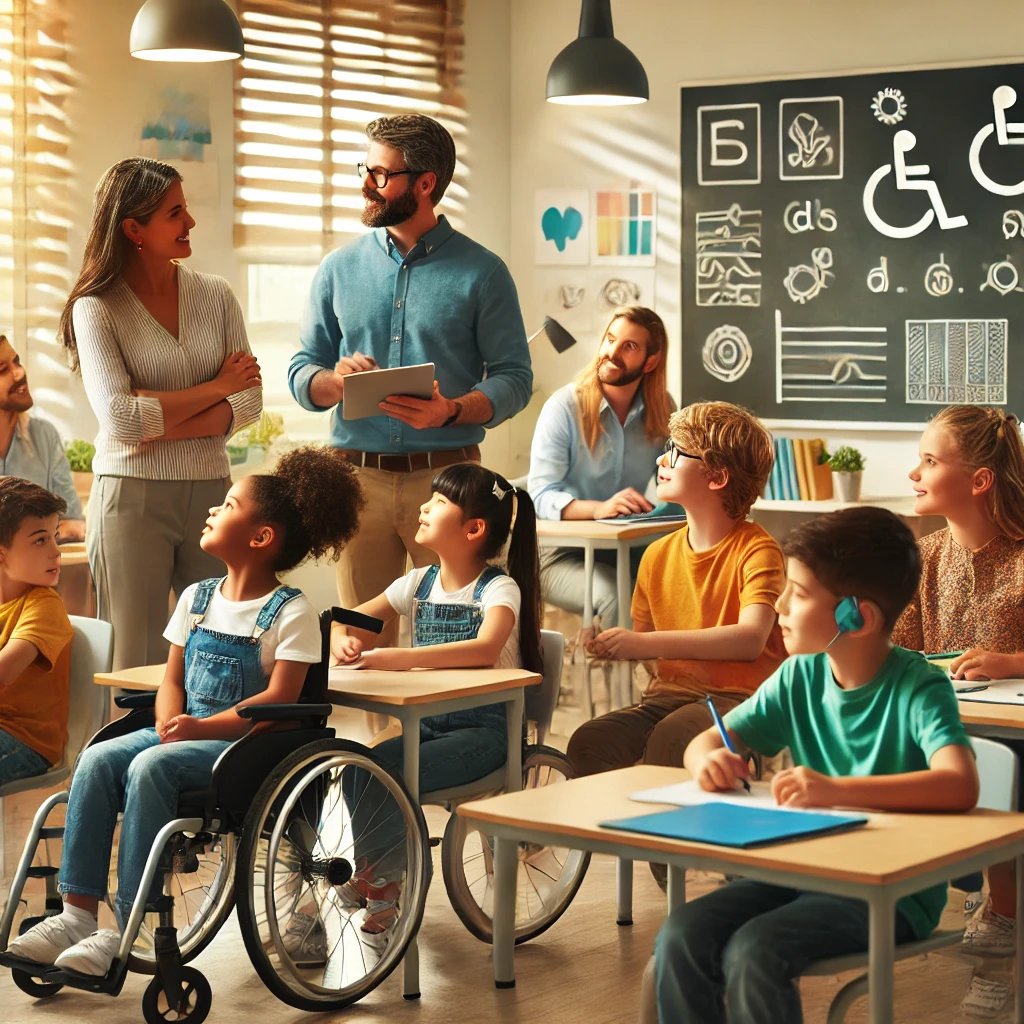
The Transformative Power of Music in Communities
Music is increasingly recognized as a vital component in fostering social inclusion and celebrating diversity, acting as a catalyst for personal and communal transformation. Beyond mere entertainment, it serves as a vehicle for change, allowing individuals from disparate backgrounds to connect on a deeper level. The following aspects illustrate how musical skills can shape more inclusive and diverse communities.
- Creating Safe Spaces: Musical initiatives provide safe environments where individuals can express themselves without judgment. Community music workshops, for instance, offer participants a platform to share their stories through song, often leading to enriched understanding and support among fellow participants. These shared experiences can significantly diminish feelings of isolation and encourage bonding.
- Educational Opportunities: Music education programs, particularly in underfunded schools, can bridge the gap for marginalized youth. By providing access to musical instruments and training, these programs create equitable opportunities for personal and academic growth. Research shows that students in robust music programs often demonstrate improved classroom behavior, a decrease in dropout rates, and a greater likelihood of pursuing higher education.
- Community Engagement: Music festivals and local gatherings showcase the unique sounds and artistic expressions of various cultures within a community. Events like the Newport Folk Festival or the American Roots Festival not only celebrate musical diversity but also draw in individuals from different backgrounds, fostering conversations that promote understanding and inclusivity.
Through participatory music-making activities, communities can engage in public dialogues that reflect their rich cultural tapestries. For instance, initiatives like the Jazz and Democracy Project utilize music as a means to address social justice issues, illustrating music’s potential to nurture activism. By using familiar sounds and rhythms to engage audiences, these projects speak to social concerns, encouraging dialogue in ways that traditional methods often cannot.
Building Bridges through Collaborative Efforts
Collaboration is at the heart of most musical experiences, and this unity is crucial in promoting diversity and inclusion. When people come together to create music, they are compelled to communicate and compromise, building mutual respect. Organizations such as Musicians Without Borders work globally to create spaces where diverse individuals can collaborate to produce music that embodies their unique stories and cultures. Such collaborations become powerful embodiments of solidarity and understanding.
Furthermore, successful music programs in urban areas, like the Harmony Program in New York City, highlight how strategically designed initiatives can unite individuals from varied backgrounds. These programs not only teach musical skills but also emphasize the importance of teamwork and community involvement. Participants learn to appreciate diversity through their shared musical interests, fostering friendships that transcend social divisions.
In our exploration of music’s role in social inclusion and diversity, we uncover stories of resilience, hope, and transformation. By examining the ways in which communities harness the potential of musical collaboration, we begin to understand how this universal language holds the power to shape attitudes and dismantle barriers, making our society more inclusive and vibrant for all.
The Role of Musical Skills in Promoting Social Inclusion and Diversity
Musical skills play a pivotal role in creating bridges between diverse communities, fostering social inclusion in a unique and impactful manner. The act of making music together transcends linguistic, cultural, and socio-economic barriers, allowing individuals from varied backgrounds to connect on a deeper, emotional level. Through collaborative music-making, participants often experience enhanced empathy and understanding, which are vital components in promoting inclusivity.
Moreover, research indicates that participation in music activities can lead to improved mental health outcomes. Engaging in communal music sessions not only provides joy but also aids in the reduction of stress and anxiety, creating a more inclusive atmosphere. This social cohesion is especially beneficial for marginalized groups, providing them with an opportunity to voice their narratives through artistic expression.
Musical training also enhances important soft skills such as teamwork and communication, essential for establishing inclusive social contexts. When individuals learn to play an instrument or sing in a group, they develop the ability to listen not just to the music but to each other. This collaborative spirit encourages respect and appreciation for diverse perspectives, ultimately contributing to a more harmonious society.
In educational settings, integrating music into the curriculum has shown significant positive outcomes. Programs that emphasize music appreciation and performance can engage students from diverse backgrounds, enabling them to thrive academically while cultivating a sense of belonging. For educators, this presents an opportunity to support diversity actively, enriching students’ experiences and understanding of one another.
| Advantages of Musical Skills | Impact on Social Inclusion |
|---|---|
| Empathy Development | Fosters understanding across cultures through shared experiences. |
| Mental Health Benefits | Reduces anxiety and stress, promoting a sense of belonging. |
As the value of music in advancing social inclusion becomes increasingly recognized, more organizations and communities are investing in music initiatives that unite diverse populations. This shift not only enhances individual well-being but also creates rich, vibrant communities where everyone’s voice matters. By exploring the role of musical skills in fostering inclusivity, we uncover endless possibilities for uniting humanity through the power of sound.
DISCOVER MORE: Click here to unlock the secrets of paper crafting
Music as a Tool for Reconciliation and Healing
The impact of music extends beyond mere performance and enjoyment; it plays an essential role in promoting healing and reconciliation in communities affected by trauma and division. In recent years, initiatives aimed at leveraging musical skills to aid recovery have gained momentum, particularly in areas experiencing conflict or social unrest. Understanding music’s therapeutic qualities can enhance social inclusion and foster a diverse environment characterized by understanding and empathy.
- Community Healing Programs: Initiatives such as the Transitional Justice through Music remind us that music can serve as a powerful medium for processing collective grief and trauma. Programs designed in places like Rwanda, where communities have faced significant strife, use music therapy to facilitate dialogue around painful pasts. By engaging in music together, participants can confront their experiences and move toward healing, thereby reinforcing community ties and fostering an inclusive atmosphere.
- Identity and Empowerment: For marginalized groups, music can serve as a powerful expression of identity. When individuals engage in traditional music forms that represent their ethnic backgrounds, they not only preserve their heritage but also uplift their voices. Organizations like the National Council for the Traditional Arts work to showcase and promote traditional music across the United States, connecting diverse communities and providing platforms for underrepresented artists. This validation of cultural heritage encourages individuals to embrace their identity, fostering pride and social inclusion.
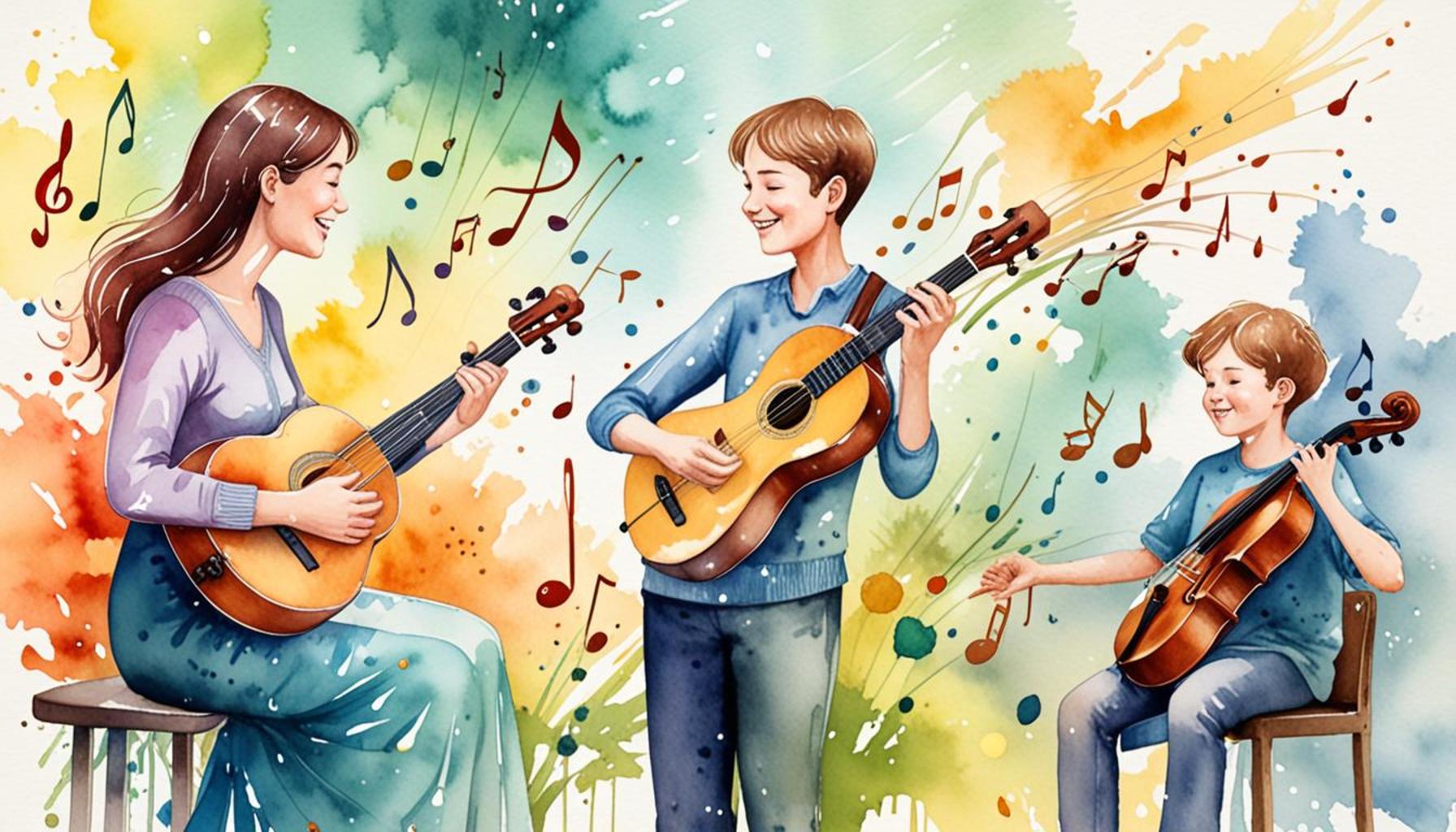
- Intergenerational Communication: Music acts as a bridge between generations, allowing individuals of different ages to connect and share experiences. Programs that involve older adults and youth, such as community choirs or intergenerational jam sessions, facilitate the exchange of musical knowledge while fostering respect and understanding. This kind of collaborative interaction encourages a sense of belonging, emphasizes shared experiences, and nurtures diversity by bringing together varying perspectives.
Moreover, special initiatives like the North American Folk Alliance have successfully highlighted the significance of fostering connections within and between communities. Encouraging collaborations among diverse musical acts during events not only enriches the cultural landscape but also creates networking opportunities for artists of various backgrounds. When performers collaborate on stage, they model respect, appreciation, and recognition of differences, inspiring audiences to do the same.
Digital Music Platforms as Agents of Change
The rise of digital music platforms has democratized access to music, transcending geographical barriers and connecting individuals from diverse backgrounds. Platforms like SoundCloud and Bandcamp have become vital tools for underrepresented artists to globalize their music and share their stories. This newfound visibility creates an open space for dialogue, giving voice to diverse narratives and contributing to a more inclusive music scene.
Social media campaigns further enhance this outreach, allowing artists to connect directly with audiences and build supportive communities. For instance, the hashtag trend #BlackLivesMatter has inspired musicians and producers to collaborate on tracks that raise awareness about social issues, effectively using their art as a form of activism. These digital spaces not only promote social inclusion but also amplify diverse voices, setting a precedent for future generations.
Ultimately, the conversation around music and social inclusion continues to evolve, highlighting the profound impact that musical skills can have in bridging divides, promoting diversity, and fostering an inclusive society. As communities recognize the transformative power of music, we can expect real change — one harmony at a time.
DISCOVER MORE: Click here to learn how music enhances creativity in other hobbies
Conclusion
In summation, the role of musical skills in fostering social inclusion and diversity is both profound and multifaceted. As explored throughout this article, music serves as a vital tool for healing and reconciliation, enabling communities to navigate through their collective traumas and differences. By engaging in collaborative musical initiatives, communities not only strengthen their bonds but also cultivate an environment that champions empathy and understanding.
Moreover, the expression of cultural and ethnic identities through music empowers marginalized voices and promotes a sense of belonging. Organizations dedicated to showcasing diverse musical forms ensure that these voices are uplifted and validated, facilitating pride in cultural heritage. Equally important is music’s ability to connect generations, allowing the exchange of ideas and experiences that enrich the social fabric of our communities.
The advent of digital music platforms has further democratized access to music, offering underrepresented artists the opportunity to share their narratives with a global audience. This accessibility fosters dialogue and nurtures diversity while encouraging grassroots movements to address pressing social issues through music-based activism. As campaigns emphasize intersectionality and raise awareness, they remind us of music’s power to transcend barriers and unite people around shared values.
As we move forward, it is imperative to recognize the incredible potential that music holds in promoting inclusivity and diversity within our society. By harnessing musical skills, we can create spaces for dialogue, understanding, and collaboration, paving the way for a harmonious future, where diversity is celebrated and inclusivity is the norm.