The Science of Memory: How Mind Games and Puzzles Can Enhance Cognitive Function
Unveiling the Mysteries of Memory
The human brain is a complex organ, responsible for a myriad of functions that dictate our daily lives. One of its most fascinating capabilities is memory—an essential component that influences both personal experiences and cognitive health. Recent studies have shown that engaging in mind games and puzzles can significantly enhance our cognitive function, making memory improvement a tangible goal for many.
Why Focus on Memory?
Understanding memory is crucial as it plays a role in various aspects of our lives, including:
- Learning new skills
- Problem-solving abilities
- Emotional well-being
Memory allows us to navigate the world—learning from past experiences, recalling information for work or studies, and forming relationships hinges on our ability to remember. Given the rapid increase in the aging population within the United States, enhancing cognitive abilities has become a pressing concern. According to the World Health Organization, the global population aged 60 and older is expected to nearly double from 12% to 22% between 2015 and 2050. This rising demographic highlights the urgent need for effective and engaging strategies aimed at preserving cognitive health.
Mind Games and Puzzles Explained
Activities like crossword puzzles, Sudoku, and logic games are more than just entertainment—they are scientifically proven to offer a range of cognitive benefits. Numerous studies have researched these activities, revealing some prominent advantages, including:
- Improved memory retention: Regular engagement with puzzles can strengthen neural connections, making it easier to store and retrieve information.
- Enhanced concentration and focus: Mind games require players to follow rules and foster a level of engagement that can sharpen attention skills.
- Slower cognitive decline with age: Research published in the journal “Neurology” indicates that adults who frequently engage in cognitively stimulating activities are less likely to experience cognitive decline as they age.
Moreover, these activities can easily be incorporated into daily life, making them accessible to a wide range of individuals. For instance, an individual might enjoy a quick crossword puzzle during their morning coffee or solve a Sudoku while waiting for an appointment. Such integration of mental challenges into everyday routines can accumulate significant benefits over time.
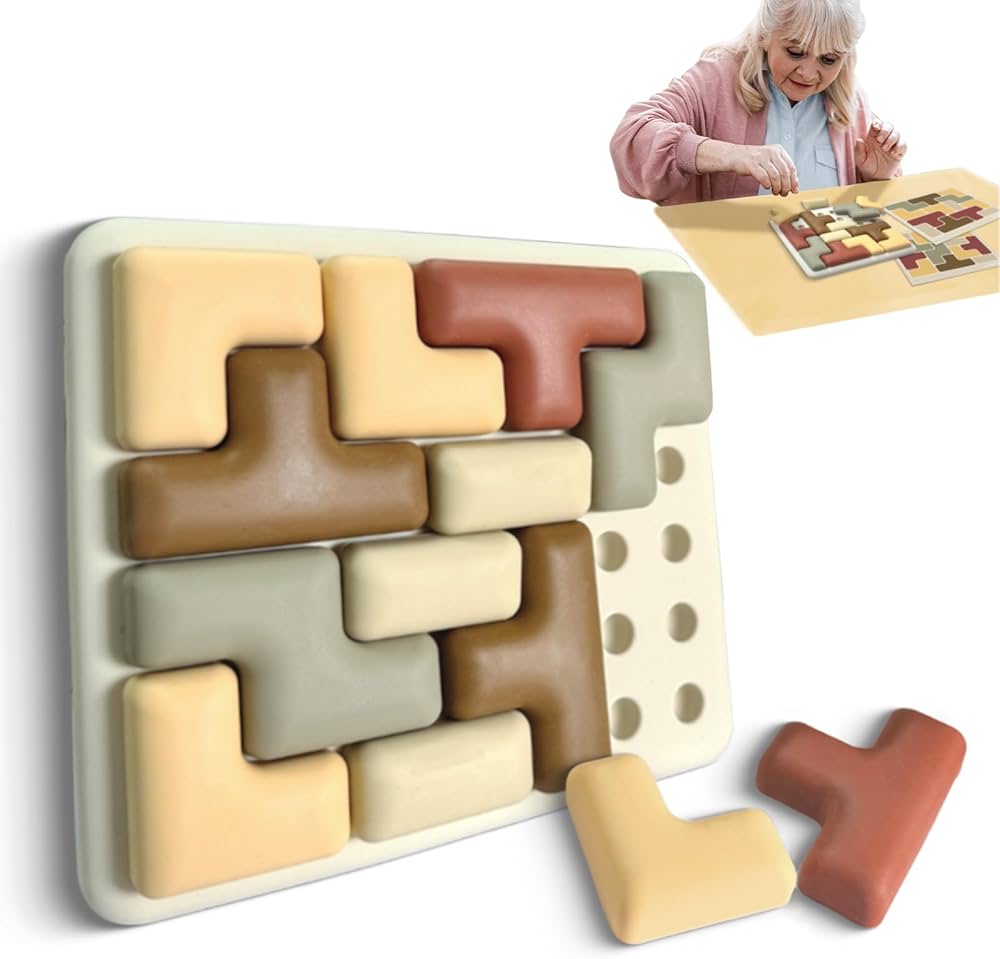
As more research emerges in this field, understanding the relationship between mind games and our brain’s functionality can lead to personalized strategies for maintaining mental vitality. The learning isn’t just limited to the elderly; people of all ages can engage in these stimulating activities to develop their cognitive skills, ensuring that future generations navigate life’s complexities with enhanced mental acuity.
DON’T MISS OUT: Click here to enhance your cognitive skills
The Intricacies of Cognitive Function
Memory is not merely a storage system; it is a dynamic process that shapes our identities and influences how we interact with the world around us. Our brains possess an incredible ability to reorganize and adapt, a phenomenon known as neuroplasticity. This adaptability is crucial when considering how mind games and puzzles can bolster cognitive function. By engaging in these activities, we can harness the power of neuroplasticity to improve our mental agility and memory retention.
The Mechanisms of Memory Enhancement
Understanding the science behind memory enhancement through games hinges on recognizing how the brain processes information. When engaging in tasks that challenge our intellect, such as memory-related games, our brains experience several beneficial changes, including:
- Strengthened synaptic connections: As we solve puzzles, the repeated neural pathways become more robust, reinforcing the links between neurons that facilitate memory recall.
- Increased dopamine production: Successfully completing a puzzle can trigger the release of dopamine, a neurotransmitter that not only elevates mood but also plays a role in the learning process, aiding memory formation.
- Enhanced mental flexibility: Mind games often require adaptive thinking, promoting cognitive flexibility—a core component of effective problem-solving and innovation.
Research supports these claims. A landmark study conducted at the University of California, San Francisco, evaluated older adults who participated in regular brain exercises. The findings revealed that those who frequently engaged with cognitive challenges exhibited significant improvements in memory and overall cognitive performance compared to their sedentary counterparts.
Real-World Applications of Cognitive Games
Incorporating mind games into daily routines doesn’t have to be a daunting task. Simple changes can yield substantial benefits. Whether it’s enjoying a game of chess with friends, solving a logic puzzle on the commute, or even playing word games on a mobile app during lunch breaks, the accessibility of these activities means anyone can participate. Furthermore, the variety of games available—from crosswords and Sudoku to jigsaw puzzles and trivia contests—ensures that there is something for everyone, regardless of interests or cognitive levels.
As the conversation around cognitive health grows, embracing these mind-stimulating activities becomes even more critical. Engaging in puzzles and games not only adds an element of fun to our lives but also caters to the pressing need for cognitive preservation, a vital concern for the aging population in the United States. With 10,000 baby boomers turning 65 every day, strategies for maintaining memory and cognitive function are more relevant than ever.
The Science of Memory: How Mind Games and Puzzles Can Enhance Cognitive Function
Mind games and puzzles are not just entertaining; they offer a plethora of cognitive benefits that significantly enhance our memory and overall brain function. Research illustrates that engaging in these mental exercises stimulates various neural pathways, which can contribute to improved cognitive function and retention of information. Various types of challenges, such as crosswords, sudoku, or brain training apps, target specific memory skills, sharpening both short-term and long-term recall.Furthermore, studies indicate that playing mind games regularly can lead to an increase in the brain’s age resilience, potentially delaying the onset of neurodegenerative diseases. Participants in cognitive training studies show a remarkable ability to maintain cognitive performance well into their later years, showcasing the brain’s plasticity. This ability to adapt and rewire itself is crucial in combating age-related decline and fostering lifelong learning.Additionally, the social aspect of playing games can not be overstated. Engaging with friends or family in puzzle challenges not only makes the experience more enjoyable but significantly enhances memory retention through shared experiences and discussions. The review of game strategies and outcomes stimulates deep cognitive processing, which is beneficial for memory consolidation.Overall, the integration of mind games and puzzles into your daily routine is a simple yet effective method of enhancing cognitive resilience. By consistently challenging your brain, you can ensure that your mental faculties remain sharp and engaged, paving the way for improved learning and memory retention throughout life.
| Category | Description |
|---|---|
| Cognitive Enhancement | Mind games stimulate neural pathways and improve memory retention. |
| Social Interaction | Playing games with others fosters collaboration, enhancing learning and cognitive function. |
Engaging in mentally stimulating activities is essential for maintaining cognitive health, making it imperative for individuals of all ages to include mind games and puzzles in their daily lives. Whether through solitude or social interaction, the brain thrives on the challenges that these activities provide, ensuring you remain sharp and agile as the years progress.
DIVE DEEPER: Click here to learn how team-based puzzles enhance strategic thinking
The Role of Social Interaction in Cognitive Games
While engaging in mind games and puzzles is often seen as a solitary activity, the social aspect of these games plays a crucial role in enhancing cognitive function. Studies have shown that participating in group puzzles or competitive game scenarios can significantly elevate cognitive benefits. When individuals collaborate or compete, it fosters not only cognitive engagement but also emotional connection, which is vital for overall mental health.
Benefits of Cooperative Gameplay
Cooperative games, where players work together towards a common goal, stimulate a sense of community and camaraderie. This social interaction can lead to enhanced memory function due to the shared experiences and discussions that arise. As players communicate strategies and share insights, their brains form new connections that aid memory retention. A study published in the Journal of Neuropsychology found that older adults who participated in paired gameplay showed notable improvements in memory and problem-solving abilities compared to those who played alone.
Additionally, the social context surrounding these activities releases oxytocin, a hormone associated with bonding and emotional well-being. This can lower levels of stress, further allowing the brain to function at its best. Therefore, engaging in mind games with friends or family members not only makes the activity enjoyable but also serves as a crucial component in cognitive enhancement.
Puzzles in Educational Settings
The incorporation of puzzles and mind games in educational settings has swept across various age groups, further highlighting their cognitive benefits. Educators are increasingly utilizing brain games as valuable tools in classrooms. A memorable instance can be found in Montessori schools, where children participate in hands-on puzzles that challenge their spatial reasoning and memory. These activities promote critical thinking skills and have been linked to improved academic performance.
Research from Purdue University revealed that students who engaged in structured problem-solving tasks, including puzzles, showed higher retention rates of information compared to traditional learning methods. By stimulating different areas of the brain, these games encourage creativity and make learning a more interactive experience.
Technological Advances in Cognitive Gaming
As we advance into a technology-driven world, the evolution of cognitive games has taken an exciting turn. Mobile apps and online platforms are now available that provide interactive challenges specifically designed to enhance memory function. Applications such as Lumosity and Peak offer a plethora of engaging games that promote cognitive skills, from working memory and attention to problem-solving abilities. These platforms use personalized feedback and performance tracking to cater to individual improvement, making cognitive enhancement both accessible and enjoyable for a wider audience.
The fusion of technology with cognitive games allows for a broader reach, engaging younger generations while also catering to older adults seeking to maintain their mental edge. It fosters a culture of continual learning and adaptation, contributing to lifelong cognitive health—a fundamental element in the pursuit of enhancing memory and overall cognitive function.
DISCOVER MORE: Click here to enhance your strategic thinking
Conclusion
In conclusion, the exploration of mind games and puzzles reveals their profound impact on our cognitive function and memory enhancement. As we have seen, engaging in these activities offers a multifaceted approach to sharpening our cognitive abilities, which is essential for individuals of all ages. Research consistently demonstrates that both solitary and cooperative gameplay can boost memory retention, problem-solving skills, and overall mental agility. The social element of these activities fosters emotional connections, reinforcing the notion that cognitive health is deeply intertwined with our interactions and relationships.
Moreover, the integration of puzzles within educational settings illustrates their practicality and effectiveness in promoting critical thinking and creativity among younger learners. Innovative educational frameworks harness the power of brain games, ensuring students not only absorb information but engage with it meaningfully. Additionally, technological advancements have expanded accessibility by offering platforms that make cognitive training entertaining and personalized, thus appealing to a wider audience.
As we navigate the complexities of our modern world, prioritizing cognitive health through mind games and puzzles stands out as a valuable investment in our mental well-being. Ultimately, engaging with these games not only enriches our daily lives but also equips us with the mental tools necessary for lifelong learning and adaptability. Embracing these challenges may ultimately be the key to unlocking potential we have yet to discover within ourselves.
Related posts:
The relationship between puzzles and memory improvement in older adults
Memory Training Through Play: The Impact of Puzzles on Long-Term Retention
The role of board games in cognitive stimulation and memory
Impact of group memory competitions on information retention and recall
Developing Memory Skills Through Word Games and Linguistic Challenges
The Role of Strategy Games in Strengthening Memory Skills: A Deep Dive into Cognitive Benefits

Linda Carter is a writer and puzzle expert specializing in mind games, brain teasers, and cognitive challenges. With extensive experience helping individuals enhance their problem-solving skills and think critically, Linda shares her knowledge on our platform. Her goal is to empower readers with practical advice, engaging puzzles, and strategies to sharpen their minds and achieve success in the captivating world of mind games and puzzles.