The Science of Pattern Recognition: How Logic Puzzles Sharpen Cognitive Skills
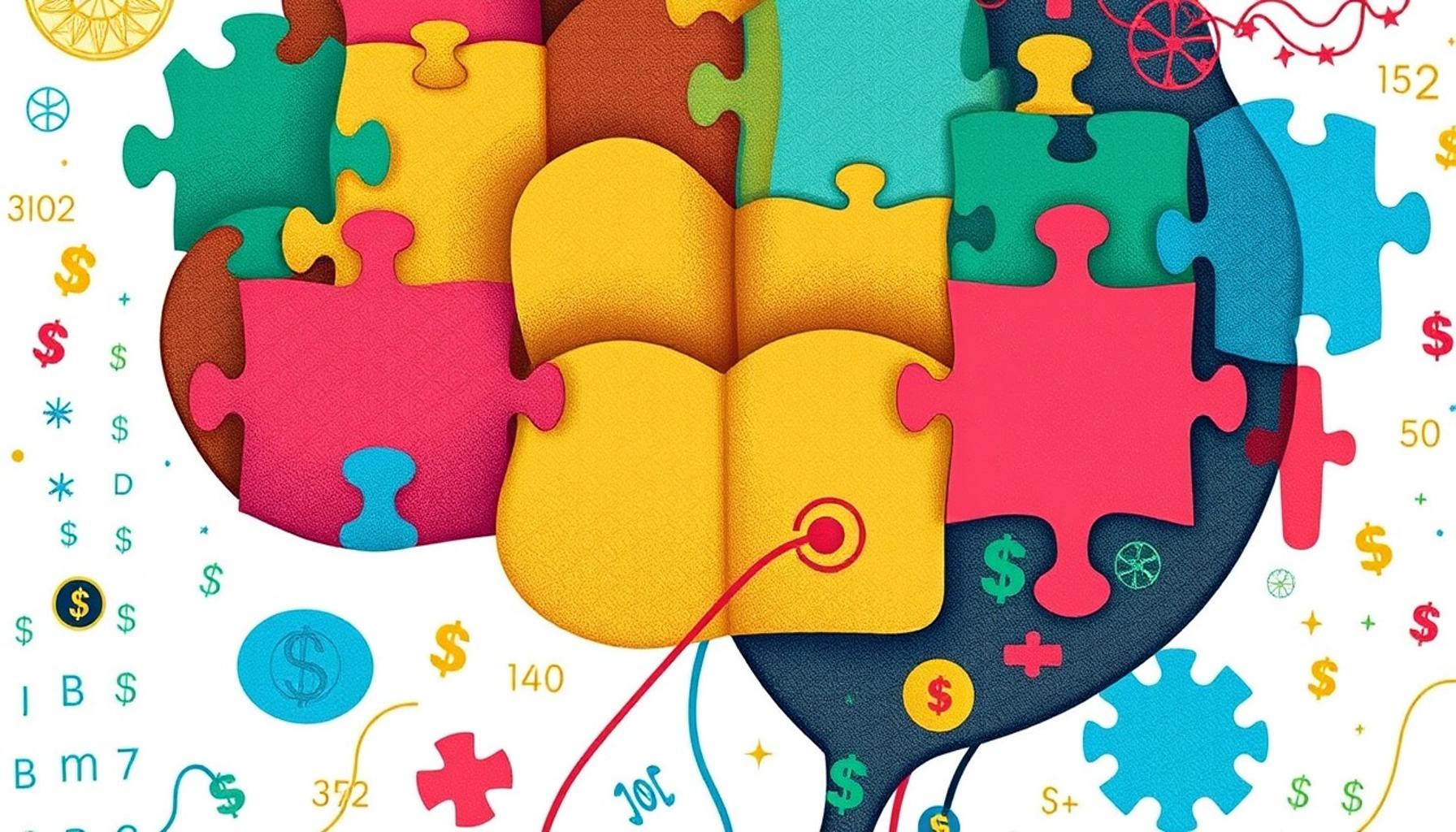
Understanding the Mechanisms of Brain Function
In our fast-paced world, the sheer volume of information we encounter daily can be overwhelming. From news notifications on our smartphones to social media updates and endless advertisements, filtering through this data is crucial for effective decision-making and creative problem-solving. The science behind pattern recognition is a fascinating area of study that reveals how our brains, equipped with complex neural pathways, can detect relationships and trends amidst chaos.
Logic puzzles present an intriguing way to engage our cognitive faculties. Beyond being a source of amusement, they challenge our mental capabilities in profound ways. Consider the impact of these puzzles:
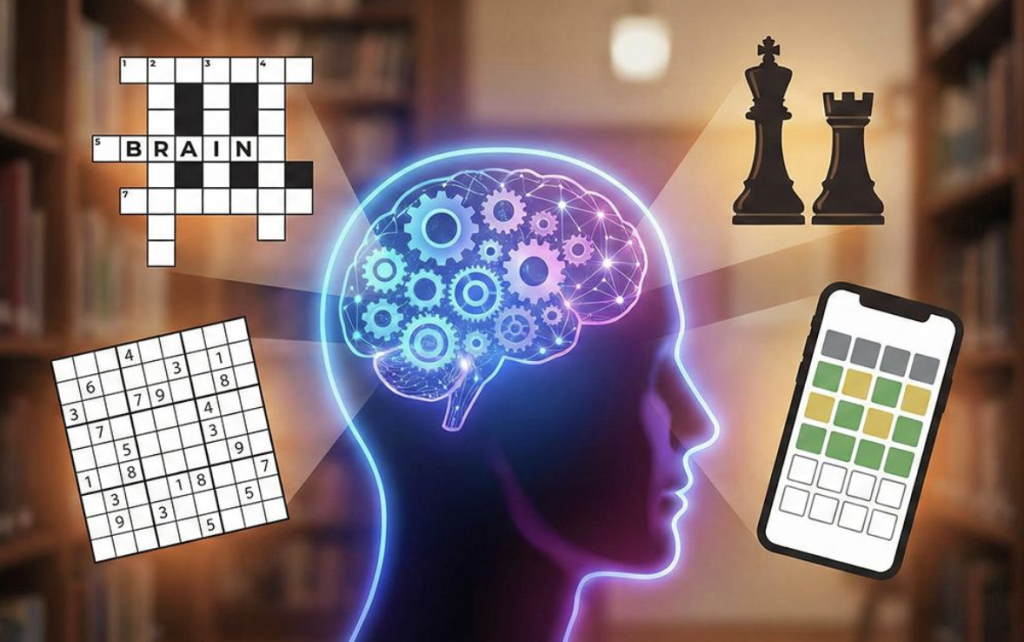
- Improved critical thinking: Regularly engaging with logic puzzles sharpens analytical skills by prompting participants to evaluate information critically and consider various possible solutions. For instance, a chess player must constantly analyze their opponent’s moves, anticipating future strategies.
- Enhanced memory: The cognitive process involved in solving puzzles can improve our memory retention. Techniques such as mnemonic devices and visualization during puzzles can lead to a stronger recall of information, generating long-lasting cognitive benefits.
- Boosted creativity: Tackling diverse challenges like riddles or lateral thinking puzzles encourages out-of-the-box thinking. This fostering of creativity can translate to real-world problem-solving, as the skills developed through puzzles often mirror those required in innovative projects or brainstorming sessions.
Research has showcased the tangible benefits of engaging in these brain-teasers. For example, a comprehensive study published in the journal “Psychology and Aging” indicated that older adults who participate in logic puzzles and memory games show significantly lower rates of cognitive decline compared to those who do not engage in such activities. This highlights not just the immediate gratification of puzzle-solving but also its long-term benefits for mental sharpness.
Logic puzzles come in various forms, appealing to diverse audiences across age groups. From the numbers of sudoku to the clever wordplay of crosswords, there is a puzzle for everyone. Moreover, these activities provide insights into how our brains function under pressure, with each solved puzzle enhancing confidence and cognitive resilience.
Diving deeper into the science of pattern recognition can illuminate not just how we recognize familiar cues—like navigating traffic without consciously thinking about it—but also how we can cultivate skills that benefit us in every aspect of life. As we explore the rich world of logic puzzles, a deeper understanding of our cognitive abilities underscores how enjoyable actions can concurrently serve as powerful tools for intellectual growth.
DISCOVER MORE: Click here to deepen your understanding
The Cognitive Foundations of Pattern Recognition
Pattern recognition is a fundamental cognitive skill that allows us to decipher information quickly and efficiently. This skill is rooted in our brain’s ability to identify similarities and differences in data, which is essential for problem-solving and decision-making. Logic puzzles, in particular, serve as excellent tools for enhancing this skill by challenging our brains to identify underlying structures and relationships among seemingly disparate elements.
Engaging with logic puzzles activates various regions of the brain, particularly those responsible for executive functions. These include planning, attention, and working memory, all of which are crucial for recognizing patterns and drawing conclusions. When you tackle a challenging puzzle, you are not merely solving an isolated problem; you are honing your brain’s ability to process information and respond to complex scenarios.
Consider the cognitive processes at play when working through a classic logic grid puzzle. Here, solvers must categorize information, keep track of multiple variables, and make inferences based on limited clues. This demands a robust working memory and the ability to manipulate and analyze data effectively. Furthermore, solving these kinds of puzzles often involves several cognitive strategies:
- Deductive reasoning: This involves drawing specific conclusions from general premises. In logic puzzles, for example, once you establish certain truths, you can systematically eliminate impossible scenarios.
- Inductive reasoning: Here, we observe specific instances and generate broader conclusions. Recognizing patterns in a sequence can lead you to predict the next element, a skill that enhances not just puzzle-solving but also everyday decision-making.
- Visual-spatial skills: Many puzzles, like jigsaw or puzzle cube variations, require an understanding of how pieces fit together in a two- or three-dimensional space. Developing these skills enhances your ability to navigate and interact with the world around you.
The implications of enhancing these cognitive abilities extend far beyond the realm of games and puzzles. For instance, a study from the American Psychological Association discovered that engaging in regular brain games, including logic puzzles, can lead to significant improvements in cognitive flexibility and creative thinking. Participants showed marked growth in their ability to adapt to new situations, think on their feet, and draw connections between unrelated concepts. As such, integrating logic puzzles into our daily lives could serve as a small yet impactful step towards maintaining cognitive health and resilience.
As we delve into the nuances of these fascinating cognitive tools, it becomes clear that logic puzzles are not merely a pastime—they are powerful instruments in the ongoing development of our cognitive skills. By frequently challenging our brains, we can cultivate a sharper intellect, better equipped to handle the complexities of modern life.
The Intricacies of Cognitive Skills Development
Understanding the science of pattern recognition reveals not just a fascinating aspect of human cognition but also practical applications that enhance our daily lives. Engaging with logic puzzles serves as a powerful tool in refining cognitive abilities. Research suggests that these puzzles can significantly improve problem-solving skills, as they require individuals to analyze information, recognize underlying structures, and draw logical conclusions. This process bolsters mental agility and promotes faster decision-making, both critical skills in our fast-paced world.
Real-World Applications
Moreover, the benefits of engaging with logic puzzles extend beyond mere entertainment. Many industries, from technology to education, increasingly recognize the importance of pattern recognition in innovation and effective communication. For example, software developers often utilize logical reasoning to troubleshoot and optimize code, while educators employ similar skills to devise teaching strategies that cater to diverse learning styles.
Furthermore, numerous studies have indicated a correlation between regular engagement in logic puzzles and a reduced risk of cognitive decline in older adults. This points towards the capacity for cognitive exercises to not only boost brain health but also enhance longevity in mental sharpness.
Encouraging Critical Thinking
As we navigate through complex societal issues, the ability to think critically and recognize patterns becomes all the more essential. Logic puzzles foster a mindset that encourages individuals to question assumptions and explore multiple perspectives. By challenging the brain in such ways, participants develop a richer understanding of the intricate tapestry of information that surrounds them.
| Category | Advantages |
|---|---|
| Mental Agility | Enhances speed of thought and decision-making. |
| Problem Solving | Cultivates the ability to identify solutions to complex challenges. |
| Cognitive Health | Regular practice can lower the risk of memory decline. |
| Critical Thinking | Encourages a questioning mindset and explores new perspectives. |
Exploring these advantages encourages readers to consider how integrating logic puzzles into their routine could substantially benefit their cognitive development and overall mental well-being.
DIVE DEEPER: Click here to discover how logic challenges can boost your skills
The Role of Logic Puzzles in Enhancing Cognitive Agility
The benefits of engaging with logic puzzles extend far beyond mere entertainment; they foster a unique environment for sharpening our cognitive agility. Cognitive agility refers to the ability to think clearly and make good decisions in a complex, rapidly changing environment. In an age where information overload is commonplace, enhancing this skill is more crucial than ever. By routinely solving logic puzzles, individuals can significantly enhance their cognitive flexibility and problem-solving capabilities, both key components of effective pattern recognition.
One of the standout characteristics of logic puzzles is their capacity to improve attention to detail. Unlike straightforward tasks, puzzles often present distractions—misleading clues or extraneous information that can cloud judgment. Engaging with these challenges trains the brain to sift through irrelevant details to pinpoint what truly matters. This is particularly beneficial in professional environments, where the ability to focus on key facts while ignoring distractions can lead to better outcomes.
Moreover, logic puzzles foster a mindset of resilience and perseverance. Each puzzle presents its own set of challenges that can be frustrating at times. However, the process of attempting to solve these puzzles cultivates a sense of patience and determination. Neuropsychological research indicates that overcoming such challenges not only enhances problem-solving skills but also builds emotional resilience. This resilience translates into real-world applications, enabling individuals to maintain composure under pressure and approach difficulties with a solution-oriented mindset.
Additionally, the social dimension of logic puzzles cannot be overlooked. Collaborative puzzle-solving, whether through online platforms or in-person gatherings, encourages communication and teamwork. These scenarios often require shared reasoning, allowing individuals to learn different cognitive strategies from one another. For instance, a study published in the Journal of Cognitive Psychology demonstrated that group puzzle-solving prompts individuals to explore diverse viewpoints, ultimately fostering a richer understanding of concepts and enhancing creative problem-solving.
Implementing logic puzzles into our daily routines can take various forms—from dedicating a few minutes each day to a challenging crossword to participating in a weekly puzzle meetup. Resources like mobile applications and websites dedicated to brain games have gained popularity in recent years, indicating a growing awareness of their cognitive benefits. For example, platforms such as Lumosity and Peak offer a plethora of brain games tailored to specific cognitive skills, including memory, attention, and problem-solving, effectively reinforcing the principles behind pattern recognition.
The correlation between regular puzzle engagement and improved cognitive abilities has significant implications for education. In the classroom, educators can harness the power of logic puzzles to promote critical thinking and foster a growth mindset among students. By integrating puzzle-solving activities into the curriculum, educators can cultivate essential skills in young learners, preparing them for the complexities of future academic and professional pursuits.
Thus, the implications of regularly engaging with logic puzzles reach into various aspects of life, from personal development to academic achievement. By actively participating in these mental challenges, individuals can not only sharpen their pattern recognition skills but also improve their overall cognitive health, setting the stage for lifelong learning and adaptation in an ever-evolving world.
DISCOVER: Click here to learn more about the impact of traditional memory games on children’s memory
Conclusion: Unveiling the Power of Logic Puzzles in Cognitive Skill Development
As we navigate through the complexities of modern life, the significance of pattern recognition and cognitive agility becomes ever more apparent. Engaging with logic puzzles emerges as not just an enjoyable pastime but also a crucial tool for enhancing our mental faculties. By challenging our brains to solve intricate problems, we sharpen our ability to recognize patterns, improve our attention to detail, and develop resilience in the face of obstacles.
Furthermore, logic puzzles foster collaborative problem-solving, encouraging teamwork and the sharing of cognitive strategies that enrich our understanding and application of creative thinking. The educational implications are vast; educators can leverage these puzzles as innovative tools to cultivate critical thinking skills in students, equipping them for future challenges in a rapidly evolving world.
With the rise of digital platforms providing access to a plethora of brain games, incorporating logic puzzles into daily routines has never been easier. They serve not only as a means of entertainment but also as a vital exercise for cognitive health. As individuals recognize the importance of these challenges in their personal and professional lives, the broader conversation about the science of pattern recognition will certainly continue to grow.
In essence, dedicating time to solve logic puzzles is an investment in cognitive well-being. The cumulative effects can lead us to improved decision-making, creativity, and adaptability—all essential skills in today’s fast-paced society. So, whether you choose to tackle a daily crossword, engage in online puzzle forums, or discuss strategies with friends, remember that each puzzle solved is a step towards sharpening those invaluable cognitive skills.
Related posts:
The Influence of Jigsaw Puzzles on Visual-Spatial Skills and Attention to Detail
How Strategy Board Games Enhance Critical Thinking and Decision-Making Skills
Exploring the Role of Brain Teasers in Developing Critical Thinking Skills
The Impact of Sudoku on Cognitive Flexibility and Problem-Solving Skills
The Connection Between Chess and Emotional Intelligence: A Cognitive Perspective
Exploring the Cognitive Benefits of Escape Room Challenges on Team Collaboration

Linda Carter is a writer and puzzle expert specializing in mind games, brain teasers, and cognitive challenges. With extensive experience helping individuals enhance their problem-solving skills and think critically, Linda shares her knowledge on our platform. Her goal is to empower readers with practical advice, engaging puzzles, and strategies to sharpen their minds and achieve success in the captivating world of mind games and puzzles.