Weaving Techniques: Creating Unique Patterns with Natural Yarns
Unveiling the Craft of Weaving with Natural Yarns
Weaving is a time-honored skill that has been practiced for thousands of years, evolving through cultures across the globe. It transforms simple threads into elaborate textiles, and with the rise of sustainable practices, natural yarns like cotton, wool, and alpaca have begun to take center stage. These materials not only provide an artistic outlet but also represent an eco-conscious choice for artisans seeking to minimize their environmental footprint.
As the demand for natural yarns increases, understanding their benefits becomes essential for those engaged in the craft. Natural fibers are inherently biodegradable, breaking down over time and returning to the earth without leaving behind harmful remnants. This starkly contrasts with synthetic fibers, which can take centuries to decompose and often pollute the environment. Furthermore, those who wear textiles made from these fibers benefit from their breathability. Natural yarns regulate temperature effectively, providing comfort during both warm and cool weather. Their versatility is another asset; artisans can easily dye and manipulate these fibers, enabling the creation of an infinite array of colors and textures that suit personal styles or thematic inspirations.
For aspiring weavers, delving into various weaving techniques enriches both skills and appreciation for this age-old craft. Each method imparts distinct characteristics to the finished products. For instance, the plain weave is the simplest technique, offering a tight and durable fabric ideal for everyday items and household textiles. On the other hand, the twill weave introduces diagonal patterns, providing a more textured surface that can enhance the visual depth of garments. Finally, the deflected double weave allows for the creation of stunning three-dimensional effects, making it perfect for those who aim to push the boundaries of traditional weaving.
Incorporating these techniques not only results in breathtaking textiles but also offers the satisfaction of creating functional art. Whether crafting stunning wall hangings, cozy garments, or statement home decor pieces, the possibilities are boundless. As you embark on your weaving journey, consider how different yarns, patterns, and techniques can come together to reflect your unique artistic vision. Join the movement that celebrates craftsmanship, sustainability, and creativity in the world of weaving with natural yarns.
DISCOVER MORE: Click here to dive deeper into literary genres
Diving Into Weaving Techniques: Basics and Beyond
Understanding the myriad weaving techniques available to artisans is essential for creating unique patterns and textures with natural yarns. Each technique brings its own set of characteristics to the finished textile and allows for a distinct expression of creativity. As you explore the intricate world of weaving, you will discover that there are classic methods and innovative approaches that can elevate your craft.
One of the most foundational techniques is the plain weave. This style creates a straightforward over-and-under pattern, which produces a fabric that is both strong and versatile. Items made with a plain weave are durable and suitable for a variety of applications, such as table linens or upholstery fabric. Because of its simplicity, this technique is often recommended for beginners entering the world of weaving. Artists can experiment with different natural yarns and colors when using a plain weave, resulting in delightful variations that reflect their personal style.
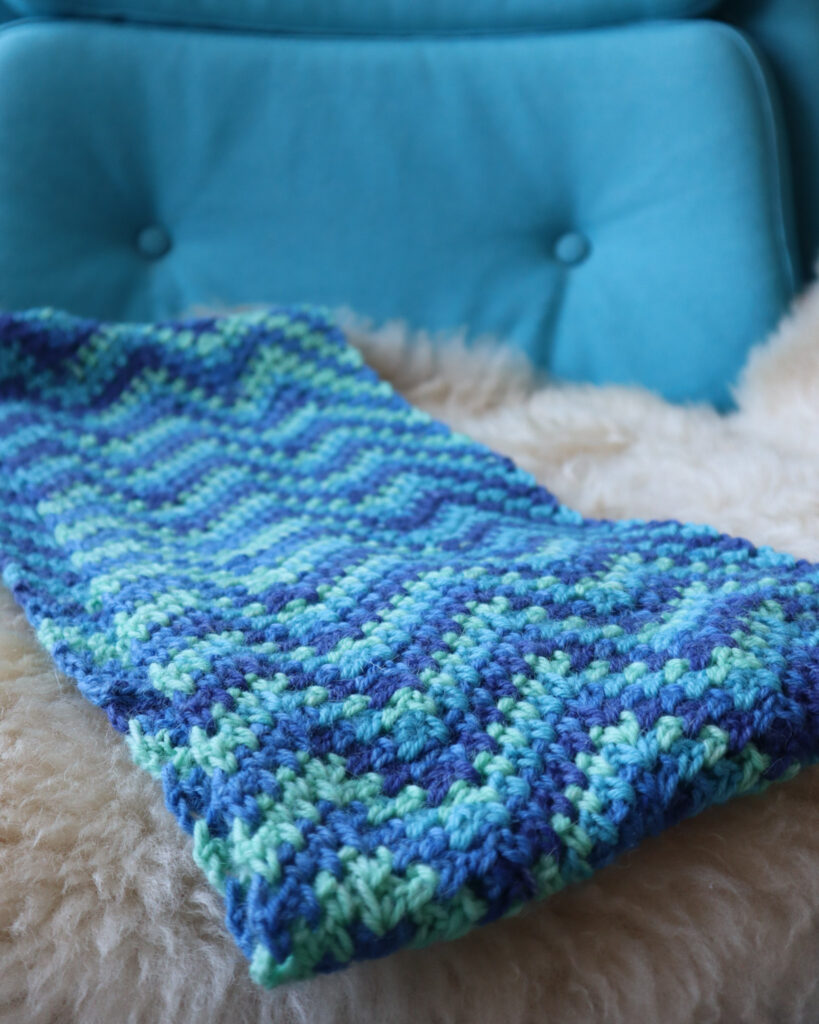
As weavers become more comfortable with their craft, they may want to explore more complex styles like the twill weave. This method introduces a diagonal pattern through the unique arrangement of yarns and creates a beautifully textured fabric. The twill weave’s versatility means it can be utilized in both fashion and functional textiles, such as jackets or cushions, adding a subtle sophistication to the pieces. Techniques like the herringbone or chevron arise from the twill foundation, further enriching the weaver’s palette of patterns.
For those seeking an opportunity to push the boundaries of traditional weaving, the deflected double weave technique is worth exploring. This innovative approach allows artisans to create stunning three-dimensional effects, adding depth and dimensionality to the textiles. It offers endless possibilities in terms of design, enabling pieces that can serve not only as functional items but also as visually captivating art. The process, while more complex, rewards the meticulous weaver with designs that showcase their skill level and aesthetic preferences.
- Plain Weave: Basic over-and-under pattern, perfect for beginners and functional textiles.
- Twill Weave: Diagonal pattern creates textured fabric, ideal for clothing and home decor.
- Deflected Double Weave: Enables three-dimensional designs for unique artistic expression.
As you become more familiar with these techniques, experiment with various natural yarns to see how their intrinsic qualities interact with the patterns you choose to create. Each combination of yarn and technique has the potential to tell a story, allowing your woven pieces to resonate with both beauty and meaning. Whether you are crafting a simple scarf or a complex wall hanging, the freedom to explore the expansive world of weaving with natural yarns keeps the art form endlessly engaging and fulfilling.
| Category | Details and Benefits |
|---|---|
| Textural Diversity | Natural yarns offer a vast range of textures, enhancing the tactile experience of woven items. |
| Sustainability | Utilizing natural fibers supports eco-friendly practices and contributes to a lower carbon footprint. |
| Aesthetic Appeal | Creating unique patterns with natural yarns produces visually stunning textiles that can enhance decor. |
| Cultural Significance | Many weaving techniques are rooted in tradition, helping to preserve cultural heritage through art. |
In the world of weaving, natural yarns are not just a medium; they are a canvas that allows artisans to express their creativity uniquely. Each technique employed can yield new textural diversities that elevate the feel and touch of the fabric. Furthermore, these yarns often come from sustainable sources, reducing environmental impact and supporting responsible practices in the textile industry. As we delve deeper into these weaving techniques, it becomes apparent that they do not merely create textiles but also contribute to a rich tapestry of human culture and environmental consciousness. The vibrant aesthetic appeal of woven patterns not only captivates the eye but also serves to tell stories of tradition and innovation. Exploring these factors can open new avenues for understanding the integral role of weaving in both contemporary art and functional design.
DISCOVER MORE: Click here to delve into the world of tapestry techniques
Exploring Intricate Patterns: Advanced Techniques and Their Applications
In addition to the foundational techniques previously discussed, weavers eager to craft unique patterns with natural yarns may find excitement in delving into more intricate weaving styles. These advanced methods can open the door to a world of creative possibilities, enabling artisans to produce extraordinary textiles that stand out for their beauty and functionality.
One such sophisticated technique is the overshot weave. This ancient method employs a combination of a basic weave alongside an additional pattern, often utilizing a contrasting color or thicker yarn for stunning visual impact. By strategically placing motifs on top of the foundational weave, artisans can create elaborate designs that inspire awe. The overshot technique is particularly popular in producing coverlets and table linens, where sophisticated patterns evoke a sense of heritage and craftsmanship. The play of colors and textures in this weave allows weavers to leverage the expressive potential of natural fibers, such as cotton, wool, and linen, enhancing the tactile and visual experience of the resulting fabric.
Another engaging technique is leno weave, which serves as a stunning introduction to three-dimensional designs. This method involves twisting pairs of warp yarns around the weft yarn, creating open, airy patterns that resemble lace. Leno weave is perfect for crafting items requiring a lightweight, ethereal quality, such as scarves and curtains. Artisans can experiment with a variety of natural yarns, particularly those with interesting textures, to achieve delightful contrasts in both appearance and feel. The beauty of leno weave lies in its ability to transform simple materials into intricate works of art, enhancing the aesthetic value of any textile project.
Emboldened weavers seeking to further personalize their creations may also explore mixing techniques. This approach allows for the combination of various weaving styles within a single piece, blurring the lines between tradition and modern innovation. For example, integrating plain weave with twill can yield captivating designs that combine the strength of both styles while producing an eye-catching visual narrative. The creative engagement and freedom associated with mixing techniques encourage artisans to find their personal voice in their work, resulting in textiles that resonate on a deeper level.
- Overshot Weave: Combines basic weaving with decorative motifs for striking designs, ideal for heirloom textiles.
- Leno Weave: Creates airy, lace-like fabrics through twisting warp yarns, perfect for lightweight items.
- Mixing Techniques: Blends various styles for unique creations, providing unlimited opportunities for artistic expression.
As you journey deeper into the realm of weaving techniques, the importance of understanding natural yarn properties cannot be overstated. Each type of yarn possesses distinct characteristics that influence not only the final appearance of your textile but also its drape, texture, and durability. Selecting the appropriate natural yarn—whether it be the softness of merino wool, the strength of hemp, or the luster of silk—can significantly impact the overall effectiveness of your chosen weaving technique. Thus, matching the inherent qualities of natural yarns with the right weaving style can lead to one-of-a-kind pieces that reflect both skill and creativity.
DISCOVER MORE: Click here to dive deeper
Conclusion: The Future of Weaving with Natural Yarns
As we reflect on the journey through various weaving techniques, it becomes evident that the world of textiles offers endless possibilities for creativity and expression. From the intricate designs achieved through overshot weaving to the airy elegance of leno weave, each technique unveils a new layer of artistry that celebrates the unique properties of natural yarns. By harnessing these advanced strategies, artisans can not only create visually stunning pieces but also infuse their work with personal narratives and cultural significance.
The ability to blend various weaving styles further empowers creators to explore uncharted territories in design, encouraging a dialogue between tradition and modern innovation. Each textile produced becomes more than just a functional item; it transforms into a canvas that embodies craftsmanship, creativity, and a connection to the natural world. Moreover, understanding the diverse attributes of natural fibers can help weavers make informed decisions, ensuring that their final products are not only beautiful but also durable and sustainable.
As we continue to embrace and adapt these techniques, we encourage aspiring weavers and seasoned artists alike to experiment, innovate, and explore the vibrant realm of weaving. By doing so, they not only preserve age-old traditions but also pave the way for future generations to discover the joy and artistry inherent in crafting unique patterns with natural yarns. The journey of creating textiles with intent and passion is one that enriches both the maker and the end-user, leaving a lasting impact on the fabric of our lives.