Eco-Friendly Minimalism: Creating Efficient Spaces with Sustainable Practices

Understanding Eco-Friendly Minimalism
In today’s fast-paced world, many individuals are seeking a balance between material possessions and environmental responsibility. The trend of eco-friendly minimalism stands at the intersection of these desires, proposing a way of living that not only simplifies our surroundings but also minimizes our ecological impact. By thoughtfully incorporating eco-conscious strategies, we can cultivate spaces that are both functional and sustainable, which is particularly relevant as environmental concerns continue to shape our lives.
Visualize a home designed with purpose:
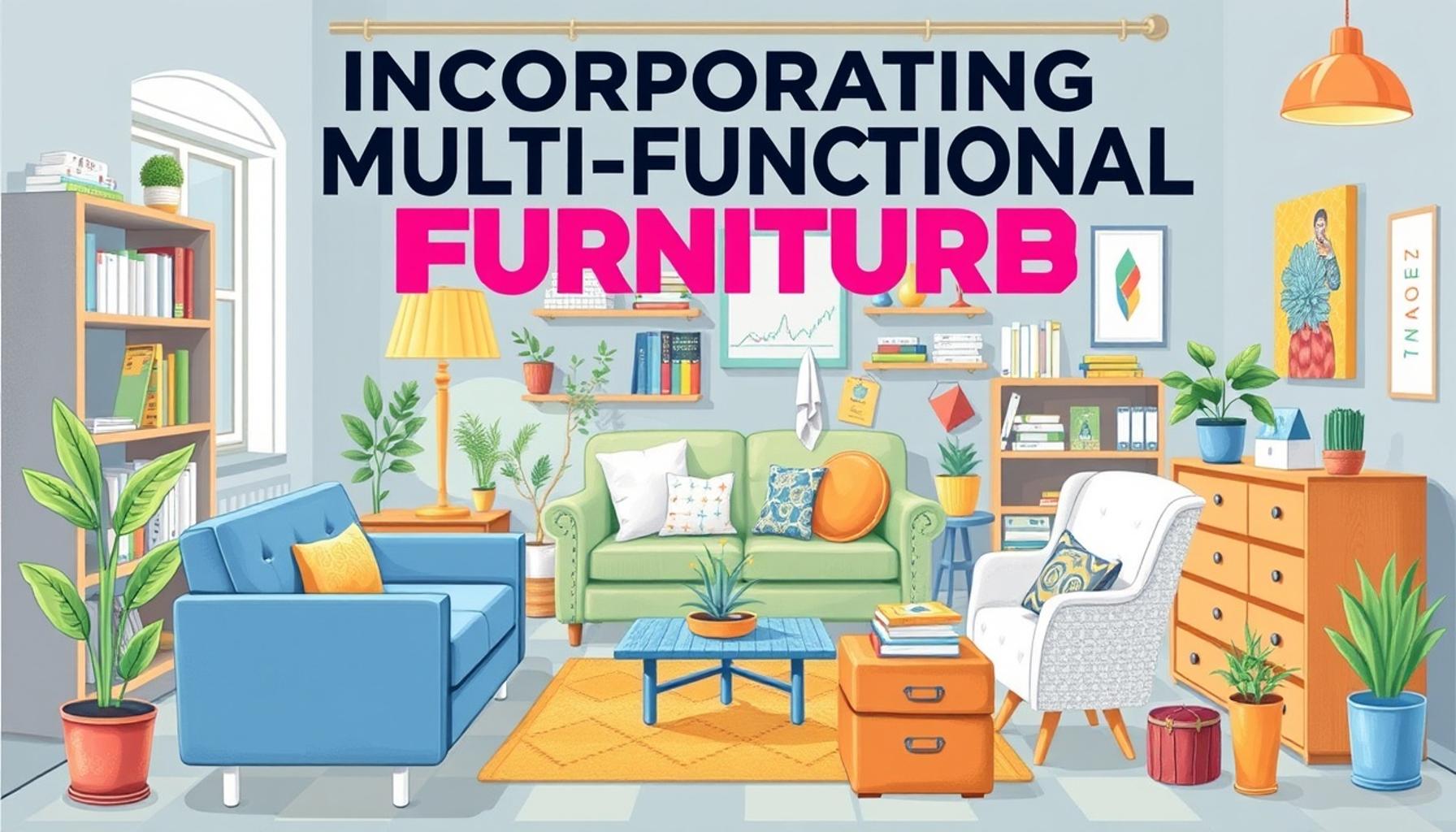
- Multi-functional furniture: Pieces such as a sofa that converts into a bed or a coffee table that doubles as storage can significantly decrease the need for excess items. For instance, an expandable dining table can accommodate guests without the need for additional furniture.
- Natural materials: Choosing furniture made of sustainably sourced wood or bamboo not only supports responsible forestry practices but also contributes to a warm, inviting aesthetic. Manufacturers like West Elm now offer collections that utilize reclaimed wood, minimizing waste and reflecting a commitment to sustainability.
- Energy-efficient appliances: Investing in appliances that are ENERGY STAR certified can lead to substantial reductions in energy consumption and lower electricity bills. For example, switching to a high-efficiency washing machine can save thousands of gallons of water over its lifetime.
These elements are a testament to an evolving mindset that values intentionality and responsibility. As we transition towards this lifestyle, we can reap numerous advantages:
- Less stress: A tidy, minimalist environment fosters tranquility, allowing for easier focus and a clearer mind. Research suggests that decluttering can alleviate anxiety, leading to improved composure and productivity.
- Cost savings: By reducing the number of items and opting for energy-efficient devices, households can experience genuine financial relief. The average American family could save over $500 annually by adopting energy-saving habits.
- Healthier environment: Natural materials often result in fewer toxins within the home, leading to improved air quality. Indoor plants, a hallmark of minimalist design, can also enhance the aesthetic appeal while purifying the air.
Strategies for Embracing Eco-Friendly Minimalism
As we explore this transformative lifestyle, consider implementing strategies that promote both sustainability and simplicity. Begin with a thorough decluttering process, determining what items are truly necessary and beneficial for your daily life. Often, a minimalist approach encourages us to possess only what adds value.
Additionally, research local resources for recycling or donating unused items, ensuring that they benefit others rather than contributing to landfills. Selecting quality over quantity when purchasing new items can lead to long-lasting satisfaction and minimize waste over time.
People are increasingly realizing that their choices, from how they organize their homes to the products they buy, hold the power to affect not only their personal lives but also the planet. By participating in the eco-friendly minimalism movement, individuals can contribute to a sustainable future while enjoying a cleaner, simpler lifestyle.
DISCOVER MORE: Click here to enhance your focus
Transforming Your Living Space
Adopting eco-friendly minimalism begins with a comprehensive reevaluation of our living spaces. The concept urges us to transition from chaotic abundance to a streamlined existence that emphasizes practicality and ecological mindfulness. This shift not only enhances the livability of our homes but also encourages a reduction in environmental footprint. To effectively create efficient spaces, individuals can implement a range of sustainable practices that aid in reducing excess while promoting resourcefulness.
Each decision made in the home environment can have ripple effects on our overall sustainability. Key strategies to consider include:
- Smart storage solutions: Utilizing vertical storage, such as wall-mounted shelves or hanging organizers, can effectively declutter spaces, allowing for a minimalist aesthetic while optimizing functionality. This approach not only saves space but also reduces the need for additional furniture that would otherwise contribute to waste.
- Secondhand and upcycled items: Embracing thrift shopping and upcycling is a powerful way to furnish homes without the added environmental burden of new products. Many local thrift stores and online marketplaces like Craigslist or Facebook Marketplace offer unique, pre-loved items, often at a fraction of the cost.
- Natural light maximization: Designing spaces to capitalize on natural light can significantly reduce reliance on artificial lighting, cutting down electricity use. Simple changes, such as adjusting window treatments or strategically placing mirrors, can enhance the brightness of a room while creating an inviting atmosphere.
Incorporating these practices not only furthers the eco-friendly cause but also appeals to a minimalist aesthetic that promotes calmness and focus. For instance, the strategic use of color—favoring earth tones and palettes inspired by nature—can create serene environments that offer both peace and beauty.
Furthermore, serious consideration should be given to indoor air quality, as it plays a crucial role in maintaining a healthy living space. Opting for natural paints and finishes, like those from brands that prioritize low-VOC (volatile organic compounds) formulations, ensures that toxic pollutants don’t linger indoors. Additionally, integrating plants such as snake plants or peace lilies can work double duty, purifying the air while enhancing visual appeal.
The lifestyle changes associated with eco-friendly minimalism extend beyond aesthetics; they foster habits that are both conscious and responsible. Every item we sell, donate, or recycle contributes to a larger narrative of sustainability, providing a newfound appreciation for what we possess and the impact we have. By embracing these strategies, individuals can better navigate their purpose-driven lives while ensuring that their homes embody values of sustainability and simplicity.
| Advantage | Description |
|---|---|
| Resource Efficiency | This approach reduces waste through thoughtful design and sustainable materials, ensuring every element serves a purpose. |
| Enhanced Well-Being | Creating serene spaces boosts mental health while incorporating natural elements fosters a deeper connection to the environment. |
Embracing eco-friendly minimalism doesn’t just make spaces more beautiful; it fundamentally transforms how individuals interact with their environments. The concept of resource efficiency promotes a more sustainable lifestyle, reducing the reliance on excessive materials and encouraging the reuse of existing resources. A well-designed minimalist space not only looks aesthetically pleasing but also reflects a thoughtful approach to living harmoniously within our planet’s boundaries.Additionally, the impact of minimalistic design on mental well-being cannot be overstated. Environments that are uncluttered and enriched with natural elements provide a sanctuary of peace amid the chaos of modern life. Through the integration of plants, natural light, and sustainable materials, individuals can cultivate spaces that not only reduce stress but also promote mindfulness. Such practices engage the senses and encourage individuals to reflect on their lifestyle choices, driving them towards more sustainable practices. This layered understanding of eco-friendly minimalism exemplifies the profound interplay between our living spaces and our health, urging readers to delve deeper into creating their own effective, sustainable environments.
DIVE DEEPER: Click here to learn more
Innovative Solutions for Sustainable Living
As the movement of eco-friendly minimalism grows, so does the array of innovative solutions that help bridge the gap between sustainability and efficient living. These approaches enhance the functionality of our spaces while ensuring that our material possessions complement rather than clutter our lives. Exploring solutions that are both practical and environmentally conscious can lead to transformative change in how we interact with our living environments.
One compelling solution is the use of multifunctional furniture. In the United States, where urban living often equates to limited space, the demand for furniture that serves multiple purposes is surging. For instance, a sofa bed can not only provide seating but also accommodate overnight guests, thereby eliminating the need for additional bedding furniture. Items like ottomans with hidden storage or coffee tables that double as workspaces offer seamless transition between different uses, helping to declutter and maximize available space.
Additionally, the integration of energy-efficient appliances plays a pivotal role in promoting eco-friendly minimalism. Selecting appliances that carry ENERGY STAR ratings can significantly lower energy consumption, ultimately decreasing utility bills and carbon footprints. For example, dishwashers and washing machines that conserve water can be found with features that optimize cycles based on load size, further contributing to resource conservation. By investing in these efficient products, homeowners can create a lifestyle that reflects both minimalism and environmental awareness.
Moreover, exploring renewable energy sources makes it possible to enhance the sustainability of living spaces. Solar panels, increasingly popular across various states, provide an opportunity to generate clean energy while minimizing residential energy costs. Homeowners can also consider small-scale solar options like solar-powered lights for outdoor spaces or energy-efficient landscaping techniques that require less water and maintenance. These changes can align well with minimalist principles, as they promote simplicity and harmony with nature.
Another area ripe for innovation is the practice of zero waste living. Transitioning to a zero-waste lifestyle encourages individuals to reassess their consumption habits and focus on eliminating excess altogether. This can include using reusable shopping bags, composting organic waste, or opting for bulk shopping to reduce single-use packaging. Local initiatives, such as community swap meets and zero waste stores, are emerging in cities like San Francisco and Portland, giving residents the chance to exchange goods and further reduce waste.
Lastly, the practice of mindful consumerism cannot be overstated. Each purchase becomes a deliberate choice, where individuals evaluate not just the item itself, but its lifecycle, from production to disposal. Responsible brands that prioritize sustainable sourcing and ethical manufacturing processes are becoming more prominent. By supporting these companies, conscious consumers can cultivate a home filled with items that align with their values, contributing positively to the environment while shaping a minimalist lifestyle.
The path to achieving eco-friendly minimalism is rich with opportunities to innovate and create a more sustainable living space. By embracing ingenious solutions, individuals can redefine their homes, weaving sustainability into the fabric of daily life while embracing a welcoming, clutter-free environment. The journey towards creating efficient spaces can be engaging and fulfilling, provided one remains open to exploring new practices and ideas.
DIVE DEEPER: Click here to learn how to simplify your wardrobe
Conclusion: The Future of Sustainable Living
In a world increasingly inundated with excess, the union of eco-friendly minimalism and sustainable practices offers a refreshing alternative that positions functional living at the forefront of conscious choices. By consciously adopting strategies such as multifunctional furniture, energy-efficient appliances, and zero waste living, individuals can dramatically alter not just their spaces but their ecological impact as well. This movement is not merely about reducing clutter or simplifying life; it embodies a commitment to nurturing our environment while embracing a lifestyle that promotes both function and beauty.
As we look toward the future of sustainable living, it’s evident that innovations in how we design our spaces and consume products will play a vital role. Embracing technologies such as renewable energy sources and prioritizing mindful consumerism encourages a shift in perspective—one where every purchase has purpose, and every living space reflects our values and commitment to the planet. This is not just a trend but a lifestyle that fosters environmental stewardship, engaging communities and individuals alike.
Ultimately, the essence of eco-friendly minimalism lies in its ability to inspire meaningful change. By choosing to integrate sustainable practices into our everyday lives, we can cultivate spaces that are not only efficient and aesthetically pleasing but also contribute positively to our planet’s health. As we continue on this journey, let us remain open to new ideas and committed to creating homes that resonate with simplicity and sustainability, paving the way for a greener future for generations to come.
Related posts:
Digital Minimalism: Organizing Your Digital Life for a More Efficient Workspace
Incorporating Multi-Functional Furniture: A Guide to Efficient Space Design
Efficient Space Planning: Zoning Techniques for a Balanced Home
Digital Minimalism: Creating an Efficient Virtual Space for Better Organization
Maximizing Small Living Spaces: Tips for Efficient Organization
Creating a Functional Home Office: Tips for Efficient Space in a Minimalist Setup

Beatriz Johnson is a seasoned minimalist and writer with a passion for simplifying the complexities of personal organization and decluttering. With over a decade of experience in the field, she specializes in topics like minimalist living, efficient organization strategies, and creating intentional spaces. Through her work, Beatriz empowers readers to make mindful decisions about their belongings, streamline their lives, and embrace a more organized and fulfilling lifestyle.