Efficient Space Planning: Zoning Techniques for a Balanced Home
Understanding the Essentials of Efficient Space Planning
Creating a harmonious living environment is a dynamic challenge that requires a keen understanding of efficient space planning. This involves more than just the aesthetic arrangement of furniture; it encompasses a thoughtful approach to zoning, which lays the groundwork for functionality and flow throughout your home.
Utilizing effective zoning techniques can dramatically enhance your living experience by:
- Enhancing the usability of each room: By identifying specific functions for areas within a room, you can ensure that every space serves its intended purpose. For example, a living room can be divided into a lounging area with comfortable seating and a reading nook that encourages quiet time.
- Minimizing clutter and chaos: Well-planned zoning can help maintain order. By designating storage zones, such as built-in shelves in living rooms or organized cabinets in kitchens, you can keep essential items close while reducing visual clamor.
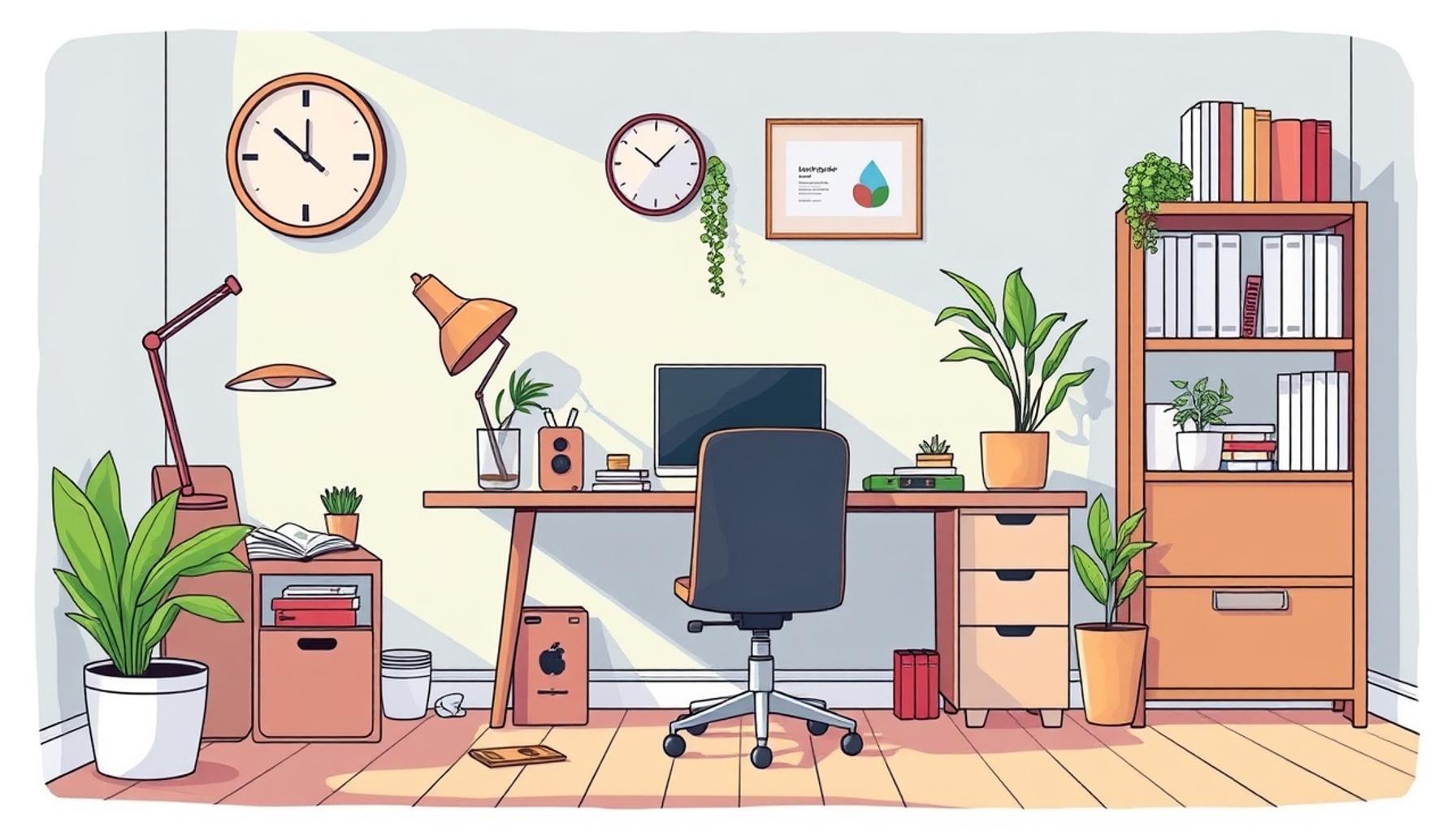
- Boosting productivity in workspaces: Defining a dedicated work zone can help minimize distractions and enhance focus. For instance, a corner desk set up in a quiet part of the home, surrounded by shelves filled with resources, can boost efficiency.
The idea of zoning can elevate your home’s overall comfort and utility.
- Social zones: These areas should be inviting and conducive to relaxation and interaction. Comfortable seating arrangements, such as a sectional couch facing a central coffee table, can encourage conversations and gatherings.
- Private zones: Spaces designed for sleep and solitude are crucial for rejuvenation. A bedroom outfitted with relaxing colors, minimal distractions, and soft lighting creates an oasis for rest.
- Work zones: In today’s world, having a dedicated workspace is paramount. This could be a stylish home office or a simply organized desk in a hallway nook—whatever supports your workflow most effectively.
As urban living spaces continue to shrink, the significance of smart space planning becomes paramount. Residents in metropolitan areas like New York City and San Francisco are frequently challenged with maximizing limited square footage. Innovative designs, such as Murphy beds or modular furniture that can be easily reconfigured, are becoming increasingly popular in these bustling environments.
By employing effective zoning techniques, homeowners can create balanced living spaces that cater to their lifestyle without compromising utility or comfort. Are you intrigued by how these strategies can redefine your home? Join us as we explore the secrets to achieving a well-zoned sanctuary that reflects your unique needs and enhances your daily life!
DISCOVER MORE: Click here to learn about creating emotional space
Defining Zoning Techniques for Better Living Spaces
At the heart of efficient space planning lies the intricate art of zoning. This technique transforms how spaces interact and function, ensuring that each area serves its designated purpose. Understanding zoning is essential, as it not only addresses the physical arrangement of furniture but also considers the psychological impact a well-planned environment can have on its occupants.
To effectively implement zoning, one must start by identifying the distinct functions required within a home. From social interactions to personal retreats, each zone has its own requirements and characteristics. Here are some fundamental zoning techniques to consider:
- Open Plan Living: Combining different functions into a cohesive area, such as a kitchen and living room, encourages interaction and fluidity. By utilizing natural barriers like rugs or furniture arrangement, distinct zones can be created within a shared space, making it ideal for family gatherings and entertaining guests.
- Visual Dividers: Utilizing bookcases, screens, or even plants can subtly delineate spaces without closing them off from one another. This approach promotes an open ambiance while providing boundaries that foster a sense of privacy—a crucial aspect in shared living situations.
- Color Coding: One of the most powerful yet often overlooked zoning techniques is the strategic use of color. Different hues can evoke emotions and signify different zones within a home. For instance, calming blues and greens create a serene oasis in a bedroom, while vibrant yellows and oranges can invigorate a workspace.
- Furniture Functionality: Choosing multi-functional furniture can significantly improve how well zones serve their intended purpose. A coffee table that doubles as storage, or a sofa that transforms into a bed, maximizes space and enhances convenience—particularly in smaller homes.
Implementing these zoning techniques can lead to a variety of benefits that improve everyday living. By ensuring that spaces are tailored to specific activities, homeowners not only enhance the aesthetics of their environments but also improve overall efficiency and comfort. From encouraging productivity in work zones to fostering relaxation in private zones, effective zoning creates a balanced atmosphere where individuals can thrive.
Moreover, the increasing trend of remote work has made it crucial for homeowners to establish well-defined work zones. The disarray of working from makeshift corners has proven counterproductive for many, emphasizing the need for dedicated spaces that promote focus and organization. To that end, integrating ergonomic furniture and sufficient lighting into work zones can significantly enhance performance and well-being.
As we delve deeper into zoning techniques in this series, remember that the key to a balanced home isn’t merely about square footage, but rather about how effectively you utilize the space you have. Each home is unique, much like its inhabitants; thus, customizing zoning strategies to align with your lifestyle can unlock hidden potential within your living space.
Understanding Zoning Techniques in the Home
Efficient space planning is essential for creating a functional and aesthetically pleasing living environment. One of the critical methods in this process is zoning, which refers to the division of space into distinct areas based on their function. By utilizing zoning techniques, homeowners can enhance both the utility and comfort of their spaces. Consider the concept of functional zoning, which involves categorizing areas for specific tasks such as cooking, relaxing, working, or entertaining. This approach allows for optimized layouts that minimize disruptions and maximize workflow. For example, an open-concept living area can be effectively partitioned using furniture placement or screen dividers to delineate a media consumption zone from a conversation nook.In addition to functional zoning, visual zoning employs various design elements—color schemes, textures, and lighting—to create distinct atmospheres within the same area. This technique not only helps in establishing a cohesive look but also enriches the user experience by providing a seamless transition between different functionalities.Furthermore, implementing spatial zoning is crucial for balancing privacy and openness. Creating separate zones can allow for different experiences within the same space, making it feel less cluttered and more organized. For instance, strategically placing tall plants or bookshelf dividers can provide a sense of seclusion without enclosing spaces completely.To maximize the benefits of these zoning techniques, it is essential to assess the unique dynamics of each household. The choice of zoning can vary significantly based on lifestyle needs, family size, and even the time spent at home. By understanding how to effectively plan and zone space, homeowners can achieve a balanced home that meets practical needs while reflecting personal style.
| Category | Details |
|---|---|
| Functional Zoning | Categorizes areas by purpose for optimized workflow. |
| Visual Zoning | Uses design elements to create distinct atmospheres. |
| Spatial Zoning | Balancing openness with privacy through smart layouts. |
DIVE DEEPER: Click here to discover more
Creative Zoning Solutions: Tailoring Spaces for Functionality and Style
As we explore further into the realm of efficient space planning, the emphasis on creativity becomes paramount. Beyond adopting conventional zoning techniques, homeowners can engage in innovative solutions that not only optimize space but also amplify the aesthetic appeal of their homes. Here are some cutting-edge approaches worth considering:
- Adaptive Use of Outdoor Spaces: In the increasingly urbanized landscapes of American cities, maximizing the use of outdoor spaces is becoming essential. Whether it’s transforming a small backyard into a garden retreat or converting a front porch into an outdoor office, adaptable outdoor zones can significantly enhance livability. By incorporating furniture that withstands the elements, such as patio sets with weather-resistant materials, you can extend your home’s square footage and create inviting zones that bridge indoor and outdoor experiences.
- Technology Integration: Smart home devices are not just mere conveniences; they serve as zoning tools that enhance functionality. For instance, smart lighting can dynamically adjust to signal different activities within a room—brightening for work tasks and dimming for relaxation. Incorporating technology such as zoning thermostats can also help in managing climate effectively, ensuring comfort in defined spaces while optimizing energy usage.
- Purposeful Flexibility: The concept of a flex room is gaining momentum, particularly in homes designed with a focus on adaptability. These multifunctional spaces can effortlessly transition from a home gym to a guest bedroom or even a playroom. When designating a room for multiple uses, it’s essential to plan for flexible furniture. For example, a Murphy bed can provide sleeping accommodations without sacrificing floor space, allowing for seamless transitions between functions.
- Personalized Zones: One of the joys of homeownership is the opportunity to express individuality through designated spaces. A creative reading nook or a meditation corner can mark personal sanctuaries within a bustling home, tailored specifically to one’s preferences. Incorporating personalized zoning with elements such as custom shelving for books or cozy floor cushions not only serves a functional purpose but also reflects the homeowner’s unique aesthetic and lifestyle.
Furthermore, zoning doesn’t just serve practical needs; it can play a vital role in enhancing well-being. For instance, incorporating biophilic design—an approach that connects indoor spaces to nature—can create a profound impact on mental health. By strategically placing plants in specific zones or ensuring ample natural light, homeowners can establish tranquil environments that promote relaxation and reduce stress.
As the trends in residential designs evolve, homeowners in the United States are leaning towards creating spaces that offer both privacy and connection. This reflects a broader cultural shift toward embracing individual pursuits within shared family spaces. By evaluating how each area is used throughout the day and incorporating zoning techniques that reflect these activities, you can create a home that is not just functional but also vibrant and engaging.
To sum up, the journey towards mastering zoning techniques requires a comprehensive understanding of not just space but also lifestyle dynamics. As you tailor your home environment through these creative techniques, you unlock the potential for living areas that resonate with both purpose and personality. By harmonizing functionality with style, your living space can evolve into a sanctuary that caters to your every need while maintaining a balanced, inviting atmosphere.
DISCOVER MORE: Click here to enhance your time management skills
Conclusion: The Future of Home Zoning
In an era where efficient space planning defines modern living, mastering zoning techniques is essential for fostering a balanced and harmonious home environment. By creatively leveraging the adaptive use of outdoor spaces, integrating smart technology, and embracing purposeful flexibility, homeowners can transform their living areas into multifunctional sanctuaries that cater to diverse needs and lifestyles. Personalized zones further elevate the home’s atmosphere, allowing individuals to express their unique tastes while ensuring every square foot serves a purpose.
Moreover, the growing recognition of well-being in home design underscores the need for strategic zoning. By incorporating elements such as biophilic design, homeowners can connect their interiors to nature, enhancing mental health and overall quality of life. This holistic approach, which prioritizes both privacy and connectivity, resonates deeply with the evolving expectations of American homeowners who seek refuge and engagement in the same space.
Ultimately, the quest for an efficiently zoned home is not just about maximizing square footage; it is about creating an ecosystem that supports a balanced lifestyle. As you embark on this journey of exploration and experimentation, consider how each zoning solution you implement not only addresses functionality but also enriches your living experience. As your home evolves with your needs, so too will your understanding of what a balanced space truly represents—an inviting haven that celebrates both individuality and togetherness.
Related posts:
Eco-Friendly Minimalism: Creating Efficient Spaces with Sustainable Practices
Efficient Space for Mindful Living: Integrating Nature and Minimalism in Your Home
Functional Furniture: Designing Multi-Purpose Pieces for a Minimalist Lifestyle
The Psychology of Space: How Minimalism Affects Your Mental Clarity and Focus
The Art of Decluttering: How to Create an Efficient Space in Your Home
Efficient Space Planning: The Role of Feng Shui in Minimalist Environments

Beatriz Johnson is a seasoned minimalist and writer with a passion for simplifying the complexities of personal organization and decluttering. With over a decade of experience in the field, she specializes in topics like minimalist living, efficient organization strategies, and creating intentional spaces. Through her work, Beatriz empowers readers to make mindful decisions about their belongings, streamline their lives, and embrace a more organized and fulfilling lifestyle.