Maximizing Small Spaces: Creative Solutions for Minimalist Living
Embracing Tiny Spaces
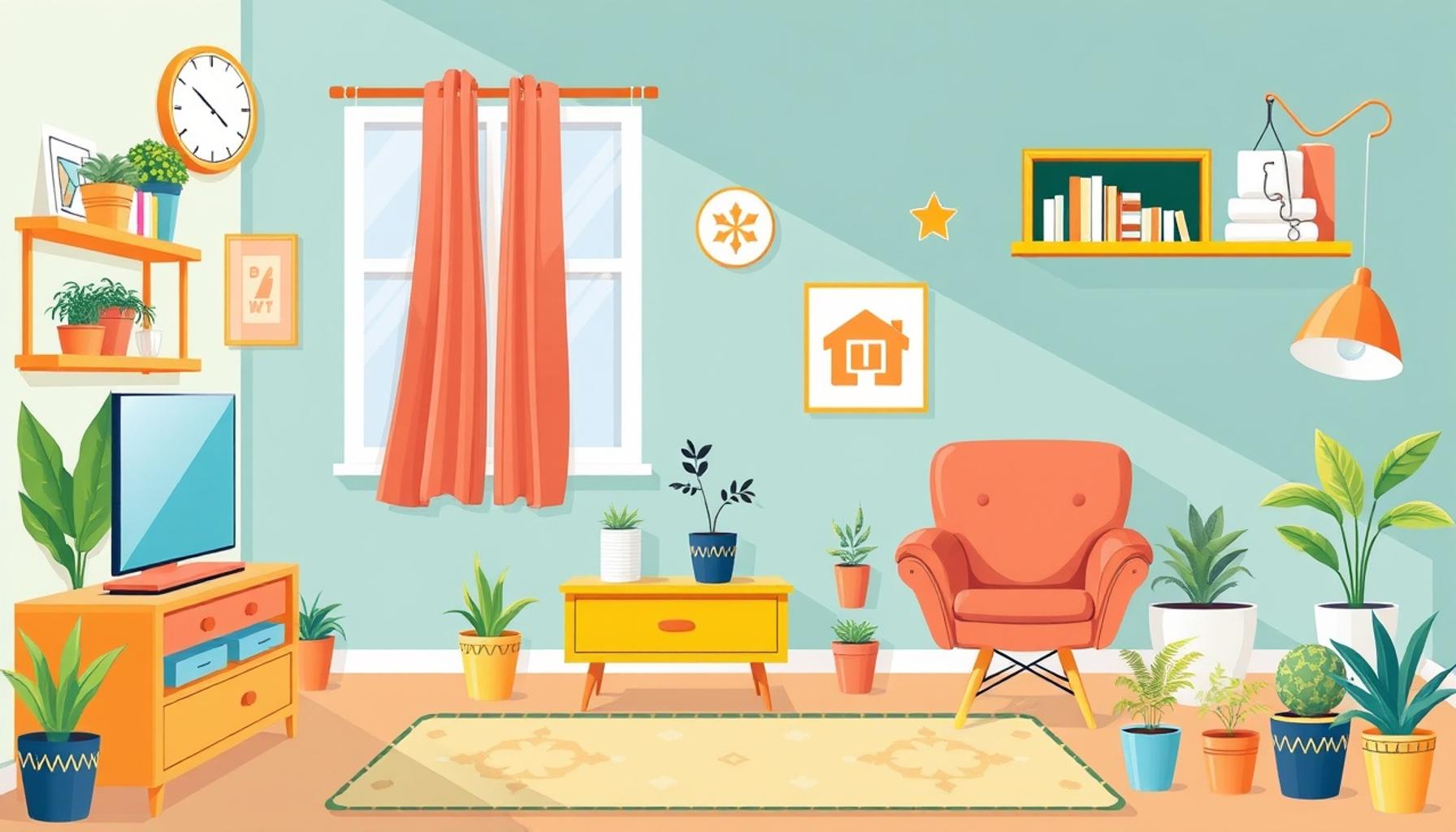
As more people gravitate toward urban environments defined by limited living space, the art of maximizing small spaces is increasingly crucial. The necessity of transforming compact areas like studio apartments or tiny homes into functional sanctuaries is a blend of creativity and practicality. By employing smart design strategies, even the most minuscule square footage can become a functional and inviting living space that meets our modern needs.
Multi-purpose Furniture
One of the most effective strategies for optimizing space is the use of multi-purpose furniture. This category of furniture includes versatile options such as a sofa bed that easily converts to a sleeping area or an ottoman that offers hidden storage for blankets or magazines. For example, a contemporary coffee table can double as a dining space with an extendable design, while nesting tables can be tucked away when not in use, effectively minimizing clutter. These multifunctional pieces not only save space but also streamline the design of a room, creating a cohesive look that doesn’t sacrifice style for function.
Vertical Solutions
Another key component of spatial optimization is embracing vertical solutions. By looking up instead of out, you can utilize wall space to its fullest potential. Installing shelves can provide additional storage for books, decor, or kitchen essentials without crowding the floor. Consider also using pegboards or wall-mounted organizers to store items like kitchen utensils or craft supplies, turning walls into displays of creativity rather than mere boundaries. A well-placed tall bookcase can add storage while drawing the eye upward, creating an illusion of greater height and space.
Decluttering
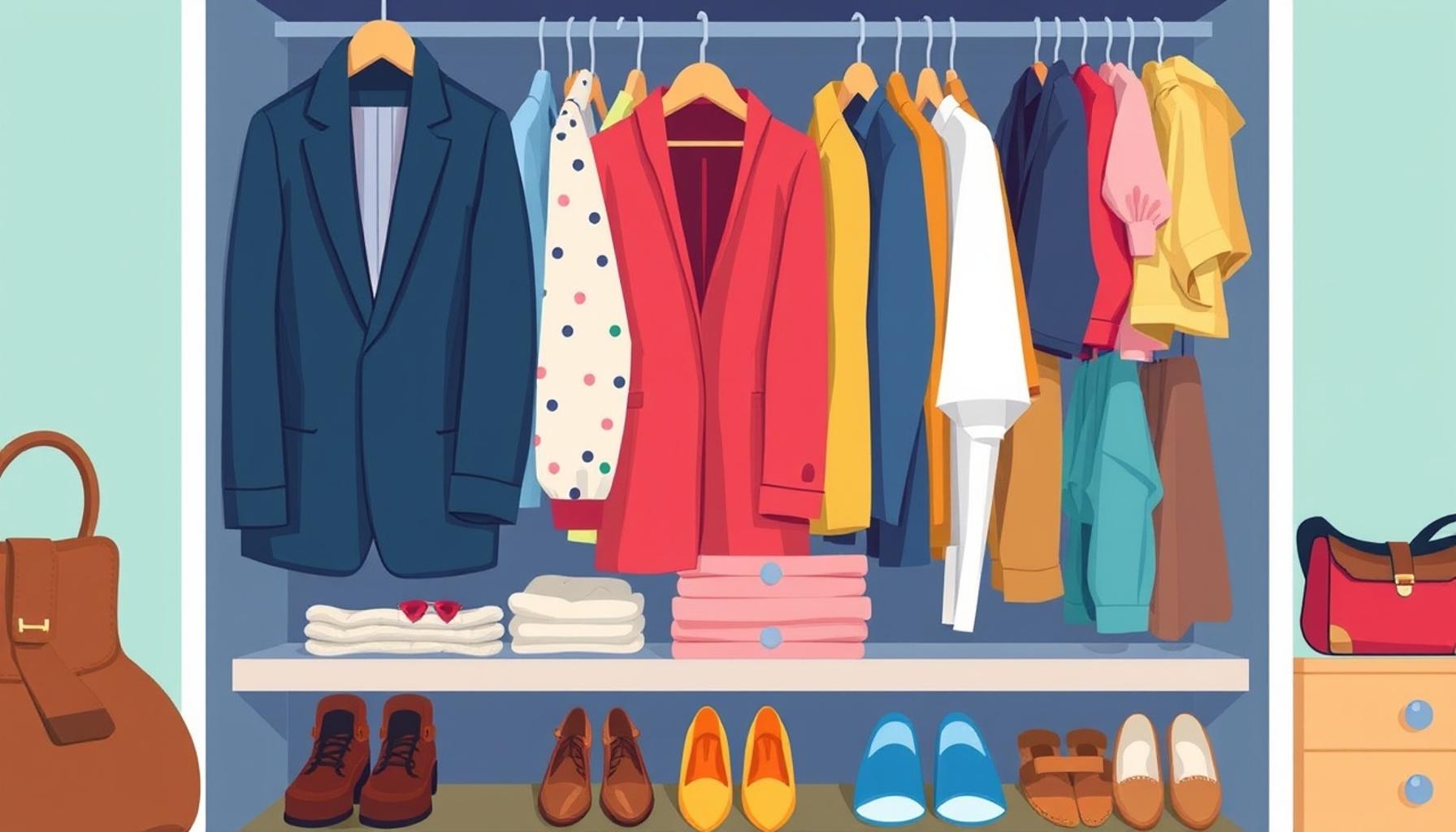
Initiating a thorough decluttering process is essential in minimalist living. Embracing a mindset focused on quality over quantity can radically transform a living environment. Evaluate your possessions critically and eliminate any items that do not fulfill an essential purpose or bring you joy. This can be as simple as donating old clothing or discarding broken items that have been lying around. The reward of this process is a serene environment that promotes calm and organization, enhancing your overall well-being.
Creative Storage Solutions
Innovative storage solutions can also play a pivotal role in making the most out of limited space. For instance, using the area under a bed for storage bins can keep seasonal clothing or extra linens conveniently tucked away but easily accessible. Furniture with built-in storage, like a bench in an entryway or a coffee table with drawers, can disguise clutter while serving a practical purpose. Opting for clear containers for organization can facilitate easy viewing, allowing you to track what you own without needing to rummage.
Conclusion
Integrating these strategies not only enhances the usability of small spaces but also promotes a sense of tranquility amid inevitable urban chaos. As sustainability becomes increasingly essential in modern life, creative solutions for minimalist living inspire residents to reevaluate their environments, leading to a lifestyle defined by simplicity and elegance. Through practical and stylish choices, the potential of your space can be unlocked, offering new ways to embrace a fulfilling life without the distraction of excess.
The journey toward a harmonious home is ripe with opportunities. Simple changes can foster organization and peace, encouraging you to live fully and intentionally in your chosen space. With thoughtful planning and creativity, transforming a small area into a delightful retreat is not only possible but also incredibly rewarding.
DIVE DEEPER: Click here to discover effective strategies
Smart Design Strategies for Small Spaces
The quest for maximizing small spaces often begins with intentional design choices that speak to the principles of minimalist living. Understanding how to employ the right strategies can transform cramped quarters from mere living conditions into vibrant, dynamic homes. By leveraging design innovation and spatial awareness, there are effective methods to cultivate a cozy yet functional atmosphere that accommodates your lifestyle.
Layering Textures and Colors
One impactful way to create an inviting environment in small spaces is through the thoughtful application of layering textures and colors. Utilizing a harmonious color palette creates a cohesive visual flow, which can significantly affect how spacious a room feels. Lighter shades, such as soft whites, creams, and light pastels, tend to reflect light, enhancing the perception of openness. In contrast, bold accent colors can add character and warmth without overwhelming the space if distributed judiciously through pillows, artwork, or throws.
Layering also applies to the materials used in the design. Incorporating a mix of textures—such as a woven rug combined with smooth furniture or velvet cushions—can create depth and interest. This tactile variety helps distract from the space’s compactness, encouraging a more engrossing visual experience.
Optimizing Natural Light
Making the most of natural light is another crucial aspect of maximizing small spaces. Natural light not only enhances the aesthetic but also plays a role in boosting mood and energy levels. Here are some tips to optimize light in your living area:
- Use sheer window treatments to allow maximum sunlight while maintaining privacy.
- Position mirrors strategically to reflect light deeper into the space.
- Choose light-colored furniture and decor that complement the natural light.
- Maintain a clutter-free window area to avoid obstructing the light source.
When effectively utilized, natural light acts as a powerful ally in creating an airy ambiance, making even the smallest spaces feel more open and spacious.
Incorporating Outdoor Elements
Bringing the outdoors in can also enhance the perception of space. Adding indoor plants not only improves air quality but also establishes a refreshing connection to nature. Consider varieties that thrive in low light or don’t require extensive care, such as snake plants or pothos. Another exciting avenue to explore is vertical gardening, which allows you to display greenery without taking up valuable floor space. Hanging planters can add both aesthetic value and a sense of heightened space without being intrusive.
The Power of Open Concept Spaces
Finally, embracing an open concept layout can significantly contribute to maximizing small spaces. When possible, consider removing unnecessary walls or partitions to create a fluid transition between different areas of your home. For instance, merging the kitchen and living room fosters a communal environment where family and guests can interact seamlessly. This not only enhances functionality but also generates a natural sense of spaciousness that is often missing in smaller dwellings.
By adopting these smart design strategies, anyone can convert small living environments into visually striking and comfortable havens. In a world that increasingly values creative solutions for minimalist living, these techniques reflect how innovative thinking can redefine the boundaries of our living spaces.
Maximizing Small Spaces: Creative Solutions for Minimalist Living
Living in a small space can be both a challenge and an opportunity for creative design. Embracing minimalist living not only enhances our organizational skills but also encourages us to value the things we own. To further explore how we can make the most of limited space, we can turn our attention to practical strategies and innovative solutions.
| Space-Saving Furniture | Multi-Functional Solutions |
|---|---|
| Foldable tables and chairs | Furniture that serves multiple purposes |
| Sofa beds | Storage ottomans |
Incorporating space-saving furniture can transform a cramped area into a functional haven. Optimizing space with foldable tables and chairs allows easy adaptation for different activities—from hosting friends to enjoying a quiet meal. When integrated into your home, sofa beds offer both comfort and the ability to accommodate overnight guests without dedicating an entire room.
Moreover, multi-functional solutions like storage ottomans can aid in maintaining a clutter-free environment while providing additional seating as needed. This versatility is paramount for those seeking to embrace a minimalist lifestyle. By making clever choices, you can design a space that not only fits all your necessities but also promotes relaxation and a sense of calm.
DIVE DEEPER: Click here to learn more
Space-Saving Furniture Solutions
When it comes to maximizing small spaces, the choices we make in furniture can have a profound impact on our living environment. Space-saving furniture is designed to offer functionality without sacrificing style, making it a critical component for anyone adopting a minimalist lifestyle. Innovative options abound, transforming everyday items into versatile, multi-use pieces that contribute to a more organized and visually spacious home.
Multifunctional Pieces
Opting for multifunctional furniture is an essential strategy in compact living. For example, a sofa bed provides both a place to relax during the day and a comfortable sleeping arrangement for guests at night. Ottomans that open to reveal hidden storage offer flexibility, functioning as both a footrest and a means of decluttering your space. Moreover, wall-mounted foldable desks allow for a productive workspace that can be neatly tucked away when not in use.
According to recent studies, multifunctional furniture not only promotes a tidier living experience but also encourages a more dynamic lifestyle. By selecting items that adapt to your needs, you can effortlessly alter your environment to suit various activities—from entertaining guests to unwinding after a busy day.
Vertical Storage Solutions
Another effective way to maximize space is through vertical storage solutions. Utilizing the walls in your home can free up floor space while providing ample storage options. Consider installing open shelving units to display books, art, or decorative items; this draws the eye upward, creating an illusion of added height and openness in the room.
Additionally, utilizing vertical space with storage towers or hooks can turn entryways and bathrooms into functional areas that efficiently store everyday items. Over-the-door organizers are also a game changer for small spaces, allowing you to keep essential belongings easily accessible while maintaining a minimalistic aesthetic.
Transformative Decor Choices
Decorative choices can also play a vital role in maximizing small spaces. Opting for decor that serves a purpose, such as decorative baskets for storage or functional wall art that serves as shelving, can enhance both style and functionality. The rise of the minimalism trend has introduced the concept of “less is more,” encouraging homeowners to choose decor that minimizes clutter while reflecting personal style.
Investing in a few high-quality pieces instead of a multitude of trivial decor items can also make a significant difference. A unique, oversized piece of art can act as a statement, drawing attention and providing a focal point in a small area, while still adhering to the principles of minimalist living.
Creative Use of Architecture
When redesigning small spaces, consider the architectural elements you can utilize to enhance efficiency. For example, integrating under-stair storage can create valuable space for items that would otherwise take up room elsewhere. Similarly, utilizing nooks and corners for built-in shelves or seating can maximize every inch of your home.
Embracing small architectural features, like arched doorways or sloped ceilings, can also add a unique charm to your space while keeping in mind the necessity for simplicity in design. These minor adjustments can transform seemingly unusable areas into striking decorative points that improve the overall flow of your home.
Incorporating these furniture solutions and innovative design techniques showcases just how adaptable small living spaces can be. Through the intelligent use of multifunctional items, vertical storage, purposeful decor, and creative architectural integration, it becomes increasingly possible to enjoy a stylish and streamlined minimalist lifestyle, no matter how compact your surroundings may be.
DISCOVER MORE: Click here for inspiration on creating calming spaces
Conclusion
In a world where urban living is increasingly prevalent, the need for maximizing small spaces is more relevant than ever. Adopting a minimalist lifestyle not only simplifies our surroundings but also offers profound benefits such as reduced stress and increased functionality. By leveraging space-saving furniture, like multifunctional pieces and vertical storage solutions, we enhance our living environment in innovative ways.
It is also crucial to remember that decorative choices and the creative use of architecture can significantly elevate the aesthetic appeal of compact spaces. By prioritizing design elements that serve multiple purposes, homeowners can cultivate a personalized and organized atmosphere. Moreover, embracing architectural features often overlooked can introduce unexpected charm while maximizing efficiency.
The practices outlined in this article are not merely about surviving in small spaces; they are about thriving. A thoughtfully curated space reflects not only our values but also our lifestyles. As we continue to navigate the evolving landscape of minimalist living, let us challenge conventional notions of space and functionality, explore new solutions, and inspire others to find beauty and utility in the art of small living.
Ultimately, maximizing small spaces is not just a trend—it is a compelling journey toward a more meaningful way of living. With the right approach and a willingness to innovate, we can all embrace the possibilities that small spaces offer, creating harmonious homes that resonate with our aspirations.
Related posts:
Functional Furniture: Designing Multi-Purpose Pieces for a Minimalist Lifestyle
Designing Functional Zones: How to Organize Your Home for Maximum Efficiency
Eco-Friendly Minimalism: Creating Efficient Spaces with Sustainable Practices
The Role of Minimalist Decor in Enhancing Space Efficiency
Efficient Space for Wellness: Designing Minimalist Homes that Promote Health and Well-Being
Embracing the Minimalist Kitchen: Strategies for Efficient Space Utilization and Organization

Beatriz Johnson is a seasoned minimalist and writer with a passion for simplifying the complexities of personal organization and decluttering. With over a decade of experience in the field, she specializes in topics like minimalist living, efficient organization strategies, and creating intentional spaces. Through her work, Beatriz empowers readers to make mindful decisions about their belongings, streamline their lives, and embrace a more organized and fulfilling lifestyle.