Specific Care for Each Skin Type: Tips and Products

Understanding Your Skin Type
Understanding your unique skin type is fundamental to developing a skincare routine that truly works for you. Our skin is a living organ that reflects internally and externally. It speaks volumes about our overall health and, to maintain a healthy, radiant complexion, we must attend to its specific needs. Each person’s skin has its unique characteristics that can be classified into several categories: oily, dry, combination, or sensitive. Recognizing your skin type will guide you through selecting products and strategies that enhance your natural beauty effectively.
Why Skin Type Matters
Skin type significantly influences how your skin interacts with various products. Using the wrong products can lead to complications and exacerbate existing conditions. Here are some examples:
- Oily Skin: Individuals with oily skin often experience a persistent shine and are more susceptible to acne and breakouts due to excess sebum production. A good example of a suitable product for this skin type is a gel-based moisturizer that hydrates without adding extra oil.
- Dry Skin: Those with dry skin may frequently feel tight or uncomfortable, potentially leading to flakiness and rough patches. It is essential for individuals with this skin type to select rich creams and hydrating serums infused with ingredients like hyaluronic acid to replenish moisture.
- Combination Skin: This skin type exhibits both oily and dry areas, typically showing an oilier T-zone (forehead, nose, chin) while the cheeks may remain dry. A dual-action product that addresses both dryness and oiliness can be beneficial, such as a lightweight moisturizer paired with a matte primer for the T-zone.
- Sensitive Skin: This skin type tends to be highly reactive, often leading to redness and irritation. Gentle, fragrance-free products formulated for sensitive skin can help soothe irritation and maintain the skin barrier, reducing discomfort.
Tailoring Your Routine
Creating a personalized skincare regimen is crucial for achieving optimal results. Different skin types require specific care routines, including:
- Choosing the right cleansers and moisturizers: A foaming cleanser may work wonders for oily skin, while creamy, hydrating cleansers suit dry skin best.
- Incorporating targeted treatments: For skin prone to uneven texture or pigmentation, consider integrating exfoliants with salicylic acid or retinoids. These ingredients can help renew the skin surface and promote a clearer complexion.
- Understanding the importance of sun protection: Regardless of your skin type, broad-spectrum sunscreen with at least SPF 30 is essential to protect against UV rays, which can lead to premature aging and skin damage.
By leveraging knowledge about your skin type and crafting a tailored skincare routine, you are empowered to explore a myriad of options that not only address your needs but also deepen your understanding of skincare. Expert recommendations and product insights await those willing to delve deeper, providing an opportunity to celebrate and enhance your skin’s natural beauty.
DIVE DEEPER: Click here for more insights
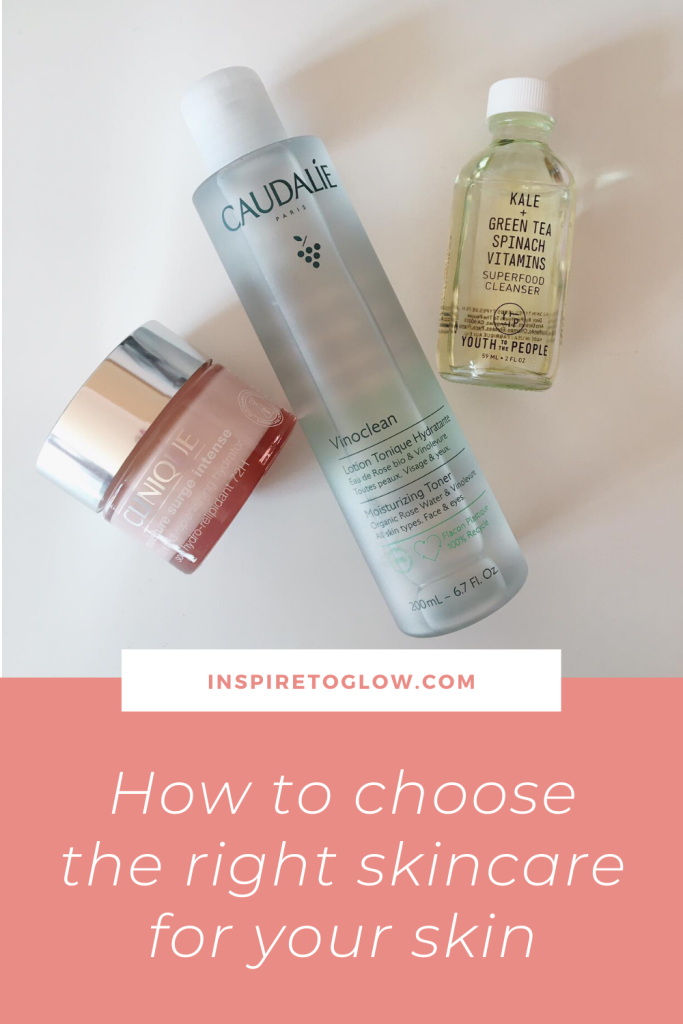
Specific Care for Oily Skin
For individuals with oily skin, the battle against excess shine and breakouts can feel overwhelming. The key to maintaining a clear, radiant complexion lies in understanding the unique needs of oily skin. This skin type is characterized by enlarged pores and a tendency to produce more sebum, which can lead to clogged pores and acne. Thus, when curating a skincare routine, it is crucial to choose non-comedogenic products that will not contribute to acne formation.
Essential Tips for Oily Skin Care
Implementing the right strategies can make a significant difference. Here are essential tips tailored specifically for oily skin:
- Cleanser Selection: A gel-based or foaming cleanser is ideal for oily skin. Look for ingredients such as salicylic acid or tea tree oil that help to draw out impurities and reduce oil production.
- Moisturizing Wisely: Contrary to popular belief, oily skin needs hydration too. Opt for a lightweight, oil-free moisturizer that hydrates without clogging pores. Products containing hyaluronic acid are excellent options.
- Exfoliation Routine: Regular exfoliation can help keep oily skin clear. Use exfoliants with beta hydroxy acids (BHAs), such as salicylic acid, to help reduce the buildup of dead skin cells and prevent acne.
- Mattifying Products: Incorporate mattifying primers or powders into your makeup routine to control shine throughout the day. Also, consider blotting sheets to absorb excess oil without disturbing your makeup.
Specific Care for Dry Skin
Dry skin presents its own set of challenges, often resulting in tightness, flakiness, and a dull appearance. Individuals with dry skin require a routine that focuses on intense hydration and barrier repair. Choosing the right products can alleviate discomfort and restore the skin’s natural glow.
Essential Tips for Dry Skin Care
To nurture and hydrate dry skin, consider these essential tips:
- Gentle Cleansing: Use a creamy, hydrating cleanser that gently removes impurities without stripping the skin of its natural oils. Look for ingredients like glycerin and ceramides that support moisture retention.
- Heavy-Duty Moisturizers: A thick moisturizer or a rich night cream is essential for combating dryness. Products with ingredients like shea butter, jojoba oil, or squalane can provide lasting hydration.
- Incorporate Hydrating Serums: Adding a serum with hyaluronic acid before your moisturizer can enhance hydration levels, ensuring that your skin remains plump and supple.
- Hydration from Within: Don’t forget about internal hydration. Drink plenty of water throughout the day to assist in maintaining skin moisture levels.
Understanding your skin type is only the beginning. By tailoring your skincare products and routines to cater to the specific needs of either oily or dry skin, you can help transform your complexion, making it healthy and vibrant. In the subsequent sections, we will delve deeper into care routines for combination and sensitive skin types, so stay tuned for more expert tips and products specifically designed for those unique challenges.
Understanding your unique skin type is crucial in selecting the right products for effective skincare. Personalization enhances not only the efficacy of the treatment but also the general health of your skin. Each skin type—be it oily, dry, combination, sensitive, or normal—has different needs, and addressing these can make a significant difference in maintaining a radiant complexion.
Oily Skin: Balancing Act
For those with oily skin, the goal is to control excess sebum without stripping the skin of its natural moisture. Look for products containing salicylic acid or benzoyl peroxide, which help in preventing breakouts by keeping pores clean. Light, oil-free moisturizers can hydrate the skin without adding more oil. Additionally, using exfoliants a few times a week can help remove dead skin cells that contribute to blocked pores, leading to acne.
Dry Skin: Nourishing Hydration
If you have dry skin, it’s essential to focus on hydration and moisture retention. Creams rich in hyaluronic acid, glycerin, and ceramides can work wonders in replenishing lost moisture. Exposure to harsh weather and environments can exacerbate dryness; therefore, applying hydrating masks or oils regularly can help lock in moisture and create a protective barrier against environmental stressors.
Combination Skin: The Best of Both Worlds
Combination skin can be tricky as it exhibits characteristics of both oily and dry skin. Utilize gentle cleansers that don’t strip natural oils from dry areas while effectively managing oil in T-zone areas. Serums with a blend of lightweight hydration and oil control can be beneficial. Specific targeted treatments may be necessary, addressing each area appropriately to achieve a balanced look.
Sensitive Skin: Gentle Care
For sensitive skin, the focus should be on soothing and protecting the skin from potential irritants. Opt for fragrance-free, hypoallergenic products featuring calming ingredients like aloe vera, chamomile, or green tea extracts. In essence, stick to a minimal routine to prevent irritation; try patch testing new products to ensure they don’t provoke adverse reactions.
Normal Skin: Maintenance is Key
Normal skin, while often less prone to issues, still requires diligent care. Maintaining this skin type involves a balanced skincare routine that incorporates cleansing, exfoliation, and moisturization. Use lightweight products that offer benefits without being overly rich, and be sure to apply sunscreen daily to protect against UV damage.
Regardless of your skin type, it’s crucial to regularly reassess your skincare routine. Lifestyle changes, environmental factors, and aging can affect skin condition, so adjusting your product choices accordingly is necessary for achieving and maintaining beautiful skin. Stay tuned for our accompanying table that highlights specific product recommendations tailored to each skin type!
| Skin Type | Recommended Products |
|---|---|
| Oily Skin | Gel-based cleansers, oil-free moisturizers |
| Dry Skin | Rich creams, hydrating serums, oils |
| Combination Skin | Gentle exfoliating cleansers, lightweight moisturizers |
| Sensitive Skin | Fragrance-free, calming lotions or creams |
| Normal Skin | Balanced cleansers, lightweight moisturizers |
Each skin type has unique requirements, and understanding these distinctions is essential for selecting the right products. By tailoring your skincare routine to your specific skin type, you can achieve optimal results and maintain a healthy glow.
DISCOVER MORE: Click here to learn about the benefits of jojoba and almond oils</p
Specific Care for Combination Skin
Combination skin is one of the most common skin types, representing a blend of different textures and oil levels across the face. Typically, this means experiencing oily areas—primarily the T-zone (forehead, nose, and chin)—while the cheeks may be dry or normal. This duality can pose a challenge when selecting products that cater to diverse needs. The goal for individuals with combination skin is to achieve a harmonious balance that addresses oiliness while providing sufficient hydration.
Essential Tips for Combination Skin Care
To effectively manage combination skin, consider incorporating these tailored strategies into your skincare routine:
- Balanced Cleansing: Use a gentle foaming gel or cream cleanser that can effectively remove excess oil from the T-zone without drying out the drier areas. Ingredients like chamomile or green tea can be soothing for all skin types.
- Targeted Moisturizing: Adopt a two-step moisturizing approach: apply a lightweight, oil-free moisturizer on the oily areas while using a richer cream or oil on the dry parts. Look for formulations that contain hyaluronic acid for hydration without added grease.
- Spot Treatments for Oily Areas: Incorporate spot treatments containing salicylic acid or benzoyl peroxide to combat breakouts on oily spots while keeping the other areas intact.
- Exfoliation Balance: Regular exfoliation is key, but precision is essential. Choose a mild exfoliant that combines AHA (alpha hydroxy acid) for dry areas and BHA for those oilier parts, ensuring all areas benefit without irritation.
Specific Care for Sensitive Skin
Sensitive skin requires an extra level of care and attention, often reacting strongly to environmental factors, harsh products, or even stress. This skin type is characterized by redness, itching, or burning sensation, making it essential to focus on soothing rather than irritating ingredients. Choosing the right products can create a calming routine that provides support without triggering reactions.
Essential Tips for Sensitive Skin Care
To care for sensitive skin effectively, consider these thoughtful strategies:
- Minimalist Cleansing: Choose a hypoallergenic and fragrance-free cleanser with minimal ingredients. Look for gentle ingredients, such as aloe vera and calendula, that offer calming properties while effectively cleansing.
- Moisturizing with Care: Opt for a moisturizer with barriers like ceramides and fatty acids to help maintain the skin’s moisture barrier. Avoid irritating elements like alcohol or synthetic fragrances.
- Patch Testing New Products: Before introducing a new product into your routine, always perform a patch test on a small skin area to ensure no adverse reactions occur.
- Soothe with Serums: Incorporate serums with calming ingredients like chamomile extract or niacinamide, which can reduce redness and promote an even skin tone. These can enhance hydration while soothing irritated skin.
Choosing the right skincare routine and products for your specific skin type can lead to transformative results, enhancing not just your appearance but also your confidence. Understanding how to tailor approaches for combination and sensitive skin sets the foundation for better skin health. In the next segment, we will explore additional care for various skin concerns that may arise from different skin types, delving deeper into customized solutions and specialized products for all your skincare needs.
DISCOVER MORE: Click here to dive into the psychology of colors
Conclusion
In summary, understanding specific care for each skin type is not just a trend but a necessity for achieving vibrant and healthy skin. From oily to dry, combination to sensitive skin, tailoring your skincare routine based on individual needs ensures that you are addressing specific concerns effectively. Key takeaways include recognizing the importance of choosing the right products—gentle cleansers, suitable moisturizers, and targeted treatments—for your specific skin type. By adopting these personalized strategies, individuals can enhance their skincare journey using specialized solutions that truly work for them.
Moreover, the pursuit of knowledge about which ingredients benefit particular skin types allows consumers to make informed decisions. As we have explored, integrating soothing agents like botanical extracts for sensitive skin and balancing products for combination skin can significantly improve the overall health and appearance of your complexion. Remember, skincare is an evolving practice; what may work today may need adjustment tomorrow.
Always keep an eye on how your skin reacts and remain committed to a caring routine. By prioritizing the unique requirements of your skin type, you set the foundation for not just looking good but feeling good as well. For further exploration, consider diving deeper into specialized serums, sun protection methods, and innovative treatments that can elevate your skincare regimen even more. Embrace the journey, and discover the transformative power of customized skincare that resonates with your individual beauty.
Related posts:
How to Choose the Right Products for Sensitive Skin: A Tailored Approach
Changes in Skin Type Throughout Life: What to Expect and How to Adapt Your Routine
Understanding Your Skin Type: A Comprehensive Guide to Customized Skincare
The Influence of Aging on Skin Types: Adapting Your Skincare for Every Decade
How to Identify Your Skin Type: A Practical Guide
Seasonal Skin Changes: How to Adjust Your Skincare Routine

Beatriz Johnson is a seasoned skincare specialist and writer with a passion for simplifying the complexities of beauty science and skincare routines. With over a decade of experience in the aesthetics industry, she specializes in topics like ingredient efficacy, anti-aging strategies, and global beauty trends. Through her work, Beatriz empowers readers to make informed skincare choices and stay ahead in the ever-evolving world of beauty and wellness.