How to Identify Your Skin Type: A Practical Guide

Discovering Your Skin Type
Your skin is as unique as your fingerprint. Understanding your skin type is the first step toward choosing the right products and maintaining a healthy complexion. This knowledge plays a crucial role in enhancing your skincare routine and can even help prevent common concerns like acne, dryness, or signs of aging.
The Importance of Knowing Your Skin Type
Identifying your skin type allows you to tailor your skincare regimen effectively. There are four primary skin types that everyone falls into:
- Oily: Characterized by excess shine, particularly in the T-zone (forehead, nose, and chin). Individuals with oily skin typically have larger pores and are prone to breakouts and blackheads, particularly due to excess sebum production.
- Dry: This type often presents as flaky or rough in texture and may feel tight or uncomfortable. Factors like weather changes, low humidity, and harsh soaps can exacerbate dryness, which is common in regions with extreme seasonal shifts.
- Combination: A mix of oily and dry areas, this type often exhibits characteristic oily patches in the T-zone while other areas of the face can feel dry or tight. Recognizing combination skin is crucial to addressing the different needs of the face.
- Normal: Not too oily and not too dry, normal skin is well-balanced with minimal issues. This type has a smooth texture and is less likely to react negatively to products.
Each type has its unique needs and requires specific ingredients for optimal care. For instance, individuals with oily skin may benefit from lightweight, oil-free moisturizers, while those with dry skin often require richer creams that provide deeper hydration.
Why It Matters
With the right knowledge, you’ll be empowered to make informed choices regarding your skincare products. Misusing products designed for another skin type can lead to irritation or unexpected reactions. For example, using a heavy moisturizer formulated for dry skin on oily skin can exacerbate acne by clogging pores.
To accurately assess your skin type, consider simple techniques like the “bare-faced test.” This involves cleansing your face and observing its natural state after a few hours without any products. Alternatively, many beauty brands offer quizzes to help you identify your skin type. Understanding the nuances of your skin can enhance your product selection and lead to more effective skincare routines.
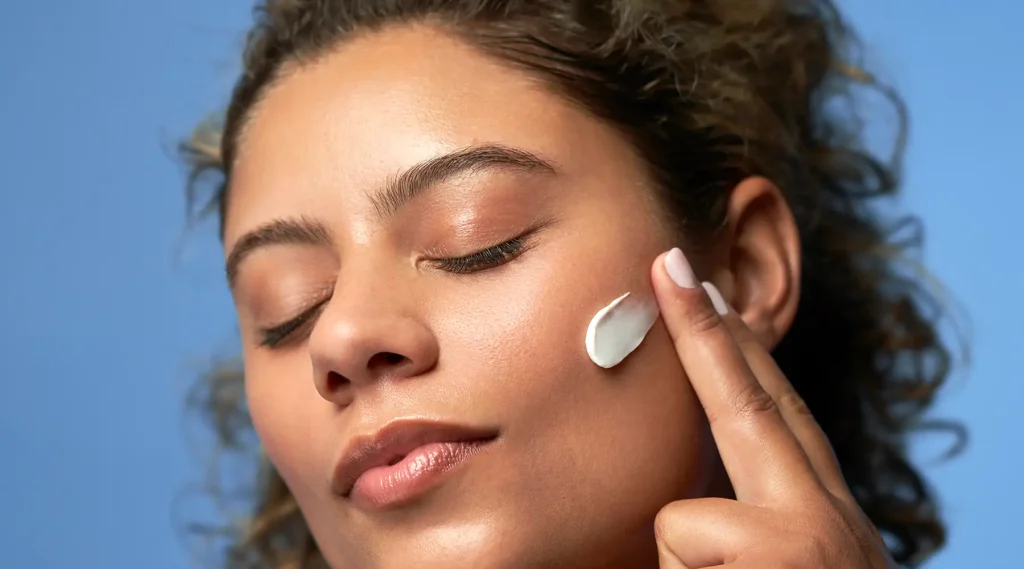
This guide is designed to help you embark on a journey toward healthier, radiant skin! By taking the time to understand your skin’s unique characteristics, you are setting the foundation for a vibrant complexion that thrives over time.
DISCOVER MORE: Click here to learn about the beauty of diversity
Methods to Determine Your Skin Type
Identifying your skin type is not just a fun exercise; it’s fundamental for building an effective skincare regimen. Fortunately, the process is straightforward, and there are several methods you can use to discover what skin type you possess. Here are some practical approaches to help you on your journey:
The Bare-Faced Test
This simple and popular method requires only a bit of patience. Start by cleansing your face with a gentle cleanser to remove any makeup, dirt, and oil. After rinsing, towel dry your face lightly and leave it bare—without applying any products—for about an hour. Pay attention to how your skin feels during this time.
After an hour, evaluate your skin:
- If your skin feels tight, flakey, or appears dull, you likely have dry skin.
- If your T-zone (forehead, nose, chin) feels oily while the rest of your face feels dry or normal, you may have combination skin.
- If your skin appears shiny all over with larger pores and is prone to breakouts, you likely have oily skin.
- If your skin feels comfortable without any excessive oiliness or dryness, you likely have normal skin.
The Blotting Sheet Method
This method provides a quick and easy way to assess your skin type using blotting sheets, which are often used to absorb excess oil:
After a few hours, gently press a blotting sheet onto various areas of your face:
- For oily skin: The blotting sheet will easily show visible oil.
- For dry skin: The blotting sheet will have little to no oil, and your face may feel tight.
- For combination skin: The T-zone will show oil, whereas the cheeks and other areas will not.
- For normal skin: The sheet will have minimal oil and no areas of dryness.
Consulting a Dermatologist
If you find it challenging to identify your skin type on your own, or if you have specific skin concerns such as persistent acne or rosacea, consulting a dermatologist can provide valuable insights. A professional can assess your skin and recommend products tailored specifically for your needs. This expert advice helps you navigate the vast array of products on the market and can save you time, money, and potential skin irritations.
Understanding your skin type through these methods enables you to make informed decisions about your skincare products and routines. By recognizing your unique skin needs, you’re taking the first step toward achieving a healthy and radiant complexion.
Understanding Different Skin Types
Identifying your skin type is the first step towards tailored skincare. Generally, there are five main skin types: normal, oily, dry, combination, and sensitive. Each type has unique characteristics and requires specific care routines.
Normal Skin
Normal skin feels balanced, neither too oily nor too dry. It often has a smooth texture, even tone, and few blemishes. People with normal skin benefit from a simple skincare routine that includes mild cleansers, light moisturizers, and occasional exfoliating treatments.
Oily Skin
Oily skin is characterized by an overproduction of sebum, leading to a shiny appearance and enlarged pores. This skin type is more prone to acne and breakouts. To manage oily skin, it’s essential to use oil-free moisturizers, non-comedogenic products, and regular exfoliation to prevent clogged pores.
Dry Skin
Dry skin can feel tight, rough, and sometimes flaky. It often appears dull and may showcase redness or irritation. Individuals with dry skin should seek hydrating products that contain ingredients like hyaluronic acid and ceramides, focusing on moisture-retentive formulations to enhance skin hydration levels.
Combination Skin
Combination skin exhibits characteristics of more than one skin type, typically oily in the T-zone (forehead, nose, chin) and dry on the cheeks. Using a customized regimen is vital, employing different products suitable for each area of the face. Water-based moisturizers and light exfoliating scrubs can help balance this skin type.
Sensitive Skin
Sensitive skin is prone to redness, irritation, and allergic reactions. This skin type requires gentle formulations, free from harsh chemicals or fragrances. It’s vital to patch-test new products and consult a dermatologist for recommendations tailored to sensitive skin.To pinpoint your skin type, consider factors such as sensation, pore visibility, and the appearance of blemishes. Tools such as the bare-faced method or blotting sheet test can aid in determining your skin’s unique needs.
Advantages of Identifying Your Skin Type
| Skin Type | Key Benefits |
|---|---|
| Normal Skin | Balance of oil and moisture. |
| Oily Skin | Fewer signs of aging, natural shine. |
| Dry Skin | Maintained moisture levels promote elasticity. |
| Combination Skin | Balanced approach helps target different areas. |
| Sensitive Skin | Reduced irritation with gentle products. |
Understanding your skin type not only simplifies your skincare routine but also ensures the effectiveness of each product you use. Knowing your skin’s specific needs will allow you to choose products that enhance your natural beauty and maintain skin health over time.
DISCOVER MORE: Click here to delve into the future of beauty
Understanding Characteristics of Different Skin Types
Once you have identified your skin type, it’s crucial to understand its characteristics and how to care for it effectively. Each skin type has its unique traits, which influence not only the skincare products you choose but also the routines that will benefit your complexion. Here’s a deeper dive into each skin type and their specific needs:
Dry Skin
People with dry skin often experience tightness, flakiness, and sometimes even irritation. This skin type may be caused by environmental factors like cold weather, low humidity, or over-cleansing. Dry skin has a lower lipid barrier, which means it can struggle to retain moisture. Look for hydrating ingredients such as hyaluronic acid, glycerin, and ceramides in your skincare products.
To keep dry skin healthy, regular moisturizing is essential. Using a rich cream or lotion after cleansing can help seal in moisture, while weekly hydrating masks can provide extra nourishment.
Oily Skin
Oily skin is characterized by an excess of sebum, visible large pores, and a shiny appearance throughout the day. This skin type is often prone to breakouts and may also develop blackheads or acne. Oily skin typically benefits from lightweight, non-comedogenic products that won’t clog pores. Ingredients such as salicylic acid and benzoyl peroxide are often recommended for treating and preventing breakouts.
A consistent regimen that includes a gentle cleanser, toner, and oil-free moisturizer can help manage oil production. Additionally, consider incorporating clay masks into your weekly routine to absorb excess oil and purify the skin.
Combination Skin
As the name suggests, combination skin exhibits characteristics of both dry and oily skin types. In most cases, the T-zone (forehead, nose, and chin) is oily, while the cheeks and other areas may be dry or normal. This requires a versatile approach to skincare, often combining products suited for each zone.
To manage combination skin, opt for lightweight, balancing products. A gentle foaming cleanser can work wonders, while a hydrating gel moisturizer can cater to both oily and dry areas. Exfoliation should be tailored to the oily zones to prevent clogged pores, while providing extra hydration to drier regions.
Normal Skin
Individuals with normal skin are often the lucky few, boasting a perfect balance of moisture and oil. The skin feels comfortable, has minimal imperfections, and displays an even tone. However, maintaining this balance requires a gentle approach to skincare.
For those with normal skin, a basic skincare routine that includes a gentle cleanser and a lightweight moisturizer typically suffices. Incorporating occasional exfoliation and a broad-spectrum sunscreen is also beneficial to keep skin looking vibrant and youthful.
Understanding these specific attributes will help you tailor your skincare approach based on your skin type. Recognizing the unique characteristics of your skin allows for more personalized product choices, ensuring your regimen effectively addresses your skin’s needs.
EXPLORE MORE: Click here to discover the impact of sustainable cosmetics
Conclusion
Identifying your skin type is the cornerstone of crafting an effective skincare routine. By understanding the distinctive characteristics of dry, oily, combination, and normal skin, you empower yourself to make informed choices that cater specifically to your complexion’s needs. This practical guide not only illuminates the diverse traits of each skin type but also provides actionable insights on the products and routines that can elevate your skincare regimen.
For instance, if you have dry skin, it may feel tight or rough, and you might notice flakiness. In this case, incorporating rich moisturizers with ingredients like hyaluronic acid and glycerin can significantly improve hydration levels. Conversely, those with oily skin often contend with excess shine and enlarged pores. Opting for products formulated with salicylic acid can help to control oil and prevent breakouts. Combination skin presents its own unique challenges, typically characterized by an oily T-zone and dryness in other areas. A balanced approach with lightweight products for the oily regions and richer formulations for dry patches can be particularly effective. Finally, normal skin tends to have fewer issues but still benefits from a consistent, minimalist routine to maintain its healthy appearance.
Remember, the journey towards healthy skin is an ongoing process influenced by various factors, including environmental changes, hormonal fluctuations, and dietary habits. Regularly reassessing your skin type can help you adapt your approach as needed, ensuring your skincare products remain effective and relevant.
As you embark on this discovery, consider consulting dermatology professionals for personalized advice tailored to your unique skin concerns. They can offer insights based on scientific knowledge and skin analysis techniques that can pinpoint issues you may not even be aware of. Moreover, skin types can change with the seasons; for example, cold winters can exacerbate dryness, while hot summer months can increase oil production.
By blending scientific knowledge with practical application, you can achieve a radiant complexion that reflects your best self. Stay curious, keep experimenting, and always embrace the wonderful diversity of your skin. Remember that your path to effective skincare begins with understanding, and it’s a journey worth taking. Engage with diverse skincare communities online and remain proactive in discovering new products and tips that align with your specific skin needs. The world of skincare is vast, and your exploration can lead to beneficial discoveries that enhance your beauty routine.
Related posts:
How to Choose the Right Products for Sensitive Skin: A Tailored Approach
The Impact of Climate on Different Skin Types: Adapting Your Routine
The Importance of pH Balance for Different Skin Types
The Influence of Diet on Skin Type: Foods That Can Improve Your Skin's Health
Seasonal Skin Changes: How to Adjust Your Skincare Routine
Seasonal Ingredients: Best Natural Extracts for Each Skin Type

Beatriz Johnson is a seasoned skincare specialist and writer with a passion for simplifying the complexities of beauty science and skincare routines. With over a decade of experience in the aesthetics industry, she specializes in topics like ingredient efficacy, anti-aging strategies, and global beauty trends. Through her work, Beatriz empowers readers to make informed skincare choices and stay ahead in the ever-evolving world of beauty and wellness.