Impact of Sustainable Cosmetics on the Beauty Industry
The Transformative Shift in Beauty
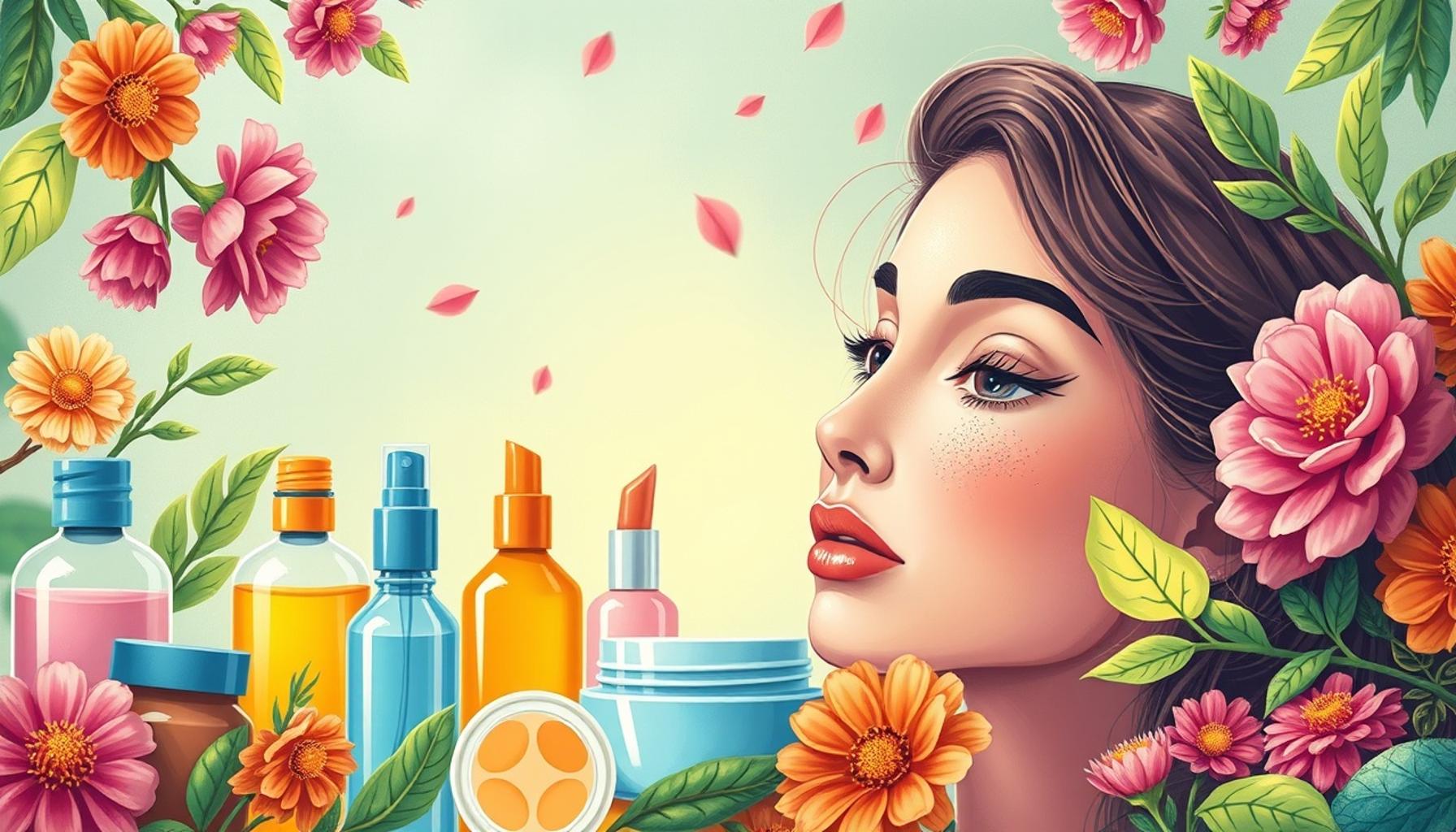
The beauty industry is witnessing an impressive and necessary transformation highlighted by the rise of sustainable cosmetics. In a world increasingly aware of environmental degradation and climate change, consumers are demanding more than just effective beauty products; they seek items that align with their ethical values. This shift is more than a trend; it represents a profound rethinking of what beauty means in the 21st century.
At the heart of this evolution is the commitment to natural ingredients. Brands like 100% Pure and RMS Beauty leverage plant-based components, steering clear of harmful synthetic chemicals often found in traditional products. These natural alternatives not only benefit the skin but also reduce the environmental footprint associated with chemical manufacturing. The consumer’s growing awareness of chemical safety is reinforced by studies linking certain synthetic ingredients to health issues, further persuading them towards more natural formulations.
Additionally, the industry has made significant strides in adopting eco-friendly packaging. Innovative materials and designs are leading the change, with companies like Fenty Beauty and Ethique at the forefront, using biodegradable or recyclable materials for their products. This shift not only reduces plastic waste but also appeals to environmentally-conscious consumers who feel empowered by their purchasing decisions. The statistics are compelling; industry reports suggest that the sustainable cosmetics market is projected to grow by over 30% in the next five years, indicating a major shift in consumer preferences.
Moreover, ethical practices in sourcing have emerged as a vital pillar in this paradigm shift. Brands such as Alima Pure champion fair-trade sourcing, ensuring that the raw materials are cultivated under fair labor conditions and in an environmentally responsible manner. This ethical approach is not just a marketing tool; it reflects a deeper commitment to positively impact communities and the planet, appealing to socially-conscious consumers who prefer brands that embody their values.
The growing demand for sustainable cosmetics is reshaping market dynamics and compelling traditional beauty brands to adapt or risk obsolescence. As consumers educate themselves about the implications of their beauty choices, they serve as catalysts for change, urging brands to prioritize sustainability. This increasing awareness is shaping consumption patterns, and brands that ignore this trend do so at their peril.
This article will delve into the complexities of sustainable cosmetics and their rich impact on the beauty industry. Join us as we explore the ongoing challenges and emerging opportunities in the pursuit of a more sustainable future within the realm of beauty.
DISCOVER MORE: Click here to learn how nutrition impacts your skincare
Redefining Consumer Choices
The impact of sustainable cosmetics on the beauty industry reaches beyond product offerings; it is transforming consumer choices, reshaping brand loyalty, and redefining marketing strategies. As awareness of environmental issues mounts, consumers are not merely seeking effective products but also actively pursuing options that reflect their values. This change has instigated deeper conversations around sustainability, ethics, and self-care, whereby consumers are increasingly asking critical questions about the origins and impacts of the products they use.
A key aspect of this shift lies in the transparency that sustainable brands are ushering into the marketplace. Unlike traditional beauty companies, which often obscure ingredient sourcing and manufacturing processes, sustainable brands pride themselves on their openness. Brands such as Drunk Elephant and Beautycounter provide clarity about their ingredient lists, sourcing practices, and environmental commitments. This transparency not only builds consumer trust but also fosters a sense of responsibility among consumers, who feel informed about the choices they make.
The notion of clean beauty is also on the rise, representing a wave of products free of controversial ingredients such as parabens, sulfates, and phthalates. According to recent market research, over 70% of consumers in the U.S. are now influenced by the ingredient quality when selecting cosmetics. This data suggests a monumental shift in consumer behaviors, where individuals prioritize not just the aesthetic appeal but also the health implications associated with cosmetic products.
A Sustainable Approach to Beauty Consumption
As awareness around sustainability matures, consumers are eager to make conscious decisions that benefit not only their personal health but also the environment. The following are some trends observed in sustainable beauty consumption:
- Multi-purpose products: Consumers are gravitating towards cosmetics that serve multiple functions, which minimizes waste and aligns with the minimalist lifestyle.
- Refillable packaging: Brands like ILIA Beauty are introducing refillable options, encouraging customers to return for refills rather than purchasing entirely new products.
- Vegan and cruelty-free options: The demand for animal-friendly products is skyrocketing, with more brands committed to vegan formulations and ethical testing practices.
Moreover, the rise of social media has played a transformative role in amplifying the voices of consumers who champion sustainability. Platforms like Instagram and TikTok have given rise to “green influencer” movements, where beauty enthusiasts share their sustainable skincare routines and products. This grassroots advocacy not only spreads awareness but also holds brands accountable to their sustainability claims, giving rise to a more informed and engaged consumer base.
Finally, it is essential to recognize that while the push for sustainable cosmetics is gaining momentum, it is not without challenges. Brands struggling to find the right balance between sustainability, affordability, and efficacy will need to navigate these complexities thoughtfully. However, as consumers continue to push for change, embracing sustainability in the beauty industry seems not only possible but imperative for future growth.
| Sustainable Ingredients | Consumer Awareness |
|---|---|
| Use of Natural Resources | Increased Demand for Transparency |
| Plant-based ingredients play a significant role in reducing the environmental footprint of beauty products. | Consumers are actively seeking brands that disclose ingredient sourcing and ethical practices. |
| Reducing Toxic Chemicals in beauty products has become imperative for safeguarding health and the environment. | Educated buyers prioritize brands that champion sustainability, influencing market trends. |
The shift towards sustainable cosmetics emphasizes a holistic approach to beauty, focusing on eco-friendly practices and minimal environmental impact. The incorporation of plant-based and natural ingredients not only enhances product appeal but also fosters a sense of responsibility among manufacturers. For instance, companies that embrace sustainable practices often see a boost in customer loyalty due to their commitment to reducing toxic chemicals in their products. This growing trend is largely fueled by a consumer base that has become more conscious of the impact of their purchases, demanding transparency in ingredient sourcing and ethical manufacturing processes.As a result, brands are adapting their strategies to meet the evolving needs of informed consumers. The beauty industry is witnessing a transformative wave where sustainability is not just a niche but a fundamental expectation, driving innovation across product lines. This aligns with a global movement aimed at fostering environmental sustainability and improving holistic health, prompting both established and emerging brands to pivot towards sustainable options.
DISCOVER MORE: Click here to uncover the secrets of skincare for every decade
Shaping Industry Standards and Practices
The shift towards sustainable cosmetics is not merely driven by consumer demand but is also reshaping the standards and practices within the beauty industry itself. As brands begin to adopt sustainable practices, many are finding themselves leading the charge toward innovative solutions that address both environmental and social concerns. In doing so, they are not just creating a niche market but are redefining the very fabric of the beauty industry.
One significant advancement is the adoption of eco-friendly formulations and ingredients sourced from renewable resources. For instance, brands like Lush and RMS Beauty emphasize natural sourcing while avoiding synthetic additives, thus aligning with the growing trend towards transparency in ingredient use. In doing so, they not only cater to environmentally-conscious consumers but set higher standards for ingredient integrity across the industry. Additionally, as more companies commit to using responsibly sourced raw materials, there will likely be a ripple effect, forcing competitors to follow suit or risk falling out of favor with informed buyers.
Biodegradable packaging is another critical aspect that brands are prioritizing. With plastic pollution being a significant concern, the push for alternatives is strong. Brands such as Myro, which offers refillable deodorant containers made from recycled materials, are leading innovations that minimize ecological impact. This shift is also influencing traditional beauty companies, prompting them to rethink packaging strategies and consider alternatives that align with circular economy principles.
Collaboration for Change
To further solidify these changes, collaboration among stakeholders in the beauty industry is becoming increasingly essential. Partnerships between sustainable brands, non-profits, and influencers are paving the way for increased awareness and broader dissemination of sustainable practices. For example, the Environmental Working Group (EWG) collaborates with various cosmetic brands to promote safer, environmentally friendly products and transparency in ingredient lists.
The industry’s reluctance to adopt sustainable practices is being challenged through initiatives like the Beauty Industry Sustainability Coalition, which is dedicated to creating a more sustainable future for beauty brands and manufacturers. This coalition provides resources and frameworks to help businesses navigate sustainability in a comprehensive manner. Recent findings suggest that companies associated with sustainability coalitions report up to 30% more growth than their non-participating counterparts, indicating that sustainability is not just a trend but a viable business model.
Measuring Impact Through Data
Understanding the quantitative impact of sustainability efforts is crucial for brands aiming to maintain relevance in an ever-evolving market. Various surveys indicate that approximately 36% of U.S. consumers are willing to pay more for sustainable beauty products, a stark reminder for brands that sustainability can lead to enhanced profitability. Furthermore, studies reveal that companies with strong sustainability practices enjoy a 15% increase in customer loyalty compared to their less eco-conscious peers.
As the industry continues to evolve, there remains a pressing need for standardization in sustainability certifications. Consistent labeling and third-party verification can assist consumers in making informed decisions while fostering a culture of accountability among brands. The introduction of comprehensive ratings like the EWG Verified or Leaping Bunny certifications strengthens consumer trust, further bolstering the momentum towards sustainable beauty.
With these shifts underway, it is evident that the impact of sustainable cosmetics is enormous; it is crafting a new narrative for the beauty industry that emphasizes responsibility, transparency, and informed choices, fostering innovation across all sectors to meet the demands of modern consumers.
DISCOVER MORE: Click here to uncover the benefits of aromatherapy in facial treatments
Conclusion: The Future of Beauty is Sustainable
The impact of sustainable cosmetics on the beauty industry is both profound and transformative. As demonstrated throughout this article, a significant cultural shift is underway, with brands not merely responding to consumer demand for eco-conscious products but actively leading the charge towards a more sustainable future. By implementing eco-friendly formulations and embracing innovative packaging solutions, companies are setting new industry benchmarks that emphasize environmental stewardship and ethical responsibility.
Moreover, collaboration among industry stakeholders is playing a crucial role in fortifying this movement. Initiatives like the Beauty Industry Sustainability Coalition and partnerships with organizations such as the Environmental Working Group (EWG) are enhancing transparency and encouraging brands to adopt more sustainable practices. As a result, not only are consumers becoming more informed, but they are also willing to invest in products that align with their values, evident from the 36% of U.S. consumers demonstrating their readiness to pay more for sustainable options.
Looking ahead, the challenge lies in maintaining momentum. Industry leaders must prioritize sustainability not as a transient trend, but as a core business strategy essential for long-term growth. This will require ongoing innovation, adherence to rigorous standards, and a commitment to providing clear certifications that empower consumers in their choices.
In conclusion, the future of the beauty industry is undeniably intertwined with sustainable practices. As more brands recognize the importance of environmental consciousness, we may witness a new era of beauty—one that champions sustainability, fosters customer loyalty, and ultimately contributes to the health of our planet. Embracing this change is not just an opportunity; it is a necessity for an industry poised on the brink of a revolution.
Related posts:
Sustainable Beauty: How Cosmetic Brands Are Adopting Ecological Practices
The Role of Technology in the Personalization of Beauty Products: Innovations and Challenges
The Influence of Social Media on Cosmetic Product Purchase Decisions: Trends and Consumer Behaviors
The Relationship Between Cosmetics and Diversity: Celebrating Beauty in All Its Forms
The Influence of Social Media on Cosmetic Trends: How Digital Marketing is Transforming the Industry
Inclusive Cosmetics: How Brands Are Catering to Different Skin Types and Specific Needs

Beatriz Johnson is a seasoned skincare specialist and writer with a passion for simplifying the complexities of beauty science and skincare routines. With over a decade of experience in the aesthetics industry, she specializes in topics like ingredient efficacy, anti-aging strategies, and global beauty trends. Through her work, Beatriz empowers readers to make informed skincare choices and stay ahead in the ever-evolving world of beauty and wellness.