The Influence of Social Media on Cosmetic Trends: How Digital Marketing is Transforming the Industry
Understanding the Power of Social Media in the Cosmetic Industry
The rapid evolution of the cosmetic industry can largely be attributed to the pervasive influence of social media. Platforms such as Instagram, TikTok, and YouTube are not just social networking sites; they have become powerful marketing tools that redefine how beauty products are promoted and consumed. This transformation is profound, affecting the way brands communicate with consumers and how consumers engage with products and trends.
Accessibility: A New Era of Information
One of the most significant changes brought about by social media is the accessibility of beauty products and information. In the past, consumers would rely on magazine advertisements or in-store displays to make decisions. Today, countless tutorials and reviews are just a click away. For example, a makeup tutorial posted on TikTok can demonstrate how to achieve a specific look in under a minute, reaching millions in the process. This instant access to educational content allows consumers to make informed decisions about product purchases and enhances the overall beauty experience.
The Rise of Influencer Culture
Another key aspect is the emergence of a robust influencer culture. Social media influencers, particularly those in the beauty realm, have garnered significant followings and wield considerable influence over consumer preferences. Brands often collaborate with these influencers to reach a larger audience, as their endorsement can lend credibility and authenticity that traditional advertising lacks. For instance, beauty gurus like James Charles or NikkieTutorials often set trends, with their makeup looks or product recommendations leading to immediate spikes in sales for featured products.
Authenticity through User-Generated Content
User-generated content has dramatically shifted the balance of power in marketing. Authentic reviews from everyday users—shared through platforms like Instagram stories or TikTok videos—challenge established brands and reshape consumer perceptions. A viral video showcasing a budget-friendly product receiving rave reviews can spark interest that overshadow more expensive, established brands. This form of grassroots marketing fosters a sense of community and trust among consumers, who appreciate real experiences over polished advertisements.
The Importance of Adapting to Change
As the cosmetic landscape evolves, brands find themselves in a race to adapt to these digital marketing dynamics. Understanding the nuances of social media is not just beneficial; it is essential for survival in a highly competitive market. The ability for a product to go viral can mean the difference between thriving sales and obscurity. For brands, this means not only focusing on high-quality products but also engaging creatively with consumers through interactive campaigns, challenges, and user collaborations.
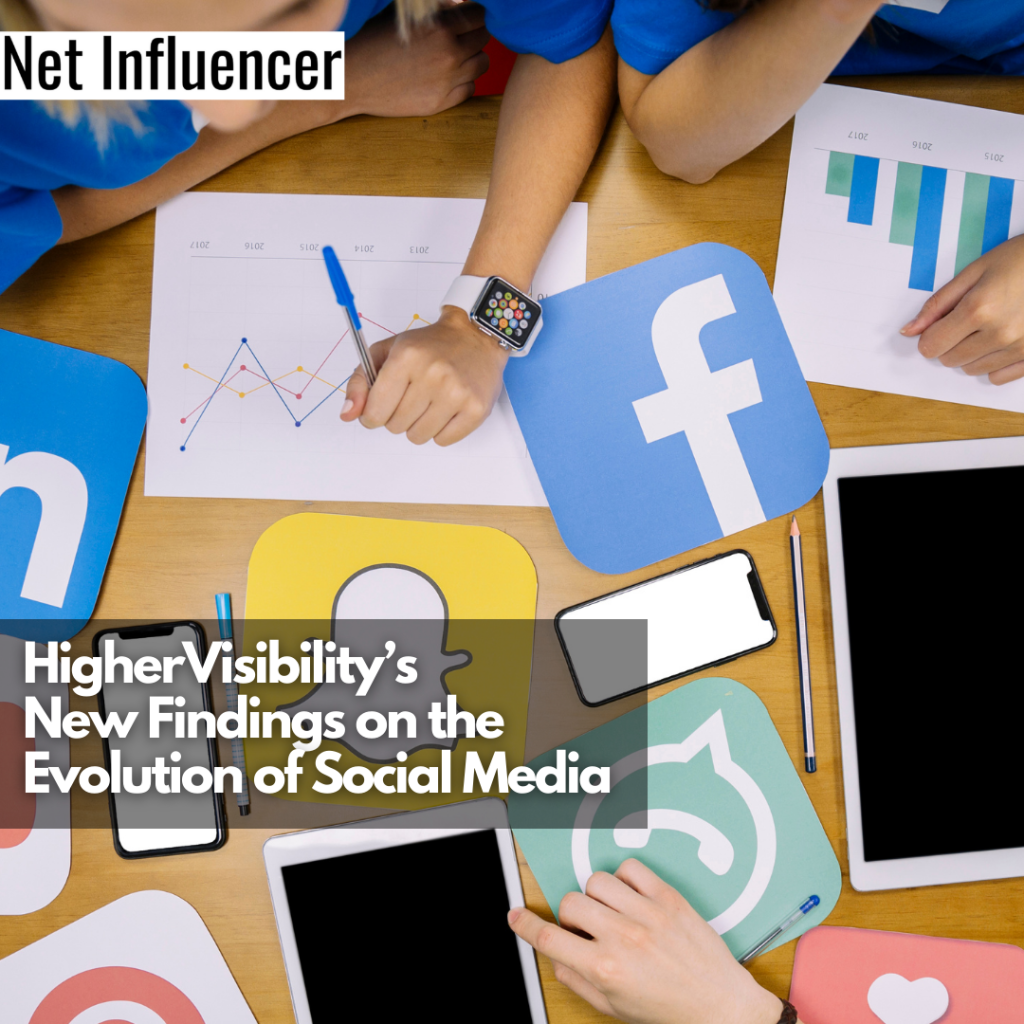
In conclusion, social media is not merely influencing what’s trending in cosmetics; it is fundamentally reshaping the entire industry. From increasing accessibility to fostering genuine connections through influencers and user-generated content, the impact of social media is far-reaching. As consumers continue to navigate this digital space, they are not only participants; they are co-creators of the evolving beauty landscape.
DISCOVER MORE: Click here to learn about the latest trends
The Shifting Paradigm of Beauty Marketing
As the cosmetic industry strives to establish a unique identity amid the incessant noise of digital communication, the paradigm of beauty marketing is undergoing a remarkable shift. The traditional pathways of reaching consumers—through brick-and-mortar establishments, print advertisements, and television spots—are being supplanted by an innovative approach fueled by social media. The interconnectedness offered by platforms allows brands to engage with their audiences on a personal level, making marketing more targeted and impactful. Digital marketing in cosmetics is evolving, emphasizing the need for brands to understand that consumers today are not just purchasing products; they are buying into a lifestyle, a community, and a narrative.
Understanding Consumer Behavior
To navigate this new landscape successfully, it is crucial for brands to grasp the changes in consumer behavior. With empowered voices rising through social media, consumers have become more discerning and vocal about their preferences. Brands are no longer the sole narrators of their stories; instead, consumers actively participate in shaping the image and reputation of products. This shift necessitates a deeper understanding of key trends:
- Visual Trends: Platforms like Instagram and Pinterest thrive on eye-catching visuals, with high-quality images and videos becoming essential in captivating consumer attention.
- Interactive Content: Quizzes, polls, and augmented reality filters allow brands to engage users directly, creating an immersive experience that enhances product exploration.
- Inclusivity and Diversity: Consumers demand representation that reflects their identities. Brands are now challenged to highlight diverse models and cater to various skin tones and types in their campaigns.
Data-Driven Insights
Moreover, the analytics and data-driven capabilities afforded by social media give brands valuable insights into their target markets. Through tools that track engagement metrics, user interactions, and demographic data, companies can fine-tune their strategies in real-time. For example, if a particular shade of lipstick garners significant attention on TikTok, brands can adapt their inventories and marketing efforts to prioritize that product. This agility strengthens the link between consumer desire and product availability, optimizing the shopping experience.
The Role of Trends and Challenges
However, the rapid nature of trends on social media can be a double-edged sword. While a product can potentially become a viral sensation overnight, it can just as quickly fade from consumer interest. Brands must not only harness this immediacy but also build lasting connections with their audiences through consistent, high-quality engagement. Additionally, the competitive landscape requires brands to be innovative and forward-thinking in their approach. This includes:
- Regular Content Updates: Maintaining relevance through frequent updates and fresh content.
- Community Engagement: Creating a loyal customer base by interacting authentically and addressing customer feedback.
- Ethical Marketing Practices: Increasing consumer scrutiny necessitates transparent advertising and responsible sourcing of ingredients.
In summary, the influence of social media is reshaping not just product marketing in the beauty realm but also the entire commercialization process. Knowing how to ride the waves of digital trends while cultivating authentic relationships with audiences is crucial for brands aiming to thrive in this revolutionary landscape.
| Category | Details |
|---|---|
| Micro-Influencers | These individuals often have highly engaged audiences and can create authentic connections with consumers. |
| Targeted Promotions | Digital platforms allow brands to target specific demographics, optimizing marketing efforts and enhancing conversion rates. |
In the rapidly changing landscape of the cosmetic industry, social media serves as a powerful catalyst for trends that transform consumer behavior and brand strategies. The emergence of micro-influencers, who possess niche followings and foster genuine relationships with their audiences, has redefined how brands convey their messages. These influencers tend to demonstrate a more relatable and authentic appeal, driving engagement and encouraging their followers to consider new cosmetic products. Further, the advancement of digital marketing has birthed personalized, targeted promotions that allow brands to connect with consumers on a level that traditional advertising modalities cannot match. By utilizing insights drawn from user data, companies can create customized marketing strategies that resonate with potential buyers, ultimately leading to higher conversion rates and customer loyalty. This level of marketing precision has led to a significant shift in buying behaviors, thereby revolutionizing the way cosmetics are marketed and purchased today. With platforms like Instagram and TikTok dictating trends almost instantaneously, brands that harness the power of social media are setting the stage for the future of the cosmetics industry.
DIVE DEEPER: Click here to learn more about customized facial treatments
The Impact of Influencer Culture on Cosmetic Brands
At the heart of social media’s revolution in the cosmetics industry is the rise of influencer culture. Influencers, individuals who have amassed a significant following through their engaging content, hold unparalleled sway over consumer behavior. In a landscape where traditional celebrity endorsements are becoming less effective, brands are increasingly turning to influencers to promote their products. This transition has not only democratized marketing but also made it more relatable and nuanced. Authenticity is key; consumers are drawn to influencers who align with their values and lifestyles, leading brands to carefully select partnerships that resonate with their target audience.
Micro and Nano-Influencers: The New Wave
While mega-influencers and celebrities can deliver wide reach, micro (10,000 to 100,000 followers) and nano-influencers (fewer than 10,000 followers) often command higher engagement rates. These influencers tend to maintain a closer relationship with their followers, promoting a sense of trust and authenticity. For cosmetic brands, this means that investing in partnerships with smaller influencers can result in more impactful storytelling and higher conversion rates. According to recent studies, 82% of consumers are highly likely to follow a recommendation made by a micro-influencer—data that signifies the potency of personal connection in today’s marketing strategies.
The Power of User-Generated Content
Building on the importance of engagement, user-generated content (UGC) is another force reshaping beauty marketing. Brands are encouraging their customers to share their experiences through photos, reviews, and tutorials. By leveraging UGC, companies can create a community around their products and amplify the voices of their consumers. This real-world showcasing of products enhances credibility, as potential buyers often trust the experiences of fellow consumers over polished brand messaging. Campaigns like #MyBeautyBag or #LoveYourSkin not only highlight customer satisfaction but also encourage participation, transforming audiences from mere consumers into brand advocates.
The Evolution of Digital Advertising
As social media evolves, so do the digital advertising techniques utilized by cosmetic brands. Live shopping events through platforms like Instagram and TikTok have begun to revolutionize the way products are sold. These events allow influencers or brand representatives to showcase products in real-time, answer questions, and engage with viewers, creating an interactive shopping experience. Reports indicate that users who participate in live shopping events are significantly more likely to convert, blurring the lines between entertainment and commerce.
Navigating Brand Reputation in a Digital Realm
However, the immediacy of social media means that brands must be vigilant about their online presence. Customer feedback can be instantaneous, and any misstep can lead to a public relations nightmare. Brands must invest in social listening tools to monitor conversations about their products and respond proactively to both positive and negative reviews. A strong, responsive brand presence not only enhances customer loyalty but also builds a reputation of transparency and accountability—qualities that resonate deeply with today’s conscious consumers.
In summary, social media is more than just a marketing tool; it is a catalyst for change in the cosmetics industry. From influencer partnerships and user-generated content to live shopping experiences, the digital landscape is reshaping how brands engage with consumers and how consumers interact with products. As the lines between brand and consumer continue to blur, those who adapt to the evolving trends will be the ones to thrive in this new environment.
LEARN MORE: Click here to discover the significance of pH balance
Conclusion
The impact of social media on cosmetic trends has been profound, fundamentally changing how brands connect with consumers and how consumers make purchasing decisions. The rise of influencer culture, particularly with the increasing effectiveness of micro and nano-influencers, has shifted the focus from traditional advertising to personalized recommendations that resonate deeply with target audiences. This shift not only enhances brand authenticity but also facilitates a more engaging and participatory landscape, where consumers actively contribute to brand narratives through user-generated content.
Furthermore, the evolution of digital advertising strategies, including interactive formats such as live shopping events, exemplifies the innovative approaches brands are adopting to captivate and retain customer interest. These strategies not only blur the lines between entertainment and commerce but also foster a dynamic shopping experience that appeals to the modern consumer’s preference for interaction and instant gratification.
However, as brands navigate the complexities of this digital realm, the importance of maintaining a strong and responsive online presence cannot be overstated. In a landscape marked by rapid feedback and heightened consumer awareness, accountability, and transparency are critical to sustaining brand loyalty.
In conclusion, as social media continues to shape the cosmetics industry, brands that embrace these evolving trends and harness the power of digital marketing will not only thrive but also redefine what it means to connect with their audience. The journey ahead promises exciting possibilities for innovation, engagement, and authenticity in how beauty is perceived and marketed across platforms.
Related posts:
Sustainable Beauty: How Cosmetic Brands Are Adopting Ecological Practices
Personalization in Cosmetics: How Technology is Transforming the Consumer Experience
The Relationship Between Cosmetics and Diversity: Celebrating Beauty in All Its Forms
The Psychology of Colors in Makeup Products: How to Choose the Right Shade
The Evolution of Natural Ingredients in Cosmetic Products: Trends and Impacts
Impact of Sustainable Cosmetics on the Beauty Industry

Beatriz Johnson is a seasoned skincare specialist and writer with a passion for simplifying the complexities of beauty science and skincare routines. With over a decade of experience in the aesthetics industry, she specializes in topics like ingredient efficacy, anti-aging strategies, and global beauty trends. Through her work, Beatriz empowers readers to make informed skincare choices and stay ahead in the ever-evolving world of beauty and wellness.