The Relationship Between Cosmetics and Diversity: Celebrating Beauty in All Its Forms
The Dynamics of Diversity in Cosmetics
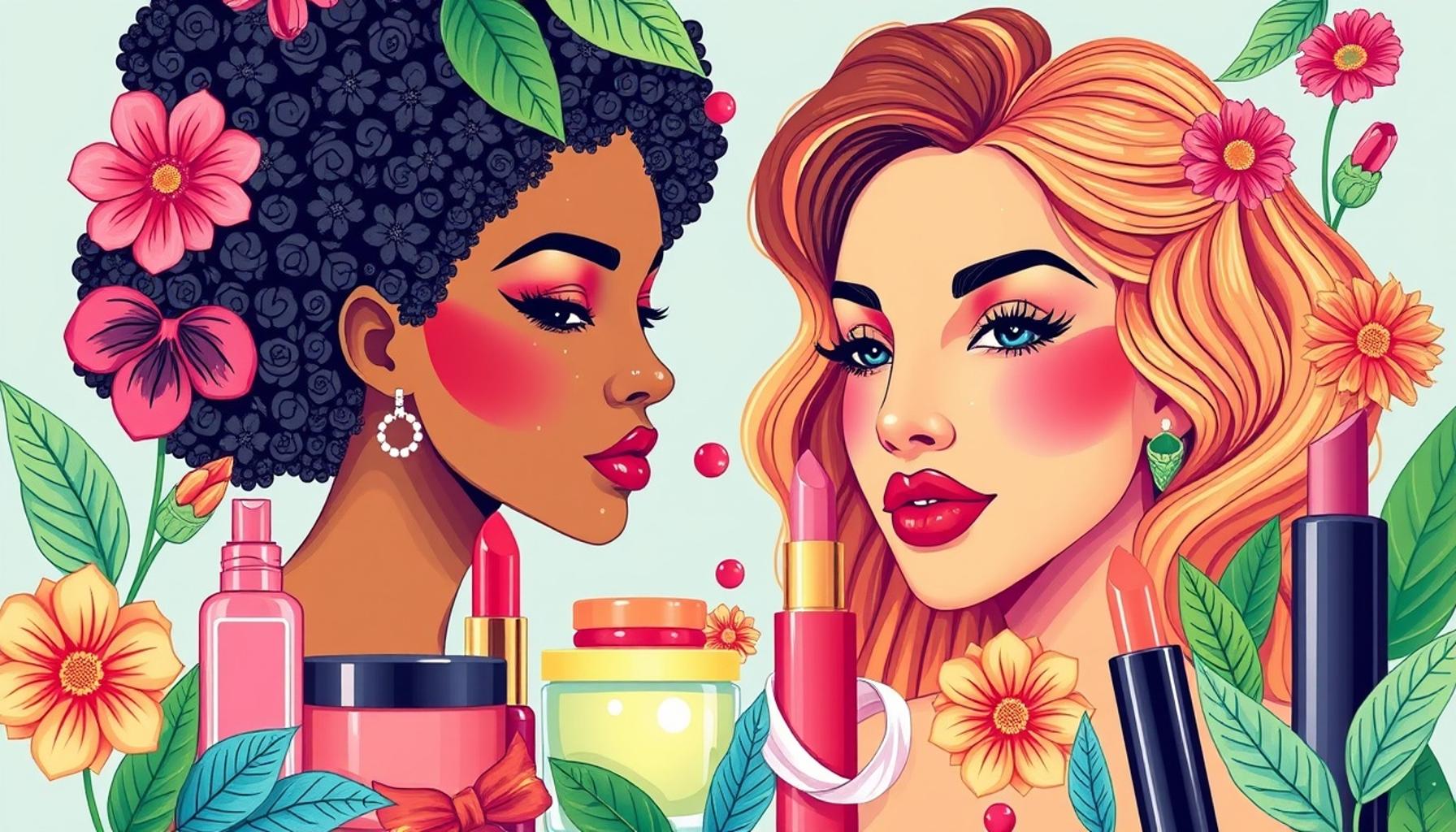
In an era where individual expression is increasingly valued, the cosmetics industry serves as a powerful vehicle for self-discovery and personal identity. The past few years have witnessed a transformative shift towards diversity and inclusivity within beauty brands, reflecting broader societal changes that embrace differences rather than conforming to a narrow definition of beauty.
Representation Matters
One notable change is the commitment of many beauty brands to cater to a spectrum of skin tones and types. Historically, the market was dominated by products for a limited range of skin shades, often leaving many consumers feeling overlooked. However, brands like Fenty Beauty, launched by Rihanna, have revolutionized this landscape by offering over 50 shades of foundation, making it clear that beauty is not a one-size-fits-all concept. This kind of representation is crucial; it not only acknowledges the diverse makeup of the population but also validates individual experiences with skin color—something that has long been ignored in traditional beauty norms.
Accessibility for All
Another key aspect is the accessibility of beauty products across various price points. In the past, high-quality cosmetics often came with a hefty price tag, creating barriers for many consumers. However, brands such as e.l.f. Cosmetics and ColourPop have emerged as affordable options, offering high-quality products within reach of budget-conscious buyers. These brands exemplify how the beauty industry can democratize access, encouraging everyone to express themselves without financial constraints.
Campaigns That Reflect Society
The evolution of beauty is also vividly depicted through marketing campaigns that showcase diverse models. Advertisements now feature individuals of varying ethnic backgrounds, ages, and body types. For example, Aerie has garnered praise for its “Aerie Real” campaign, which promotes body positivity by using unretouched images of models of all shapes and sizes. Such moves foster a culture of acceptance and challenge conventional beauty standards, illustrating that beauty can take many forms.
Embracing a New Era of Beauty
The shift towards inclusivity in the cosmetics world not only appeals to a more extensive and varied customer base but also promotes a cultural environment where all forms of beauty are celebrated. By championing diversity, the industry is not merely selling products; it is encouraging societal change. This phenomenon invites consumers to challenge their own perceptions of beauty and embrace their identities wholeheartedly.
As we delve deeper into the ways cosmetics reflect and promote this vibrant tapestry of diversity, we begin to see a clearer picture of our changing world. The brands paving the way are not just setting trends; they are redefining societal norms and instilling confidence in countless individuals. This celebration of beauty in all its forms is not just a trend; it is essential for fostering an inclusive society.
Join us in exploring the trailblazing brands and inspiring messages at the forefront of this transformative shift. Together, we can celebrate the multifaceted beauty around us and recognize the importance of representation in shaping a more accepting world.
DIVE DEEPER: Click here to uncover the latest science
The Intersection of Culture and Cosmetics
As the cosmetics industry forges ahead, it increasingly acknowledges the essential relationship between culture and beauty, embracing the notion that beauty is multifaceted and deeply rooted in individual and community identities. The diversity evident in cosmetic brands today not only highlights different skin tones but also reflects a broader array of cultural backgrounds and traditions. This evolution has sparked a reimagining of what beauty means in contemporary society.
Global Influence on Beauty Standards
With the rise of globalization, beauty standards have transcended geographic boundaries. Products inspired by various cultures have found a place on shelves across America, allowing consumers to explore and incorporate beauty practices from around the world. For instance, the popularity of K-beauty (Korean beauty) products has inundated the market, bringing with it innovative skincare techniques and beauty philosophies that prioritize health and hydration. Brands like Missha and Laneige have successfully captured the attention of U.S. consumers, encouraging a shift toward a more holistic and inclusive approach to beauty.
This integration of international beauty trends not only broadens consumer choice but also champions the concept that beauty can draw from a myriad of inspirations. At its core, this movement signals a growing recognition that beauty does not belong to one ethnicity or culture but is a vibrant tapestry woven from diverse threads.
Inclusivity in Product Development
The influence of diversity reaches deeper into the developmental processes of cosmetic lines. Innovative companies are now actively seeking input from multicultural consumers, ensuring that products resonate with audiences from different backgrounds. For instance, brands like Juvia’s Place, inspired by African beauty and culture, have made bold pigments and rich formulas that celebrate the beauty of darker skin tones. By enhancing product line representation, companies acknowledge the vast spectrum of beauty and strive to meet the needs of a diverse clientele.
Real Beauty for Real People
Beyond cosmetic innovation, brands are also shifting their focus to include real people in their promotional efforts. Campaigns featuring everyday individuals, rather than just professional models, emphasize authenticity and relatability. This movement encourages a genuine representation of beauty that resonates with a broader audience. For example, CoverGirl’s “I Am What I Make Up” campaign showcases the stories of various individuals, highlighting the power of cosmetics as a means of personal expression. This representation allows consumers to see themselves reflected in the images, making beauty feel more accessible and attainable.
Challenges and Opportunities
Despite the significant progress made in creating a more inclusive cosmetics industry, challenges still persist. Brands must navigate the nuances of cultural appropriation, ensuring that they honor, rather than exploit, the traditions that inspire them. Transparency in sourcing and authenticity in representation will be crucial as companies continue to engage diverse consumer bases.
In conclusion, the evolving landscape of cosmetics presents a remarkable opportunity to redefine beauty standards. By embracing cultural diversity, addressing specific consumer needs, and advocating for authentic representation, the cosmetics industry has the potential to foster greater acceptance and appreciation for beauty in all its forms. The journey toward true inclusivity is ongoing, but the momentum is promising, inviting consumers to explore and celebrate their unique identities through the transformative power of cosmetics.
| Diversity in Product Range | Inclusivity and Representation |
|---|---|
| Wide Variety of Shades | Brands are now offering an extensive range of skin tones in their foundations, allowing everyone to find their perfect match. |
| Tailored Products | Custom formulations based on distinct skin types and tones promote beauty for various ethnicities and cultures, enhancing individuality. |
The landscape of cosmetics is evolving, recognizing the fundamental necessity for diversity in beauty products. As brands expand their offerings, they acknowledge that beauty is not a one-size-fits-all experience. This realization has ignited a revolution, prompting many businesses to diversify their palettes and product formulations. One notable trend is the increase in companies providing widespread selection of foundation shades, catering to the unique skin tones across different demographics. This not only embraces inclusivity but also encourages individuals to feel represented in the products they use.Moreover, several brands focus on producing tailored products customized for an array of skin types, addressing specific concerns like dryness, oiliness, or sensitivity. Such an approach fosters a sense of belonging and encourages consumers from all backgrounds to engage with cosmetics confidently. The power of representation in marketing campaigns cannot be understated; it plays a crucial role in shaping perceptions of beauty and challenging traditional beauty standards. As companies embrace diverse imagery, they pave the way for future generations to see beauty in all its forms. With cosmetics that resonate with personal identities and experiences, exploration and celebration of diversity in beauty have never been more accessible. The dynamic relationship between cosmetics and diversity is an ongoing journey, marked by innovation, creativity, and a collective push towards a more inclusive future.
LEARN MORE: Click here to discover the best anti-aging supplements for your skin
The Role of Social Media in Promoting Diversity
In today’s digital age, social media has emerged as a powerful platform for reshaping conversations around beauty and diversity. Platforms like Instagram, TikTok, and YouTube have become essential tools for beauty influencers and consumers alike to showcase diverse beauty standards and practices. The rise of beauty hashtags, such as #MelaninMagic and #BeautyInAllShapes, has fostered online communities that celebrate uniqueness and encourage self-expression, empowering individuals to embrace their distinctive features.
Influencers as Catalysts for Change
Beauty influencers from varied backgrounds play a pivotal role in this revolution, often leveraging their platforms to share personal stories and experiences that resonate with a wide audience. Their content not only showcases diverse products but also emphasizes personal narratives that underline the beauty of individuality. For instance, influencers like Jackie Aina and Nabela Noor use their platforms to discuss the intricacies of beauty as influenced by ethnicity, culture, and personal experiences, prompting dialogues that might otherwise remain untouched.
According to a study by the Global Web Index, over 70% of beauty consumers in the United States actively seek brands that promote inclusivity online. This statistic underscores the demand for brands to engage with the community transparently and authentically. With influencer marketing on the rise, brands have begun to recognize that partnering with diverse voices can significantly enhance their credibility and connection with consumers.
The Challenge of Representation
Although social media has democratized beauty representation, it is not devoid of challenges. The pressure to present a curated and polished aesthetic often results in the exclusion of authentic representation in favor of conventional beauty ideals. Brands face the ongoing challenge of ensuring their messages of diversity do not become mere performative gestures; instead, they must strive for meaningful engagement that translates to their product offerings and marketing strategies.
Furthermore, the potential for backlash looms large over brands that fail to authentically embrace diversity. Instances of tone-deaf marketing campaigns have sparked controversy, leading consumers to call for accountability and genuine representation. The social media landscape has proven to be an effective forum for holding brands accountable, pushing them to rethink their narratives around beauty and diversity.
Future Trends in Diverse Beauty
The future of cosmetics is poised for even greater shifts in diversity representation, with advancements in technology paving the way for personalized beauty experiences. Augmented reality (AR) applications allow consumers to virtually try on shades before purchasing, making it easier for individuals to find products that suit their unique skin tones. Brands are also exploring AI-driven analytics to better understand and engage with diverse consumer bases.
The push for sustainability within the cosmetics industry reflects a broader effort towards inclusivity. As environmentally conscious consumers seek products that align with their values, brands are innovating to create lines that cater to diverse skin types while also being eco-friendly. This holistic approach positions brands to resonate with a larger audience, further promoting the concept that beauty is as diverse as the individuals who pursue it.
As the industry evolves, embracing diversity will not only serve as a market differentiator but also as a reflection of the changing societal values surrounding beauty. With social media continuing to amplify diverse voices, the cosmetics industry stands at a crossroads, presenting unprecedented opportunities to cultivate authentic beauty narratives that celebrate the array of identities present in our world today.
DISCOVER MORE: Click here to learn how climate affects your skin
Conclusion
As we’ve explored, the relationship between cosmetics and diversity is not only transformative but essential in defining modern beauty standards. Cosmetics have evolved from being mere tools for enhancement to pivotal avenues for self-expression and cultural representation. The rise of social media has played a crucial role in this evolution, enabling individuals to share their unique beauty experiences and fostering communities that celebrate diversity. Furthermore, beauty influencers from diverse backgrounds have been instrumental in altering perceptions and advocating for representation, showing that beauty manifests in myriad forms.
However, as brands strive for inclusivity, they must navigate the fine line between genuine representation and performative gestures. Authentic engagement is paramount as consumers increasingly demand accountability and thoughtful representation from businesses. Future trends, including augmented reality technologies and a focus on sustainability, indicate that the journey towards inclusivity in cosmetics is far from over. These advancements promise to enhance personalized experiences while catering to diverse skin types.
In essence, the cosmetics industry stands at a pivotal juncture, where embracing diversity will not only resonate with consumers but also reflect evolving societal values surrounding beauty. As conversations surrounding beauty in all its forms gain momentum, it becomes imperative for brands and individuals alike to celebrate uniqueness and authenticity. This ongoing dialogue calls for a commitment to inclusivity that honors every identity, ensuring that beauty truly knows no bounds.
Related posts:
The Evolution of Natural Ingredients in Cosmetics: Trends and Benefits
The Importance of Transparent Labeling in Cosmetic Products: What Consumers Need to Know
Sustainable Beauty: How Cosmetic Brands Are Adopting Ecological Practices
The Psychology of Colors in Makeup Products: How to Choose the Right Shade
The Influence of Social Media on Cosmetic Product Purchase Decisions: Trends and Consumer Behaviors
The Influence of Social Media on Cosmetic Trends: How Digital Marketing is Transforming the Industry

Beatriz Johnson is a seasoned skincare specialist and writer with a passion for simplifying the complexities of beauty science and skincare routines. With over a decade of experience in the aesthetics industry, she specializes in topics like ingredient efficacy, anti-aging strategies, and global beauty trends. Through her work, Beatriz empowers readers to make informed skincare choices and stay ahead in the ever-evolving world of beauty and wellness.