How Diet Affects Your Skin Type: Foods for Glowing Skin
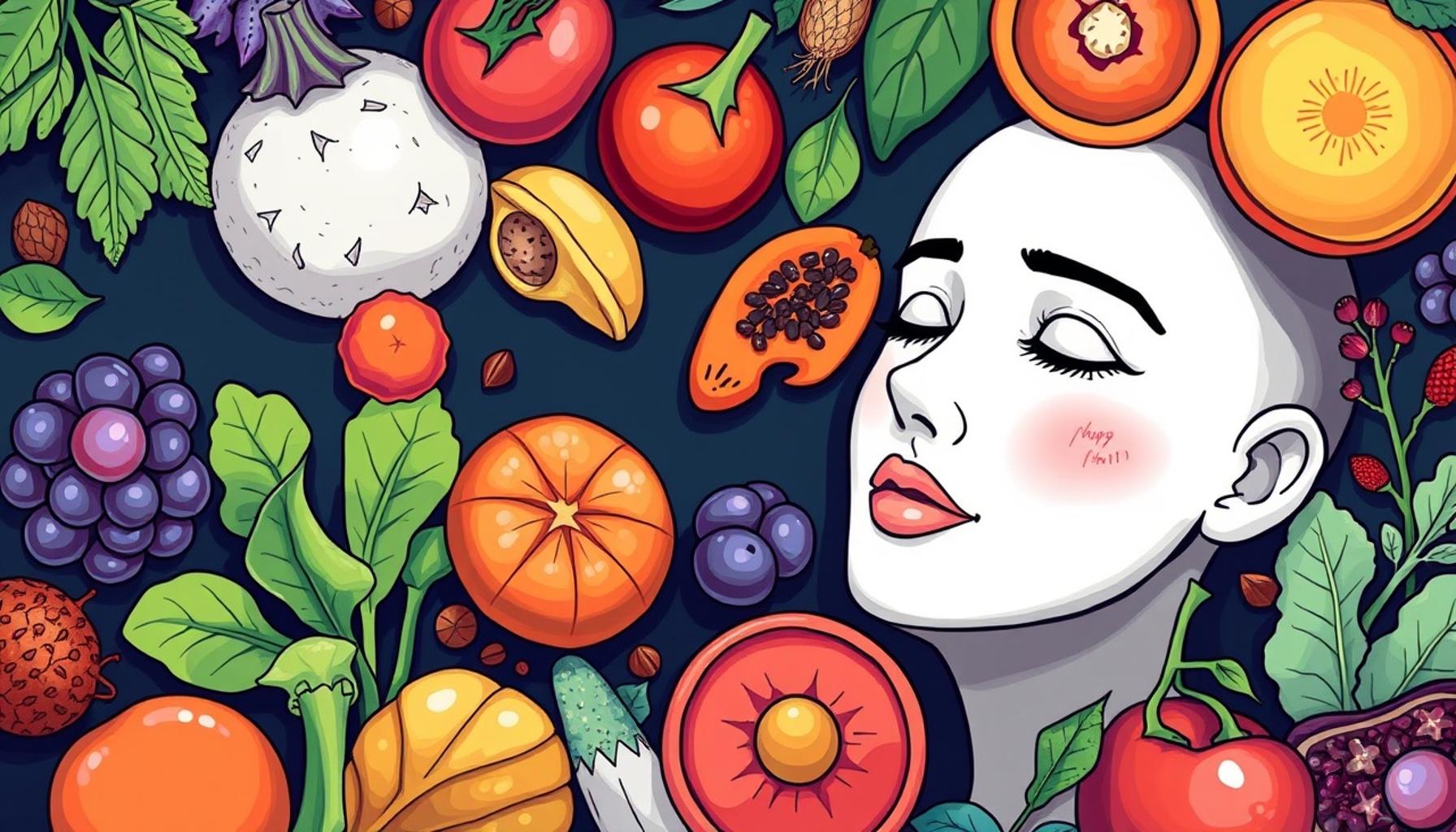
Unlocking the Secret to Radiant Skin
Your skin is a reflection of your overall health, and surprisingly, diet plays a crucial role in determining your skin type and appearance. Various foods can either enhance your glow or contribute to dullness and blemishes. By understanding the connection between your meals and your complexion, you can make informed choices to achieve healthy, radiant skin.
Key Factors in Diet and Skin Health
Several components of your diet can significantly impact skin conditions. For instance:
- Antioxidants: These powerful compounds are found abundantly in fruits and vegetables, such as blueberries, spinach, and carrots. They help combat oxidative stress, which can lead to premature aging and skin damage.
- Healthy Fats: Foods rich in Omega-3 and Omega-6 fatty acids, such as salmon, walnuts, and flaxseeds, play a vital role in improving skin hydration and elasticity. Including these fats can help keep your skin plump and vibrant.
- Vitamins: Vitamins A, C, and E are essential for maintaining skin vitality. For example, vitamin C, abundantly found in citrus fruits and bell peppers, aids in collagen production, whereas vitamin E, present in almonds and avocados, helps protect the skin from UV damage.
Another crucial aspect is hydration, as the balance of fluid intake versus dehydration shapes your skin’s barrier function. Consuming water-rich foods such as cucumbers, oranges, and celery, along with maintaining an adequate fluid intake, can minimize dryness and irritation, leading to a more supple complexion.
What to Include in Your Diet
To promote glowing skin, consider incorporating:
- Leafy Greens: Varieties like kale and collard greens are loaded with vitamins and minerals that nourish your skin.
- Fatty Fish: Salmon and mackerel are particularly beneficial due to their high Omega-3 content, which helps reduce inflammation and keeps your skin moisturized.
- Nuts and Seeds: Snack on almonds and chia seeds, both of which provide healthy fats and antioxidants that support skin health.
- Fruits like Berries and Citrus: Berries (strawberries, blueberries) are rich in antioxidants, while citrus fruits (oranges, grapefruits) offer vitamin C, essential for maintaining a bright complexion.
By choosing the right foods, you can nourish your skin from the inside out. This article will delve deeper into how diet affects your skin type and highlight specific foods that contribute to a glowing complexion. Monitoring not only what you eat but also how it transforms your skin can lead to a more vibrant and confident you. Don’t hesitate to explore recipes that combine these nutrient-rich ingredients for delicious meals that also benefit your skin.
LEARN MORE: Click here to discover the link between hormones and your skin type
The Impact of Nutrition on Your Skin’s Health
Understanding how your diet affects your skin type can be pivotal in your quest for a radiant complexion. Numerous studies suggest that what you eat doesn’t just influence your physical well-being but also directly affects your skin’s appearance. So, how can you leverage this knowledge to promote healthy, glowing skin?
Building Blocks for Skin Vitality
Certain nutrients are particularly beneficial for maintaining skin health and appearance. Here are some essential components to consider:
- Hydration: The foundation of healthy skin starts with hydration. When your skin is hydrated, it appears luminous and plump. Drinking sufficient water daily and consuming water-rich foods like watermelon, cucumbers, and lettuce can make a noticeable difference.
- Antioxidants: Foods rich in antioxidants such as green tea, nuts, and dark chocolate protect your skin from free radicals, molecules that contribute to skin aging and damage. Antioxidants help in neutralizing these harmful compounds, promoting a youthful glow.
- Protein: Proteins are vital for skin repair and regeneration. Incorporating lean proteins like chicken, turkey, and legumes into your diet can lead to healthier skin over time. Collagen-rich foods such as bone broth can also be particularly beneficial.
- Gut Health: The gut-skin connection is gaining recognition in the health community. Probiotics found in foods like yogurt, kefir, and sauerkraut help maintain a healthy gut microbiome, which can lead to an improvement in skin conditions such as acne and eczema.
Furthermore, eliminating processed foods high in sugar, refined carbohydrates, and unhealthy fats can have a significant impact on your skin’s clarity. These foods are often linked to increased inflammation, which can exacerbate skin issues like breakouts and dullness.
Specific Foods That Promote Glowing Skin
Including specific foods in your diet can enhance your skin’s appearance remarkably. Here are several foods that can lead to that much-coveted glow:
- Avocado: Rich in healthy monounsaturated fats and vitamins E and C, avocados nourish the skin and promote elasticity.
- Sweet Potatoes: These are packed with beta-carotene, which converts to vitamin A in the body, helping to maintain skin integrity and protect against sun damage.
- Tomatoes: Loaded with lycopene, a powerful antioxidant, tomatoes can help reduce redness and protect your skin against UV rays.
- Dark Leafy Greens: Spinach, Swiss chard, and collard greens are excellent sources of vitamins, minerals, and fiber, which play a critical role in skin health.
By making intentional choices about the foods you consume, you can influence how your skin appears and feels. In the next sections, we will further explore the intricate relationship between diet and specific skin types, equipping you with the knowledge to maintain and enhance your skin’s natural beauty.
Exploring Skin Types and Dietary Influences
Understanding how your diet interacts with your skin type is essential for achieving that coveted glow. Our skin reflects not only our genetic makeup but also our lifestyle choices, especially the food we consume. Each skin type—dry, oily, combination, and sensitive—has unique nutritional needs that can be supported by specific foods for glowing skin.
Hydration and Skin Health
One of the most critical aspects of skincare is hydration. Foods with high water content, such as cucumbers, watermelon, and oranges, play an incredible role in maintaining skin moisture. A well-hydrated body helps to keep skin plump and reduces the appearance of fine lines and dryness. For those struggling with dryness, incorporating fatty fish like salmon, rich in omega-3 fatty acids, can enhance skin barrier function and retain moisture effectively.
The Impact of Antioxidants
Antioxidants are another vital component in the quest for radiant skin. These nutrients combat free radicals which contribute to skin aging and dullness. Foods high in antioxidants include berries, dark chocolate, and green tea. For instance, blueberries are not only delicious but loaded with powerful antioxidants topped with vitamins that can help to protect the skin and enhance its natural glow. Such nutrient-dense foods can contribute to a brighter complexion and prevent skin damage over time.
Foods to Avoid
While it’s essential to identify foods that can boost your skin’s health, it is equally important to recognize those that can detract from it. Processed sugars and trans fats can lead to inflammation, often exacerbating conditions like acne and eczema. By moderating the intake of these elements and focusing on a balanced diet rich in whole foods, you pave the way for clearer, healthier skin.
The Role of Vitamins and Minerals
Vitamins A, C, and E have profound effects on skin health. Carrots, sweet potatoes, and spinach are excellent sources of Vitamin A, critical for skin repair and regeneration. Vitamin C helps in collagen production, and citrus fruits serve as a great addition to any skin-friendly diet. Lastly, Vitamin E found in nuts and seeds can act as a natural moisturizer, preventing skin damage while working synergistically with other vitamins.By exploring these dietary options and understanding their unique benefits, you can tailor your eating habits to match your skin type. As you start implementing these food strategies, you’ll likely notice significant improvements in your skin’s health and appearance, leading to that radiant glow we all seek.
| Skin Type | Ideal Foods |
|---|---|
| Dry Skin | Salmon, Avocados, Nuts |
| Oily Skin | Vegetables, Whole Grains, Berries |
| Combination Skin | Lean Proteins, Fruits, Healthy Fats |
| Sensitive Skin | Green Tea, Spinach, Sweet Potatoes |
The interplay between diet and skin type is undeniably significant. By aligning your nutrition with your unique skin needs, you’ll be well on your way to achieving a vibrant and healthy complexion.
DISCOVER MORE: Click here for expert insights
Mapping Your Skin Type to Nutrition
Understanding how diet affects your skin is not just about incorporating more fruits and vegetables; it also involves tailoring your nutrition to your specific skin type. Each skin type—whether oily, dry, combination, or sensitive—has distinct needs and can benefit from certain dietary adjustments. Let’s delve into how you can align your eating habits with your skin requirements for that coveted glow.
Nutrition for Oily Skin
Oily skin is often accompanied by enlarged pores and acne breakouts. While it might be tempting to eliminate all fats, incorporating healthy fats can actually aid your skin’s health. Opt for foods rich in omega-3 fatty acids, such as fatty fish (like salmon and mackerel) and flaxseeds, which help reduce inflammation and balance oil production. Additionally, zinc-rich foods such as pumpkin seeds, chickpeas, and spinach can regulate sebum production and contribute to clearer skin.
Nourishment for Dry Skin
If you have dry skin, it’s essential to nourish it from within. Prioritizing healthy fats is crucial, as they help retain moisture. Include foods like avocados, nuts, and olive oil in your diet, which are high in vitamins E and C—powerful antioxidants that support skin hydration and repair processes. Additionally, fruits such as berries and oranges, rich in vitamin C, can help improve skin texture and boost collagen production.
Feeding Combination Skin
Combination skin can be tricky to manage, but a balanced diet can help keep both oily and dry areas in check. Focus on a variety of whole foods, ensuring you get the full spectrum of vitamins and minerals. Foods rich in vitamin A., like sweet potatoes and carrots, are particularly beneficial for promoting even skin tone, while incorporating fermented foods like kimchi and yogurt supports gut health, potentially balancing out any skin issues.
Soothing Sensitive Skin
For those with sensitive skin, the emphasis should be on anti-inflammatory foods. Blueberries, green tea, and turmeric are excellent additions to combat inflammation and redness. Omega-3 fatty acids are also particularly important, as they help strengthen the skin barrier. Moreover, avoiding artificial additives and sugar-laden products is advised, as these may trigger flare-ups. Instead, consider foods with high fiber content, like whole grains and legumes, which can improve overall skin health by supporting a stable blood sugar level.
The Power of Specific Nutrients
Beyond focusing solely on different skin types, consider intensively incorporating biotin into your diet, an essential B-vitamin known for its skin, hair, and nail benefits. Foods rich in biotin include eggs, almonds, and spinach. Another vital nutrient is vitamin D, often referred to as the “sunshine vitamin.” It can reduce skin inflammation and improve conditions like eczema and psoriasis. You can obtain vitamin D from fortified dairy products, fatty fish, and even sunlight.
By adjusting your dietary choices to meet your skin’s unique needs, you’re not only providing your skin with internal nourishment but also cultivating an environment that encourages vibrant, healthy skin. In the following sections, we will further explore how specific diets, such as the Mediterranean or plant-based diets, can uniquely enhance your skin’s appearance and overall health.
DISCOVER MORE: Click here to learn how to identify your skin type!
Conclusion: Nourish Your Skin from Within
In conclusion, your diet plays a pivotal role in shaping not only your overall health but also the condition of your skin. By understanding how diet affects your skin type, you can tailor your nutritional choices to cultivate a radiant, glowing complexion. Each skin type has its unique requirements; whether it’s employing omega-3 fatty acids for oily skin, incorporating hydrating healthy fats for dryness, or balancing nutrient-rich foods for combination skin, the key is personalization.
Moreover, the importance of certain nutrients cannot be overstated. Biotin and vitamin D emerge as essential allies in promoting skin vitality, while antioxidants from fruits and vegetables work wonders in protecting against oxidative stress. Emphasizing a diet rich in these beneficial elements supports your skin’s inherent ability to heal and thrive.
As you embark on this journey to glowing skin, consider exploring specific dietary patterns such as the Mediterranean or plant-based diets that have shown promising results in enhancing skin health. Remember, it’s not just about the food on your plate; it’s about creating lasting habits that will benefit your skin in the long run. Ultimately, by aligning your dietary choices with your skin’s needs, you’re investing in not just your appearance, but your overall well-being.
So, the next time you ponder what to eat, think beyond the meal and envision the vibrant, healthy skin you desire. Go ahead—nourish your body from the inside out to reveal your best skin yet.
Related posts:
Identifying Skin Types Through DIY Tests: A Practical Approach
Seasonal Skin Changes: How to Adjust Your Skincare Routine
Specific Care for Each Skin Type: Tips and Products
Changes in Skin Type Throughout Life: What to Expect and How to Adapt Your Routine
How to Identify Your Skin Type: A Practical Guide
The Influence of Aging on Skin Types: Adapting Your Skincare for Every Decade

Beatriz Johnson is a seasoned skincare specialist and writer with a passion for simplifying the complexities of beauty science and skincare routines. With over a decade of experience in the aesthetics industry, she specializes in topics like ingredient efficacy, anti-aging strategies, and global beauty trends. Through her work, Beatriz empowers readers to make informed skincare choices and stay ahead in the ever-evolving world of beauty and wellness.