Herbs and Spices: How to Incorporate Natural Remedies into Your Skincare Routine
Unlocking Nature’s Secrets for Radiant Skin
In a world increasingly dominated by synthetic products, a return to nature is gaining traction. Herbs and spices have long been hailed for their culinary prowess, but their extraordinary benefits for skin health are now coming to light.
These natural remedies can transform your skincare routine, offering a treasure trove of nourishing properties. Consider the following standout ingredients:
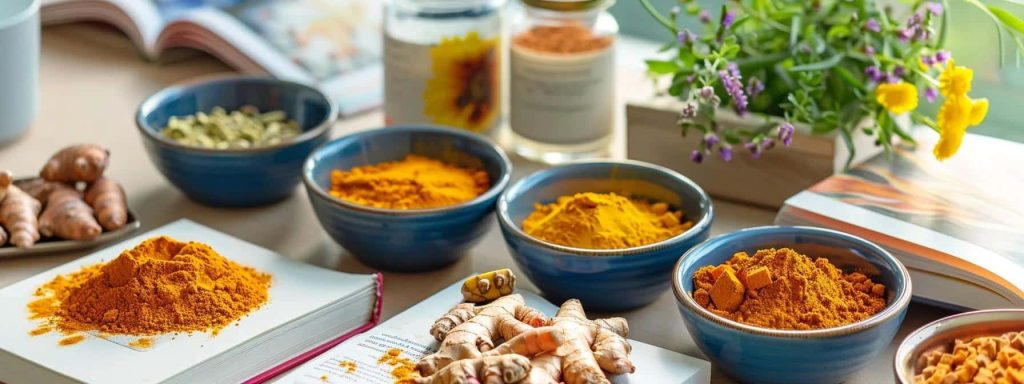
- Turmeric: Known for its anti-inflammatory properties, it helps combat acne and reduce redness. The active compound curcumin in turmeric has been supported by studies as a potent agent to soothe skin irritations and may promote wound healing.
- Rosemary: Rich in antioxidants, it promotes circulation and gives skin a youthful glow. This herb is often used in herbal infusions and oils, which can help improve the skin’s texture and combat signs of aging.
- Lavender: Renowned for its soothing scent, it can also reduce irritation and promote relaxation. Lavender oil is popular in aromatherapy, but it also serves as a natural antiseptic that can help heal minor cuts and burns.
By incorporating these natural remedies into your daily regimen, you not only enhance your skin’s appearance but also embrace a holistic approach to beauty. For instance, turmeric can be mixed with yogurt to create a face mask that brightens the skin and evens out skin tone. Similarly, a rosemary-infused oil can be used as a moisturizer, leaving your skin feeling revitalized and firm.
As the demand for clean beauty products surges, the question arises: How can you effectively integrate these powerful botanicals into your own skincare routine? Begin with small steps, such as replacing synthetic creams with homemade balms or scrubs that feature these herbs and spices.
Another exciting avenue is to explore DIY skincare recipes that utilize these ingredients. For instance, a lavender-infused chamomile tea rinse can soothe inflamed skin while offering a fragrant finish. Meanwhile, creating a rosemary and peppermint body scrub can invigorate your senses and smooth your skin.
Join us as we delve deeper into various methods, recipes, and tips to harness the benefits of herbs and spices. Learn about the science behind these ingredients and how their application can make a remarkable difference. Discover how small changes can lead to stunning results in your skincare game, propelling you towards achieving the radiant skin that nature intended.
DIVE DEEPER: Click here to learn about the importance of skin preparation
Harnessing Nature’s Power: Practical Applications
In the realm of skincare, the wisdom passed down through generations about herbs and spices unlocks a treasure trove of benefits that extend far beyond their culinary uses. Many of these natural ingredients are rich in bioactive compounds that can hydrate, soothe, and rejuvenate your skin, effectively allowing you to address various skin concerns while nurturing your body with nature’s offerings. Understanding how to leverage these resources in your daily routine can lead to a more radiant and resilient complexion.
To effectively embrace the power of herbs and spices in your skincare regimen, it’s crucial to familiarize yourself with a variety of methods to incorporate them seamlessly. Here’s an in-depth look:
- Facial Masks: Craft restorative masks using potent herbs like turmeric, known for its ability to brighten skin and fade dark spots, and micronized lavender, which not only calms irritations but also provides a delightful aroma. For added moisture, combine these powders with honey, which is a natural humectant, or yogurt, known for its soothing probiotic properties. Using this mask regularly can contribute to a clearer and more luminous complexion, while enjoying a sensory experience reminiscent of a spa day at home.
- Infused Oils: Delve into the art of creating herbal-infused oils, utilizing base oils like jojoba, which closely resembles the skin’s natural sebum. By gently heating the carrier oil with fresh or dried herbs such as rosemary, you achieve a nutrient-rich elixir that can be used as both a daily moisturizer and a rejuvenating massage oil. Rosemary, in particular, is celebrated for its ability to stimulate blood circulation, promoting a lively and fresh appearance on the skin.
- Herbal Scrubs: Elevate your exfoliation routine by integrating ground spices such as cinnamon and nutmeg into sugar or salt scrubs. These spices are not only effective at sloughing away dead skin cells but also provide desirable anti-inflammatory benefits that help maintain a clear complexion. To maximize the nourishing effects, mix with coconut oil, renowned for its emollient properties, to create a scrub that leaves your skin feeling soft and rejuvenated.
Moreover, understanding the specific nutritional and medicinal qualities of these botanicals can greatly inform your approach. For example, turmeric contains curcumin, an active component celebrated for its antioxidant and anti-inflammatory effects. Regularly integrating turmeric into your diet—whether through teas or as part of a topical application—can bolster your skin’s defenses against environmental aggressors, such as pollution and UV radiation.
The aromatic benefits of lavender also cannot be overstated. Its calming scent is widely believed to promote relaxation and alleviate stress, making it an invaluable addition to your nighttime skincare routine. This soothing element transforms a simple skincare ritual into a mindful practice, encouraging self-care as a form of wellness.
While these herbs and spices offer significant advantages, it is important to conduct a patch test before fully integrating new formulations into your routine, especially if you have sensitive skin. Monitoring for irritation or allergic reactions is crucial, as responses can vary from person to person.
As you begin exploring the potential of natural remedies for your skincare, consider visiting local farmers’ markets or herbal shops where you can source fresh, high-quality ingredients. These venues are often teeming with knowledgeable vendors who can provide insights on the best practices for incorporating herbal ingredients into your beauty rituals. With patience and creativity, you can rediscover the joys and benefits of using these botanical wonders, forging a deeper connection with nature while achieving the radiant skin you aspire to.
| Herbs & Spices | Benefits & Applications |
|---|---|
| Turmeric | Known for its anti-inflammatory properties, turmeric can help brighten the skin and reduce redness. |
| Rosemary | This herb is rich in antioxidants, promoting skin elasticity and reducing the signs of aging. |
| Lavender | Lavender oil is highly regarded for its soothing effects, helping to calm insistent skin irritation and blemishes. |
| Aloe Vera Gel | Derived from a plant, it offers hydration and healing properties for a range of skin issues, including sunburn. |
Understanding how to utilize these natural ingredients can not only enhance your skincare routine but also promote a deeper connection to nature. Explore ways to incorporate them through masks, oils, or daily routines, ideally adjusting usage according to your skin type and its unique needs. With the right knowledge, the world of herbs and spices can transform your skincare expectations and elevate your experience. Discover more about how these natural remedies can contribute to a regimen that fosters both beauty and wellness.
DISCOVER MORE: Click here to learn about lifestyle impacts on skin aging
Exploring the Therapeutic Potential of Botanicals
In your journey to embrace natural skincare, delving deeper into the world of herbs and spices reveals a wealth of therapeutic potential. Beyond their delightful aromas and vivid colors, these powerful plants can provide an array of benefits tailored to various skin types and conditions. By understanding their unique properties, you can craft a personalized skincare experience that resonates with your individual needs and concerns.
One of the standout contenders in this category is aloe vera. This miraculous plant is renowned for its hydrating properties, making it a top choice for those struggling with dry or irritated skin. Formulating an aloe vera gel by extracting the juice from fresh leaves can create a refreshing and soothing base for your skincare products. Applying aloe vera post-sun exposure can also help to calm and heal the skin, reducing the risk of peeling and discomfort from sunburn. Incorporating this versatile ingredient offers immediate hydration while promoting long-term skin health.
Another herb gaining momentum in the skincare realm is chamomile. With its calming and anti-inflammatory properties, chamomile can be especially beneficial for sensitive skin prone to redness and irritation. Consider brewing a chamomile tea and cool it to use as a facial rinse, or infuse it into oils or creams for a soothing serum. The gentle nature of chamomile makes it suitable for all skin types, transforming your skincare routine into a sanctuary of comfort.
The Role of Antioxidants in Skincare
In the fight against aging and environmental damage, the antioxidant power of green tea warrants attention. Packed with polyphenols, green tea can help combat oxidative stress, which is linked to premature aging and skin damage. Creating a DIY toner with brewed green tea can enhance skin clarity and elasticity. Simply cool brewed green tea and apply it with a cotton pad to experience a refreshing and revitalizing boost. Incorporation of green tea into your regime not only aids in maintaining skin health but also serves as an effective base for adding other herbs to strengthen your formulations.
Crafting Herbal Infusions for Enhanced Benefits
Utilizing herbal infusions is another exciting method to tap into the expansive benefits of natural skincare. Calendula, for example, carries remarkable skin-healing properties, making it an ideal candidate for herbal oils and salves. Often used to alleviate minor abrasions or rashes, it serves as an essential remedy for healing inflamed or irritated skin. To craft a calendula-infused oil, steep dried calendula flowers in a carrier oil for several weeks and strain it. The result is a nurturing balm that promotes skin recovery while providing a wonderful texture for massage.
- Mint: Fresh mint leaves can invigorate and refresh your face. Infuse mint into your regular cleansing routine by creating a mint-infused facial spray; this can help clear pores and provide an energizing burst, especially during hot months.
- Neem: Known in Ayurvedic practices for its antibacterial and antifungal properties, neem can be combined with other herbs in face masks or topical treatments to combat acne and skin blemishes.
As you navigate the complexities of incorporating herbs and spices into your skincare routine, it’s important to remember that customization is key. Everyone’s skin reacts differently, so take the time to explore, experiment, and adapt recipes to suit what feels right for you. Many enthusiasts find that harnessing the properties of herbs and spices in daily rituals leads not just to skin improvements but also fosters a deeper connection to the natural elements around them.
To stay informed on the best practices and newly emerging trends related to using herbals in skincare, consider following reputable sources or community workshops. This ongoing education can help unveil additional secrets to radiant skin, indirectly enhancing your overall wellness through the adoption of herbal traditions.
DISCOVER MORE: Click here for insights on how pollution affects your skin
Embracing Nature for Radiant Skin
Incorporating herbs and spices into your skincare routine offers a refreshing, holistic approach to beauty that resonates with natural wisdom. As we’ve explored, various botanicals such as aloe vera, chamomile, and green tea not only provide therapeutic benefits but also empower individuals to personalize their skincare rituals. Whether it is through creating soothing gels, invigorating toners, or nourishing oils, the possibilities are virtually limitless. Each herb brings its unique characteristics, inviting experimentation and creativity in pursuit of healthier skin.
As you embark on this journey of discovery, it’s essential to keep in mind that customization is key. Understanding your unique skin type and concerns can lead to more effective formulations that enhance your natural beauty. Furthermore, the process often transforms mundane routines into moments of mindfulness and connection with the earth’s flora. Consider keeping a journal of your experiments to track what works best for your skin, enabling you to refine your routine further.
Lastly, engage with communities—whether online or local workshops—to expand your knowledge on new herbal practices. This quest not only holds the potential for radiant skin but also fosters a deeper appreciation for nature’s healing properties. By embracing the magic of herbs and spices, you create a skincare regimen that is both nourishing and enriching, contributing to your overall wellness. So, step into the enchanting world of natural remedies, and let your skin reflect the vitality around you.
Related posts:
Aromatherapy for the Skin: How to Use Essential Oils to Treat Skin Problems
Extraction of Essential Oils: Homemade Methods to Capture the Essence of Nature for Skin Care
The Benefits of Coconut Oil for Skin Hydration
Herbs and Spices: Natural Secrets to Combat Acne and Imperfections
Benefits of Aloe Vera: An Ancient Plant to Soothe and Nourish Sensitive Skin
Recipes for Natural Exfoliants with Ingredients from Your Kitchen

Beatriz Johnson is a seasoned skincare specialist and writer with a passion for simplifying the complexities of beauty science and skincare routines. With over a decade of experience in the aesthetics industry, she specializes in topics like ingredient efficacy, anti-aging strategies, and global beauty trends. Through her work, Beatriz empowers readers to make informed skincare choices and stay ahead in the ever-evolving world of beauty and wellness.