Efficient Space for Mindful Living: Integrating Nature and Minimalism in Your Home
The Rise of Mindful Living in Interior Design
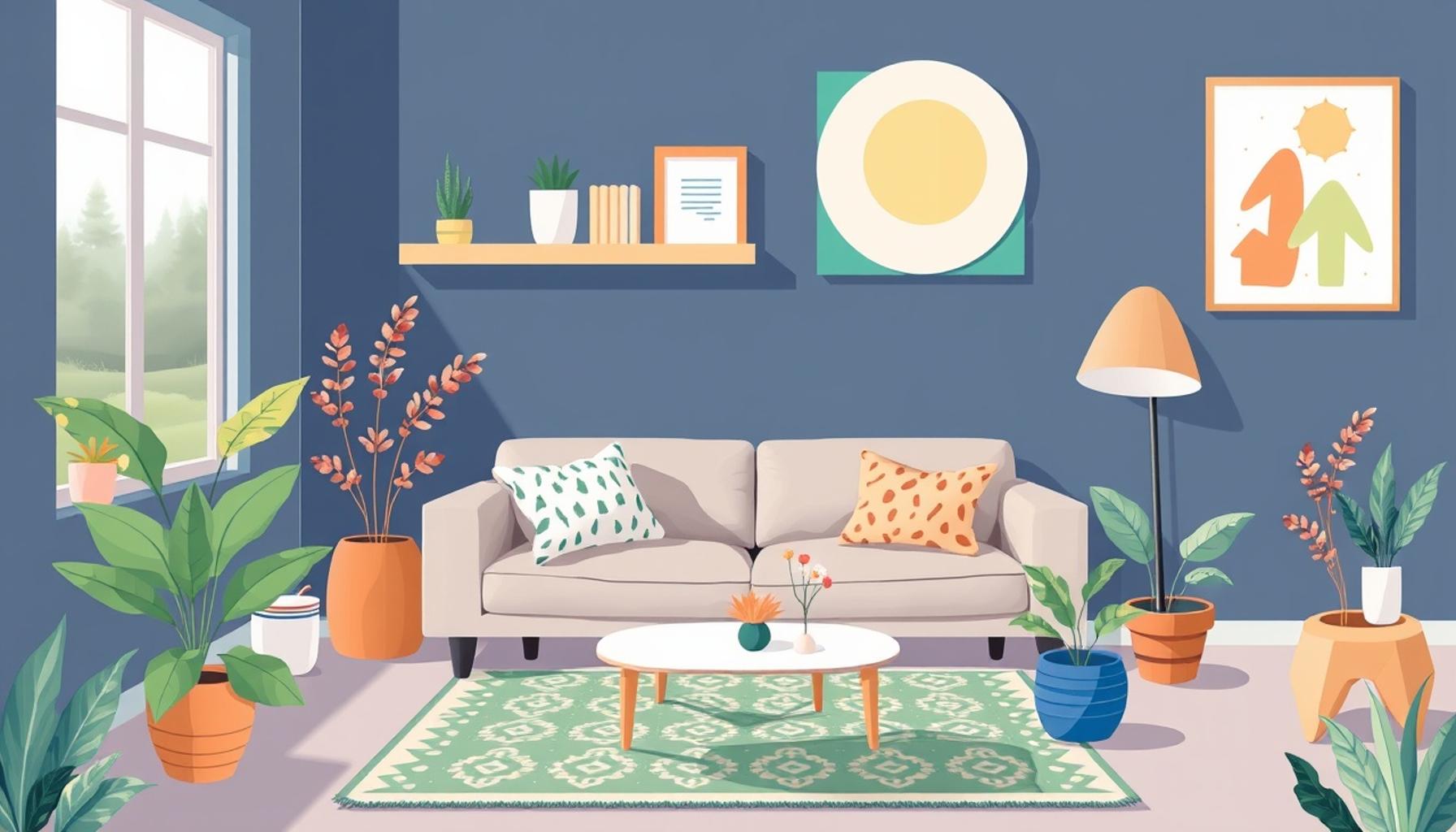
As the pace of life accelerates and the constant influx of information becomes overwhelming, many individuals yearn for tranquility in their lives. The push towards mindful living is not merely a trend; it is a necessary adaptation to restore balance and harmony within our environments. Homeowners are increasingly aiming to create personal sanctuaries that evoke a sense of calm, which has led to a significant increase in the popularity of both minimalism and the incorporation of nature into living spaces.
Picture a home that not only showcases your unique aesthetic but also actively contributes to your mental and emotional well-being. Incorporating various elements into your space can drastically change your daily experiences. Here are three vital components that enhance the balance of your home:
- Natural Light: Harnessing the power of natural light is critical. Studies have shown that access to sunlight can elevate mood, improve productivity, and even regulate sleep patterns. Consider installing larger windows, skylights, or strategically placing mirrors to amplify sunlight within your home.
- Indoor Plants: Bringing nature indoors has multi-faceted benefits. Not only do plants act as natural air purifiers, filtering toxins and improving air quality, but they also add aesthetic appeal and a touch of life to any room. From low-maintenance succulents to lush ferns, integrating greenery encourages a connection to nature that is often missing in urban settings.
- Decluttered Spaces: The minimalist philosophy advocates for a clutter-free environment, which is essential for fostering a sense of calmness. Embrace the philosophy of “less is more” by curating your possessions. A tidy, organized space can dramatically reduce stress and create an atmosphere conducive to relaxation and focus.
Implementing these fundamental elements can lead to significant transformations in both your home and your daily routines. Mindful living fosters practices like:
- Meditation and Relaxation: A serene space allows for moments of peace and introspection, creating a perfect setting for meditation or yoga.
- Focus on Creative Projects: An uncluttered environment encourages creativity, providing the mental clarity needed for artistic endeavors.
- Building Stronger Connections with Family: A warm and inviting space can promote togetherness, allowing family members to bond through shared activities in a calming environment.
The heart of mindful living is not simply about achieving a striking aesthetic; it revolves around developing a lifestyle that prioritizes psychological wellness. By harmonizing the principles of minimalism with the restorative qualities of nature, you can design a personal oasis that reflects a deeper commitment to a mindful, fulfilled life. As you delve into the world of mindful living, you may uncover new practices and philosophies that resonate with your values, leading to an even richer exploration of your home and lifestyle.
DIVE DEEPER: Click here to discover the minimalist design principles that can enhance your productivity
The Transformative Power of Natural Elements in Home Design
Incorporating elements of nature into your home environment not only enhances its visual appeal but also profoundly influences the atmosphere, enriching your overall sense of well-being and mindfulness. Extensive research has demonstrated that even subtle connections to the natural world can lead to reduced stress levels, enhanced relaxation, and improved clarity of thought. Consequently, a primary strategy for achieving mindful living involves the intentional use of natural components throughout your space.
To truly appreciate the impact of nature in our living environments, let’s explore several key elements that can transform your home into a tranquil retreat:
- Color Palettes: The colors we surround ourselves with can drastically alter the mood and energy of a room. Nature-inspired shades—think soft greens reminiscent of lush forests, gentle browns echoing the earthy tones of unsullied landscapes, and calming blues that reflect serene waters—can create a soothing environment. When selecting paint colors, textiles, or furniture, opt for tones that evoke the natural world. For instance, a soft sage green can bring a sense of calm and rejuvenation to a living room, making it a peaceful gathering space for family and friends.
- Natural Materials: The tactile experience of natural materials can enhance our connection to our surroundings. Incorporating elements such as reclaimed wood furniture, stone accents, or organic cotton textiles can bridge the gap between the indoor and outdoor worlds. These materials resonate with our intrinsic appreciation for nature, fostering a grounded aesthetic. For example, a rustic wooden coffee table can not only serve as a functional piece but also as a conversation starter about sustainability and craftsmanship.
- Water Features: There’s a universally calming effect associated with the sound of flowing water. Integrating an indoor water feature, like a tabletop fountain or even a small fish tank, can introduce gentle sounds that promote relaxation and aid in mindfulness practices. The soft ripple of water offers a backdrop that helps drown out distracting noises from outside, creating an ideal environment for meditation or quiet reflection.
Incorporating these natural elements into your living spaces enables you to craft an environment that nurtures not only physical comfort but also emotional well-being. The relationship between nature and minimalism serves a greater purpose: it encourages a lifestyle focused on mindfulness and intentionality. As you streamline your possessions, reflect on how these changes influence your emotional state. This process encourages thoughtful engagement with your surroundings and facilitates personal growth while aligning your living environment with your core values.
Moreover, the link between natural elements and minimalism extends beyond visual appeal. The purposeful act of decluttering—removing the superfluous to focus on what truly matters—can lead to greater clarity of thought. This clarity not only opens pathways for deeper self-exploration but also inspires design choices that authentically mirror your lifestyle. Embrace the opportunity to reshape your surroundings, blending the synergy of nature with a minimalistic approach to create your personal sanctuary, where every item serves a purpose and contributes to your well-being.
| Advantages | Reasons to Explore |
|---|---|
| Enhanced Well-being | Natural elements in your space encourage stress reduction and improve mental health. |
| Improved Focus | A minimalist environment promotes clear thinking and enhances productivity. |
| Environmental Harmony | Integrating nature into your home aligns with sustainable living practices. |
| Creative Freedom | Less clutter inspires artistic expression and personal style. |
Integrating nature and minimalism into your home fosters an environment conducive to mindful living. Utilizing natural materials such as wood and stone not only enhances aesthetics but also promotes a sense of peace. By embracing a minimalist approach, residents can significantly reduce visual distractions, allowing for deeper focus and clarity of thought. Moreover, incorporating plants into your space can purify the air, making it healthier for residents. The therapeutic effects of greenery help in establishing an emotional connection to the home, which is crucial for overall well-being. The concept aligns perfectly with the principles of sustainability, encouraging the use of eco-friendly materials. Creating an efficient space encourages creative freedom, providing an inspiring backdrop for self-expression and personal development. Through conscious design choices, homeowners can cultivate a sanctuary that reflects their values and lifestyle, ultimately leading to a more harmonious existence.
DISCOVER MORE: Click here for creative storage tips
Bringing the Outdoors In: Strategies for a Natural Home Oasis
Creating a harmonious balance between nature and minimalism in your living space demands intentionality. To transition from a conventional home environment to one that celebrates natural elements, consider exploring effective strategies that embody the principle of mindful living. These approaches promote not only aesthetic appeal and comfort but also an atmosphere conducive to mental clarity and stress relief.
Here are a few practical ways to instill nature into your home environment while aligning with minimalist principles:
- Indoor Plants: One of the most impactful ways to connect with nature is through indoor plants. Not only do they purify the air, but they also enhance the aesthetic appeal of any room. Popular choices like snake plants, pothos, and peace lilies are low-maintenance and adaptable, making them ideal for both seasoned plant lovers and novices. Research has shown that tending to plants can reduce stress and promote joy, fostering a deeper connection to your environment. Additionally, consider a curated selection of pots that match your chosen decor style, ensuring they complement rather than clutter your space.
- Large Windows and Natural Light: Maximizing natural light in your home is essential for promoting a sense of connectedness with the outdoors. Large windows not only provide breathtaking views of nature, but they also create an illusion of more space. If structural changes are possible, consider replacing solid walls with glass doors or expanding your window areas. If your home design presents limitations, strategically placing mirrors can help amplify natural light and reflection, effectively pulling nature into your interiors.
- Simple, Functional Furniture: Embrace minimalist furniture that embodies function and style while being crafted from natural materials. Instead of bulky couches or oversized chairs, select sleek silhouettes made from sustainable woods or eco-friendly fabrics. These pieces should be versatile and adaptable to the needs of your home, allowing you to create a tranquil atmosphere that invites relaxation. Opt for furniture that doubles as storage, further supporting your minimalist approach by precariously keeping clutter at bay.
Moreover, consider the role of scents in developing a serene living environment. Incorporating natural fragrances can heighten your connection to the outside world and invoke memories of serene outdoor experiences. Using essential oil diffusers with oils like cedarwood, lavender, or eucalyptus can significantly enhance your home’s ambiance. Additionally, opt for beeswax candles as an eco-friendly lighting alternative. The soft glow and natural scent create a peaceful atmosphere perfect for mindfulness practices.
Integrating mindfulness into your living space involves not only the selection of aesthetic elements but also the promotion of experiences that foster tranquility. Create areas within your home designed for mindfulness practices, such as meditation corners or reading nooks surrounded by natural light and greenery. By specifying these spaces to encourage quiet reflection or purposeful relaxation, you are honoring the philosophy of mindful living.
Finally, remember that the journey toward a serene home environment is uniquely personal. The ultimate goal is to build a living space whereby every element resonates with your values and emotions. As you explore the integration of nature and minimalism, remain open to adjustment and evolution—allowing your home to reflect your growth in mindfulness and intentional living.
DISCOVER MORE: Click here for innovative storage tips!
Conclusion: Cultivating Mindful Living Through Nature and Minimalism
In an age where urban environments often overwhelm us with chaos, the fusion of nature and minimalism offers a poignant escape within our homes. By consciously designing a living space that champions natural elements and efficient simplicity, we are not only enhancing our surroundings but actively fostering a lifestyle aligned with mindfulness. The practices discussed—from incorporating indoor plants to maximizing natural light—serve as gateways to tranquility and mental clarity.
As you embark on your journey to create an oasis of calm, remember that every step taken towards integrating nature into your home is a nurturing act for both your environment and your well-being. Embrace the simplicity of functional furnishings made from sustainable materials and curate spaces that invite pause and reflection. The subtle details, like scents from essential oils and the soft glow of beeswax candles, can elevate your overall experience, allowing you to connect more deeply with your surroundings.
Ultimately, the space you cultivate should resonate with your personal values and evolve alongside you. Recognizing that this journey is unique for everyone is vital, as the intersection of mindful living, nature, and minimalism should reflect your growth and aspirations. By doing so, your home will not merely be a structure but a sanctuary fostering peace, balance, and purpose amid life’s complexities. Continue exploring and experimenting with your space, knowing that every adjustment brings you closer to the serene lifestyle you seek.
Related posts:
Efficient Space Planning: Zoning Techniques for a Balanced Home
Eco-Friendly Minimalism: Creating Efficient Spaces with Sustainable Practices
Maximizing Small Spaces: Creative Storage Solutions for Minimalist Living
The Art of Decluttering: Creating an Efficient Space with Minimalism
Efficient Space Planning: The Role of Feng Shui in Minimalist Environments
Smart Storage Solutions: Innovative Ideas for Efficient Minimalist Spaces

Beatriz Johnson is a seasoned minimalist and writer with a passion for simplifying the complexities of personal organization and decluttering. With over a decade of experience in the field, she specializes in topics like minimalist living, efficient organization strategies, and creating intentional spaces. Through her work, Beatriz empowers readers to make mindful decisions about their belongings, streamline their lives, and embrace a more organized and fulfilling lifestyle.