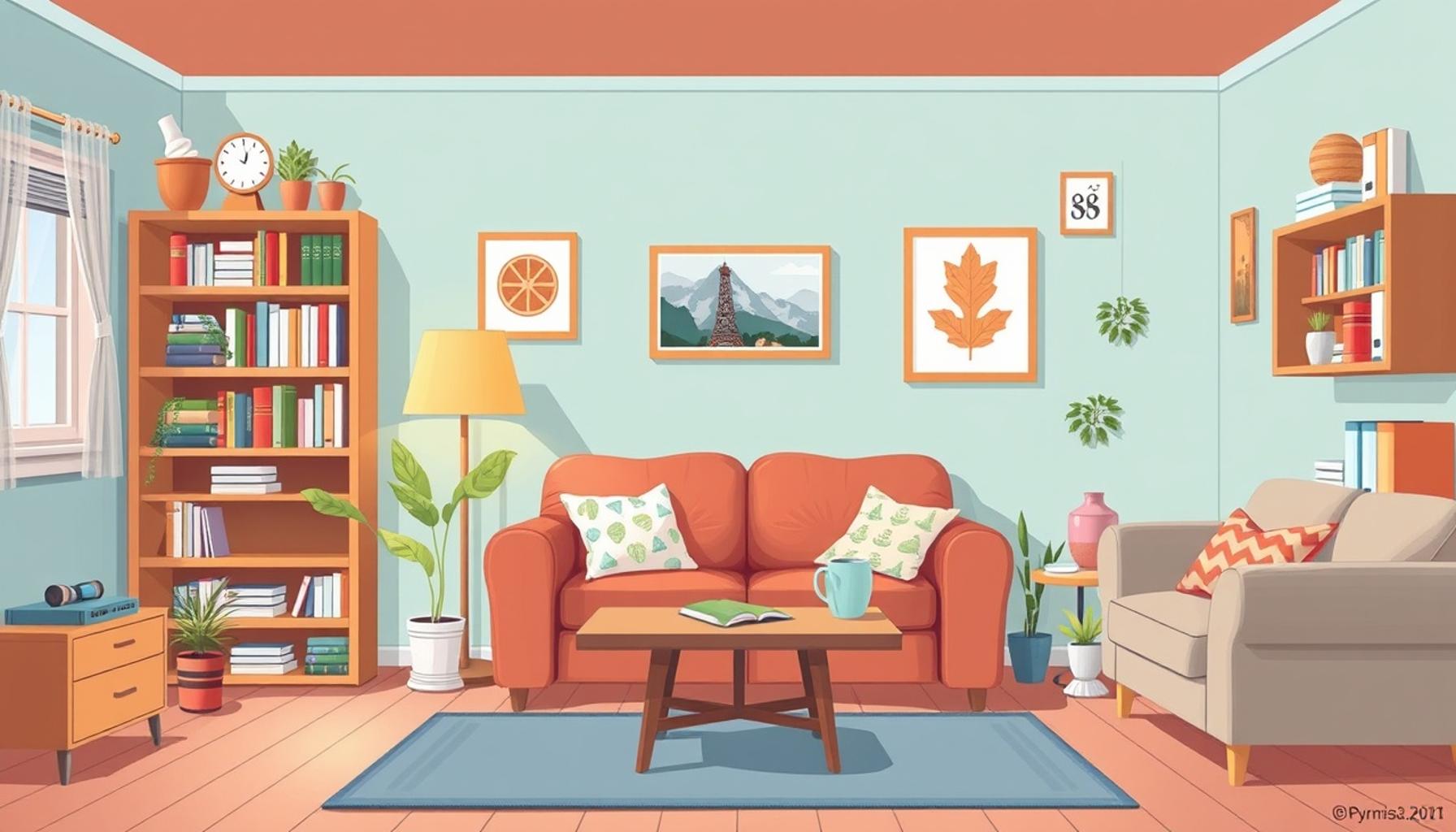
Efficient Space for Wellness: Designing Minimalist Homes that Promote Health and Well-Being
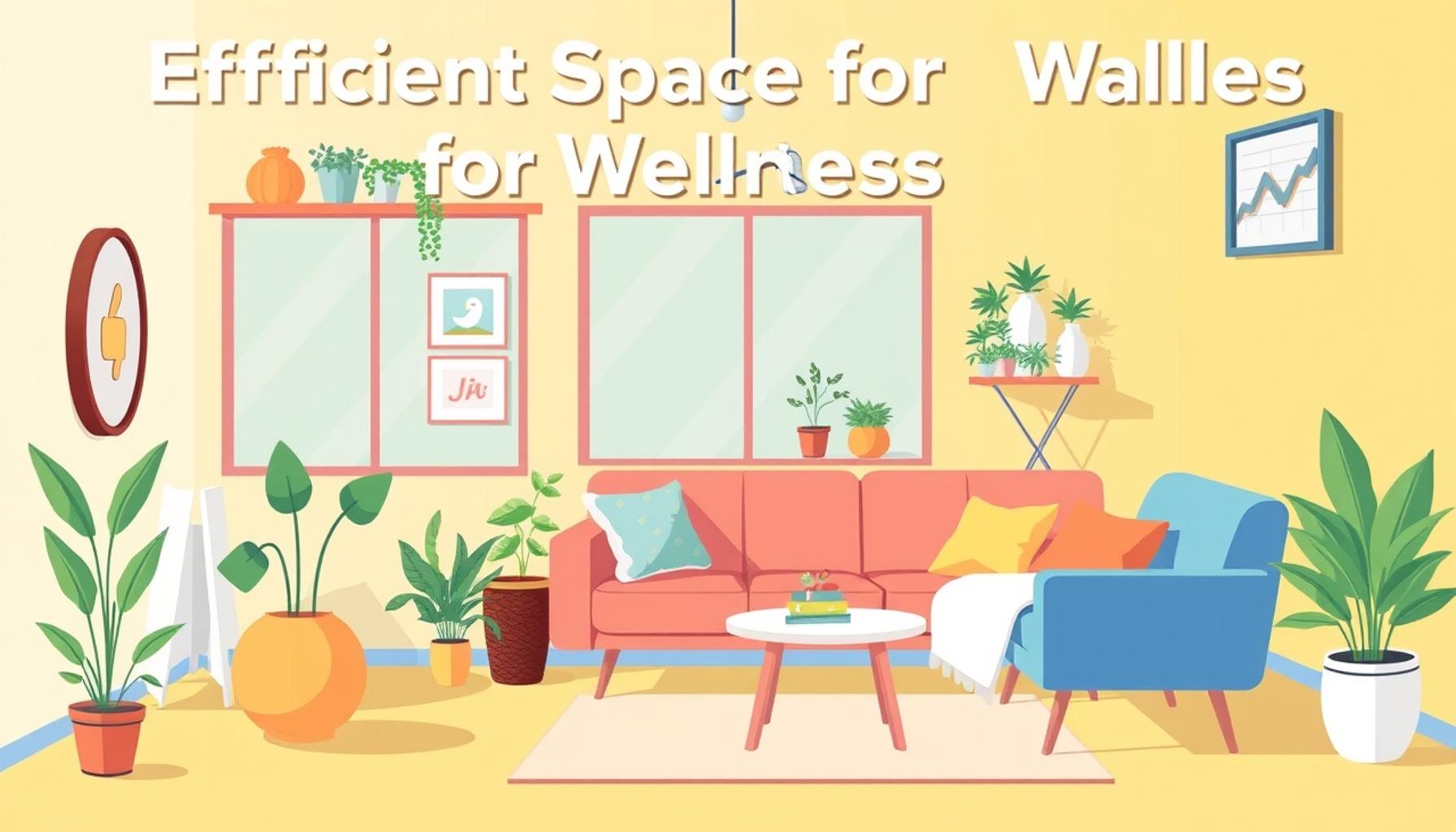
Exploring the Intersection of Space and Wellness
In a world increasingly characterized by chaos and clutter, the appeal of designing minimalist homes has never been more pronounced. These spaces are not just about aesthetic simplicity; they are profound reflections of a lifestyle that prioritizes health and well-being. As modern living challenges our physical and mental states, a well-designed home can serve as a sanctuary, a haven where one can retreat to recharge and find solace amidst the noise of everyday life.
The Essence of Minimalism
- Reducing clutter: A minimalist approach emphasizes functionality and purpose, minimizing distractions that can lead to anxiety. By focusing on essential items, homeowners can create environments that foster clarity and peace. For example, a living room that features only the necessary furniture—a sofa, a coffee table, and a few select decor items—can help cultivate a sense of calm.
- Natural light: Maximizing windows and open spaces promotes a brighter, more inviting atmosphere, which is crucial for enhancing mood and productivity. Studies have shown that natural light can lead to increased happiness and improved sleep patterns, making it a key feature in wellness-focused design.
- Mindful materials: Utilizing sustainable and organic materials can enhance air quality and promote physical health. For instance, bamboo flooring or low-VOC paints not only look aesthetically pleasing but can also reduce the presence of harmful chemicals in the home.
Moreover, research supports the connection between a minimalist environment and improved mental clarity. Fewer possessions often translate to reduced stress, leading to a healthier mindset. As urban living in the U.S. becomes more overwhelming, homes that blend simplicity with wellness-oriented design can significantly reshape our living experiences, offering individuals a retreat from the fast-paced outside world.
Key Features of Wellness-Centric Design
- Open layouts: These encourage social interaction and foster a sense of community, which is particularly valuable in a society where isolation can be commonplace. An open kitchen and living room layout not only facilitate communication but also allow families to spend more time together.
- Calming colors: Soft palettes in neutral tones can foster relaxation and a sense of peace. Color psychology suggests that shades of blue and green can help reduce stress levels, making them perfect choices for bedrooms and meditation spaces.
- Green integration: Incorporating indoor plants enhances aesthetics while improving air quality. Plants like snake plants and pothos are not only easy to care for but also have air-purifying properties, making them ideal for any wellness-focused home.
As interest in sustainable and healthy living grows, understanding how to create efficient spaces that foster wellness becomes critical. This exploration not only delves into minimalism but also uncovers how these design principles can redefine our environments for better health and overall well-being. Each design choice contributes to an enriching atmosphere, encouraging occupants to thrive rather than merely exist, ultimately reimagining the essence of the modern home.
DISCOVER MORE: Click here to dive deeper
Redefining Home: The Principles of Wellness-Oriented Minimalism
As the quest for a healthier lifestyle becomes more prominent, the role of our living spaces cannot be overlooked. The minimalist design goes beyond just visual appeal; it plays a significant part in boosting both mental and physical health. Creating an environment that is efficient in terms of space and function is crucial for fostering wellness at home. Various principles are essential when designing such spaces, each embodying a commitment to well-being.
Holistic Space Planning
Efficient space for wellness begins with holistic planning that emphasizes organization and accessibility. Open spaces allow for better air circulation and natural light, which can lead to improved mood and overall well-being. Instead of traditional closed-off rooms, consider flexible layouts that allow for multifunctional use. For instance, an open concept might integrate the kitchen, dining, and living areas, which not only enhances family interaction but also creates a seamless flow of movement.
- Flexible furniture: Modular furniture assists in maximizing space while providing the versatility needed for different activities, whether it’s hosting friends or meditating in solitude.
- Defined zones: Create distinct areas for work, relaxation, and exercise to maintain a balanced lifestyle. This zoning helps individuals switch between modes efficiently, promoting physical activity while minimizing stress associated with a cluttered space.
- Incorporating technology: Smart home technology can simplify daily tasks, enhancing convenience while minimizing distractions. Automated lighting and heating can contribute to energy efficiency, leading to a sustainable way of living.
Air Quality and Natural Elements
The importance of air quality in wellness-centric design cannot be overstated. Homes that align with minimalism often prioritize fresh air and natural elements, as these greatly affect occupants’ health. Strategic placement of windows can optimize airflow and enable homes to breathe, while the use of non-toxic materials promotes a healthy indoor climate. Consider how energy-efficient windows not only reduce energy costs but also provide environments that are more conducive to well-being.
Moreover, biophilic design, which incorporates natural elements into living spaces, is increasingly recognized for its positive impact on mental health. Adding features such as indoor gardens, unique plant arrangements, or even a living wall can significantly enhance air quality and promote a healing environment. According to a study by the University of Exeter, having plants indoors can boost productivity by 15%, a clear indication of how our surroundings can influence our performance and happiness.
Incorporating these principles into home design encourages a lifestyle aligned with wellness. As we delve deeper into the connection between our living spaces and overall health, it becomes evident that each design element contributes to a larger goal of enhancing quality of life. From fostering community interactions to ensuring a cleaner environment, minimalist homes hold the potential to redefine our concepts of comfort, health, and pure well-being.
Design Elements in Minimalist Wellness Homes
Creating an efficient space for wellness goes beyond simple aesthetics; it involves thoughtful elements that enhance physical and mental health. Minimalist design encourages the removal of clutter, leading to environments that reduce stress and increase focus. A significant aspect of this approach is integrating natural light, which not only helps in regulating the body’s circadian rhythms but also elevates mood. Another important feature to consider is the use of natural materials such as wood, stone, and organic fabrics. These materials contribute to better indoor air quality and create a sense of warmth and comfort. The harmony between these textures fosters an environment conducive to relaxation, thus enhancing well-being. In addition, spatial planning plays a crucial role in minimalist homes. Open floor plans that promote fluidity between spaces allow for better movement and interaction, further encouraging a sense of community within the household. This design philosophy encourages mindfulness and intentional living, making residents more aware of their environments and how they utilize their spaces.Moreover, incorporating greenery through indoor plants and vertical gardens acts as both decoration and a natural air purifier. Plants not only beautify the space but also reduce stress and improve cognitive function. An efficient wellness space harmonizes elements of design with health benefits, emphasizing the interconnection between our environment and our well-being.Lastly, implementing noise-reduction techniques, such as soundproof materials or water features, contributes to a serene atmosphere, allowing individuals to recharge effectively. Altogether, these design elements create homes that genuinely promote health and well-being while inspiring a mindful, sustainable lifestyle.
| Category | Key Features |
|---|---|
| Natural Light | Enhances mood and regulates sleep patterns |
| Open Spaces | Promotes fluid movement and community interaction |
| Natural Materials | Improves air quality and adds warmth |
| Indoor Plants | Enhances aesthetics and reduces stress |
| Soundproofing | Creates a serene atmosphere for relaxation |
Through these carefully designed elements, a minimalist home can significantly impact well-being and mental health, making the homes we occupy not just places to live but sanctuaries for wellness and tranquility.
DISCOVER MORE: Click here to enhance your productivity
Cultivating Emotional Balance through Thoughtful Design
In our fast-paced world, creating a living space that fosters emotional balance is essential for overall wellness. The minimalist approach to home design focuses not only on the aesthetics but on emotional well-being, promoting an environment conducive to tranquility and clarity. By integrating specific design elements, homeowners can cultivate a space that nurtures their mental health.
Color Psychology and Lighting
Color psychology plays a significant role in influencing emotions and behaviors. The color palette of a home can evoke various feelings, from calmness to energy. Soft, neutral tones such as creams, light blues, and greens have been shown to create a serene atmosphere, while pops of warmer hues like amber and terracotta can promote warmth and enthusiasm. When designing minimalist homes for wellness, selecting a harmonious color scheme is essential. It can transform a space into a sanctuary that positively influences mood and well-being.
In addition, the role of natural lighting in enhancing well-being cannot be overstated. Homes that maximize daylight help to regulate circadian rhythms, which can lead to better sleep patterns. Large windows or skylights can ensure that interior spaces are flooded with natural light, creating a more vibrant atmosphere. Furthermore, layering various light sources—from ambient to task lighting—can help set the right mood for any activity, from social gatherings to peaceful evenings.
Mindful Material Selection
In the context of wellness-oriented minimalist design, mindful material selection is another critical element. Using eco-friendly and sustainable materials not only benefits the environment but also reduces exposure to harmful chemicals commonly found in conventional building materials. Natural materials—like bamboo, reclaimed wood, and low-VOC (volatile organic compounds) paints—promote a healthier living space and create a connection with nature, which enhances the calmness and comfort of the home.
Additionally, the concept of sound design is gaining traction within the wellness space. Consider sound-absorbing materials or strategically placed carpets and curtains to help minimize noise distractions, creating a serene environment. By addressing acoustics in home design, residents can enjoy a sense of peace that aligns with minimalist living principles.
Physical Activity and Wellness Integration
As physical health is intricately linked to our living spaces, integrating areas dedicated to movement and exercise within the home is essential. Rather than relegating fitness to the gym or outdoor spaces alone, minimalist designs can introduce dedicated areas that encourage physical activity. A corner for yoga or a small home gym can easily fit into an open floor plan, creating an inviting space for movement without requiring extensive square footage.
- Outdoor connections: Embracing nature’s benefits is fundamental to wellness. Outdoor areas that extend homes—such as balconies, patios, or gardens—encourage outdoor activities and relaxation, thus reducing stress while enhancing mental clarity.
- Multifunctional installations: Think about incorporating installations that facilitate both physical activity and relaxation, such as a climbing wall that doubles as artwork or an inviting hammock area for unwinding after a workout.
By adopting a holistic view of design that prioritizes emotional balance through lighting, color, materials, and spaces for movement, minimalist homes can profoundly influence health and well-being. As more people recognize the importance of intertwining functional and aesthetic aspects of their environments, the future of home design looks not only innovative but also increasingly attuned to the needs of the human spirit.
DIVE DEEPER: Click here to discover more on creating a mindful living space
Conclusion: Embracing Wellness in Minimalist Living
As we navigate our increasingly complex lives, the concept of efficient space for wellness within minimalist homes emerges as both a necessity and an opportunity for revitalization. By thoughtfully designing spaces that prioritize health and well-being, we can create environments that not only look aesthetically pleasing but also support our emotional and physical needs.
The integration of color psychology and natural lighting within our homes has the power to transform our mental outlook and daily mood. Coupled with mindful material selection that emphasizes sustainability and the reduction of harmful chemicals, we lay the foundation for healthier living spaces. Furthermore, the incorporation of areas designated for physical movement and connection to the outdoors enables us to seamlessly blend activity with relaxation, thereby enhancing our overall well-being.
As we strive for holistic living, the minimalist home serves as a powerful tool that reflects our values while offering functional beauty. It invites us to embrace simplicity, reduce distractions, and foster emotional balance, ultimately leading to a more fulfilled life. In this ever-evolving discourse on wellness and design, we must continue to explore innovative possibilities that unite our living environments with our aspirations for health and happiness.
In summary, the journey towards efficient space for wellness in minimalist homes ignites curiosity and encourages ongoing investigation into how our surroundings impact our lives. By embracing this philosophy, we take meaningful steps towards a future where our homes become sanctuaries of well-being, nurturing not just our bodies but our spirits as well.
Related posts:
Utilizing Vertical Space: Innovative Storage Solutions for Small Areas
Digital Minimalism: Organizing Your Virtual Space for Maximum Efficiency
The Psychology of Space: How Minimalism Affects Your Mental Clarity and Focus
Multi-Functional Furniture: Innovating Efficient Space in Minimalist Interiors
The Art of Decluttering: How to Create an Efficient Space in Your Home
Embracing the Minimalist Kitchen: Strategies for Efficient Space Utilization and Organization

Beatriz Johnson is a seasoned minimalist and writer with a passion for simplifying the complexities of personal organization and decluttering. With over a decade of experience in the field, she specializes in topics like minimalist living, efficient organization strategies, and creating intentional spaces. Through her work, Beatriz empowers readers to make mindful decisions about their belongings, streamline their lives, and embrace a more organized and fulfilling lifestyle.