Creating a Functional Home Office: Tips for Efficient Space in a Minimalist Setup
Creating Your Ideal Workspace
As remote work becomes a prominent mode of employment for many individuals, the significance of a dedicated home office has never been clearer. The evolution of this space reflects the changing attitudes toward work and productivity. Crafting a workspace that aligns with functional demands and personal aesthetics is essential. Embracing a minimalist setup offers a pathway to enhancing efficiency while providing a serene environment conducive to focus and creativity.
To cultivate an optimal workspace, several key features should be considered:
- Decluttering: Start by removing all unnecessary items that may distract you. This can involve emptying your desk drawers, clearing the surfaces, and minimizing decorative pieces. A clutter-free environment not only looks good but also allows your mind to concentrate without visual noise.
- Essential Furniture: Investing in quality furniture is critical for comfort and productivity. Select a desk that suits your working style—whether a standing desk or a traditional one—and pair it with an ergonomic chair that supports a healthy posture during long hours. For example, brands like Herman Miller and Steelcase offer chairs designed for prolonged use.
- Smart Storage: Effective organization is key to maintaining a minimalist workspace. Consider using floating shelves or vertical storage solutions that occupy minimal floor space while providing enough storage for essential materials. Clear containers or drawer organizers can keep small stationery items from becoming chaotic.
Minimalism is not merely about leaving spaces empty; it’s about the thoughtful selection of items that cater to your routine. For instance, a multifunctional desk that can transition from a workspace to a meeting area can significantly enhance functionality. Additionally, using wall-mounted boards for ideas or tasks can keep you organized without consuming desk space.
Furthermore, pay attention to the lighting of your workspace. Natural light can greatly improve mood and focus, making it important to position your desk near a window if possible. When natural light isn’t an option, investing in quality task lighting can enhance visibility while adding an element of design to your office.
Ready to embark on the journey of transforming your workspace? By implementing these practical solutions, you can design an office environment that not only meets your professional needs but also resonates with your personal style, making remote work a pleasure rather than a chore. Dive deeper into these concepts and watch your productivity flourish in an inviting, tailored workspace!
DIVE DEEPER: Click here to discover how to create a harmonious space
Maximizing Your Home Office Potential
When designing a functional home office, the focus is not only on aesthetics but also on efficacy and comfort. A thoughtfully arranged space can lead to increased productivity and overall job satisfaction. To achieve this, it’s crucial to envision your office as a harmonious blend of both work function and personal style.
One effective way to enhance your workspace’s functionality is by leveraging the principles of minimalism. Minimalism in a home office emphasizes simplicity, choosing only the essential elements that facilitate productivity while avoiding distractions. This focused approach can help streamline your work processes, clearing mental clutter just as much as physical. Here are some strategies to consider:
- Focal Point: Designate a clear focal area in your office that conveys purpose. This might be your desk or a specific zone where computer equipment and necessary documents are easily accessible. Having a defined focal point helps keep distractions at bay and allows your mind to stay oriented towards work.
- Color Scheme: Choose a calming color palette for your office that promotes concentration. Neutrals—such as whites, grays, and soft earth tones—can foster a tranquil atmosphere, while pops of bright colors can invigorate the space without overwhelming it. Consider an accent wall or simple artwork that inspires creativity.
- Technology Integration: In this digital age, technology plays a pivotal role in how we work. Ensure your workspace is equipped with the necessary tech tools such as ergonomic keyboards, high-resolution monitors, and noise-canceling headphones. Integrating technology seamlessly while avoiding a tangled web of wires is another key aspect of maintaining a clean and minimalist look.
Additionally, consider your daily workflow and how the layout can support it. An adaptable office space can significantly influence your productivity. For example, a mobile desk that can be easily moved to different areas can allow flexibility to change scenery without sacrificing comfort or function.
Another aspect to reflect on is your digital workspace. As you declutter your physical space, applying the same strategy to your desktop or cloud storage is equally important. Organize files systematically, categorize them effectively, and remove outdated documents that no longer serve a purpose. A streamlined digital environment not only reduces stress but also saves time searching for important files.
Incorporating plants or natural elements into your office can further enhance the ambiance. Research shows that having greenery in workspaces can boost mood and productivity, making strategically placed plants a worthwhile addition to your minimalist setup.
Achieving a truly functional home office requires a careful balance between minimalism and personalization. By considering these practical tips, you can create a space that not only meets your professional demands but also aligns with your personal decor preferences, transforming remote work into a more enjoyable and productive experience.
Designing Your Space for Maximum Productivity
Creating a functional home office begins with understanding how to maximize the use of space while maintaining a minimalist aesthetic. One of the key tips is to prioritize natural light. Position your desk near windows to take advantage of daylight, which can enhance mood and productivity. Additionally, consider the layout of your furniture to promote smooth workflow. Having your computer, printer, and writing space within arm’s reach minimizes distractions and unnecessary movements.Utilizing multi-functional furniture is another smart strategy. A desk that doubles as a storage unit can keep your workspace clutter-free while providing necessary space for tools and supplies. Similarly, opt for a chair that offers comfort and support to sustain long hours of work without strain.Incorporating proper organization tools is crucial in maintaining a minimalist setup. Use drawer organizers, wall shelves, and desktop trays to keep items tidy and accessible. This way, you create a serene environment that enhances focus and minimizes stress, allowing creative ideas to flourish.Don’t overlook the importance of your workspace’s color palette. Light colors can make a small office feel larger and more inviting, while vibrant accents can infuse energy. Optimize your choice of colors to craft an atmosphere that aligns with your work style and preferences.Emphasizing these design aspects will lead you to develop a home office that is not just functional but also inspiring. Continue to explore innovative solutions and techniques to truly create a productive minimalist workspace that suits your needs.
LEARN MORE: Click here for insights on Feng Shui in minimalist spaces
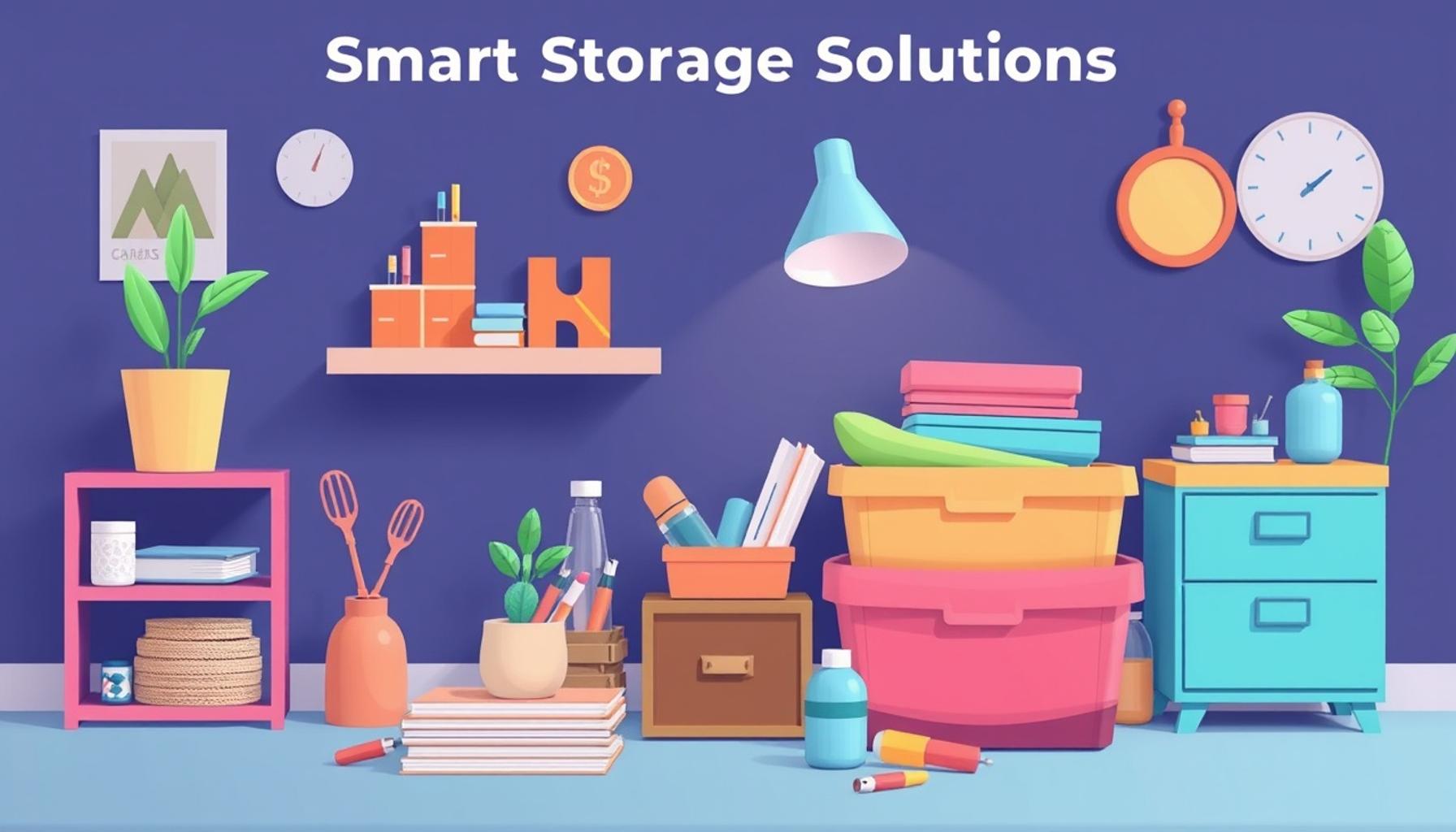
Smart Storage Solutions for a Minimalist Office
Effective storage is a cornerstone of any functional home office, particularly within a minimalist framework. Rather than cluttering your space with unnecessary items, employing smart storage solutions can help keep your office organized and efficient. Here are a few innovative ideas to optimize your storage:
- Vertical Space Utilization: Take advantage of your wall space by incorporating shelving units, pegboards, or wall-mounted organizers. Floating shelves can be an aesthetic and functional element in your design, providing a platform for books, decorative items, or office supplies, all while taking up zero floor space.
- Multi-Functional Furniture: Invest in furniture that serves multiple purposes. Desks with built-in storage compartments or filing cabinets that double as seating can contribute to a minimalist vibe while providing essentials. For instance, a sturdy ottoman with hidden storage can discreetly house materials or paperwork without disrupting your office aesthetics.
- Drawer Organizers: Keep office supplies—such as pens, notepads, and paper clips—neatly stored and easily accessible by using drawer organizers. Dividing larger spaces into sections can not only keep your workspace tidy but also encourage you to be more discerning about what items you really need at hand.
Furthermore, consider the principle of “one in, one out.” For every new item you introduce to your office, make it a rule to remove an old item. This practice cultivates conscious consumption habits and aids in maintaining a streamlined environment designed for productivity.
Ergonomics in a Minimalist Workspace
Comfort is key in any working environment, and an ergonomic setup is crucial for sustaining prolonged work sessions without physical strain. Minimalist doesn’t mean sacrificing comfort; rather, it is about choosing high-quality, ergonomically designed items that support your health. Here are some ergonomic considerations:
- Ergonomic Chair: Invest in a chair that provides lumbar support and allows for adjustments to fit your body perfectly. A well-chosen chair can prevent long-term health issues stemming from poor posture.
- Desk Height: Your desk height should align with your seated position to ensure that your elbows form a comfortable angle while typing. If standing desks appeal to you, look for ones that can easily adjust to your preferred height.
- Monitor Position: The top of your monitor screen should ideally be at or slightly below eye level. This reduces neck strain and helps maintain a neutral posture while working.
Incorporating breaks into your routine is essential as well. Set reminders to stand, stretch, or change your position to prevent fatigue. The Pomodoro Technique, which encourages focused work sessions followed by short breaks, can be an excellent time management strategy to follow.
Simplified Decor for Enhanced Focus
Ultimately, the design choices you make can significantly impact your focus and efficiency. Minimalist decor should reflect your personal style without overwhelming your senses. Aim for a few carefully selected decorative pieces rather than cluttering your office with trinkets. Consider:
- Artistic Touches: Opt for a small piece of art that inspires or motivates you. This could be a framed print, a canvas, or even a motivational quote hung on the wall—something to spark creativity in a subtle manner.
- Personalized Accents: A few personal items, like a favorite photograph or souvenir from travels, can instill warmth and personality in the space without detracting from the minimalist theme.
- Minimal Lighting: Choose simple, functional lighting. A well-placed desk lamp with adjustable brightness can significantly enhance your work quality while contributing to a clean aesthetic.
By integrating these elements, you can create an office that harmonizes functionality and minimalism, ultimately leading to improved productivity and workplace satisfaction.
DIVE DEEPER: Click here to discover the impact of Feng Shui on minimalist spaces
Conclusion
In the modern landscape of remote work, crafting a functional home office within a minimalist setup is not just a trend but a necessity for optimal productivity and well-being. By implementing the strategies discussed throughout this article, you can transform your workspace into a sanctuary of focus and clarity. Prioritizing smart storage solutions ensures that essential tools are at your fingertips while preventing clutter distraction. The integration of ergonomic designs promotes physical comfort, allowing you to work efficiently without compromising your health. Moreover, embracing sophisticated, simplified decor creates an inspiring atmosphere tailored to your individual style.
As you embark on this journey to cultivate your ideal workspace, remember the importance of balancing utility with aesthetic appeal. Challenge yourself to embrace the “less is more” philosophy by assessing your needs and curating only those items that enhance your work environment. A minimalist home office isn’t merely about reducing the number of objects; it is about fostering a space where creativity and productivity flourish. As you refine your office space, keep in mind that regular evaluations and adjustments can keep your environment fresh and functional over time.
By taking thoughtful steps toward creating a workspace that aligns with these principles, you will set the stage for success. Consider sharing your journey and insights with others, as the modern working experience is an evolving dialogue. Always remain open to innovations and ideas that can further streamline your workspace and elevate your productivity. Ultimately, a well-designed functional home office can profoundly impact not just your work, but your overall life satisfaction.
Related posts:
Multi-Functional Furniture: Innovating Efficient Space in Minimalist Interiors
Digital Minimalism: Creating an Efficient Virtual Space for Better Organization
The Art of Decluttering: Creating an Efficient Space with Minimalism
The Role of Minimalist Decor in Enhancing Space Efficiency
Efficient Space Planning: Zoning Techniques for a Balanced Home
The Art of Decluttering: How to Create an Efficient Space in Your Home

Beatriz Johnson is a seasoned minimalist and writer with a passion for simplifying the complexities of personal organization and decluttering. With over a decade of experience in the field, she specializes in topics like minimalist living, efficient organization strategies, and creating intentional spaces. Through her work, Beatriz empowers readers to make mindful decisions about their belongings, streamline their lives, and embrace a more organized and fulfilling lifestyle.