The Role of Minimalist Decor in Enhancing Space Efficiency
The Importance of Maximizing Space
In a society that increasingly values efficiency and functionality, the concept of minimalism has risen to prominence, not just in interior design but as a philosophy of living. As urban areas in the United States become denser, the need to create more livable spaces from limited square footage is paramount. The essence of minimalist decor is to strip away distractions and focus on what truly matters. This design approach allows individuals to cultivate environments that are not only practical but also visually appealing.
The Benefits of Minimalism
Why embrace a minimalist lifestyle? There are several compelling arguments for this design choice:
- Clarity and Focus: A workspace or home filled with less clutter fosters mental clarity. Numerous studies indicate a correlation between a tidy environment and enhanced concentration. For example, employees in streamlined offices often demonstrate improved productivity and creativity due to fewer visual distractions.
- Functional Use of Space: Every piece of furniture or decor has a purpose in a minimalist setting. This is particularly beneficial in small apartments commonly found in cities like New York or San Francisco, where multifunctional furniture—such as a sofa bed or storage ottoman—can maximize utility while reducing clutter.
- Stylish Yet Simple: Minimalist design transcends trends, offering a timeless aesthetic that appeals to various tastes. Whether it’s a Scandinavian-inspired wooden table or sleek metallic accents, minimalist decor can suit diverse styles while maintaining a cohesive look that enhances the overall space.
The Impact of Minimalist Design
Evidence from housing trends suggests that adopting a minimalistic approach can significantly improve both residential and commercial environments. As homes shrink in size due to urbanization, redefining the use of space becomes critical. For instance, new apartment designs in metropolitan areas often highlight open floor plans that exemplify minimalist ideals, emphasizing clear sightlines and a spacious feel anchored by carefully selected items.
Moreover, minimalism supports mental well-being. By minimizing visual noise, individuals can achieve a greater sense of peace and relaxation. This cohesion and simplicity in design can lead to a more harmonious living environment, ultimately promoting a higher quality of life.
As we delve deeper into the principles of minimalist decor, we discover that it is not just about design; it is about transforming our lifestyles into more manageable, enjoyable experiences. Join us as we explore practical tips, inspiring examples, and the underlying philosophies that make minimalist living more than just a trend—it’s a sustainable way to cultivate joy and clarity in our day-to-day lives.
DISCOVER MORE: Click here to enhance your productivity
Understanding Minimalism in Space Design
Minimalist decor serves as a vital tool for enhancing space efficiency, particularly in urban environments where square footage is often limited and housing prices soar. By embracing a philosophy that prioritizes the essentials, individuals can create environments that not only maximize physical space but also promote mental tranquility. The role of minimalist decor can be dissected by focusing on its fundamental principles that drive the effective use of space.
Key Principles of Minimalist Decor
At the heart of minimalist design lies a set of guiding principles that streamline both aesthetics and functionality. Understanding these core ideas can help individuals make informed choices that lead to more efficient spaces:
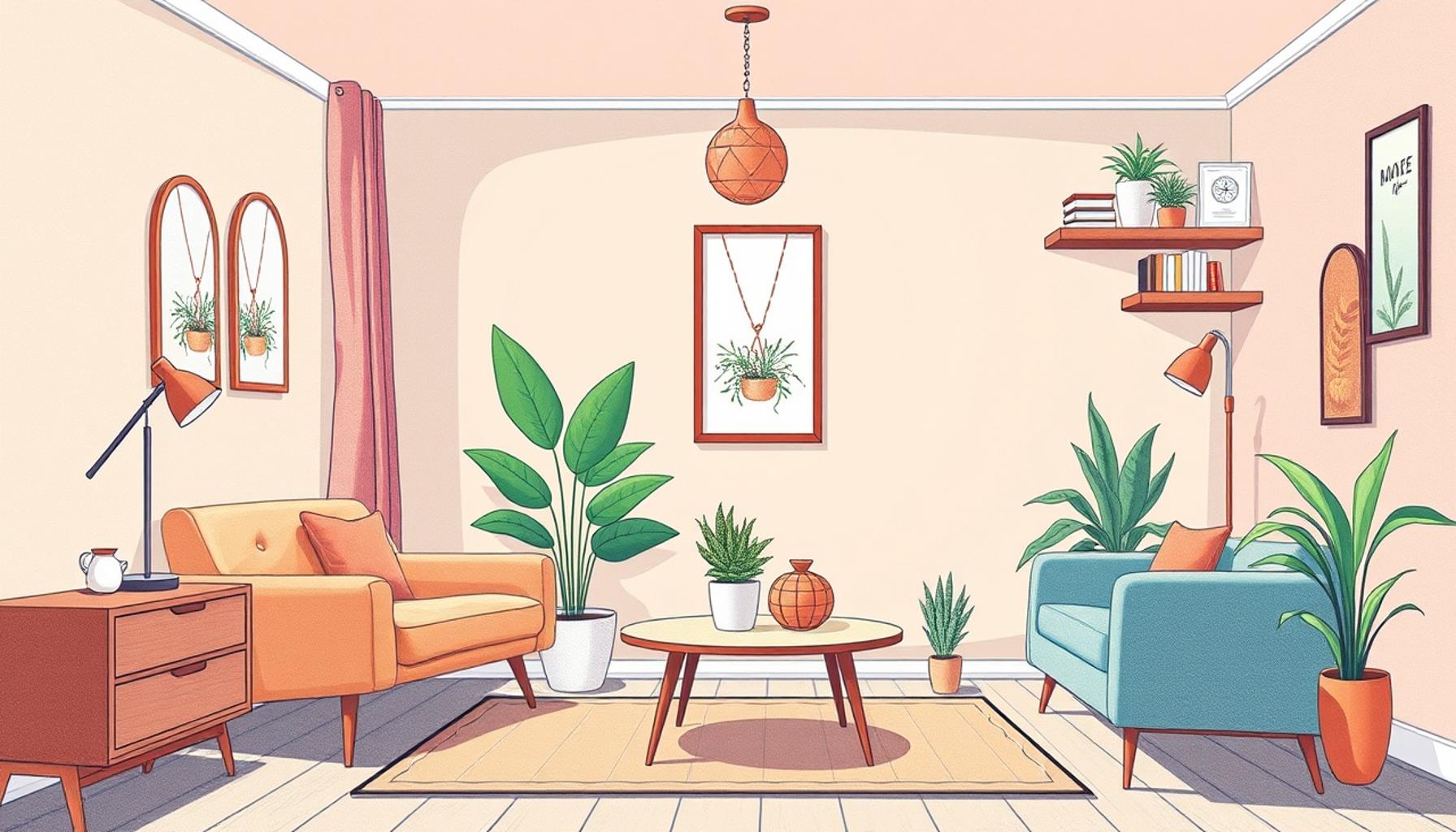
- Simplicity: The first tenet of minimalism is simplicity, stripping away excess to focus on essential elements. By minimizing decorative items, the visual load is reduced, enabling spaces to feel more open and inviting. For instance, a single statement piece, such as a bold painting or a unique sculpture, can serve as a focal point without overwhelming the room.
- Functionality: Every item in a minimalist setting should serve a clear function. This is incredibly valuable in cramped urban apartments where multifunctional furniture—like a fold-out table or a Murphy bed—ensures optimal use of available space. By selecting pieces that adapt to various needs, such as a coffee table that doubles as storage, homeowners can maintain an organized appearance.
- Neutral Color Palettes: Minimalist environments often utilize neutral color schemes to create a sense of cohesion and spaciousness. Shades of white, beige, and grey not only enhance natural light but also make the space feel larger. Incorporating subtle pops of color through textiles or artwork can maintain interest without compromising the serene atmosphere typical of minimalist decor.
- Intentional Design Choices: Each piece in a minimalist space should be chosen with care and intention, avoiding impulse purchases that lead to clutter. This thoughtful selection fosters a tranquil living environment, as each item reflects the owner’s personality while contributing to the overall aesthetic.
Minimalism as a Practical Approach to Everyday Living
Minimalism goes beyond mere aesthetics; it provides practical solutions to everyday challenges faced in densely populated areas. Take, for instance, the innovative designs emerging in cities across the United States, where space restrictions necessitate creative solutions. Architects and interior designers are now leaning towards open-concept layouts that embody minimalist principles to enhance livability.
Moreover, the adoption of minimalist decor can lead to a sense of liberation, reducing the mental burden associated with clutter. In our fast-paced lives, where distractions abound, returning to a simple, curated environment helps promote clarity and focus. The result is not only a visually appealing space but also a haven that supports mental well-being—truly showcasing the transformative power of minimalist design.
In the following sections, we will further explore how individuals can effectively implement these principles and discover ways to create tailored minimalist spaces that resonate with their personal styles while addressing the vital need for efficiency.
The Impact of Minimalist Decor on Small Living Spaces
Minimalism transcends mere aesthetics; it serves a functional purpose, particularly in small living spaces where every square foot matters. Embracing a minimalist decor approach can dramatically enhance space efficiency, allowing residents to enjoy a sense of openness and tranquility. By opting for fewer furnishings and decorative elements, individuals can create an environment that feels larger and more inviting. This is a significant advantage for those residing in urban apartments or tiny homes, where maximizing usable space is essential.
Key Elements of Minimalist Design
The essence of minimalism lies in its simplicity. Essential features include multifunctional furniture, such as foldable tables and couches with built-in storage, which contribute to space-saving solutions. By integrating these items into a home, you can reduce clutter while maintaining necessary functionality. Additionally, the use of a neutral color palette paired with strategically placed mirrors can enhance natural light and create an illusion of depth, making rooms feel expansive.
Reducing Clutter for Mental Clarity
A critical benefit of minimalist decor is its impact on mental clarity. When spaces are clutter-free, there is less visual distraction, allowing inhabitants to focus better and feel less stressed. This psychological aspect is especially important in high-pressure environments, where a peaceful mind is essential for productivity. Implementing storage solutions that are both practical and aesthetically pleasing can help achieve this goal.
Inviting Nature Indoors
Another compelling feature of minimalist design is its tendency to incorporate elements of nature, promoting harmony between the indoor and outdoor environments. Integrating plants enhances air quality while also adding a splash of color and life to a monochromatic setting. This connection to nature not only improves the aesthetic appeal of a home but also elevates the residents’ well-being.
| Category | Advantages |
|---|---|
| Efficient Use of Space | Allows for multifunctional furniture, optimizing every corner of a home. |
| Stress Reduction | Eliminates clutter, fostering a peaceful environment conducive to relaxation. |
The principles of minimalist decor not only improve physical space but contribute to psychological wellness, demonstrating the profound impact design choices can have on our lives. By adopting these principles, individuals can significantly transform their daily experiences in their homes.
DISCOVER MORE: Click here for tips on minimalist kitchen organization
Implementing Minimalist Principles in Practical Spaces
Having established the fundamental principles of minimalist decor, the next step is understanding how these can be seamlessly integrated into everyday living spaces. The application of minimalism can drastically enhance space efficiency, especially in the smaller homes and apartments that are becoming increasingly common across urban America. The intricate dance between aesthetics and utility is crucial, as it promotes not just a beautiful environment but also a practical lifestyle.
Smart Storage Solutions
One of the most compelling aspects of minimalist decor is its emphasis on smart storage solutions. Traditional furniture is often bulky and designed primarily for look rather than function, which can hinder space efficiency. In contrast, modern minimalist designs prioritize sleek and unobtrusive storage options. Pieces such as ottomans that open to reveal hidden compartments or benches with integrated drawers become essential tools for eliminating clutter. In fact, hidden storage is a hallmark of minimalist homes; a simple, strategically placed side table with storage capabilities can transform a chaotic living room into a calm retreat.
Flexible Spaces with Multi-Use Furniture
The growing interest in open-concept living aligns perfectly with minimalist design principles. This style encourages multifunctional furniture that saves space while promoting a fluid movement across the home. Consider the surge in popularity of furniture that serves dual purposes, such as a sofa bed that accommodates guests or a dining table that folds down when not in use. Such designs not only maximize efficiency but also adapt to the varied needs of residents, be it entertaining, working from home, or simply enjoying personal downtime. In cities like San Francisco and New York, where price per square foot is exorbitantly high, this practical approach to furniture is not just a trend but a necessity.
You Should Consider Quality Over Quantity
An essential tenet of minimalism is the idea of investing in fewer, higher-quality pieces. This paradigm shift encourages individuals to purchase items that may be pricier upfront but will last longer and provide greater satisfaction. For example, instead of filling a room with multiple inexpensive decor items, a single, well-crafted chair made from sustainable materials can serve as an eye-catching focal point and a conversation starter. This commitment to quality ultimately leads to a more refined environment while also scaling back on waste—an aspect increasingly revered in green living circles.
Cultivating a Mindful Atmosphere
The psychological aspects of minimalist decor extend well beyond external appearances. The essence of minimalism lies in creating a mindful atmosphere that enhances the user’s daily experience. Studies have shown that individuals who live in minimalist spaces often find themselves more productive and less stressed. The act of decluttering not only applies to physical objects but also to mental clutter. A tranquil, simplified environment devoid of unnecessary distractions allows for improved concentration, fostering creativity and inspiration. As the minimalist movement gains momentum, its principles resonate particularly well with individuals seeking balance in their otherwise hectic lives.
In essence, by systematically applying these practical strategies, anyone can take steps toward maximizing space within their home while reaping the benefits of a minimalist lifestyle. Embracing minimalism goes beyond the visual; it is about crafting a living experience that harmonizes style, functionality, and peace of mind. As urban dwellers become increasingly accustomed to smaller living quarters, minimalism stands out as a beacon of innovative design, proving that less truly can be more.
DISCOVER MORE: Click here to learn how to declutter your digital space
Conclusion: The Lasting Impact of Minimalist Decor on Space Efficiency
In the quest for optimal space efficiency, the adoption of minimalist decor emerges as a transformative solution, marrying aesthetics with functionality. As urban living continues to trend towards smaller, more compact homes, the need for innovative space-saving strategies becomes ever more pressing. Minimalism offers a pathway to achieving that goal, ensuring that every item in a home serves a purpose, ultimately leading to both a visually appealing and practical living environment.
The effectiveness of smart storage solutions and multifunctional furniture in minimalist design underscores a crucial shift in how we perceive and utilize our spaces. By embracing the philosophy of quality over quantity, homeowners are encouraged not just to eliminate clutter but to invest in fewer, higher-quality pieces that reflect their personal style while enhancing the practicality of their home. Additionally, the psychological benefits of cultivating a mindful atmosphere amplify the appeal of minimalist living, as the simplicity and clarity of a decluttered space foster productivity and well-being.
As we find ourselves navigating a world increasingly characterized by disorder and busyness, the principles of minimalism offer a refreshing respite. They remind us that true beauty and efficiency lie not in abundance but in simplicity. For those looking to enhance their living conditions while maximizing space efficiency, adopting minimalist decor provides an invaluable approach, urging individuals to rethink their relationship with the objects around them. Embrace the essence of minimalism, and discover how less can truly be more.
Related posts:
Multi-Functional Furniture: Innovating Efficient Space in Minimalist Interiors
Digital Minimalism: Organizing Your Virtual Space for Maximum Efficiency
Utilizing Vertical Space: Innovative Storage Solutions for Small Areas
The Art of Decluttering: How to Create an Efficient Space in Your Home
Efficient Space Planning: Zoning Techniques for a Balanced Home
The Art of Decluttering: Creating an Efficient Space with Minimalism

Beatriz Johnson is a seasoned minimalist and writer with a passion for simplifying the complexities of personal organization and decluttering. With over a decade of experience in the field, she specializes in topics like minimalist living, efficient organization strategies, and creating intentional spaces. Through her work, Beatriz empowers readers to make mindful decisions about their belongings, streamline their lives, and embrace a more organized and fulfilling lifestyle.