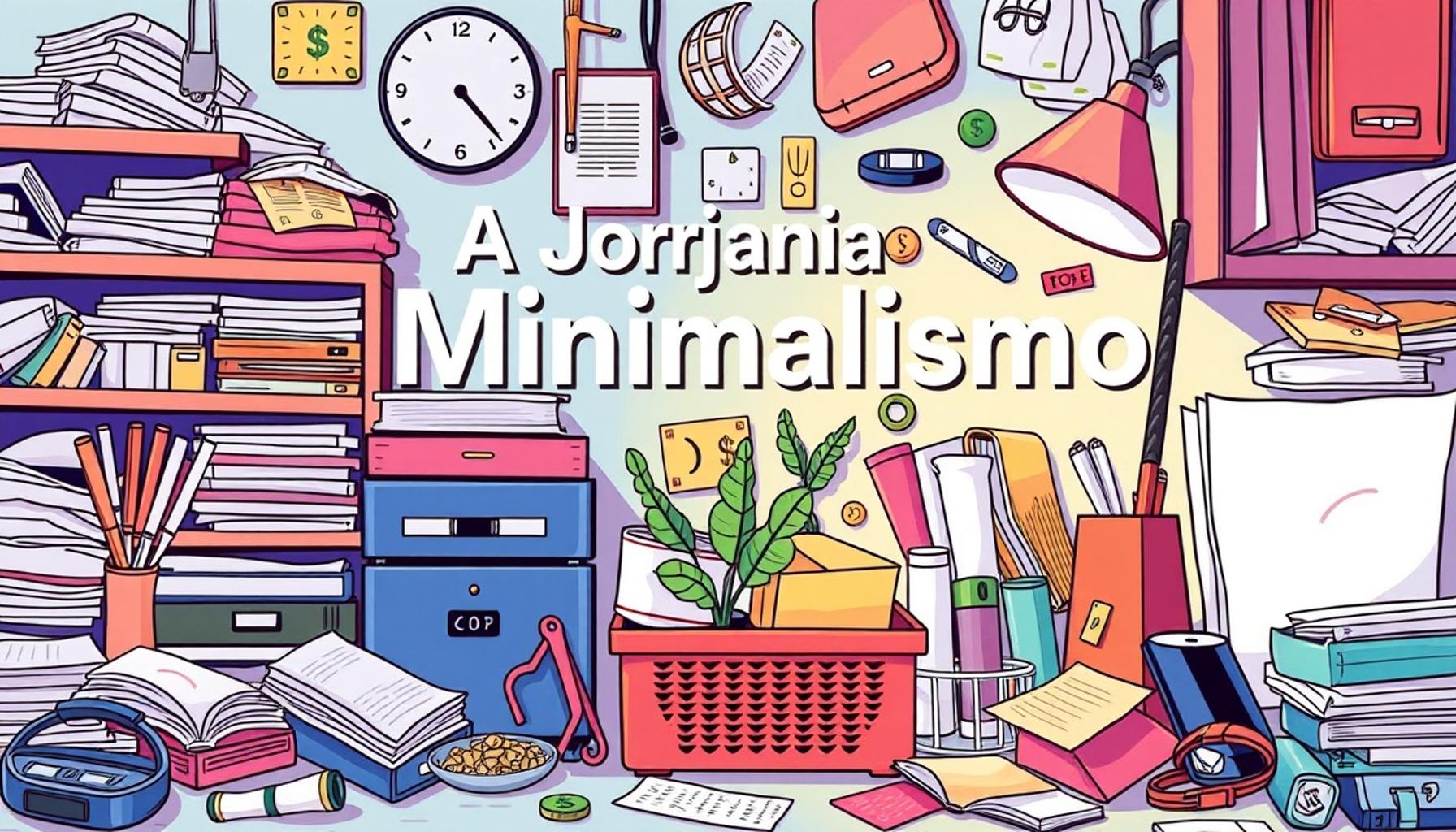
10 Practical Steps to Declutter Your Home: Embracing Minimalism

Embrace a Serene Living Space
Living in a cluttered environment can often lead to feelings of stress and overwhelm. The good news is that decluttering your home can pave the way for embracing minimalism and achieving a more serene atmosphere. Imagine entering a space that feels open, inviting, and calm. For many, this transformation starts with conscious decisions to eliminate the excess and keep only what truly enhances their lives.
One of the primary benefits of decluttering is the reduction of stress. A tidy home promotes a sense of peace, allowing individuals to relax and unwind more easily. For example, studies have shown that people exposed to clutter often experience heightened anxiety and difficulty focusing. By clearing away distractions, you not only create a more pleasant environment but also foster emotional well-being.
- Less Stress: A tidy home promotes a sense of peace, allowing you to focus on what truly matters in your life. Imagine the tranquility of starting your day in a fresh, organized space.
- Increased Focus: Decluttering can improve productivity significantly. The fewer distractions you have, the more mental energy you can devote to tasks at hand, whether it’s working on a project or simply enjoying a hobby.
- Enhanced Space: Achieve functionality by rethinking your layout. By rearranging furniture and removing unnecessary items, you can create a space that feels larger and more accessible.
In a society filled with rampant consumerism, many individuals are seeking ways to break free from the cycle of accumulation. Minimalism is about more than just owning fewer things; it’s also about creating a meaningful environment that reflects your values and priorities. For instance, instead of accumulating items that serve no purpose, consider investing in quality pieces that resonate with your lifestyle. This approach not only enriches your physical space but also elevates your mental state as you surround yourself with things that inspire you.
To further assist you on this journey, this article will guide you through 10 practical steps to declutter your home effectively. Whether you’re tackling a single room or your entire house, these actionable tips will help you embrace a minimalist lifestyle that enhances your overall quality of life.
Are you ready to dive into the world of minimalism? Let’s explore how you can reclaim your space and invite simplicity into your life. By understanding the benefits and motivations behind decluttering, you can embark on a transformative journey that will not only change your home but also your mindset.
DISCOVER MORE: Click here to enhance your productivity
Start with a Vision
Before diving into the physical act of decluttering, it’s essential to start with a vision. Imagine what a minimalist space feels like to you. Visualize your dream home – is it simple furniture with clean lines? Is it filled with natural light and a balanced layout? Establishing this vision is critical, as it will fuel your motivation as you begin to tackle the clutter. Take some time to browse through design magazines or explore minimalist living blogs for inspiration. Create a mood board that reflects your ideal space, serving as a constant reminder of your goal throughout the decluttering process.
Set Priorities for Areas of Focus
Not all areas of your home require immediate attention; therefore, it’s practical to set priorities for areas of focus. Identify which spaces cause you the most stress or hinder your daily activities. Begin by prioritizing specific rooms or zones in your home. Consider areas such as:
- The Living Room: As a central gathering space, this area should be inviting and functional.
- The Kitchen: A clutter-free kitchen enhances productivity and inspires creativity while cooking.
- The Bedroom: This sanctuary should promote restfulness, free from distractions or excess items.
- The Garage: Often a dumping ground for unused belongings, freeing this space can yield newfound functionality.
By focusing on one area at a time, you can prevent feeling overwhelmed and cultivate a sense of accomplishment as you see progress unfold. This approach is particularly beneficial for those new to decluttering, allowing you to gradually shift into a minimalist mindset.
Establish a Decluttering Routine
Consistency is key when it comes to maintaining an organized home. Establish a decluttering routine that suits your lifestyle. Whether you carve out a specific time each week dedicated to tidying up or adopt the “one in, one out” rule (where you remove one item when you bring in a new one), making decluttering a regular habit will ensure that you stay on track. Be realistic about your schedule; even dedicating just 10 minutes a day to decluttering can lead to significant changes over time.
Using a timer can also help you stay focused during these sessions. Set it for a designated period, like 20 or 30 minutes, and focus solely on decluttering the chosen room. This strategy not only makes the process feel manageable but also often leads to surprising results in shorter bursts of effort.
By starting with a clear vision, setting priorities, and establishing a consistent routine, you’ll be equipped with the tools needed to make decluttering less daunting and more fulfilling. Each step in this journey brings you closer to embracing minimalism, allowing your living space to reflect the serene and meaningful environment you desire.
Step 6: Create a Decluttering Schedule
One of the most effective ways to tackle the daunting task of decluttering is by creating a dedicated schedule. Break down the decluttering process into manageable chunks, allocating specific days or times for different areas of your home. This approach not only makes the task less overwhelming but also helps you stay committed to your goal of minimalism. Consider using a planner or calendar to jot down your decluttering sessions, ensuring you hold yourself accountable. Remember, consistency is key!
Step 7: Adopt the One-Year Rule
The one-year rule is a powerful guideline for determining what to keep and what to discard. If you haven’t used an item in the past year, it may be time to let it go. This strategy encourages you to evaluate your belongings critically and can drastically reduce clutter. It’s important to distinguish between sentimental items and practical ones—while some heirlooms may be irreplaceable, most possessions can be assessed objectively.
Step 8: Organize by Category
When decluttering, consider organizing items by category rather than by room. For instance, gather all your books, clothing, or kitchen utensils and evaluate them collectively. This method allows you to see how much you truly own in each category and makes it easier to decide what stays and what goes. It also promotes a more functional living space as you’ll have a clearer vision of what is essential to you.
Step 9: Use the “Four-Box” Method
The “four-box” method is a popular technique among minimalists that can simplify your decluttering journey. Label four boxes as “Keep,” “Donate,” “Sell,” and “Trash.” As you sort through your belongings, place each item into the appropriate box. This system not only streamlines the decision-making process but also makes it easier to visualize your decluttering goals. Plus, it promotes responsible disposal and encourages you to find new homes for unwanted items.
Step 10: Maintain a Minimalist Mindset
Finally, embrace a minimalist mindset to ensure your home remains clutter-free long after your initial decluttering efforts. This involves being mindful of future purchases, questioning whether a new item truly adds value to your life. Instead of focusing on accumulation, prioritize experiences and relationships over material possessions. By fostering this mindset, you’ll create a more tranquil and organized home environment, perfectly aligned with the principles of minimalism.
| Category | Key Benefits |
|---|---|
| Decluttering Schedule | Helps break down the task into manageable parts. |
| One-Year Rule | Encourages critical evaluation of belongings. |
| Organizing by Category | Makes it easier to assess ownership at a glance. |
| Four-Box Method | Streamlines decision-making and promotes responsible decluttering. |
| Minimalist Mindset | Fosters a tranquil environment and prevents future clutter. |
DIVE DEEPER: Click here for more tips on organizing your home
Utilize the Four-Box Method
One effective technique to streamline your decluttering process is the Four-Box Method. This strategy involves labeling four boxes with the categories of keep, donate, sell, and discard. As you go through your belongings, place each item in its designated box based on its future purpose. This method not only promotes organization but also encourages you to make decisions about each item rather than becoming attached to everything simply because it’s familiar. By physically separating what you intend to keep from what you plan to let go, you can maintain clarity and focus throughout the decluttering process.
Consider scheduling a time to revisit the boxes, especially for items marked as “keep.” After a few weeks, you may find that your attachment to certain items has faded, making it easier to reassess their value in your life. When you make decluttering a habit, you solidify your commitment to a minimalist lifestyle.
Transform Your Storage Solutions
Maximize the space in your home by transforming your storage solutions. Investing in multi-functional furniture, such as ottomans with hidden storage or beds with drawers, can help you effectively utilize often-overlooked spaces. Consider styling shelves with minimal decorative items while using nearby drawers for hidden storage. This tactic allows for a clean aesthetic while ensuring essential items remain accessible.
Additionally, implement vertical storage options whenever possible. Shelving units and wall hooks create a sense of openness and can declutter floor space, thus enhancing the minimalist appeal of your rooms. By rethinking how you store your belongings, you can create an organized environment that aligns with a minimalist philosophy.
Digitize Your Life
In today’s digital age, digitizing your life is an integral part of decluttering. Old photographs, important documents, and countless receipts can pile up quickly, contributing to physical clutter. Utilize cloud storage solutions such as Google Drive or Dropbox to store digital copies of essential documents. This frees up physical space while ensuring you have access to your papers when needed.
For similarly sentimental items like photos, consider creating digital photo albums, which not only preserve memories but also eliminate the need for bulky, space-consuming photo albums. You can even scan physical items such as children’s artwork or certificates that you retain for sentimental reasons, then recycle the originals. By embracing digital solutions, you reduce clutter while preserving the essence of your cherished belongings.
Practice Mindful Purchasing
A fundamental principle of minimalism is practicing mindful purchasing. Before making any new purchase, take a moment to evaluate whether the item adds meaningful value to your life. Ask yourself if it aligns with your vision of a minimalist space or if it will simply add to your accumulation of things. This habit is particularly important in a consumer-driven society; by being intentional about what you bring into your home, you can curb clutter at its source.
Incorporating a 30-day rule can also be helpful: if an item doesn’t improve your quality of life or enhance your living space, give yourself a month to consider it before making a purchase. This practice encourages critical thinking about needs versus wants, helping to foster a more minimalist approach.
By utilizing effective decluttering methods, transforming storage solutions, digitizing your life, and practicing mindful purchasing, you are laying the groundwork for a more minimalist lifestyle. Each step reinforces your commitment to a clutter-free environment that embraces simplicity, clarity, and tranquility.
DISCOVER MORE: Click here for insights on simplified living
Conclusion: Cultivating a Minimalist Mindset
Embracing minimalism through the process of decluttering your home is not just about removing excess items; it’s about creating a living space that enhances your well-being and reflects your true values. By following the 10 practical steps outlined in this article, from utilizing effective methods like the Four-Box Method to digitizing your life and practicing mindful purchasing, you are taking significant strides towards a more organized, serene environment.
Each method serves a dual purpose: it helps you cut through the noise of material possessions while fostering a mindset of intentionality. As you start to see the transformation in your physical space, you may also notice a shift in your mental clarity and emotional health. The act of letting go can be liberating, allowing room for experiences and relationships that bring genuine joy and fulfillment.
Moreover, the journey to minimalism involves continuous reflection and adaptation. As you cultivate this lifestyle, regularly revisit your belongings and your consumption habits. Ask yourself questions about what truly adds value to your life—this practice not only sustains your minimalist efforts but also ensures that your home remains a sanctuary of peace and simplicity.
In a world often overshadowed by excess and constant consumption, your commitment to decluttering and embracing minimalism not only transforms your home but also sets an inspiring example for others. Together, let us reconsider what we truly need, making space for what matters most.
Related posts:
Effective Strategies to Reduce Clutter in Work Environments
The Art of Letting Go: How Minimalism Can Transform Your Daily Life
Transforming Spaces: The Art of Decluttering for Small Living Areas
The Psychological Benefits of Decluttering: How Reducing Clutter Enhances Mental Clarity
The Benefits of Reducing Clutter in Creating Functional Spaces at Home
Organizing Your Digital Life: Strategies for Reducing Clutter in the Virtual World

Beatriz Johnson is a seasoned minimalist and writer with a passion for simplifying the complexities of personal organization and decluttering. With over a decade of experience in the field, she specializes in topics like minimalist living, efficient organization strategies, and creating intentional spaces. Through her work, Beatriz empowers readers to make mindful decisions about their belongings, streamline their lives, and embrace a more organized and fulfilling lifestyle.