The Benefits of Reducing Clutter in Creating Functional Spaces at Home
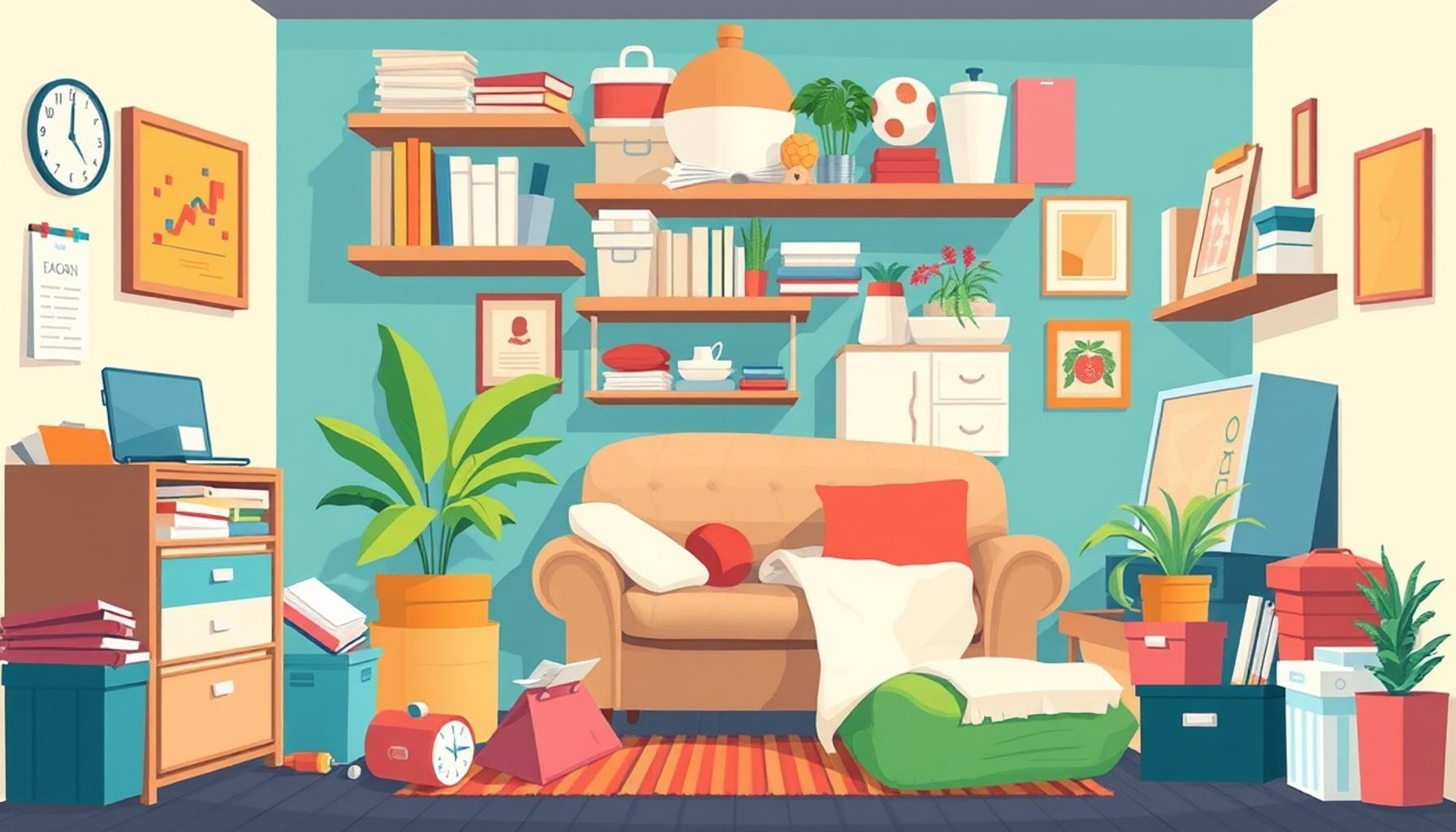
Transforming Your Living Space
Embracing a clutter-free environment can dramatically transform your home. Reducing clutter is not just about aesthetics; it fosters functionality and enhances your overall well-being. A well-organized space promotes a sense of order that can lead to significant improvements in various aspects of daily life.
Endless Benefits
When you declutter your spaces, several benefits emerge:
- Improved Organization: A tidy home allows for easy access to essential items. For instance, think about how much time you could save if your keys, mail, and other frequently used items were always in designated spots. In busy households, this can be a game changer.
- Enhanced Focus: A serene environment promotes better concentration and productivity. In an era where remote work is rapidly becoming the norm, a clutter-free workspace can minimize distractions and aid in completing tasks efficiently. Studies have shown that people tend to be more productive in clean environments.
- Stress Reduction: Less clutter can lead to reduced anxiety levels and a greater sense of calm. Psychologists have found that the chaotic visual stimuli of disorganized spaces can contribute to stress, impacting mental health and overall happiness. A decluttered environment can serve as a sanctuary from the demands of the outside world.
Creating Functional Spaces
Functional spaces are designed to be both practical and aesthetically pleasing. Achieving this ideal involves several strategic approaches:
- Storage Solutions: Utilizing shelves, bins, and boxes can optimize available space. For example, in a small apartment, vertical storage solutions like wall-mounted shelves can create more floor space and make rooms feel larger.
- Visual Harmony: A clutter-free environment allows for a cohesive design and flow. By selecting a color palette that provides visual tranquility, you can enhance the feel of your living spaces. Consider the impact of neutrals complemented by hints of color to create a balanced atmosphere.
- Mindful Purchasing: Focus on quality items that serve a purpose rather than filling your home with unnecessary belongings. This minimalist approach emphasizes the importance of investing in versatile, long-lasting pieces that add value to your home. An example could be choosing a multi-functional piece of furniture, such as a sofa bed, that meets aesthetic and practical needs.
By taking steps to reduce clutter, you can create not just a livable space, but a functional oasis at home. Delve into the transformative effects of decluttering and discover how a few organizational practices can lead to profound changes in your lifestyle. Whether you are moving into a new home or just looking to refresh your existing space, the journey towards a clutter-free life invites you to explore the balance of necessity and beauty.
DIVE DEEPER: Click here to discover more
Unlocking the Power of Organization
The act of reducing clutter is not merely a task on a to-do list; it is a transformative journey toward creating spaces that are not only functional but also harmonious. Clutter can distract and overwhelm, while a well-organized environment can inspire and invigorate. When you commit to decluttering, you’re taking significant steps toward enhancing your quality of life at home. An organized space can foster creativity, boost productivity, and even enhance your emotional well-being.
The Psychological Advantage
One of the most compelling benefits of reducing clutter is its profound impact on mental health. Research indicates that disorganized spaces can create a visual overload, leading to increased stress and anxiety. A study published in the journal “Personality and Social Psychology Bulletin” found that women who reported a higher level of clutter in their homes also reported increased levels of depression and negative moods. In contrast, a tidy home promotes serenity and clarity of mind. Imagine walking into your living room and seeing a welcoming space, free from the chaos of unnecessary items. The feelings of relaxation and comfort can transform your entire mood, turning your home into a sanctuary rather than an overwhelming space filled with reminders of tasks left undone.
Moreover, small changes can lead to substantial improvements in your daily habits. When everything is in its rightful place, the time spent searching for items significantly decreases. A study by the National Association of Professional Organizers found that the average American spends 38 hours a year searching for lost items. That’s equivalent to a full workweek! Prioritizing organization can reclaim that precious time, allowing for more moments of enjoyment and productivity. Whether it’s more time for family dinners, hobbies, or simply unwinding with a book, a well-organized home enables you to reclaim control over your schedule.
Realizing Practical Solutions
Creating functional spaces begins with identifying the specific needs and flows of your home. By reducing clutter, you pave the way for practical solutions that enhance your living experience. Engaging in this process fosters not just neatness but a deliberate approach to how you live.
- Customized Layouts: Evaluate how you use each room. Do you need a workbench in the kitchen or just a simple coffee corner? Image the difference a strategically placed, functional workspace can make. Identifying the primary functions of each space will allow you to keep only what you truly need, maximizing your home’s efficiency and comfort.
- Flexible Furniture: Consider investing in furniture that serves multiple purposes. A stylish ottoman that doubles as storage or a fold-out desk can help limit clutter while seamlessly integrating into your existing décor. For instance, modular shelving units allow you to adjust your setup according to your lifestyle needs without permanent commitment.
- Routine Maintenance: Establishing a routine for decluttering can prevent build-up over time. Designate a time each week or month for a quick tidy-up, focusing on hotspots where clutter tends to accumulate, such as entryways or countertops. This proactive approach will maintain your clean and serene environment, creating a habit of order that extends beyond physical spaces.
As you focus on these aspects of decluttering, you’re not just enhancing the functionality of your spaces; you are creating a long-term lifestyle that values simplicity and intentionality. In our fast-paced world, cultivating an easy-to-manage home is a crucial investment in both peace of mind and physical space. The transformation won’t happen overnight, but with consistent effort, the calming effects of an organized environment can significantly enhance your quality of life, making your home a place of refuge amidst the chaos of modern living.
The Benefits of Reducing Clutter in Creating Functional Spaces at Home
Reducing clutter is not just about aesthetics; it also profoundly impacts the functionality and emotional atmosphere of your home. When spaces are free of unnecessary items, the environment becomes more conducive to relaxation and productivity. Functional spaces promote a harmonious lifestyle, making daily activities smoother and more enjoyable.
Furthermore, a clean and organized home can boost mental clarity. Research indicates that clutter can overwhelm individuals, leading to increased stress levels. By reducing clutter, you create room for peace and tranquility, fostering a more under-control lifestyle. This positive change not only enhances your mood but also encourages better focus, enabling you to complete tasks more efficiently.
Moreover, reducing clutter can lead to financial savings. When possessions are organized and accounted for, it minimizes the chance of purchasing duplicates or items you already own. This also opens your space for creativity—transforming rooms into functional areas that inspire productivity and joy.
Let’s explore some key advantages in detail:
| Advantage | Description |
|---|---|
| Enhanced Productivity | A decluttered space allows for easier navigation and increased focus, enhancing overall productivity. |
| Improved Mental Wellness | Less clutter contributes to lower stress levels and higher mental clarity, fostering a calm home environment. |
By understanding the benefits of reducing clutter, you empower yourself to create a home that reflects your personal style and fosters a tranquil lifestyle. This journey will not only enhance your physical space but also uplift your mental well-being, paving the way for a more fulfilling life.
DISCOVER MORE: Click here to learn about how minimalism boosts mental clarity
Streamlining Your Lifestyle for Longevity
Reducing clutter serves as a pivotal strategy not just for aesthetics or mental clarity, but also for streamlining your lifestyle. In an era marked by consumerism, the allure of accumulating items can lead to overwhelmed spaces. By reassessing what is essential, homeowners can cultivate a lifestyle that embraces longevity and sustainability.
The Economic Argument
A lesser-known benefit of reducing clutter is its potential to save money. By identifying and removing unnecessary items, individuals can prevent future purchases of duplicate or similar items. According to a survey by the National Association of Professional Organizers, 80% of the items Americans own are only used once or not at all. This statistic underscores how clutter can lead to wasted resources. Instead of investing in more storage solutions for excess items, why not invest in quality pieces that enhance your home’s functionality and aesthetic?
Moreover, fewer possessions mean lower costs associated with maintenance. For example, a decluttered home requires less cleaning and upkeep, enabling you to allocate time and money to more enriching activities—such as pursuing hobbies or spending time with loved ones—rather than on a never-ending cycle of tidying. Housing costs can also be impacted; as many homeowners opt for downsizing, effective decluttering can make a smaller space feel more adequate and reduce overall housing expenses.
Enhancing Flow and Functionality
An organized home naturally enhances the flow of everyday activities. Each area becomes a functional space designed for ease of use rather than a collection of items needing to be constantly navigated around. For instance, a clutter-free kitchen encourages efficient meal preparation, transforming cooking from a chore into a delightful experience. Studies by the American Psychological Association suggest that organized kitchen spaces lead to healthier eating habits, as they allow for easier access to essential ingredients and tools.
- Defined Areas: Open spaces create a sense of flow. By defining areas within rooms, such as reading nooks, study spaces, or play zones, you can better utilize your home for its intended purposes. Segmented spaces not only optimize function but also instill a sense of belonging and purpose within each area.
- Intentional Decor: Clutter can mask the beauty of intentional decor choices. Each thoughtfully selected piece of furniture or art can take center stage in a decluttered zone. Elegance arises from simplicity, and the items you cherish can inspire joy and appreciation when not competing for attention with miscellaneous objects.
- Environmental Benefits: A decluttered lifestyle often aligns with eco-friendly practices. By eliminating unnecessary purchases and repurposing or donating items, you contribute to reducing waste. Estimates indicate that the average American household generates over 1500 pounds of waste annually, a number that can be significantly reduced through conscious decluttering efforts. By valuing what you own, you can lessen your ecological footprint.
Engaging in a decluttering mindset fosters a new perspective, transforming your home from a storage unit filled with excess into a curated space that reflects your values and lifestyle. As modern living continues to emphasize convenience and speed, prioritizing a well-organized home becomes essential. The benefits extend beyond aesthetics and mental tranquility; they reach into your financial health, overall well-being, and even the environment.
DIVE DEEPER: Click here to uncover more insights
Conclusion
In summary, reducing clutter transforms your home into a structured and functional oasis, enabling both productivity and mental well-being. This practice is not merely about creating a visually appealing space; it is essential for fostering a lifestyle that prioritizes efficiency, economic savings, and sustainability. With each item that is removed, the potential for renewed creativity and clarity emerges, unlocking the true capability of each space in your home.
Furthermore, the environmental implications of clutter reduction cannot be overlooked. By consciously choosing to downsize and repurpose, individuals contribute to a larger movement towards ecological responsibility, which is increasingly vital in today’s consumer-driven society. As noted, an overwhelming average of 1500 pounds of waste per household annually highlights the urgency of adopting proactive decluttering strategies.
Envision your home not just as a living space, but as a canvas showcasing your values and lifestyle choices. Each carefully selected item breathes life into a space defined by intention rather than chaos. By fostering a minimalist mindset, homeowners can create not only aesthetically pleasing environments but also functional spaces that support a more fulfilling way of living. As you take the first steps toward decluttering, remember that the journey is as important as the destination, paving the way for a brighter, more organized future.
Related posts:
The Connection Between Clutter Reduction and Emotional Well-Being
The Impact of Clutter on Productivity: How a Tidy Space Can Boost Your Work Efficiency
The Impact of Clutter Reduction on Productivity and Focus
The Role of Emotional Attachment in Clutter: Learning to Let Go of Sentimental Items
Clutter and Relationships: How Decluttering Can Improve Communication and Harmony at Home
The Art of Letting Go: How Minimalism Can Transform Your Daily Life

Beatriz Johnson is a seasoned minimalist and writer with a passion for simplifying the complexities of personal organization and decluttering. With over a decade of experience in the field, she specializes in topics like minimalist living, efficient organization strategies, and creating intentional spaces. Through her work, Beatriz empowers readers to make mindful decisions about their belongings, streamline their lives, and embrace a more organized and fulfilling lifestyle.