The Role of Emotional Attachment in Clutter: Learning to Let Go of Sentimental Items
The Stories Behind Our Belongings
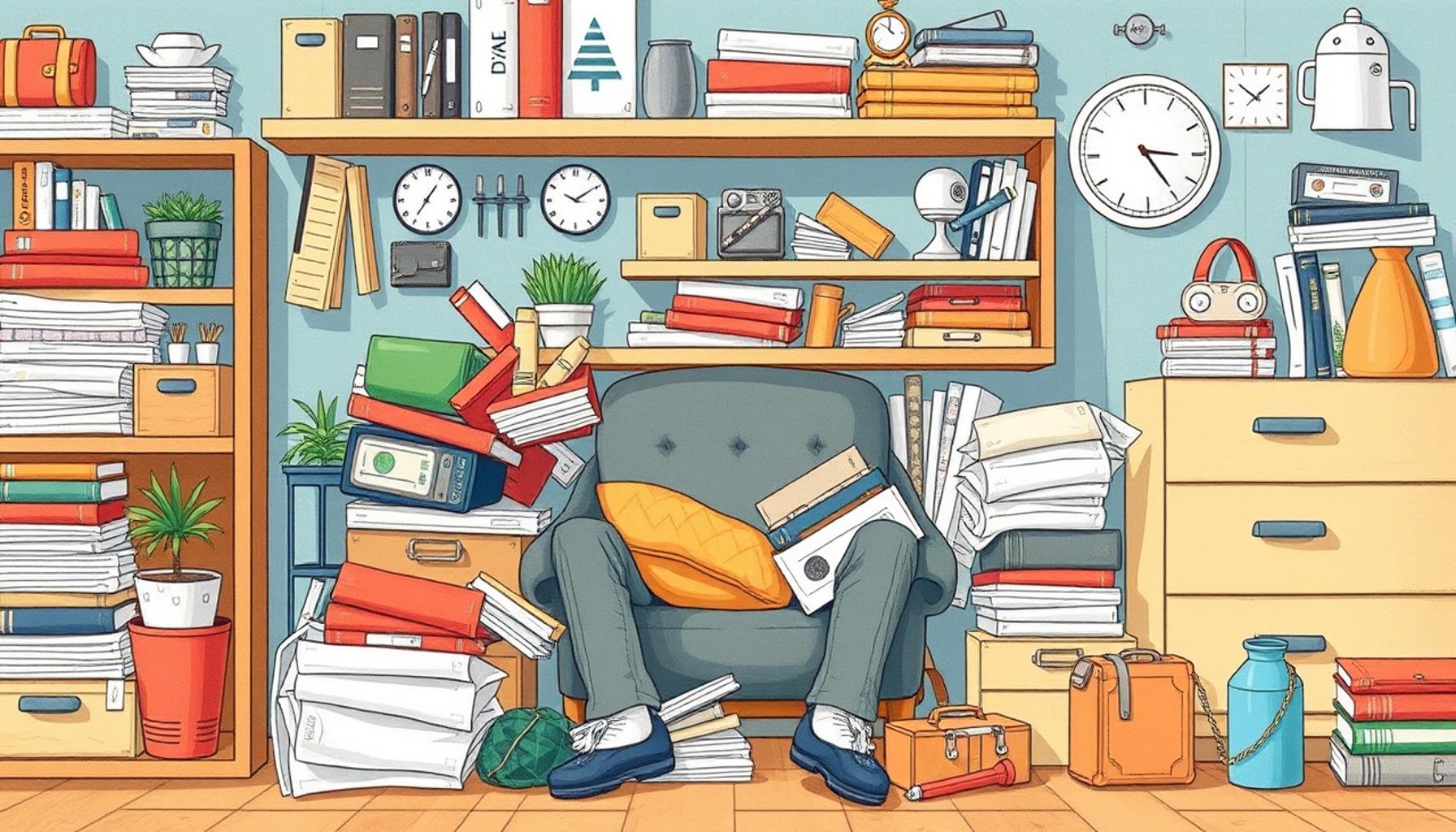
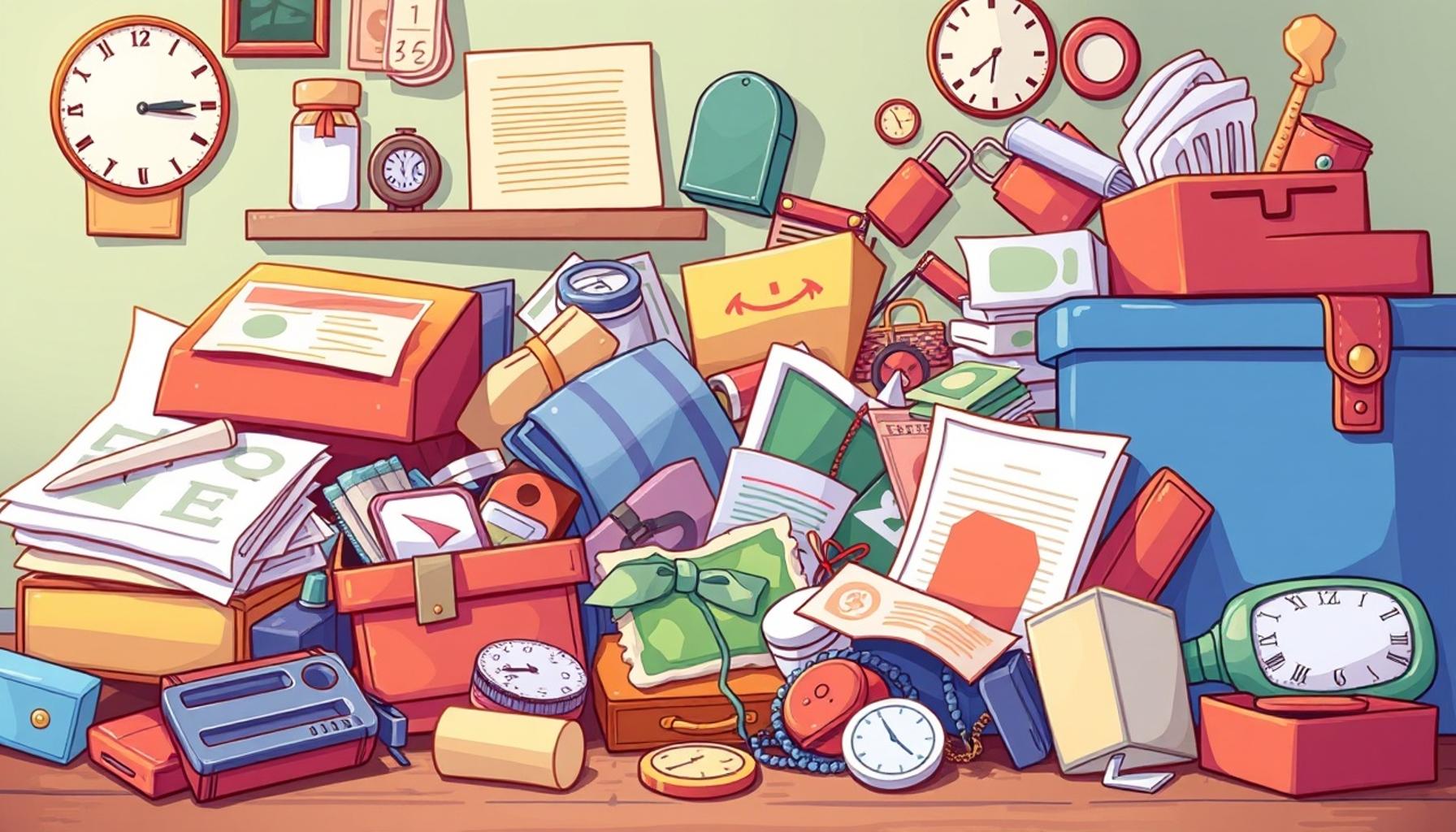
Every home tells a story, often reflected through the possessions we keep. Among them, items such as old photographs, childhood toys, or gifts from loved ones hold deep significance. These items are not merely belongings; they are repositories of cherished memories and connections that often span years, sometimes even generations. However, as these sentimental items accumulate, they can lead to overwhelming clutter that affects our living spaces and mental clarity.
This emotional attachment can manifest in various ways, leading us to hold onto items long after their practical use has passed. For instance, consider the case of inheritances. Family heirlooms—jewelry, furniture, or war medals—bestowed upon us from relatives can evoke strong feelings of nostalgia but can also burden us with an emotional expectation to keep them. Another example is memorabillia. This might include concert tickets, jerseys from significant sports events, or travel souvenirs collected during important life moments. These items often remind us of thrilling experiences and the people we shared them with.
Additionally, gifts given on special occasions—like weddings, graduations, or holidays—serve as physical reminders of love and appreciation. Even if the items themselves are no longer useful, the memories attached to them can create a reluctance to release them. This relationship with our belongings can lead to a cycle of hoarding feelings, guilt, and indecision when it comes time to declutter. For many, the thought of parting with a cherished item feels like losing a piece of a loved one or a significant moment in time.
The challenge lies in recognizing when these items serve more harm than good. When clutter overwhelms your living environment, it can contribute to a decline in mental clarity and overall well-being. Research has shown a direct link between cluttered spaces and increased stress levels, leading to feelings of anxiety and frustration. Finding the balance between cherishing memories and making room for new ones is essential for maintaining a healthy living space and emotional state.
In this article, we will delve deeper into the intricate role of emotional attachment in the clutter we accumulate. Furthermore, we will offer practical strategies to help you learn how to let go of sentimental items without losing the memories they represent. By doing so, you open up new possibilities for creating a space that reflects your current life while honoring your past.
DISCOVER MORE: Click here to enhance your time management skills
Understanding Emotional Attachment
Emotional attachment to our belongings is a complex phenomenon that intertwines psychology and our personal histories. Each item we hold dear serves as a symbol of significant moments, relationships, or phases of our lives. Yet, this attachment can hinder our ability to make objective decisions regarding our possessions. It is essential to delve deeper into the reasons behind our emotional connections to these items, as this understanding can pave the way for healthier decluttering practices.
One of the primary reasons for holding onto sentimental items is the nostalgia they evoke. Nostalgia has been found to play a dual role in our emotional well-being; it can provide comfort and a sense of belonging while simultaneously entrenching us in the past. This lingering connection can make it challenging to declutter our spaces. The memories associated with specific items, be it a childhood stuffed animal or a vintage jacket worn during unforgettable summer adventures, can create a mental barricade preventing us from releasing them.
Moreover, cultural influences also shape how we view sentimental items. In the United States, where the ethos often revolves around individuality and self-expression, personal possessions can become profound reflections of identity. For many, items inherited from family members are not just “things” but represent a lineage and continuity that one wishes to preserve. This can clearly manifest in the way people regard items like antique furniture, family photo albums, or even quilts passed down through generations. The emotional burden is often amplified when societal expectations suggest that one must honor these items or adhere to the sentiment attached.
- Reluctance to let go: The fear of forgetting the memory tied to an object can lead us to hold onto it indefinitely.
- Guilt: Parting with gifts or heirlooms can invoke feelings of betrayal, as if relinquishing a piece of the giver’s affection.
- Fear of loss: For some, releasing sentimental items feels like relinquishing control over cherished memories and connections.
Another crucial factor in emotional attachment is the psychological concept of loss aversion, which suggests that people tend to prefer avoiding losses rather than acquiring equivalent gains. In the context of clutter, this means that we often perceive losing an item as a more significant loss than the perceived benefits of making space. This psychological phenomenon plays a vital role in why we hesitate to let go of sentimental belongings even when they no longer serve a purpose in our lives.
As we navigate our emotional relationship with clutter, recognizing and understanding these psychological mechanisms is paramount. By acknowledging the feelings associated with each possession, we can better evaluate what truly adds value to our lives and what may be holding us back. Ultimately, learning to let go of sentimental items involves reconciling the memories they represent with the practical aspects of our living spaces, making room for newfound experiences while cherishing the past.
Emotional attachment to sentimental items can create significant clutter in our lives, often making it challenging to maintain a clean and organized space. This attachment arises from memories associated with those items but can also lead to a cycle of guilt and anxiety when considering letting them go. To tackle this emotional challenge, it’s essential to understand the different types of sentimental items we hold on to and the reasons behind our attachment to them.Memories of Loved Ones – Many sentimental items are gifts from family and friends, including those no longer present in our lives. While these items evoke strong memories, holding onto them can prevent us from moving forward. A strategy to ease this attachment is to capture the memory through photography. By taking pictures of the item before letting it go, individuals can preserve the sentiment while decluttering their physical space.Milestones and Achievements – Items associated with significant life events, such as diplomas, trophies, or wedding memorabilia, often carry deep emotional weight. However, keeping everything can quickly become overwhelming. One useful approach is to create a dedicated display space or memory box, allowing for a curated collection of the most meaningful items without the burden of excess.Connection to Personal Identity – Our possessions often reflect our identities, making it difficult to detach from them. People may struggle with letting go of items that represent past passions, hobbies, or experiences. Engaging in self-reflection to prioritize what truly aligns with their current self can aid in making more intentional decisions about what to keep versus what to release.As individuals navigate the process of decluttering sentimental items, it becomes vital to recognize the emotional aspect of this journey. Embracing strategies that honor memories while also prioritizing a healthier living environment can promote emotional wellbeing. By finding a balance, individuals can learn to let go of excess clutter and make room for new experiences and memories, leading to a less chaotic and more fulfilling life. Recognizing that items serve as reminders of our past rather than anchors can empower individuals to reclaim their space and emotional health. This emotional journey is both a challenging and transformative process, allowing for self-discovery and growth as one learns to differentiate between what holds genuine value and what merely occupies space.
DISCOVER MORE: Click here to learn about the benefits of reducing clutter
Navigating the Emotional Landscape of Sentimental Clutter
As we examine emotional attachment in relation to clutter, it becomes critical to recognize the tangible effects this attachment can have on both our mental and physical environments. The act of decluttering goes beyond simply organizing our possessions; it requires an emotional reckoning that involves confronting our relationships with items that no longer serve us. This confrontation can be both liberating and daunting.
One strategy that may ease the process of letting go is to engage in the art of memory preservation. Creating a digital archive or journal dedicated to memories associated with sentimental items can fulfill the emotional needs tied to them without necessitating physical storage. For instance, take a treasured family heirloom, like a quilt passed down generations. Photographing it and documenting the stories behind it allows you to maintain the emotional connection while freeing up physical space. This practice emphasizes that while the object holds historical value, the memories and lessons are not lost when the item departs.
Additionally, it’s beneficial to explore the concept of minimalism as a lifestyle choice, rather than a temporary fix. Minimalism encourages us to evaluate what truly holds meaning in our lives, emphasizing quality over quantity. By adopting a minimalist mindset, individuals can better understand that memories exist independently of physical items. This realization can catalyze a shift in perspective, prompting individuals to view clutter as a barrier to peace, rather than a treasure trove of nostalgia. Research has shown that minimalism can correlate with enhanced well-being, leading to reduced stress and anxiety levels associated with overwhelming possessions.
Furthermore, the impact of community and social relationships also cannot be overlooked in this emotional exploration. Participating in decluttering initiatives with family or friends can diminish the emotional burden often tied to letting go of items. Collective decision-making allows for shared perspectives on the sentimental value of items and encourages accountability. If a family member feels strongly about a particular object, discussing its significance together may ease the transition of letting go. Additionally, donating items to local charities or organizations can provide a sense of fulfillment, knowing that the belongings will be giving joy to others, rather than languishing in storage.
It is also crucial to recognize the role of emotional rituals in the decluttering process. Developing personal rituals, such as expressing gratitude for items before parting with them or performing a ‘farewell ceremony,’ can add closure to the experience. These rituals can be instrumental in reducing feelings of guilt or loss related to letting go. Engaging in these practices can create space for positive emotions associated with new beginnings, making the process of decluttering feel less like a loss and more like an opportunity for personal growth.
As we navigate through the complexities of emotional attachment and clutter, it becomes clear that the journey is deeply intertwined with our individual stories. By exploring methods that honor the sentiments tied to our possessions, we can pave the way for a healthier relationship with our belongings. This balance of emotional security and practical living fosters a healthier environment, ultimately leading to a more fulfilling lifestyle that embraces the present while respecting the past.
DISCOVER MORE: Click here to enhance your time management skills
Embracing Freedom Through Letting Go
In conclusion, understanding the profound role of emotional attachment in clutter is vital to our journey of personal growth and well-being. As we confront our sentimental items, we uncover layers of nostalgia, identity, and memory that have often dictated our lives far more than we realize. The process of decluttering is not merely about physical space; it embodies a transformative experience that melds the past with the present.
Utilizing strategies such as memory preservation, adopting a minimalist lifestyle, and engaging with communities can significantly ease the emotional burden tied to letting go. These methods allow us to honor our memories while prompting the emotional release necessary to redefine our living spaces. By shifting our perspective from attachment to appreciation, we can redefine our relationship with our belongings and foster a more intentional living environment.
Moreover, incorporating emotional rituals can imbue the decluttering process with a sense of purpose, turning moments of goodbye into opportunities for gratitude. This holistic approach not only enhances our mental well-being but also enriches our lives by creating room for new experiences and connections.
Ultimately, as we navigate through our emotional landscapes, learning to let go of sentimental items presents an opportunity to embrace freedom. It encourages us to sift through the clutter, not just to clear physical space, but to rejuvenate our emotional landscapes, allowing us to cherish our past while making room for a vibrant and meaningful present.
Related posts:
Clutter-Free Mind: Meditation Techniques to Support Your Minimalist Journey
Organizing Your Digital Life: Strategies for Reducing Clutter in the Virtual World
The Influence of Minimalism on Consumer Behavior and Clutter Reduction
Clutter and Relationships: How Decluttering Can Improve Communication and Harmony at Home
Minimalist Mindset: How Reducing Clutter Can Improve Your Emotional Well-Being
The Psychological Benefits of Decluttering: How Reducing Clutter Enhances Mental Clarity

Beatriz Johnson is a seasoned minimalist and writer with a passion for simplifying the complexities of personal organization and decluttering. With over a decade of experience in the field, she specializes in topics like minimalist living, efficient organization strategies, and creating intentional spaces. Through her work, Beatriz empowers readers to make mindful decisions about their belongings, streamline their lives, and embrace a more organized and fulfilling lifestyle.