Minimalist Mindset: How Reducing Clutter Can Improve Your Emotional Well-Being
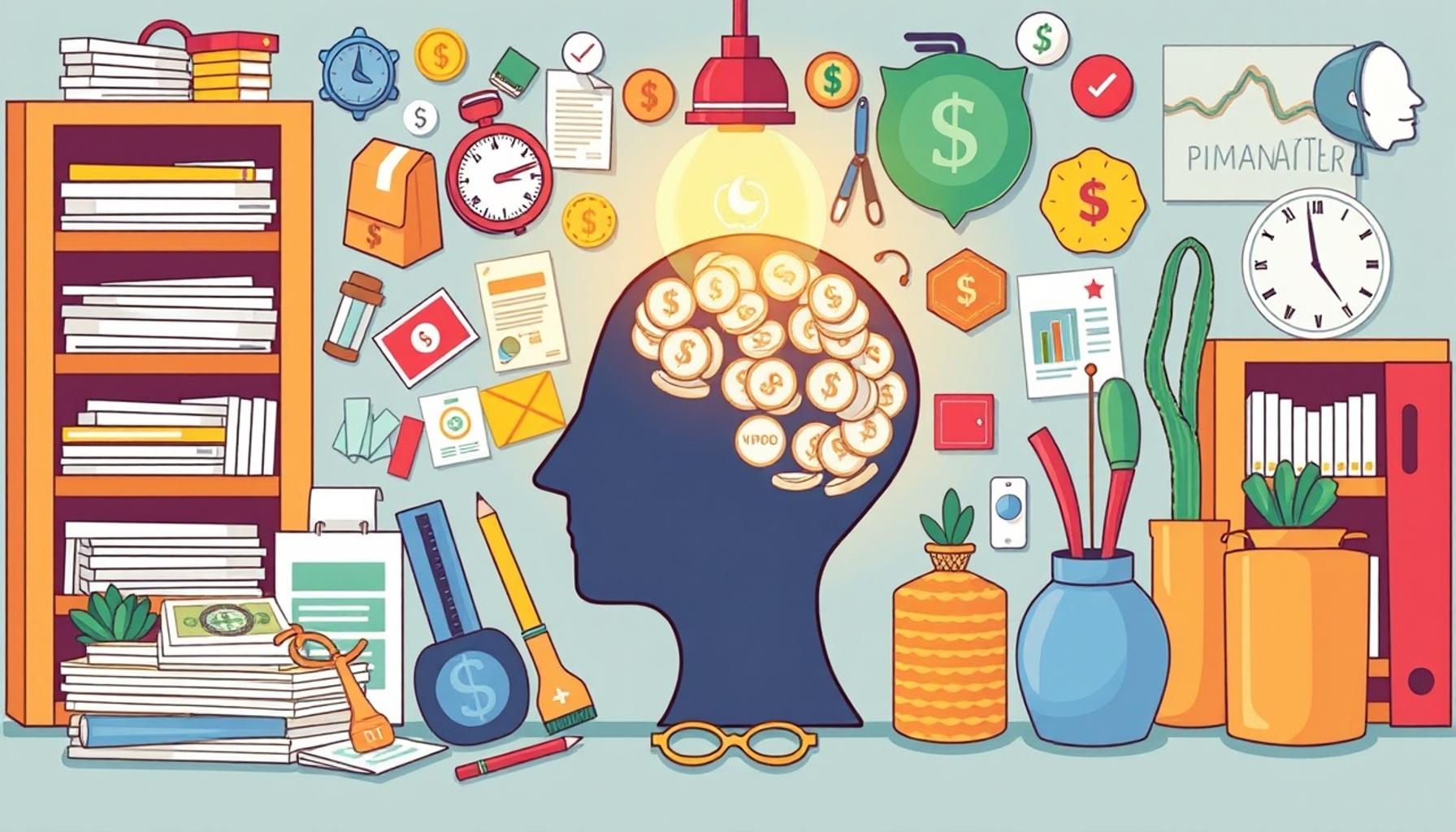
Exploring the Depth of a Minimalist Mindset
In our contemporary society, characterized by an incessant influx of information and possessions, the burden of clutter weighs heavily on many individuals. The rising popularity of the minimalist mindset serves as a refreshing counterbalance to this chaos. At its core, minimalism is about simplifying not just our physical surroundings but also the complexities of our lives. By adopting this philosophy, individuals can pave the way towards a more intentional and fulfilling existence.
Delving deeper into minimalism unveils numerous benefits tied to emotional and psychological well-being. For instance:
- Reduced stress: A cluttered space often translates to a cluttered mind. The act of minimizing possessions creates a serene environment that can significantly alleviate feelings of anxiety. Research indicates that physical clutter can lead to overstimulation and heightened stress levels.
- Greater focus: In a decluttered space, distractions wane. This increase in focus can result in enhanced productivity, whether at work or during personal projects. Individuals might notice improved performance in tasks that require sustained concentration, from studying to creative endeavors.
- Improved decision-making: When surrounded by fewer items, decisions become less daunting. The psychological load of choosing from a myriad of options can be overwhelming. Minimalism encourages individuals to streamline their choices, fostering a clearer thought process.
Embracing a minimalist lifestyle goes far beyond mere organization; it fosters a profound philosophical shift regarding one’s relationship with possessions. This new perspective can yield significant advantages:
- Emotional clarity: A minimalist approach invites individuals to reflect on what truly matters in their lives, whether that be relationships, experiences, or personal growth. This clarity can lead to deeper connections and a more purposeful existence.
- Financial savings: By minimizing unnecessary purchases and focusing on quality over quantity, individuals can experience enhanced financial freedom. For many, the practice of mindfulness in spending can lead to healthier savings habits and less financial stress.
- Environmental impact: Embracing minimalism often aligns with sustainable practices. Reducing consumption not only helps declutter our spaces but also contributes to a more environmentally conscious lifestyle, minimizing waste and promoting eco-friendliness.
As one contemplates the transition to minimalism, it’s crucial to start small. Focus on decluttering one area at a time—perhaps a single drawer or a room. Gradually, these small victories build momentum towards a more intentional way of life. Ultimately, embracing minimalism can unlock a route to enhanced mental health and well-being. Are you prepared to explore how reducing clutter can usher in a profound transformation in your emotional landscape?
LEARN MORE: Click here to discover how to create a harmonious family routine
The Emotional Benefits of Embracing Minimalism
The journey into a minimalist mindset begins with recognizing the silent yet powerful influence of clutter on our emotions and mental health. In the hustle and bustle of modern life, we often accumulate not only physical items but also emotional baggage that lingers, weighing us down. By reducing clutter, individuals can foster an environment that uplifts their emotional well-being, creating a sanctuary that promotes clarity and peace.
Clutter does more than just occupy physical space; it can evoke negative emotions like shame, guilt, and overwhelm. People may come home to disorganized spaces and feel an instantaneous sense of defeat. Scientific studies have supported this, showing that disarray in our personal environments can lead to a rise in stress hormones, making it challenging to unwind and embrace relaxation. Thus, creating a serene space through minimalism can serve as a necessary antidote to these emotional strains.
One of the critical emotional benefits of practicing minimalism is the promise of enhanced emotional clarity. As homeowners declutter, they confront the task of identifying and letting go of items that no longer serve them. This process fosters engagement with our true selves, illuminating what we value most. It’s essential to differentiate between what is truly important and what is merely leftover from past phases of life. The journey may require more than just physical reduction; it invites profound self-reflection, leading to better insights about one’s values and priorities.
In addition to emotional clarity, minimalism promotes mindfulness. Engaging in the practice of decluttering often encourages a mindful approach to daily living. As individuals assess their space, they cultivate an awareness of their surroundings and the impact of their choices. This can lead to more mindful consumption habits, where each purchase is deliberate and intentional. Over time, this practice extends beyond physical possessions, encouraging a thoughtful examination of how commitments and relationships contribute to one’s happiness.
- Stress Reduction: With less clutter comes less visual distraction, which can translate to lower stress levels. A serene environment allows for better focus and a greater capacity to cope with daily challenges.
- Improved Creativity: Creativity can sometimes be stifled by chaos. A decluttered workspace enables clearer thinking, allowing creative juices to flow more freely.
- Enhanced Sense of Accomplishment: The act of decluttering itself can foster feelings of achievement. Each item removed represents a step toward a more simplified life, reinforcing a sense of control and satisfaction.
Thus, embracing minimalism is not merely about an external tidy-up; it’s a transformative experience that leads to a healthier emotional landscape. As individuals make strides toward simplifying their physical environment, they also foster a deep-seated change in their emotional well-being. Do the benefits of decluttering resonate with you? Perhaps it is time to reconsider your surroundings and uncover a refreshed emotional state.
The Impact of Clutter on Mental Health
Creating a minimalist mindset is not just about tidying up your physical space; it’s also about enhancing your emotional well-being. Research suggests that a cluttered environment can lead to increased stress and anxiety, making it crucial to understand how reducing clutter can foster a more positive mental state. Reducing distractions and simplifying our surroundings allows for greater focus, promoting productivity and creativity. Clutter can overload our senses and hinder our ability to make decisions, leading to a feeling of being overwhelmed. By adopting minimalism, you’re not only cleaning up your space but also clearing your mind. A streamlined environment creates a sense of tranquility, allowing you to feel more in control. Embracing a minimalist lifestyle can also clarify priorities, helping individuals focus on what truly matters. This clarity enhances emotional resilience and contributes to positive mental health outcomes. By choosing to simplify, you can foster a more peaceful emotional environment, better relationships, and a stronger connection to your inner self. Therefore, the journey toward a minimalist approach is a pathway to emotional health, ultimately leading to a more fulfilled life. The benefits of this mindset extend beyond mere aesthetics; they influence how we perceive and interact with our world.
| Category | Advantages |
|---|---|
| Reduced Stress | Minimizing clutter lowers stress levels, creating a calming atmosphere. |
| Improved Focus | A decluttered space enhances concentration and decision-making abilities. |
| Emotional Clarity | Simplifying surroundings allows for better self-reflection and understanding. |
| Better Relationships | A peaceful space fosters more harmonious interactions with others. |
DIVE DEEPER: Click here to learn more
Creating Space for Emotional Growth
As individuals embrace a minimalist mindset, they often find that the benefits extend far beyond the physical act of decluttering their homes. This intentional reduction of clutter encourages the creation of space for emotional growth, allowing individuals to cultivate healthier relationships with themselves and others. When we simplify our surroundings, we become more attuned to our emotional landscape, gaining the opportunity to address and process feelings that may have been overshadowed by our chaotic environments.
One significant aspect of emotional growth through minimalism is the ability to engage in self-care. A clutter-free environment creates a calming atmosphere that encourages relaxation and introspection. This can lead individuals to establish self-care rituals that nurture their mental health. Whether it’s reading a book, meditating, or simply enjoying a quiet moment, having a peaceful space allows for meaningful interactions with oneself. Research shows that self-care practices can significantly reduce anxiety and depression, making minimalism a foundational element of emotional healing.
Additionally, minimalism fosters better relationships through the intentionality it encourages. As people declutter their spaces, they often find the need to declutter their social lives as well. This means evaluating relationships and commitments and letting go of those that do not align with their values or bring joy. Such an approach leads to more genuine connections with others, as individuals choose to invest their time and energy in relationships that truly matter. In fact, studies indicate that strong social support networks can enhance emotional well-being, making the case for minimalism as a pathway to richer interpersonal experiences.
The intersection of minimalism and emotional well-being is also evident in the realm of mindful consumption. By adopting a minimalist mindset, individuals are encouraged to reflect on their purchasing habits and the motivations behind them. Do they buy to fill a void? Are they influenced by societal pressures? Conscious consumerism that arises from minimalism fosters a sense of responsibility and mindfulness in a world saturated with consumer culture. Research emphasizes that mindful spending—not just in terms of money, but also time and energy—can lead to greater contentment and fulfillment.
- Enhanced Focus: Reducing physical and mental clutter allows individuals to concentrate on what truly matters. With fewer distractions, emotional processing and personal reflection can occur more naturally.
- Boosted Resilience: A clearer environment can strengthen the mind’s ability to navigate adversity, fostering a more resilient outlook on life. Individuals learn to adapt better to challenges without the weight of excess baggage.
- Greater Joy in Simplicity: Many minimalists find joy in simple pleasures—be it a walk in nature or a decluttered desk. This newfound appreciation for the present moment significantly boosts overall emotional satisfaction.
In embracing minimalism, individuals may discover an unexpected treasure trove of personal insight and emotional resilience. The process of reducing clutter opens up possibilities for deeper reflection and fosters a sense of peace. Minimizing physical possessions ultimately cultivates a rich inner life, enabling people to thrive emotionally in a clearer, more purposeful world.
DISCOVER MORE: Click here for tips on creating a harmonious family routine
Embracing Minimalism for a Healthier Mindset
In conclusion, adopting a minimalist mindset presents a profound opportunity for individuals to enhance their emotional well-being through the simple act of reducing clutter. By fostering an environment that prioritizes clarity and simplicity, individuals unlock their potential for self-discovery and emotional growth. As clutter dissipates, mental space expands, enabling a deeper connection with one’s thoughts and feelings.
The ripple effect of minimalism extends beyond individual emotional resilience—it reverberates through our relationships and social interactions. When we intentionally let go of superficial connections and commitments, we create room for more meaningful experiences that enrich our lives. Furthermore, the awareness gained through mindful consumption allows individuals to cultivate a sense of responsibility towards their choices, contributing to a more fulfilling existence.
Research consistently indicates that environments that prioritize simplicity not only enhance focus and clarity but also dramatically improve emotional health. As individuals begin to appreciate the beauty in simplicity, they often find unexpected joy in everyday moments, transforming their overall outlook on life.
Ultimately, the minimalist journey is not merely about reducing physical possessions; it is a pathway toward emotional enlightenment. By embracing this lifestyle, individuals can foster a sustainable sense of peace, resilience, and joy, paving the way for lasting emotional well-being. As the minimalist movement continues to gain traction across the United States, the opportunity for further exploration into its benefits remains vast. The question is—are you ready to embrace the emotional liberation that comes from a life less cluttered?
Related posts:
The Connection Between Clutter Reduction and Emotional Well-Being
The Role of Emotional Attachment in Clutter: Learning to Let Go of Sentimental Items
The Art of Letting Go: How Minimalism Can Transform Your Daily Life
The Role of Digital Decluttering in Achieving a Minimalist Mindset
The Intersection of Minimalism and Time Management: How Reducing Clutter Can Help You Reclaim Your S...
10 Practical Steps to Declutter Your Home: Embracing Minimalism

Beatriz Johnson is a seasoned minimalist and writer with a passion for simplifying the complexities of personal organization and decluttering. With over a decade of experience in the field, she specializes in topics like minimalist living, efficient organization strategies, and creating intentional spaces. Through her work, Beatriz empowers readers to make mindful decisions about their belongings, streamline their lives, and embrace a more organized and fulfilling lifestyle.