Transforming Spaces: The Art of Decluttering for Small Living Areas
The Importance of Decluttering in Small Living Spaces
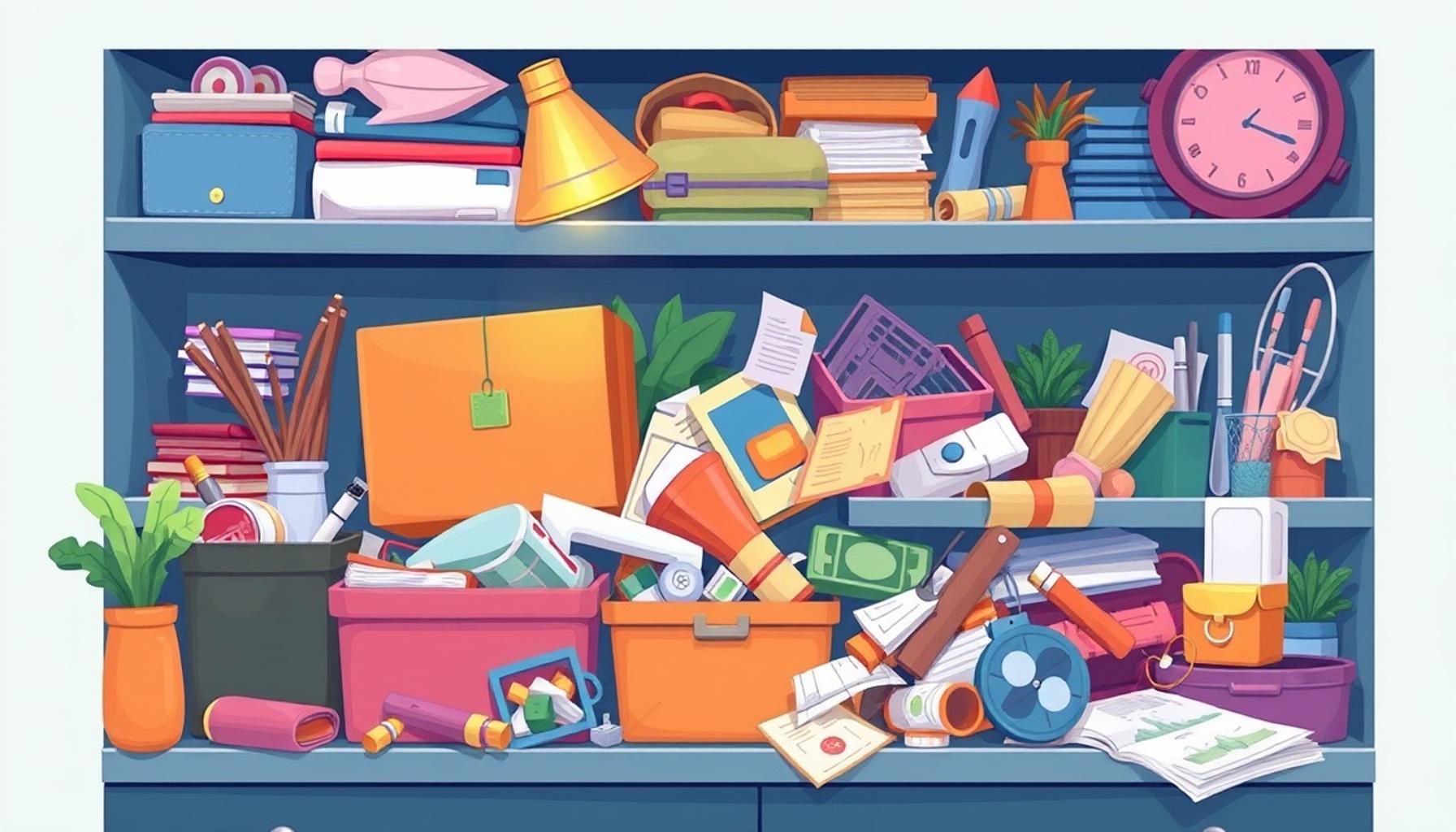
In an era where urbanization casts a long shadow, many Americans find themselves residing in smaller apartments and homes. This shrinking of living spaces brings to the forefront the ongoing challenge of managing clutter, as it can often feel overwhelming and counterproductive. However, the art of decluttering is not just about tidiness; it’s about cultivating an environment that fosters peace and functionality amidst the chaos.
One of the most significant advantages of decluttering is the enhanced functionality it brings to living areas. In smaller spaces, every square foot counts, so ensuring that each item can serve a defined purpose maximizes the efficiency of those areas. For instance, instead of having separate items for storage and decor, consider using decorative baskets that can hold blankets while also serving as stylish accents on your shelves.
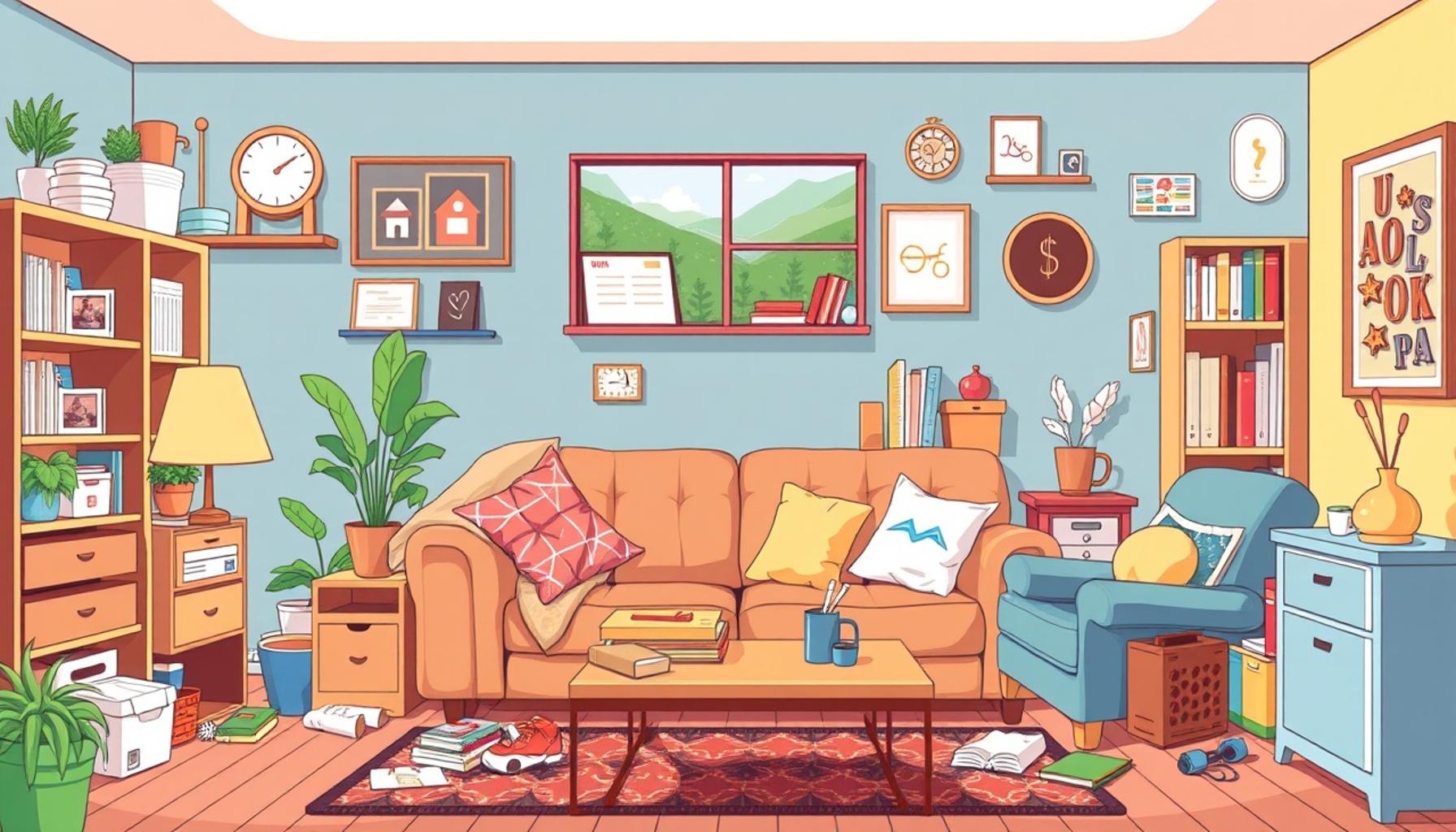
Another compelling reason to embrace decluttering is that a well-organized space is typically aesthetically pleasing. A clean and tidy environment can uplift your mood and invite a sense of serenity. Imagine walking into a clutter-free room with soft lighting, carefully chosen art pieces on the walls, and ample room for movement—this setting not only looks beautiful but also feels welcoming, making it a space where you and your guests enjoy spending time.
Moreover, decluttering contributes to stress reduction by providing a calming atmosphere that allows individuals to focus and unwind. Research has shown that physical spaces can significantly impact mental well-being. A systematic approach to organizing can clear mental fog, thereby enhancing productivity and alleviating the feelings of anxiety linked to overwhelming surroundings. For example, after a long day at work, coming home to a tidy living room can feel like a breath of fresh air, in stark contrast to stepping into a chaotic environment.
Effective Strategies for Decluttering Small Spaces
To embark on the transformative journey of decluttering, consider the following strategies suited for smaller spaces:
- Maximize Vertical Space: Elevate storage solutions with tall bookshelves and wall-mounted hooks. Items like floating shelves can not only save space but also serve as a decorative display for photo frames or small plants.
- Furniture with Dual Purposes: Invest in innovative furniture like ottomans that open for storage or coffee tables with hidden compartments. A well-chosen sofa bed can serve as both a couch and an additional sleeping area for guests.
- Embrace Minimalism: Adopt a minimalist approach by retaining only those items that serve a specific function or bring you joy. Regularly assess your belongings to ensure that you keep only what is necessary and meaningful, allowing for a more curated and impactful living space.
As we delve deeper into the world of decluttering, it’s clear that this practice is much more than a task. It is a way of redefining our living environments into zones of calm and connectivity. By embracing innovative approaches and expert advice, we can transform cluttered spaces into serene sanctuaries that inspire creativity and successfully meet daily needs. So, join the decluttering movement today—your mind, body, and spirit will thank you.
DISCOVER MORE: Click here for expert tips
Effective Strategies for Simplifying Your Living Area
As we navigate the nuances of small living, it becomes evident that the strategies we employ to declutter our spaces can define the overall experience of our homes. Implementing an intentional approach towards organization not only amplifies the physical area available but also invokes a sense of emotional well-being. Here are several proven strategies that can help declutter and enhance the functionality of your small living spaces:
- Create a Decluttering Schedule: A well-organized decluttering process begins with creating a realistic schedule. Set aside specific days to tackle different areas of your home. This focused approach can diminish feelings of overwhelm and lead to a more sustainable decluttering routine. An effective method is the “one in, one out” rule, where each new item brought into your home requires the removal of an existing item.
- Establish Multi-Functional Spaces: Maximize the potential of each area by creating zones that serve more than one purpose. For example, a corner of your living room can double as a small office space with a stylish desk and chair that can be folded or tucked away when not in use.
- Invest in Modular Storage Solutions: Modular furniture pieces and storage containers can be customized to fit your evolving needs. Items such as stackable bins, wheeled carts, or under-bed storage can adapt to life changes, providing flexibility that static furniture simply cannot.
In addition to these practical strategies, understanding the psychology behind decluttering can inform your approach to managing your possessions. Studies reveal that our emotional attachment to items often clouds judgment, making it more challenging to part with belongings that no longer serve us. To counter this, try envisioning how much happier and less stressed you will feel in a decluttered space. This perspective shift can often provide the motivation needed to let go of items that are holding you back.
Furthermore, embracing digital solutions can also be an effective component in the decluttering strategy. In a world where our lives are increasingly intertwined with technology, digitizing documents, photos, and media can free up both physical and mental space. Consider using cloud services to store important files or favorite memories, significantly reducing the need for physical space dedicated to cumbersome bookshelves or bulky photo albums.
Ultimately, the journey of decluttering small living areas is about making thoughtful decisions that positively impact your quality of life. By employing creative strategies and maintaining a mindful approach, you will not only enjoy a visually appealing home but gain a livable environment that supports your daily activities and overall well-being.
| Advantages | Details |
|---|---|
| Increased Functionality | Decluttering allows small living areas to become more functional, providing space for essential activities and comfortable living. |
| Enhanced Aesthetic Appeal | A streamline approach to decor leads to a more visually pleasing environment, making spaces look larger and tidier while showcasing design elements. |
| Improved Mental Clarity | A clean, clutter-free space promotes better concentration and reduces stress, contributing to mental well-being. |
| Better Organization | Effective decluttering techniques encourage a more organized lifestyle by creating designated spaces for items, which improves time management. |
| Easier Maintenance | A decluttered home is easier to clean and maintain, saving valuable time and effort for homeowners who enjoy a neat space. |
Adopting the principles of decluttering for small living areas allows one not only to regain control over their environment but also promotes an overall sense of peace and order. Whether you are seeking to maximize functionality or find solace in simplicity, understanding these advantages will inspire you to take the first step toward transforming your space. Embrace the art of decluttering and discover the profound impact it can have on your daily life.
DISCOVER MORE: Click here to learn how decluttering can enhance your home life
Experiencing the Benefits of a Decluttered Lifestyle
Embracing a decluttered lifestyle extends far beyond simply creating a visually appealing environment; it yields both psychological and practical advantages that enhance the entirety of your living experience. The decision to declutter facilitates improved productivity, heightened creativity, and overall emotional well-being, all of which converge in the realm of small living areas. Let’s explore how these benefits manifest and why they are crucial for sustaining a balanced life in tighter spaces.
- Increased Productivity: A clutter-free space encourages a clearer mind. When you minimize distractions, you create a conducive environment for focused work or relaxation. For example, a designated work nook that is free of unnecessary items can significantly boost efficiency and creativity. Research indicates that individuals in tidy environments report better concentration and enhanced performance on tasks that require attention. By fostering a streamlined atmosphere, you pave the way for productivity to flourish.
- Enhanced Emotional Well-Being: Living amidst disorder can lead to heightened stress and anxiety levels. The Mayo Clinic states that physical clutter can cause emotional clutter, resulting in diminished mental clarity. Surrounding yourself with only the items that you cherish and use can elicit feelings of calm and satisfaction. Incorporating elements like plants, meaningful artwork, or a small reading corner can help convert a functional living area into a serene retreat, allowing for a sanctuary where one can unwind and recharge.
Moreover, the challenge of maintaining small living spaces invites creativity in homemaking. Try incorporating DIY storage solutions to not only solve the problem of clutter but also add personal flair to your home. For instance, repurposing an old ladder as a vertical shelf can add a rustic touch while serving as a creative storage solution for magazines, plants, or decorative items. Such initiatives can serve a dual purpose: they promote decluttering and provide an opportunity for self-expression.
Another aspect worth considering is the impact of minimalism as a lifestyle choice. Many have discovered that adopting a minimalist approach—from mindful purchasing to the strict evaluation of what items are essential—allows them to cultivate a more satisfying and less chaotic existence. The minimalism movement emphasizes quality over quantity, urging individuals to invest in fewer items that bring genuine joy or utility into their lives. As you declutter, consider a more intentional approach to the items you decide to keep, emphasizing the stories they tell or the functions they serve.
For many, social interactions can also be transformed in a decluttered home. Spaces that are orderly invite gatherings and encourage the hosting of friends and family. When you clear away excess clutter, you may find that your living area becomes a space of connection and joyful sharing; hence, enhancing the quality of your social life. The convenience and comfort of a well-organized space can help foster deeper relationships, turning your home into a hub of creativity, conversation, and comfort.
In summary, the journey of decluttering a small living area encompasses more than just physical organization—it’s about creating a nurturing environment that catalyzes productivity, fosters emotional well-being, and encourages social engagement. Continuing to harness these benefits will enable you to transform your small space into a thriving haven.
DIVE DEEPER: Click here to discover more about emotional space</p
Embracing a New Chapter in Small Living
In conclusion, the art of decluttering presents a transformative opportunity for those navigating the challenges of small living areas. By systematically removing unnecessary items, you not only lighten the physical load of your space but also enhance your overall quality of life. A decluttered environment promotes increased productivity, emotional balance, and social connectivity, creating a sanctuary where creativity and relaxation can truly thrive.
As you embark on your decluttering journey, consider adopting a mindset rooted in intentionality and minimalism. This approach encourages you to reflect on the true value of your possessions, fostering a deeper appreciation for what you choose to keep. Take advantage of innovative storage solutions and custom DIY projects that not only elevate your space aesthetically but also reflect your personal style, transforming clutter into creativity.
Furthermore, maintaining a clean and organized living area can significantly boost your mental clarity and emotional well-being. Envision your home as a canvas—each item should contribute to the beauty and functionality of your living space. By doing so, you can turn your cozy quarters into a thriving hub of happiness and inspiration.
Ultimately, the journey of decluttering goes beyond mere aesthetics or organization; it represents a lifestyle choice that embraces simplicity and intentional living. As you take small steps toward a more organized environment, remember that the rewards extend beyond your four walls, fostering connections with loved ones and enriching your overall living experience. Dive into this transformative process, and watch as your small living area evolves into a harmonious retreat that reflects your aspirations and enhances your daily life.
Related posts:
Clutter-Free Mind: Meditation Techniques to Support Your Minimalist Journey
10 Practical Steps to Declutter Your Home: Embracing Minimalism
Clutter and Relationships: How Decluttering Can Improve Communication and Harmony at Home
Sustainable Minimalism: Tips to Reduce Clutter and Promote an Eco-Friendly Lifestyle
The Art of Letting Go: How Minimalism Can Transform Your Daily Life
Digital Decluttering: Streamlining Your Online Life for Minimalist Living

Beatriz Johnson is a seasoned minimalist and writer with a passion for simplifying the complexities of personal organization and decluttering. With over a decade of experience in the field, she specializes in topics like minimalist living, efficient organization strategies, and creating intentional spaces. Through her work, Beatriz empowers readers to make mindful decisions about their belongings, streamline their lives, and embrace a more organized and fulfilling lifestyle.