Natural Serums: How to Create Your Own Formulas with Botanical Ingredients

The Appeal of Crafting Natural Serums
In recent years, an increasing number of individuals have been seeking natural alternatives to conventional skincare products. This shift is primarily driven by the desire for glowing skin and holistic wellness that does not compromise on quality or efficacy. Natural serums, which harness the potency of plant-based ingredients, offer a fulfilling solution for those looking to nourish their skin while avoiding harsh chemicals.
One of the most compelling reasons for making your own serums is the customization factor. Every person’s skin is unique, presenting different challenges such as dryness, acne, or signs of aging. When you create your own serums, you have the flexibility to tailor your formulations to meet specific needs. For example, you might blend argan oil, known for its hydrating properties, with rosehip oil for its regenerative benefits, making a perfect solution for mature skin.
Quality control is another significant advantage in crafting your own serums. With commercial products, it can be difficult to trace the origins of each ingredient, and many may contain synthetic additives that are less than skin-friendly. By opting for your serums, you can choose high-quality, organic ingredients that provide peace of mind, knowing that what you apply is pure and beneficial.
Financial benefits also play a role in this movement toward DIY serums. Many high-end skincare brands offer serums at a steep price, but by creating your own, you can save money while indulging in a truly luxurious experience. For instance, you can purchase a few basic ingredients like jojoba oil, lavender essential oil, and vitamin E, and blend them into an effective serum for a fraction of the cost of store-bought variants.
Botanical ingredients come packed with diverse benefits, making them indispensable for anyone interested in enhancing their skincare regimen. For instance, essential oils such as tea tree oil can help combat signs of aging by promoting cell turnover and improving elasticity. Meanwhile, herbal extracts like chamomile are renowned for their ability to soothe irritation and redness, providing a calming effect that is ideal for sensitive skin types.
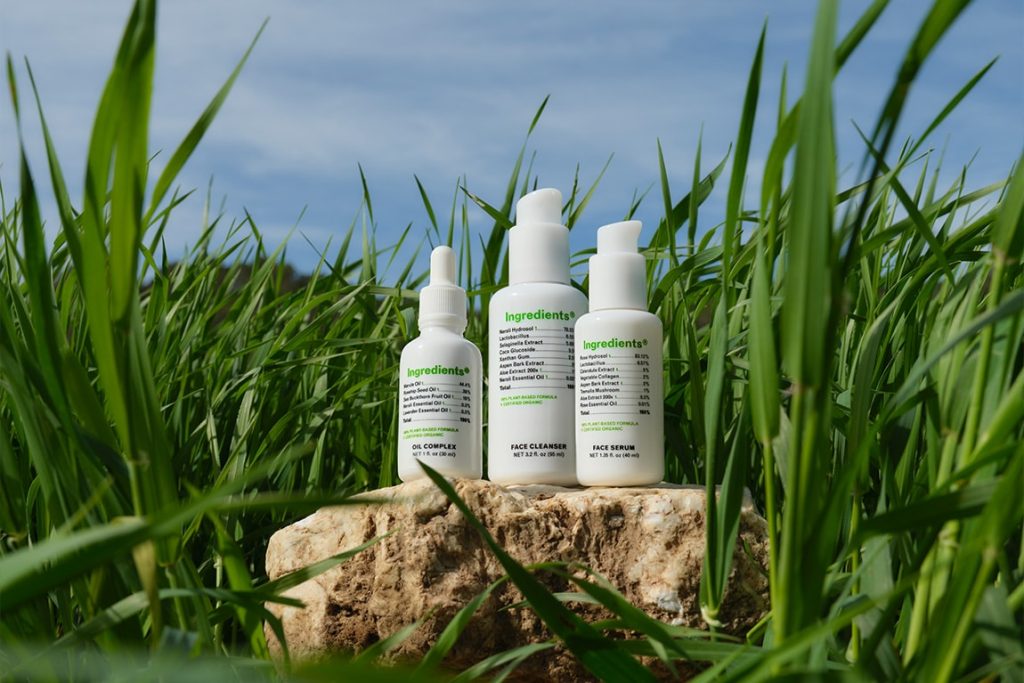
Envision transforming your skincare routine into a lush, organic ritual. With just a few natural ingredients and a bit of creativity, your bathroom could become a sanctuary of rejuvenation, marrying the wisdom of ancient herbal traditions with modern skincare knowledge. The potential of nature is vast, ready to be utilized to produce serums that fit seamlessly into your daily routine.
If you’re prepared to embark on this exciting journey into the world of natural serums, there is a wealth of information available. This guide will be your ally, providing insight into the essentials of crafting your personalized skincare formulas with care and creativity. Discover the joy of formulating serums that not only demonstrate effectiveness but also evoke a sense of connection to nature’s rich tapestry.
LEARN MORE: Click here to discover how your diet can enhance your skin
Essential Ingredients for Your Natural Serums
To craft your own natural serums effectively, it’s crucial to understand the key ingredients that will elevate your formulations. From carrier oils to essential oils, each component plays a vital role in nourishing the skin and delivering significant benefits. Here’s a closer look at some of the most effective botanical ingredients that you can incorporate into your DIY serum recipes:
- Carrier Oils: These oils form the base of your serum and are responsible for nourishing and moisturizing the skin. Popular choices include:
- Jojoba Oil: Mimics the skin’s natural oils, making it ideal for all skin types.
- Argan Oil: Rich in vitamin E and fatty acids, it’s well-known for its hydrating and anti-aging properties.
- Sweet Almond Oil: Great for softening and soothing dry skin.
- Essential Oils: These concentrated plant extracts not only add fragrance but also possess unique skincare benefits. Here are a few to consider:
- Lavender Essential Oil: Renowned for its calming properties, it helps soothe irritated skin.
- Tea Tree Oil: A powerful antiseptic, making it perfect for tackling acne-prone skin.
- Frankincense Essential Oil: Often used for its rejuvenating properties, it can help reduce the appearance of scars.
- Botanical Extracts: These extracts can enhance your serum with additional nutrients and benefits. Some notable extracts include:
- Chamomile Extract: Known for its anti-inflammatory effects; ideal for sensitive skin.
- Aloe Vera Extract: Offers hydrating and soothing properties, great for sunburn or irritated skin.
- Green Tea Extract: Packed with antioxidants, it fights premature aging and protects the skin from environmental stressors.
Before diving into formulating your serum, it’s essential to select high-quality ingredients from reputable sources. Organic and cold-pressed oils are usually the best choices, as they retain their beneficial properties. Furthermore, when acquiring essential oils, ensure that they are 100% pure and free from synthetic additives.
Once you’ve gathered your ingredients, the next step is to experiment and find the perfect combination that suits your skin’s needs. Start with a basic formula—about a 70:30 ratio of carrier oil to essential oil is a common place to begin. However, feel free to adjust the proportions as needed to achieve your desired consistency, potency, and fragrance.
By tapping into the rich variety of botanical ingredients, not only can you create effective skincare solutions, but you also align with a holistic approach to skincare. Embracing this opportunity could turn your daily skincare routine into a deeply personalized and rejuvenating experience that celebrates the power of nature.
Understanding the Benefits of Botanical Ingredients in Natural Serums
The realm of natural serums is vast and deeply intertwined with nature’s bounty. Creating your own serums using botanical ingredients not only empowers you with complete control over what you apply to your skin but also ensures that the products are free from harmful additives and chemicals. Here we delve into some undeniable advantages of formulating your own natural serums.
Rich Nutrients
Botanical ingredients are packed with vitamins, minerals, and antioxidants that target various skin concerns effectively. For instance, rosehip oil, renowned for its high vitamin C content, aids in reducing pigmentation and brightening skin tone. Incorporating aloe vera can enhance hydration, while jojoba oil mimics the skin’s natural sebum, balancing oil production for a refreshed, non-greasy feel.
Customization
When creating your natural serum, you tailor each component to meet your specific skin needs. Whether you seek anti-aging properties, hydration, or soothing elements for sensitive skin, you can combine ingredients such as lavender essential oil for calming effects or tea tree oil for its antibacterial properties. This customization not only elevates the potency of the serum but also makes the application a personal ritual.
Cost-Effective Approach
While high-quality skincare products can often come with a hefty price tag, making your own serums can be a cost-effective alternative. Bulk purchasing of raw ingredients, such as argan oil or coconut oil, can significantly reduce the overall cost. Moreover, you can produce multiple batches at home, ensuring that you have a consistent supply tailored to your preferences.
Eco-Friendly Choices
The shift towards natural serums resonates with those who prioritize sustainability. By choosing organic and ethically-sourced botanical ingredients, you contribute significantly to environmental conservation. Furthermore, you can reduce plastic waste by opting for reusable containers, furthering your eco-conscious efforts.As interest in holistic skincare continues to rise, understanding the diverse benefits of natural serums encourages a deeper exploration into the creation of effective, personalized skincare solutions.
DISCOVER MORE: Click here to uncover the truth
Crafting Your Own Botanical Serum: Step-by-Step Guide
Now that you have a foundational understanding of the essential ingredients for your natural serums, it’s time to dive into the art of crafting your very own formula. Creating your own serum can be both an exhilarating and rewarding experience. Following a simple step-by-step guide can help simplify the process while ensuring that your final product is both effective and safe for your skin.
Step 1: Gather Your Materials
First and foremost, prepare your workspace. A clean and organized environment is crucial in creating skincare products. Ensure you have:
- High-quality carrier oils and essential oils as chosen based on your skin’s needs.
- Measuring tools, such as a dropper or pipette, for accurate dispensing.
- A glass or dark-colored dropper bottle for storage to protect the oils from light degradation.
- A small funnel for easy transfer of liquids into the bottle.
Step 2: Formulate Your Base
Begin with your base, which is crucial for achieving the desired consistency. Use a measuring device to determine the amount of carrier oil you want as your serum’s foundation. A typical starting point could be 1 ounce (30 ml) of carrier oil, giving you enough serum for several applications. Remember, the quality of your carrier oil directly impacts the overall efficacy of your serum.
Step 3: Choose Your Essential Oils
Next, decide on the essential oils you wish to incorporate based on their properties:
- If you are looking for hydration and nourishment, consider adding rose essential oil or sandalwood essential oil.
- For brightening and evening out skin tone, lemon essential oil or geranium essential oil can be beneficial.
- Always use essential oils in moderation; typically, you should add about 10-15 drops per ounce of carrier oil to maintain effective concentration.
Step 4: Blend and Store
Combine your carrier oil and essential oils carefully in your dropper bottle. Using the funnel can help avoid spills. Once the oils are mixed, give the bottle a gentle shake to ensure even distribution. It’s essential to store your serum in a cool, dark place to preserve its beneficial properties.
Step 5: Test Before Use
Before applying your new serum broadly, always perform a patch test to ensure you don’t have any adverse reactions, particularly with essential oils that can be potent. Apply a small amount to an inconspicuous area on your skin (like the inner wrist) and monitor for any irritation over the course of 24 hours.
By mixing and matching different botanical ingredients, you can customize your formula to meet your specific skincare demands. Consider keeping a journal of your formulations, including notes on what works and what doesn’t, so that you can refine your recipes over time. Whether you’re aiming for hydration, anti-aging, or calming properties, your homemade serums can be tailored to provide targeted benefits for your skin.
Learning to create your own natural serums opens up a world of possibilities in your skincare journey, where every drop celebrates the best of nature’s bounty.
DON’T MISS: Click here to discover how your diet can enhance your skin’s glow
Conclusion: Embrace the Power of Nature in Your Skincare Routine
As we have explored, creating your own natural serums with botanical ingredients is not just a trend but an empowering journey into holistic skincare. By understanding the properties of various carrier oils and essential oils, you can curate unique formulas that cater to your specific skin needs while minimizing your exposure to synthetic chemicals. The customization involved in crafting your own serums allows for a personal touch that store-bought products simply can’t offer.
Moreover, engaging in this process cultivates a deeper connection with the ingredients and the natural world around you. Each carefully selected component contributes to the well-being of your skin and the environment, reinforcing the importance of sustainable skincare practices. As your understanding grows, you may experiment with combinations that enhance hydration, promote elasticity, or soothe irritation, tailoring your serum to seasons and changes in your skin’s condition.
Furthermore, don’t forget the importance of diligent record-keeping and patch testing in your formulation journey. This will allow you to hone your skills and achieve the perfect balance that suits your skin best. As you embrace the process of creating your own botanical serums, you’ll not only elevate your skincare regimen but also discover the therapeutic joys of formulation.
So, gather your ingredients and let your creativity flourish. The world of natural serums awaits, offering a unique blend of science, artistry, and the pure wonders of nature—all encapsulated in a single drop.
Related posts:
Natural Oils: The Power of Jojoba and Almond in Skin Nutrition and Protection
Clay Masks: Discover How Different Types of Clay Can Purify and Revitalize the Skin
Homemade Face Masks: Recipes with Natural Ingredients for Radiant Skin
Aromatherapy and Beauty: How Essential Oils Can Transform Your Skincare Routine
Herbs and Spices: Natural Secrets to Combat Acne and Imperfections
Herbs and Spices: How to Incorporate Natural Remedies into Your Skincare Routine

Beatriz Johnson is a seasoned skincare specialist and writer with a passion for simplifying the complexities of beauty science and skincare routines. With over a decade of experience in the aesthetics industry, she specializes in topics like ingredient efficacy, anti-aging strategies, and global beauty trends. Through her work, Beatriz empowers readers to make informed skincare choices and stay ahead in the ever-evolving world of beauty and wellness.