The Evolution of Natural Ingredients in Cosmetic Products: Trends and Impacts
Introduction to the Shift Towards Natural Ingredients
In recent years, the cosmetic industry has witnessed a remarkable shift towards the use of natural ingredients. This trend reflects a growing consumer demand for products that are not only effective but also environmentally friendly. As consumers become more informed about the potential impacts of synthetic chemicals, the evolution of beauty products has taken on a new direction.
Some key factors driving this change include:
- Health Awareness: There has been an increase in awareness about the long-term effects of harmful chemicals commonly found in cosmetics, such as parabens, sulfates, and synthetic fragrances. Research suggests that prolonged exposure to these substances can lead to various health issues, prompting consumers to seek alternatives that boast safer profiles.
- Environmental Concerns: With climate change and sustainability becoming central issues in everyday discourse, there is a rising interest in sustainable and eco-friendly practices. Consumers are increasingly choosing brands that not only prioritize natural ingredients but also adopt eco-conscious production methods, including biodegradable packaging and ethical sourcing practices.
- Transparency: Modern consumers favor brands that disclose ingredient sourcing and manufacturing processes. They appreciate straightforward labeling and authentic transparency, often supporting companies that share their sustainability initiatives and provide comprehensive ingredient details.
Natural ingredients such as essential oils, botanical extracts, and organic compounds have gained popularity due to their perceived safety and efficacy. For example, essential oils like lavender and tea tree are lauded not just for their pleasant scents but also for their antiseptic and calming properties. Botanical extracts derived from plants like aloe vera and chamomile are frequently used for their soothing effects on the skin. Innovations in formulation techniques have further expanded the range of benefits these ingredients can offer, allowing for more tailored skincare solutions.
As this movement continues to evolve, industries are responding in unique ways. For instance, advancements are leading to:
- Crucial Research: Studies exploring the effectiveness of natural versus synthetic ingredients are on the rise. Institutions and brands alike are investing in research to wholly understand the benefits and potential drawbacks of these ingredients, providing consumers with data to make informed choices.
- New Regulations: Stricter guidelines regarding ingredient labeling and safety are being instituted. Regulatory bodies, such as the U.S. Food and Drug Administration (FDA), are increasingly scrutinizing personal care products, ensuring that companies adhere to higher standards in ingredient safety and transparency.
- Consumer Education: Increased engagement through digital platforms is key to informing buyers. Brands are utilizing social media, blogs, and webinars to educate consumers about the benefits of natural ingredients and encourage informed purchasing decisions.
Understanding this transformation in cosmetic products not only highlights the connection between nature and beauty but also paves the way for informed choices in personal care. As consumers educate themselves further, they are likely to continue advocating for products that align with their values of health, sustainability, and transparency. This ongoing dialogue between consumers and manufacturers is essential in shaping the future landscape of the cosmetic industry.
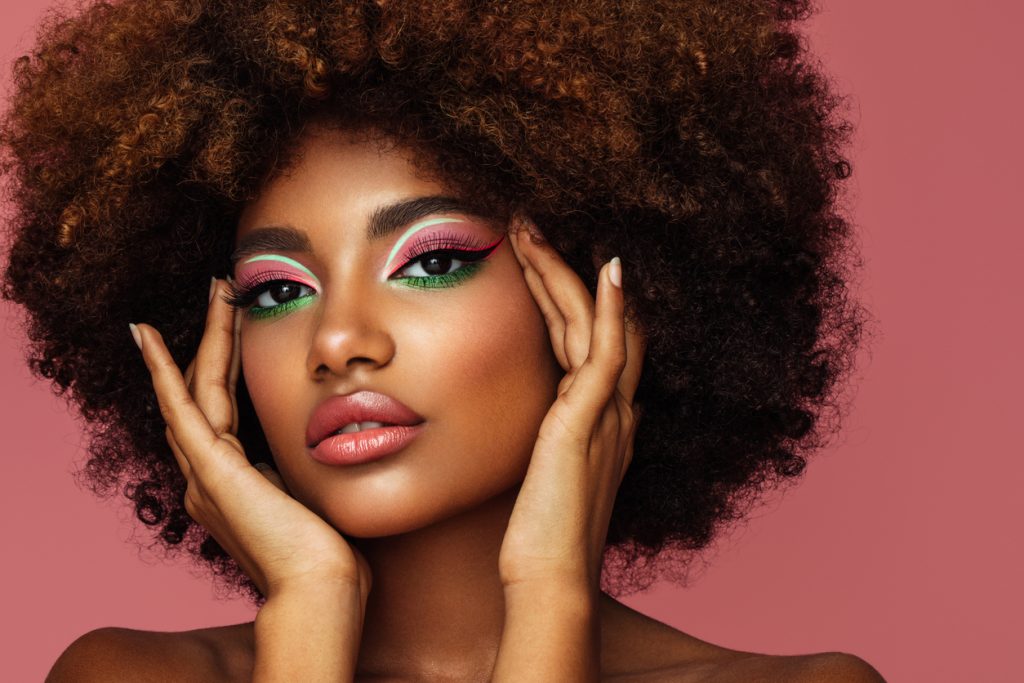
DISCOVER MORE: Click here to learn how nutrition impacts facial treatments
The Rising Popularity of Natural Ingredients
The increasing inclination towards natural ingredients in cosmetic products is not merely a trend; it represents a paradigm shift within the beauty industry. Once dominated by synthetic formulations designed for mass appeal and convenience, the marketplace is now seeing a vibrant infusion of nature’s bounty. A closer look at this evolution reveals how brands are creatively integrating natural elements to cater to a sophisticated and health-conscious consumer base.
Historically, many cosmetic formulations relied on an array of synthetic components. However, as consumer preferences shift, a notable resurgence of interest in traditional botanical ingredients has emerged. Ingredients like rosehip oil, packed with vitamins and fatty acids, are now celebrated not just for their cosmetic appeal but also for their properties that nourish and rejuvenate the skin. Furthermore, the popularity of green tea is skyrocketing as research supports its antioxidant benefits, making it a staple in skincare regimens.
Several factors contribute to the growing preference for natural ingredients, including:
- Consumer Empowerment: Modern consumers are more informed than ever. With a plethora of information available at their fingertips, they are capable of conducting research about product compositions, leading to a demand for transparency and authenticity in ingredient sourcing.
- The Influence of Social Media: The rise of beauty influencers and social media platforms has accelerated the popularity of natural beauty products. Many influencers advocate for clean beauty, showcasing their experiences with ingredients derived from nature. This influence has encouraged consumers to explore healthier options that are also eco-friendly.
- Global Expansion of Knowledge: As cultures from around the world converge, traditional beauty secrets utilizing natural ingredients are gaining traction. From African shea butter to Asian ginseng, the global beauty market is witnessing an infusion of global wisdom that cherishes the power of nature.
In light of these factors, it’s crucial for consumers to understand how these trends impact their choices. Brands are not just adding allure to their products with catchy labels; they are often faced with the responsibility to ensure that these natural ingredients maintain their integrity and efficacy. Moreover, sourcing must be ethical and sustainable, as these factors play a significant role in brand differentiation and consumer trust.
Certainly, the transition towards natural ingredients also impacts product pricing. Many brands incorporate these premium components, which may lead to higher price points. Yet, consumers are often willing to pay a premium for products that promise safety and sustainability. This evolving consumer sentiment is prompting even mainstream brands to reformulate existing products and introduce lines that prioritize natural constituents.
As this landscape continues to evolve, consumers can anticipate even more innovations. Whether through eco-friendly packaging or the fusion of science and nature in formulating products, the future of cosmetic enhancement appears to be deeply intertwined with the natural world. With ongoing education and research propelling this shift, the conversation surrounding natural ingredients in cosmetics is progressing, inviting more individuals into the dialogue about beauty, wellness, and sustainability.
The Role of Sustainability in Cosmetic Formulations
As consumers increasingly prioritize environmental accountability, the cosmetic industry is witnessing a notable shift toward sustainability. This transition is shaping not only product ingredients but also production processes. Brands are now focusing on eco-friendly sourcing of natural ingredients, bringing to light a myriad of botanical extracts that offer remarkable benefits while minimizing ecological impact. With an increasing demand for transparency, companies are mandated to present clear information regarding ingredient origins and manufacturing practices. This calls attention to the importance of sustainable harvesting methods, which ensure that natural resources are protected for future generations. Understanding the journey of these natural components—from soil to shelf—has become a vital aspect of consumer education.
Innovative Uses of Natural Ingredients
The evolution of natural ingredients also embraces innovation in cosmetic formulations. Traditionally, the use of plants and minerals was restricted to basic skincare properties; however, recent advancements have unveiled a broader spectrum of skin-beneficial capabilities inherent in these ingredients. For instance, adaptogens like ashwagandha and reishi mushrooms are celebrated for their potential to combat stress-induced skin conditions, while fermented plant extracts offer unique anti-aging properties due to their enhanced bioavailability. Such discoveries illustrate how scientific research complements traditional knowledge, providing consumers with advanced products that harness the ancient wisdom of natural ingredients alongside modern cosmetic technology.
| Category | Description |
|---|---|
| Sustainability | Focus on eco-friendly sourcing and sustainable harvesting of ingredients to minimize ecological impact. |
| Innovative Formulations | Utilizing advanced scientific methods to enhance the effectiveness of natural ingredients, offering unique benefits. |
Furthermore, with the rise of social media platforms and beauty influencers, consumers have unprecedented access to information about new natural ingredients and their benefits. This situation encourages brands to continually innovate, catering to a more informed clientele that demands products which are not only effective but also aligned with their values and lifestyle. As a result, the cosmetic landscape is evolving into a vibrant arena where nature and science collaborate to create products that meet diverse consumer needs while honoring the principles of sustainability and ethical sourcing.
DISCOVER: Click here to learn more
The Science Behind the Shift: Innovation Meets Tradition
The burgeoning interest in natural ingredients is not merely an aesthetic choice but is increasingly being supported by scientific advancements. Research in areas like dermatology and pharmacognosy is illuminating the benefits of various natural substances, reinforcing their efficacy in cosmetic formulations. This intersection of science and nature is enabling brands to develop products that are not only safe but also effective, catering to a more discerning consumer base.
For example, hyaluronic acid, once hailed exclusively as a synthetic option for hydration, can now be derived from natural sources, offering a cleaner alternative without sacrificing effectiveness. Aloe vera, a timeless ingredient known for its soothing properties, continues to be validated through scientific studies that confirm its influence on skin hydration and healing. As brands integrate these findings into their formulations, they bolster consumer confidence and enhance market credibility.
The rise of clean beauty standards has prompted regulatory bodies to take notice, further shaping the landscape. Initiatives such as the EU Cosmetic Regulation, which restricts harmful chemicals, and the clean beauty movement’s push for transparency have set a precedent for U.S. brands to follow. This regulatory environment encourages companies to rethink their ingredient lists, fostering a marketplace where natural cosmetics can thrive. In 2022, the Natural Products Association reported that consumer spending on natural beauty products exceeded $4 billion, highlighting a remarkable growth trajectory fueled by informed consumer choice.
Moreover, as the industry evolves, innovative extraction techniques are being pioneered to ensure that the potency of natural ingredients is preserved. Techniques such as cold-pressing, supercritical CO2 extraction, and even fermentation are becoming commonplace. These methods not only enhance the bioavailability of key nutrients but also align with the clean beauty ethos that consumers increasingly demand. In essence, modern formulation science is enabling a renaissance of traditional ingredients while minimizing the ecological footprint.
The cultural significance of natural ingredients also expands the dialogue around sustainability. For instance, brands such as Too Faced and Honest Beauty advocate for sustainable sourcing by partnering with fair-trade farmers and focusing on minimizing environmental impact. By highlighting stories behind ingredients like jojoba oil from indigenous communities or Argan oil from Morocco, brands are embracing a narrative that connects consumers to the origins of the products they use. This transparency creates a powerful marketing narrative that speaks to ethical consumption—a growing concern among many buyers.
However, as the market for natural ingredients grows, so does the challenge of distinguishing authentic products from those that may use greenwashing tactics. Labels that claim to be ‘natural’ or ‘organic’ without adequate verification can mislead consumers. Certification bodies such as the USDA and COSMOS are vital players in assuring product integrity, providing benchmarks of quality and sustainability that consumers can trust.
Furthermore, the intersection of technology and creativity is set to amplify this evolution. The utilization of AI in product formulation allows brands to analyze ingredient interactions more effectively, leading to enhanced formulations that maximize the benefits derived from natural components. In this dynamic and ever-evolving landscape, innovation continues to pave the way for a promising future in the realm of cosmetics with natural ingredients, challenging traditional norms while advocating for a healthier planet and a more conscientious consumer.
DISCOVER MORE: Click here to uncover the beauty of diversity
Conclusion: Embracing the Future of Natural Cosmetics
The journey of natural ingredients in the cosmetic industry has transformed from a niche market to a powerful movement that underscores consumer demand for safety, efficacy, and sustainability. With advancements in science and technology spearheading innovations, brands can now offer formulations that not only harness the potent benefits of nature but also embody ethical sourcing and transparency. The integration of scientific research into the development of cosmetics has bolstered the credibility of natural products, creating a unique nexus where tradition meets cutting-edge innovation.
As regulatory frameworks tighten and the clean beauty movement gains momentum, the landscape is set to evolve further. Consumer spending trends demonstrate an insatiable appetite for natural options, with over $4 billion in expenditure reported on natural beauty products in 2022 alone. This creates a ripe environment for brands to differentiate themselves through authentic stories, sustainable practices, and robust ingredient transparency. However, navigating this evolving terrain requires vigilance from consumers to discern genuine offerings from those employing greenwashing tactics.
Looking ahead, the fusion of advanced extraction technologies and rigorous certifications reinforces a commitment to quality that consumers can trust. As brands continue to innovate, the evolution of natural ingredients in cosmetics will likely reshape not just beauty regimens, but also instill a deeper awareness of the significant impacts these choices have on our health and the planet. The path forward invites us all to embrace a beauty philosophy that celebrates both the wonders of nature and the imperative of sustainability, ultimately fostering a more conscientious consumer culture.
Related posts:
The Evolution of Natural Ingredients in Cosmetics: Trends and Benefits
The Connection Between Well-Being and Beauty: The Role of Cosmetics in Mental Health
The Rise of Vegan Cosmetics: Benefits and Challenges for the Industry
The Role of Aromatherapy in Beauty Products: Benefits and Applications
Personalization in Cosmetics: How Technology is Transforming the Consumer Experience
The Influence of Social Media on Cosmetic Trends: How Digital Marketing is Transforming the Industry

Beatriz Johnson is a seasoned skincare specialist and writer with a passion for simplifying the complexities of beauty science and skincare routines. With over a decade of experience in the aesthetics industry, she specializes in topics like ingredient efficacy, anti-aging strategies, and global beauty trends. Through her work, Beatriz empowers readers to make informed skincare choices and stay ahead in the ever-evolving world of beauty and wellness.